Monica Strømdahl’s documentary “Flophouse America” (2025) follows an American family affected by the ongoing US housing crisis, which forces them to live in squalor. It offers a damning look at the family’s grueling life and their afflictions, addressing the unavoidable bridge between their financial and emotional well-being.
The film comes at a time when people around the world are facing similar issues, which have led to political unrest, especially in the past few months. While sane people recognize the actual culprits behind these societal crises, others are succumbing to xenophobia. So, immigrants have become the common scapegoats of this issue. Yet, the racially motivated anger is directed largely at non-Caucasian immigrants or citizens.
The housing crisis also proved a game-changer in the New York mayoral election, where the winning campaign primarily focused on every New Yorker’s right to affordable housing. That’s why Strømdahl’s documentary feels even more urgent and essential. It offers an unfiltered look into the life of a disadvantaged family pushed to live in a flophouse. Yet, to do so, she doesn’t throw anyone else under the bus, especially any community that is also facing some form of discrimination. Her curiosity lies more in the mundane parts of the family’s lives, as financial concerns seep into their daily interactions, planting seeds of lifelong trauma.
Strømdahl places her camera somewhere in their house and lets life unfold without interrupting it. She doesn’t appear anywhere as an interviewer, asking them about their life’s joys and hardships, nor does she alter or artificialize the look or feel of their home. We see all the clutter, stains, and patches in their slim apartment, where light often feels harsh and uncontrollable, and personal space becomes virtually unattainable. The usual avenues of warmth are absent from their lives, so they latch onto any source of comfort, lacking the emotional tools to know better. Their unprocessed traumas fester and pave the way for harmful forms of escapism.
It leads Tonya, the mother, to be consumed by her alcohol addiction while raising 12-year-old Mikal with her husband, Jason. Once Jason goes to work, Mikal is left alone with Tonya. They spend most of that time tolerating each other, which leads them to plenty of bitter arguments. On the surface, they might seem like usual fights between a teenager and their parent. He wants things she can’t provide, and she expects him to be better, as a student and a son.
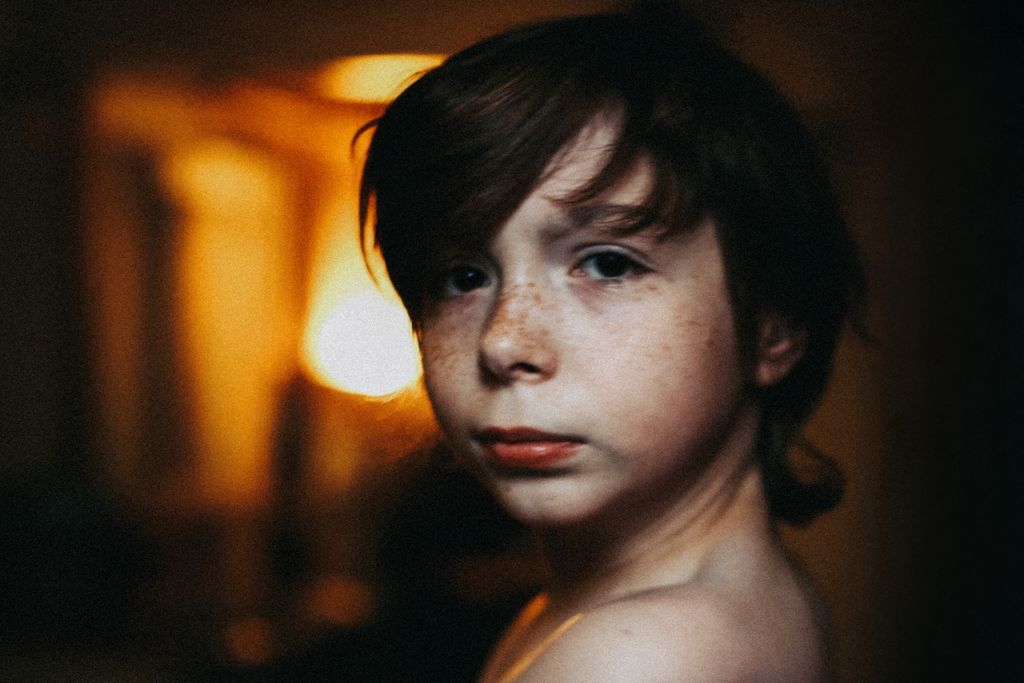
Yet, their push-and-pull dynamic, in one way or another, is tied to their socio-economic class. The sheer brutality of some of her remarks reveals her turmoil, which she can’t heal from in the unreliable medical service in the US, where even a minor treatment can cost a fortune. So, instead of finding a way out, she stays stuck with her self-destructive habits, which affect Mikal’s impressionable mind beyond repair. At a time when he could be spending time with friends, realizing his passions, and making memories, he is cooped up in the cramped apartment, forced to make peace with emotionally unavailable and alcoholic parents.
At times, Jason emerges as a responsible mediator, trying to bridge the gap between them. He sees Tonya as a woman he loves and won’t part ways with, but he treats Mikal with the same amount of adoration and concern. There’s a moment where he gives Mikal a reality check, but it somehow sounds like balm for the kid’s soul. Instead of resorting to relentless lecturing, he acknowledges his own flaws, inadvertently boosting Mikal’s confidence and motivating him to do better than him, which is crucial in a world where cards are stacked against him.
Strømdahl walks on a slippery slope with her directorial approach, since her vérité style could have made the film become a voyeuristic insight into poverty. That does not happen, since she doesn’t trivialize their concerns or seek pleasure from their pain. Her intention seems noble. She wants us to understand the coming-of-age experience of someone growing up with alcoholic parents in an inescapable social conditioning, which results in childhood trauma. You can sense her genuine concern for Mikal’s well-being.
That being said, she doesn’t soften any edges, leaving the bleakness unfiltered. That makes the experience harder to digest and the characters harder to be with, faithfully depicting the unnerving unease Mikal needs to sit with every waking hour. Through his portrait, it also shows how vulnerable children in such situations are, thus making a case for unbridled compassion to offer them a hope for a life worth looking forward to.




![November [2018] – A Peculiar and Aesthetically Striking Tale of Unrequited Love](https://www.highonfilms.com/wp-content/uploads/2018/02/Nov-cover-768x513.jpg)