The first thing you’d notice about veteran nature photographer and filmmaker Ben Masters’, “The American Southwest” is just how beautiful each frame looks. The true horror of this doc — which plays out mostly like a look at the Colorado river and its journey through flora and fauna that someone becomes an essential part of it — thus becomes more personal because you somehow understand how these beautiful frames would be eventually ruined if a stop to human greed and selfishness is not made a foremost priority.
Narrated by Quannnah Chasinghorse, who introduces her indigenous origin and the need for her to show the journey through her calming voice, a large part of the film also encompasses how big corporations are not just putting a literal hurdle in the way of how the Colorado River’s water flows, but also shows how human behaviour is causing a multitude of wildlife to become directly affected by their actions.
Captured with a naturalistic, almost Nat-Geo-like gaze and narrated like a Disney cartoon, “The American Southwest” gives us a first-hand look at Beavers and their familial and hardworking lives. The doc is ever-so-eager to get personal about these animals and how their actions — although simplistic on the surface — shape the way the Colorado River is allowed to flow without any foreseeable hurdles.
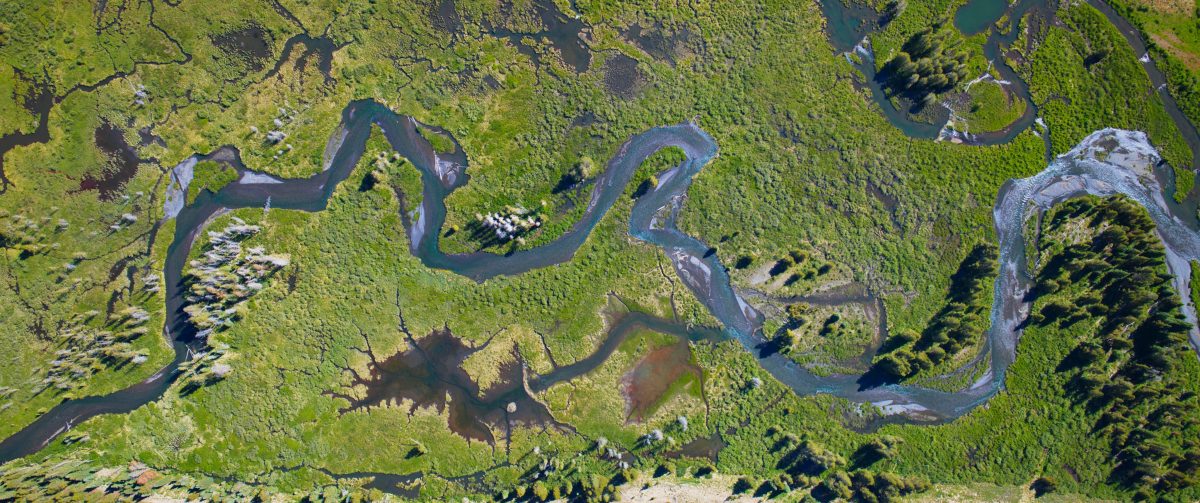
My favorite part of the doc, apart from the way it captures elk, salmon flies, snakes, and Jaguars was the ethereal view of the Grand Canyon and the way a baby Condor learns how to get back on its feet and return to its nest while its parents are out getting food for its initial growth. The way the desert and the cactus help secure the river’s water even in the harshest of times is a testament to nature’s ever-giving ways, too.
However, the structure and the way the film tries to pander its message make it feel like an obligatory exercise. I am sure people who are into nature documentaries would have a great time with the surface-level information it provides, but I would have personally liked it more if more weight were put into the ways humans are ruining everything. Leaning more into the political trajectory of the selfishness of humans would have given it the power that it needs.
But then again, all that Ben Masters and his incredible team want us to do is listen and introspect. He laces the narrative with history to help us figure out that human selfishness will only render these natural resources dry, but it will be us who will suffer the consequences of our actions, while nature keeps growing back. The pertinent question that the film eventually throws at the viewer is the nature’s connectedness to one another and how the balance eventually comes from the way a community not driving their selfish goals forward, but only taking what is needed and then giving back.




![Toni Erdmann [2016] : False Teeth and Real Emotions](https://www.highonfilms.com/wp-content/uploads/2016/12/maxresdefault-3-768x416.jpg)

![Ghost Stories [2018]: A Clever Study of Existential Trauma Under the Spell of the Supernatural](https://www.highonfilms.com/wp-content/uploads/2018/04/GHOST_STORIES_2018_HOF2-768x513.jpg)