
The thing that stays with you most in Liz Sargent’s debut feature, “Take Me Home,” is the personality she brings to her protagonist, Anna, without letting her be defined by her disability. Anna is brazen, self-assured, and assertive in a way that is rarely seen in cinema. There have, unfortunately, been only a few cases where the story offered disabled persons agency and control over their fate without being reductive.
I still remember a film from a few years ago that used the character’s condition merely as a plot device to build a cloying melodrama, while focusing on the parents’ pain and plight, leaving the character to appear as a crutch. This harmful trope exploits sympathy by placing helplessness at the narrative core.
There have been many cases where ill-informed, ableist notions disregarded the very purpose of telling such stories. Instead of genuinely caring about what they are trying to say with the script, the makers seemed almost entirely preoccupied with presenting themselves in a certain light, simply for telling such a story.
None of that remotely applies to Sargent’s feature film, or even her eponymous 2023 short, of which her feature offers a bracing narrative extension to. The short film followed Anna, a 30-something Korean-American woman, on a particularly stressful day in her life. Sargent used that premise to address the damning gaps in the American healthcare system, while also telling a gentle tale of sisterhood.
Even when a few narrative beats revealed Anna’s sister’s frustration in finding Anna a new, comfortable home, that anger was directed at the systemic factors that make this needlessly challenging and tiresome, but never at Anna. The final moments also tied the story in a way that replaced the usual narrative trap of recovery by focusing on the power of emotional embrace.
The same applies to Sargent’s debut feature, which follows Anna’s journey toward reclaiming her agency, where the obstacle is a systemic one, not any flaw in her state of being. In that context, it is also a feminist tale because the character doesn’t get what she wants / needs by changing herself, nor does the script present some aspects of her character as something she needs to alter or overcome.
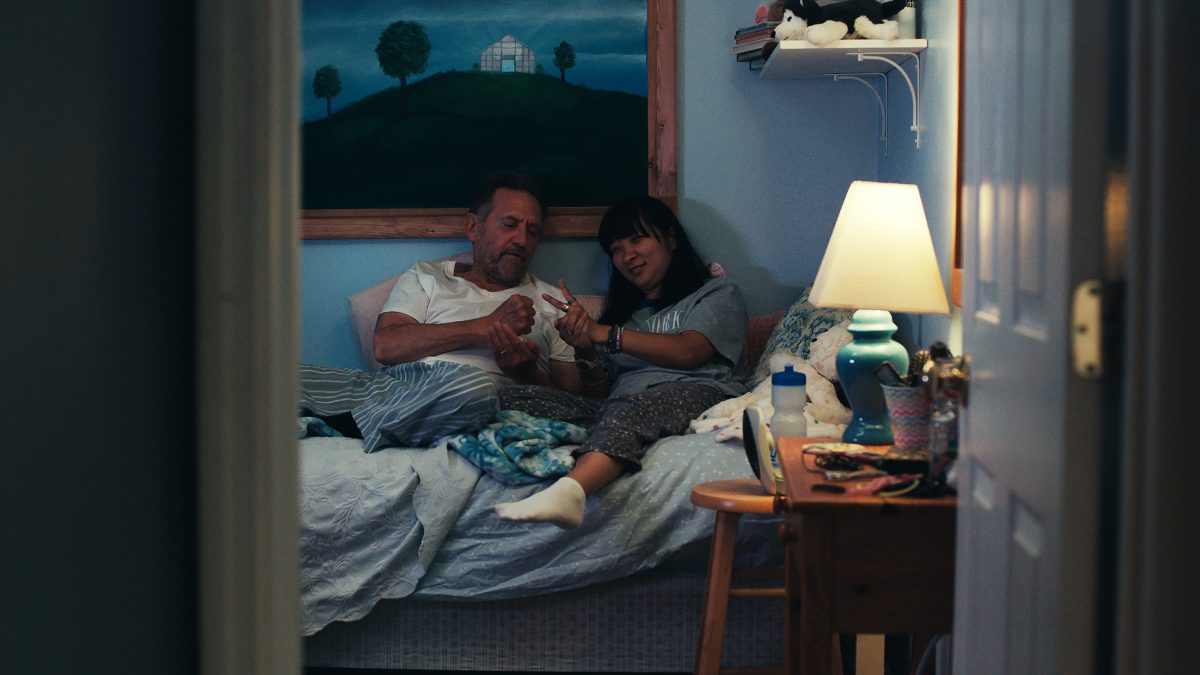
The feature film extends the scope of the earlier script by exploring Anna’s close-knit relationship with her aging parents, Bob (Victor Slezak) and Joan (Marceline Hugot), living in a suburban neighbourhood in Florida. It features mundane moments in the family’s life together to offer a sense of its unhurried pace. We see them caring for one another while living through an extreme heat wave, trying to meet each other’s demands or needs, while understanding the root of their frustration or grievances. Despite an occasional friction, it doesn’t pit them against each other, nor does it show them holding each other back.
Also Read: 35 Must-See Movies at the Sundance Film Festival 2026
We meet a family that is used to each other’s behaviors and habits, and is trying to find a common ground, just as any other family. That’s why the characters feel refreshingly real with distinct personalities. The scenes are written in a way that gives us all these insights organically, without being deliberate or blunt. It’s through everyday moments that we learn what independence means for Bob, while being plagued by looming concerns of memory loss. It also offers us a window into Anna’s romantic inclinations with grace and respect.
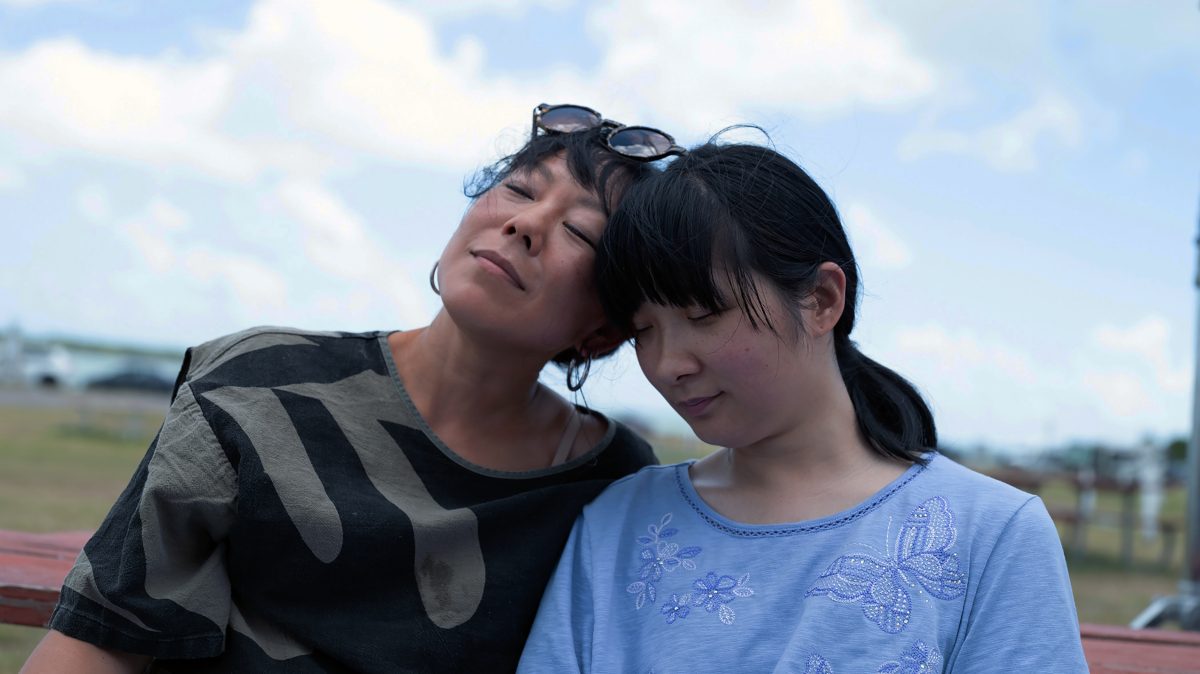
Sargent also fleshes out some in-between moments when characters are merely looking at each other or processing something they have realized. It helps us get a more rounded understanding of their prickly but endearing bond. Sargent’s actual sister, who stars in the central role of the same name, holds the film on her shoulders. Her assured turn offers every aforementioned insight about her personality. Ali Ahn, who plays Anna’s sister, Emily, is an absolute joy to watch on screen. She presents Emily as an effortlessly breezy presence while straddling a path between her professional and familial responsibilities, ensuring everyone’s satisfaction.
Slezak is remarkable in finding the perfect balance in presenting Bob’s outward crankiness with a gentle warmth that shows up in those occasional moments when we see him as his vulnerable self. While Sargeant carefully handles this sensitive subject matter, she deserves just as much praise for her filmmaking approach, which focuses on building a few, relatively long scenes without rushing toward any overarching observation. It gives us a richer understanding of their relationship with a lived-in feel, while gradually redefining our notions about adoption, disabilities, and aging.
My only gripe about the film would be the way Sargeant connects the second and third acts. The bridge between those defining moments feels rather underdeveloped. It doesn’t communicate anything emotionally memorable, nor does it offer a clear narrative thread as it transitions into the film’s final beats. Although you understand the logical reasoning behind what happens before and what comes after, the bridge remains the only underwhelming part of the film. Nevertheless, it doesn’t take away much from the sensible beauty that the film gleefully radiates with.




![The Peanut Butter Falcon [2019]: ‘BFI-LFF’ Review – A funfair Caterpillar ride](https://www.highonfilms.com/wp-content/uploads/2019/10/peanut-butter-falcon-review-768x512.jpg)