Marijana Janković’s “Home” (2026) reckons with having to leave one’s life and start anew. How does one find the tenacity to power through a completely fresh slate? Opening in 1991, Yugoslavia, Marko (Dejan Čukić) is no stranger to the national calamity. Dissolution is on the anvil, causing people to pack bags and leave. Marko holds off on joining in the swell of departures.
The country is plummeting, the economy dangerously stretched thin. Yet, circumstances are so dire that it gets increasingly impossible to keep the family afloat on the back of a business with diminishing or stagnating profits. Droughts keep worsening, and salaries stay suspended for months without any possibility of materialising.
Harsh but urgent decisions must be made. The insistence of a well-heeled cousin, Lazar (Zlatko Burić), arriving from Copenhagen, impels Marko to consider the fateful move. However, his sister Sanja (Dubravka Drakić), living in Denmark, can accommodate only some of Marko’s folks. Wrenchingly, he decides to take his youngest child, the six-year-old Maja (Tara Čubrilo), and his wife, Vera (Nada Šargin). Marko’s sons are left behind. He promises them he’ll send for them as soon as things look up, but the heartbreak and hurt drive a wedge deep between them. The songs stay with Marko’s mother.
It becomes the moment for the severing of the father-son bond. They recede from his futile grasps at staying in touch. Meanwhile, Maja, who enrolls in school, becomes the interpreter for the parents. It’s overwhelming for a child to be cast adrift in an entirely new context amidst rank strangers. Maja’s perspective is the guide through the film’s anguished, chafing heart.
It’s a whole voluminous ordeal putting Marko through immense churn. Scars riven by dislocation linger. The tussle between remaining and letting go doesn’t animate Marko’s struggle so much as he feels obligated to make it work. Now that he’s here, no matter how bleak it gets, he resolves to see it through. He wrestles with the question of whether he’s being courageous or delusional in hoping for solid ground.
The storytelling beats are familiar, but Janković infuses them with disarming sincerity, an ability to mine maximum emotion from the most well-worn folds of narrative motion. There’s no excess trickery or ornate showiness in style, a simplicity springing through characters, their anguished movements coursing through a land unknown and toughening circumstances. Each harrowing, demanding step of the course is richly rendered in the unvarnished performances, the patina of truth coating scenes. We can gauge the shame, guilt, and regret swirling together as a father reckons with his failures.
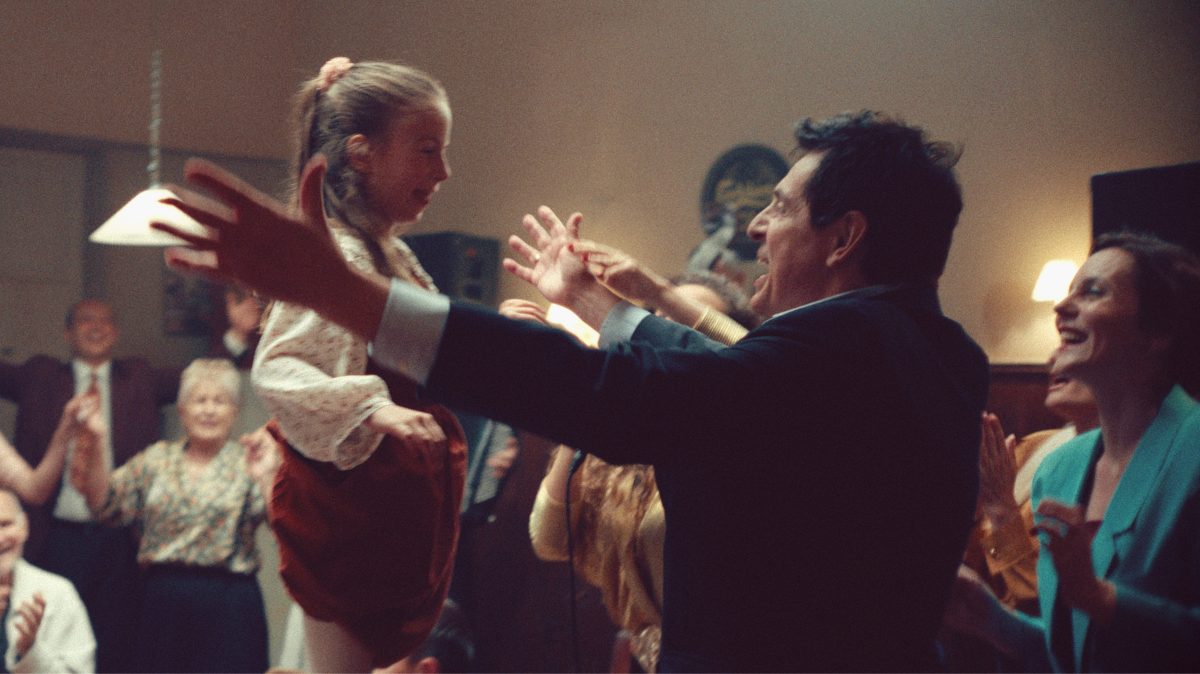
“Home” rests on Dejan Čukić’s formidable, fraught performance. Marko is riddled with the anxiety of carving a safe, stable future for his family. But the pressures of landing on one’s feet in a foreign land are far too many, constantly testing endurance and fortitude. How long can one labour to keep going on the faith that things will turn around, the meagre pay will accumulate into something? “Home” never glosses over the grime but drives its truths with empathy.
Janković respects her characters, the choices they make, their often crippling blow that can make the most resilient re-appraise if they did the right thing. Can one face up to the full impact of the decisions they have made? Dealing with it calls for a high degree of conviction that one can pull through, reach shores one has envisaged as the only destination. Dignity has to be relinquished again and again, if it means getting a few more months to coast before ensuring fine anchorage.
The emotional perceptiveness in Jankovićs filmmaking glazes over the more predictable narrative strains. She captures the rigmarole of restarting a life against severe odds with patience and sensitivity. Tension erupts between Marko and his wife as hope seems to collapse and cede place to exhausting trials.
The distance between them widens, though Maja intuits the wounds that couldn’t be more palpable. As situations turn nightmarish, with sustenance staring at disintegration, the couple confront what it means to love and believe in each other. Šargin is equally devastating as a woman crunched on the most cautious path. Vera has to hide secrets from her husband, but gets an ally in her daughter in the film’s most piercing scene.
The filmmaking is undemonstrative and steadily attuned to predicaments and efforts to prevail. Edging the end of the tether threatens to actualise every now and then. The film underscores this with an unswerving eye to how lives are rebuilt amidst shattering uncertainty. Generosities are hard to come by. Marko does receive it in critical bursts, but the quandaries can frequently knock the sturdiest down. Janković has made a tender, aching film alive to human doubts and fears. “Home” takes a carefully considered look at fractures opening within a family and relationships in the wake of sobering decisions.





![Scattered Night [2019] – dir. KIM Sol, LEE Jihyoung](https://www.highonfilms.com/wp-content/uploads/2019/05/Scattered-Night-2019-High-On-Films-768x425.jpg)