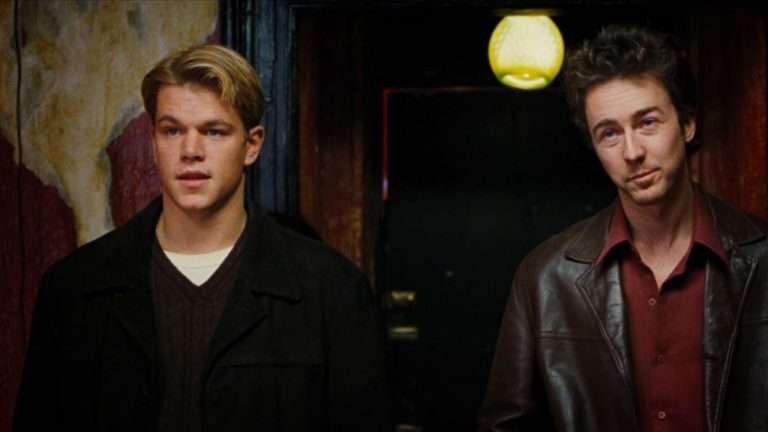
The way audiences consume films has changed dramatically over the past decade. Traditional cinema is no longer the sole avenue for discovering movies; streaming platforms, digital releases, and online festivals have become central to film culture. Behind these shifts lies a growing reliance on technology and digital innovation, which is reshaping how stories reach viewers worldwide.
The Rise of Streaming Platforms
Platforms like Netflix, Amazon Prime, Disney+, and a growing number of niche services have democratized access to films. Viewers now have immediate access to thousands of titles, ranging from classic films to independent releases. These platforms are not just distributors; they are curators, shaping taste, highlighting emerging talent, and influencing how audiences engage with cinema.
This transformation has also encouraged filmmakers to think digitally. Instead of solely producing for theatrical release, many creators now design films with online viewing in mind. Interactive storytelling, shorter formats, and global accessibility are increasingly important considerations.
The Role of Technology in Film Distribution
Digital innovation goes beyond just streaming. Websites, mobile apps, recommendation algorithms, and interactive platforms all play a role in shaping how films are discovered and consumed. A well-designed website or app can provide trailers, reviews, ratings, and social features, enhancing the viewer experience.
Building these digital platforms requires technical expertise. Skilled web developers, designers, and software engineers work behind the scenes to ensure smooth navigation, fast load times, and a seamless viewing experience. This technical backbone is crucial, especially as streaming services continue to expand globally.
Freelance Developers Powering Creative Platforms
Interestingly, many emerging streaming platforms and independent film portals rely on freelance web developers. Freelancers bring flexibility, specialized skills, and creativity to these projects, allowing smaller studios and independent creators to compete in a highly digital market. Freelance Platforms like Osdire connect these creative teams with freelance developers who can build websites, apps, and interactive tools efficiently.
Freelance developers also enable innovation. For instance, indie film festivals can launch online ticketing portals, virtual screening rooms, and interactive Q&A sessions without the overhead of a full-time technical team. This democratization of technology is opening doors for filmmakers and audiences alike, bridging the gap between creativity and technology.
How Digital Innovation Shapes Film Culture
The integration of technology is influencing more than just distribution. It affects how stories are told, marketed, and experienced. Online analytics give filmmakers insights into audience engagement, guiding promotional strategies and even future storytelling approaches. Social media integration on platforms and interactive features allow audiences to participate in the film experience, fostering community and dialogue around cinema.
Moreover, digital accessibility allows films from diverse regions and underrepresented voices to reach audiences worldwide. This exposure is expanding cultural awareness and diversifying film consumption patterns. The global film community is becoming more interconnected, and technology is the glue that binds it together.
Challenges and Opportunities
While digital platforms offer incredible opportunities, they also present challenges. Technical reliability, data security, and user experience are critical. Poorly designed platforms can frustrate audiences and hinder engagement. This is where freelance developers and technical specialists make a significant difference. Their expertise ensures platforms run smoothly, meet user expectations, and adapt to evolving digital standards.
For filmmakers, embracing digital innovation means balancing creative storytelling with the demands of modern technology. Platforms like Osdire make it easier to collaborate with the right technical talent, turning ambitious ideas into fully realized digital experiences.
Conclusion
The film industry is in the midst of a digital revolution. Streaming platforms, online festivals, and interactive experiences are transforming how audiences discover and engage with cinema. At the heart of this evolution lies technology, supported by skilled web developers, designers, and freelance professionals who build the infrastructure for modern film consumption.
By embracing digital innovation, filmmakers and studios can reach wider audiences, create interactive experiences, and adapt to the ever-changing cultural landscape. Freelance platforms like Osdire make it possible for creative teams to access technical talent, ensuring that film culture continues to thrive in the digital age.
Technology is no longer just a tool—it is an integral part of storytelling, connecting filmmakers and audiences in ways that were unimaginable just a decade ago.