Danielle Arbid opens her latest, “Only Rebels Win,” with a wry admission. The film was shot in France, standing in for Lebanon, which was unfeasible due to Israeli bombardments. So, an angle of fabricated reconstruction already limns the drama. However, Arbid also maintains that “illusion is a declaration of love”. It’s an incredibly touching gesture that immediately takes us in. Suzanne (Hiam Abbass) intervenes when she sees a stranger, Ousmane (Amine Benrachid), being beaten on the streets.
Ousmane’s wages have been held up. When he protested, his official documents were seized, and he was subject to violence. She tends to his wounds and shelters him. However, it’s not a stray, fleeting gesture; rather morphing into a full-fledged romance, one with severe implications. His being a Sudanese Chadian immigrant is deeply unwelcome in Suzanne’s small circles. She’s been long widowed, yet her claims on happiness seem more dictated by others.
The romance might seem too familiar in progression. The age chasm is met with consternation and stark disapproval. Everyone around Suzanne is quick to assert their distaste and opposition to her relationship. What exacerbates matters is that he’s an immigrant, a Sudanese. There’s inherent distrust and undisguised aversion to immigrants in Suzanne’s surroundings.
When she reminds her co-workers that she’s Palestinian, she’s brushed off and chided that she did marry a Lebanese man and her children are therefore Lebanese. Her identity has impeccable credentials. The love develops quickly into something serious and promisingly enduring. Both are keen to take it forward and officiate it. Suzanne’s daughter is dismissive.
She sees it as a pure scandal. Later, she encourages her mother to pursue the affair as a one-off fancy, but can’t bear the thought of it materialising into a marriage. She views Ousmane as someone who’s only waiting to take advantage of her mother. Why does everyone need to know? The daughter pleads with Suzanne. Her son lashes out even more.
Yet, Suzanne insists on the validity of her own feelings and desires. Her friends and neighbours judge and order her to be more cautious since immigrants are already taking up more space and jobs. When he starts living with her, they are met with insults and baseless complaints. Suzanne navigates social censure while holding onto a transgressive relationship. This gets increasingly precarious to straddle. How long can the couple battle such intense, unsparing opposition? Even the church priest washes his hands off when Suzanne enquires about her marriage with a man junior to her by four decades.
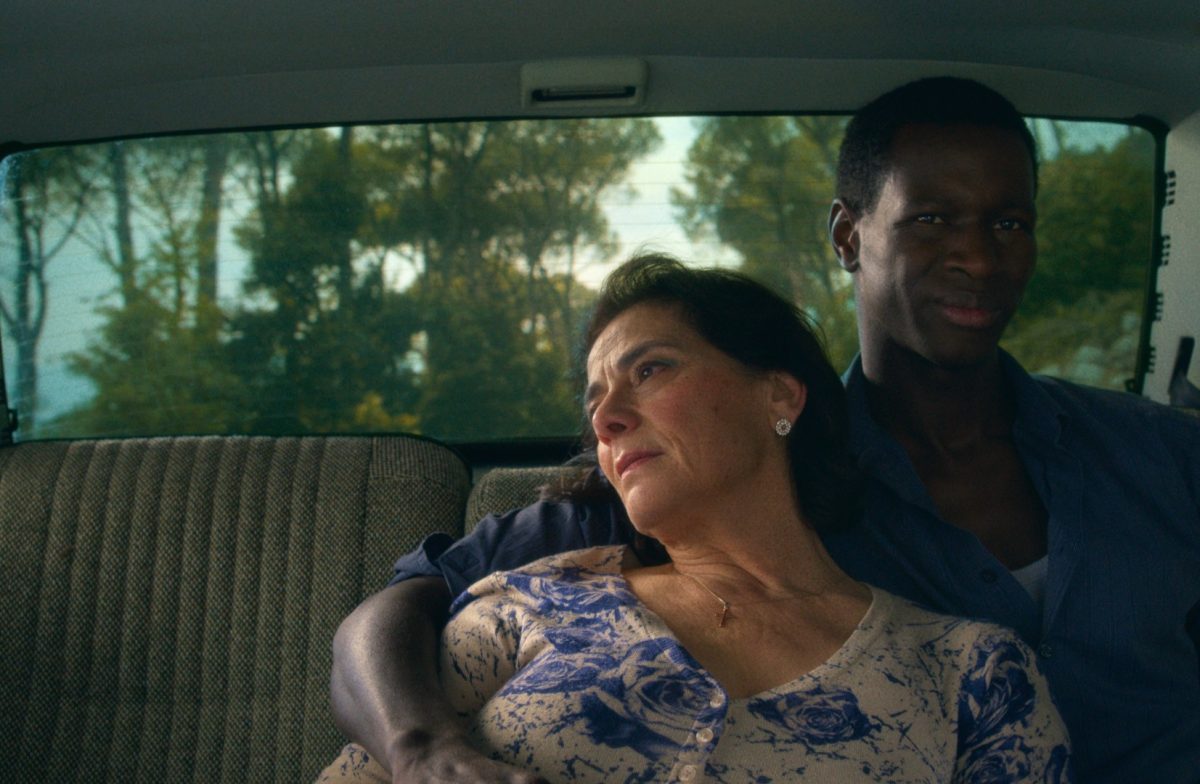
Abbass brings such soulful dignity that it’s impossible not to be swept by her allure. Here’s an actor who can raise the most banal material to sublimity. “Only Rebels Win” is never flat-out insipid. There’s a fluency and vitality to its rootedness that keeps it going. But it does seem in parts to dangerously waver into misdirection, a sense of being utterly lost. In such a crisis, Arbid leaves it to Abbass to pull through with exquisite evocation of melancholy and quiet defiance. Suzanne’s resilience is tested time and again, including her capacity for enduring the easily entitled slights of her everyday folks.
“Only Rebels Win” reclines into conventional templates, triggering grouses that it couldn’t have pushed matters. The problem is Ousmane himself registers very hazily, despite a sincere Amine Benrachid. The script puts him in circles, an ill-defined work situation that is shorn of specificity, which it lends wholly to Suzanne’s private and public life.
Ousmane’s professional strife, his life precluding Suzanne, appears too sketchily written. The xenophobia and racism are entirely mediated through Suzanne. There are pockets of refuge which nevertheless come off on borrowed mercies, not lasting or immune to danger. “Only Rebels Win” sticks to Suzanne’s perspective and falters shakily the minute it reverts to Ousmane.
It leaves us wishing it had more pluck and pertness to dive deeper into the crosshairs of Lebanese society, which isn’t conducive to Suzanne despite having spent decades there. She’s still firmly told what she can do, lines she must not dare to cross. Arbid mines colourful, well-etched dynamics and chatter as long as she circles Suzanne, greatly aided by Abbass. Suzanne is unapologetic and determined to a degree that puts everyone at unease. She sees no wrong in her pursuits.
However, the writing should have been more spirited and audacious, without resorting to dramatic contrivances. Thankfully, “Only Rebels Win” ends on an authentic, fully earned note, mixing poignance and acceptance. The world might have shut down Suzanne’s plans, but she chooses to power forth with renewed vigour. Not all losses diminish, but they can expand a person, stir her to chart her own destiny with greater vitality and fearlessness.



![The Honeymoon Killers [1970]: A Brutal Tale of Dysfunctional Romance](https://www.highonfilms.com/wp-content/uploads/2015/12/f3ec6608-26a5-463b-8972-6ee6442fe098.png)