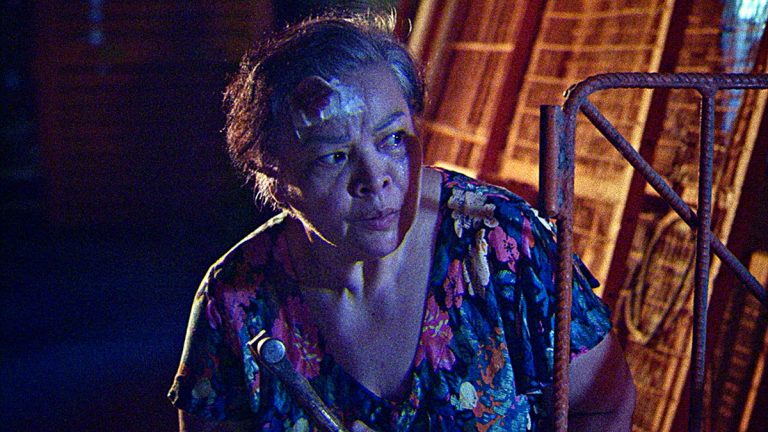
“Kishkindha Kaandam” (2024) is not actually about a missing gun. Nor is it even remotely related to a missing child. It’s about memory. And more specifically, it’s about what we wish to remember. The forest that surrounds Ajay Chandran’s house is not merely a backdrop. It’s like something ancient. Something that swallows all things whole, like secrets, violations, and guilt.
Just like the mythical place of Kishkindha, this place operates on an unspoken understanding. Truth here is never ever out in the open. Truth here is hidden, distorted, and forgotten. The basic characters of this story are a father and a son. A man who can’t remember and a boy who won’t forget. The tragedy here is the way both of them are managing to survive.
Spoilers Ahead
Kishkindha Kaandam (2024) Plot Summary & Movie Synopsis:
Why Were the Police at Ajay Chandran’s Home?
The story begins on a deceptively calm note. Ajay Chandran and Aparna get married through a simple court ceremony. It feels grounded, almost ordinary. But the moment Aparna steps into Ajay’s ancestral house, the illusion starts to crack. The police arrive not because of a crime that has happened, but because of something that is missing: Appu Pillai’s licensed gun. On the surface, it sounds almost absurd. An old man claims he misplaced a weapon, and the easiest explanation offered is that a monkey from the surrounding forest might have taken it. It feels like a convenient excuse.
Something no one wants to question too deeply. This is the first fracture in the story. Because a missing gun is never just a missing object. It is a missing truth. Ajay stands firmly by his father. He does not question him or push him. Instead, he helps maintain the narrative. This is the first indication that Ajay is not just protecting his father, he is protecting something far bigger. Aparna, however, is new to this world. She still believes that things have explanations. That if something is missing, it can be found. She does not yet understand that in this house, things are meant to disappear.
What was the Relationship Between Appu Pillai and Ajay Chandran Like?
The relationship between Appu Pillai and Ajay is built on tension, but also on silent loyalty. Appu Pillai is a man of rigid habits. Every drawer is locked. Every key has a place. His life is structured to the point of obsession. But beneath that structure lies something fragile and broken. Ajay’s older brother could not live with it. He left. Ajay stayed because he chose to accept him. This acceptance is not innocent. It comes from history.
Ajay does not interfere with his father’s routines. He actively prevents Aparna from doing so. He knows that disturbing Appu Pillai’s world could unravel something dangerous. There is also the shadow of Chachu, Ajay’s son from his first marriage. A child who disappeared three years ago; a wound that has never healed. Ajay is caught between two roles. A son who protects his father. And a father who has lost his child. What makes it more tragic is that these two roles are connected.
Did Appu Pillai Have Dementia?
The film slowly reveals that Appu Pillai is not just eccentric. He is deteriorating. Aparna is the first to notice it. She observes him burning papers in the middle of the night. Papers that clearly mean something. When she brings it up, no one reacts strongly. Not Ajay or Sivadasan. Because they already know. Appu Pillai’s dementia is not a sudden revelation. It is something the family has been living with. Something they have adapted to. Ajay eventually admits that Chachu was the first to notice it.
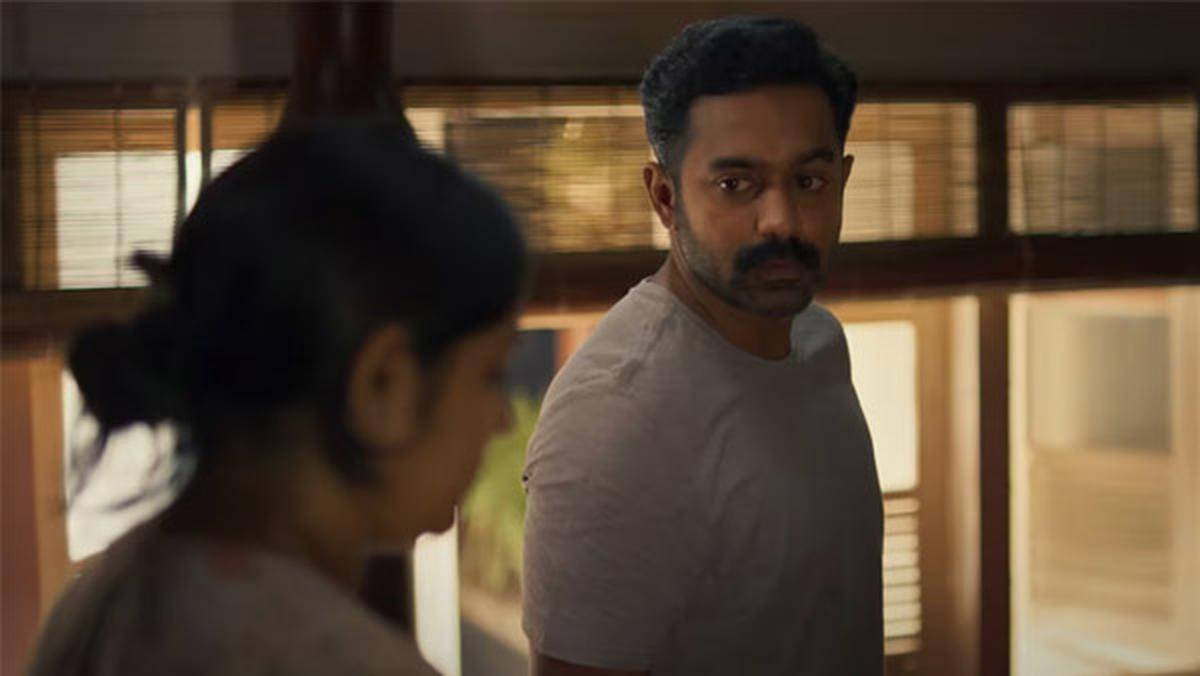
The child saw what the adults ignored. That his grandfather was forgetting things. That he was slipping. The tragedy is layered here. Appu Pillai himself is aware of his condition. He is ashamed of it and refuses treatment. Instead, he builds coping mechanisms, writing notes, repeating questions, and reconstructing his reality through routine. Dr. Amrith Lal becomes part of this mechanism. Pretending to be an old army colleague, he helps Appu Pillai anchor himself to a past that still feels real. But this therapy has an unintended effect. It allows Appu Pillai to live in fragments. In those fragments, the truth can be lost.
Why was Appu Pillai Called for Questioning?
The discovery of the remains next door shifts the story from suspicion to something darker. At first, it creates tension. A body, a crime. But then comes the twist. It is not human. It is a monkey. This moment is crucial. Because it does two things at once. It reduces the immediate danger. But it also deepens the mystery. A monkey with a bullet wound and a forest that silently absorbs everything. The pieces begin to align, but not in a comforting way. Instead, they suggest that violence has already happened here. And it has gone unnoticed. Or worse, unacknowledged.
The authorities are not convinced by coincidence. A missing gun, a dead animal, and a man with a questionable past. Appu Pillai becomes the center of suspicion. His history as a Maoist sympathizer adds another layer. It gives the police a narrative. A reason to believe he is capable of hiding something. But what they fail to understand is that Appu Pillai is not hiding something in the conventional sense.
He is forgetting it. Ajay steps in again. He defends his father and frames the investigation as harassment. As an attempt to create a case where none exists. This is not just loyalty. It is control. Ajay is carefully managing how much truth enters the system. How much of their reality is exposed? Because once the truth becomes official, it cannot be contained.
What did Dr. Amrith Lal Reveal?
Ironically, it is not the police or the family who find the gun. It is outsiders. Wildlife photographers capture an image of a monkey holding a pistol. The absurd explanation suddenly becomes real. But reality here is deceptive. Because the image confirms something and complicates everything else. Yes, the gun was outside, and a monkey had it. But that does not explain how it got there. Appu Pillai confirms that the gun in the photograph is his. This is a deliberate move. A calculated admission. By doing this, he validates the narrative that protects them. A gun was stolen by a monkey. It sounds ridiculous. But it works. Because it is easier to believe something absurd than to uncover something tragic.
Also Read: Kishkindha Kaandam (2024) Movie Review: Vijayaraghavan Shoulders This Profound Mystery Drama on Moral Ambiguity & Parental Love
Dr. Amrith Lal provides the clinical explanation: dementia. But his role goes beyond diagnosis. He becomes part of the illusion that sustains Appu Pillai. By pretending to be an old colleague, he allows Appu Pillai to function within a constructed version of reality. A space where memory is not entirely lost, but selectively accessed. This selective memory becomes the core of the film. Because Appu Pillai is not completely unaware. He remembers fragments, repeats questions, and searches for answers. But he cannot hold onto them, and that creates a loop. A loop where he is constantly investigating something he himself might have done without ever reaching a conclusion.
What did Aparna Find Out?
Sumadathan provides the missing piece of an earlier event. A smaller incident. One that seemed insignificant at the time. Chachu had used the gun. He accidentally killed a monkey. Appu Pillai, aware of the consequences, buried the body with Sumadathan’s help. But what happens next is more important than the act itself. Appu Pillai forgets. He behaves as if nothing happened. This is the first clear indication of how dangerous his condition is. Not because he might do something wrong. But because he will not remember doing it.
The past becomes unstable. When the past cannot be trusted, neither can the present. Aparna becomes the audience’s perspective. She refuses to accept incomplete answers. When she discovers the burnt papers and the hidden gun, the narrative begins to collapse. The monkey with the gun was a lie. The real weapon was always inside the house.
Two bullets are missing. This detail changes everything. Because now, the question is no longer about a monkey. It is about a person. Possibly, a child. Aparna starts connecting timelines. Hospital records, dates, and gaps in Ajay’s story. She realizes that the truth has been deliberately fragmented. And that Ajay is part of it.
Kishkindha Kaandam (2024) Movie Ending Explained:
Did Appu Pillai Kill Chachu?
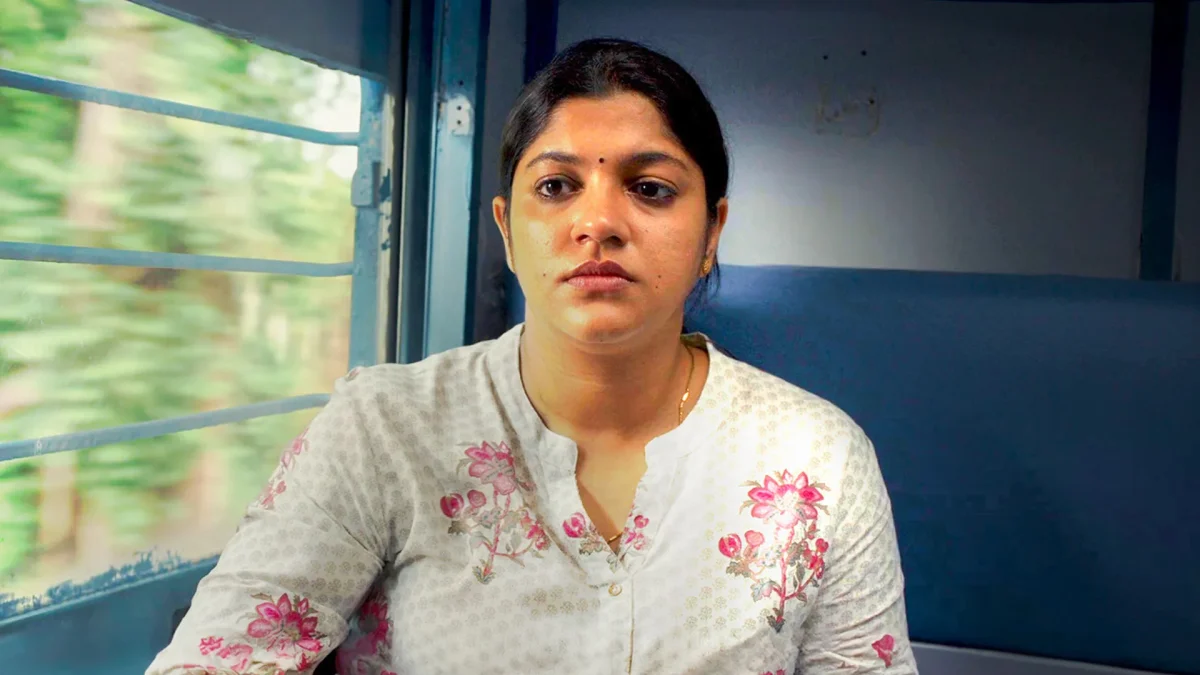
This is the central question, and the answer is both simpler and more devastating than expected. Appu Pillai did not kill Chachu. Ajay’s first wife did, that too accidentally. In a moment of panic while trying to take the gun away, she shot her own child. Ajay walks into this scene and makes a choice. He chooses to save his wife instead of dealing with the consequences of his son’s death. This choice defines him. It is not selfish. It is human. But it sets everything else into motion. When Ajay returns, the body is gone. The room is clean. Appu Pillai has intervened. Whether he fully understood what he was doing is unclear. But he acted. He removed the evidence. He protected his son. And then, he forgot.
This is where the film reaches its emotional core. Appu Pillai is trapped in a loop. He knows something is missing, knows his grandson is gone. But he cannot remember what happened. So he keeps searching. He writes notes, burns them. He asks questions. Each cycle brings him closer to the truth. And then takes it away again. For him, forgetting is not a curse.
It is freedom. Because remembering would mean facing what he did. And what his family became because of it. Ajay is not just protecting his father. He is protecting himself and his past. If the truth comes out, it destroys everything. His father becomes a criminal. His wife becomes responsible for a child’s death, and he becomes complicit. So he chooses silence. He allows the investigation to drift. He supports false narratives. He plays along with his father’s loops. Because this version of reality is survivable, the truth is not.
“Kishkindha Kaandam” ends not with resolution, but with continuation. The mystery is not solved. It is maintained. Appu Pillai continues his search. Ajay continues his performance. Aparna becomes part of the secret. Chachu’s body is never found. But the implication is clear. It lies somewhere within the land where Appu Pillai repeatedly burns his papers, a ritual.
A subconscious return to the site of truth. The forest keeps the secret. Just like the family does. In the end, the film is not asking who killed Chachu. It is asking something far more uncomfortable. What is worse, remembering the truth, or living peacefully without it? Appu Pillai chooses forgetting. Ajay chooses silence, and Aparna chooses to stay. That is their Kishkindha — a place where deals are made, and truths are buried.
A Bond Built on Silence, Guilt, and Unspoken Protection: The Father and Son Theme in ‘Kishkindha Kaandam’, Explained
At the heart of “Kishkindha Kaandam” lies a deeply unsettling father-son relationship, one that is not built on warmth or expression, but on silence, debt, and an unspoken understanding of guilt. Appu Pillai and Ajay Chandran are not emotionally close in the conventional sense. They do not confide in each other, nor do they openly confront their realities.
Yet, they are bound together in a way that feels almost inescapable. Appu Pillai, a former military man, represents authority, control, and structure. But dementia slowly strips him of these qualities, leaving behind fragments of a man who once was. His mind becomes unreliable, but within that unreliability lies a strange form of protection. He acts without fully remembering, and in doing so, he shields his son from consequences he himself cannot comprehend anymore.
Ajay, on the other hand, is fully aware. He understands what happened to his son Chachu. He knows the truth about his wife’s accidental act and his father’s role in covering it up. Yet, he chooses not to challenge his father. This is not just out of love or respect, but out of indebtedness. Appu Pillai erased evidence, buried the truth, and unknowingly sacrificed his own clarity to protect Ajay’s life from collapsing. What makes their relationship tragic is this imbalance. The father forgets, while the son remembers everything.
And because Ajay remembers, he carries the full weight of guilt for both of them. He protects his father not just from the world, but from his own past. In a way, their roles reverse. The son becomes the guardian of the father’s reality, while the father, in his fractured state, becomes the reason the son can continue living without facing justice. Their bond is not healing; it is survival, built on a truth neither of them can fully live with.