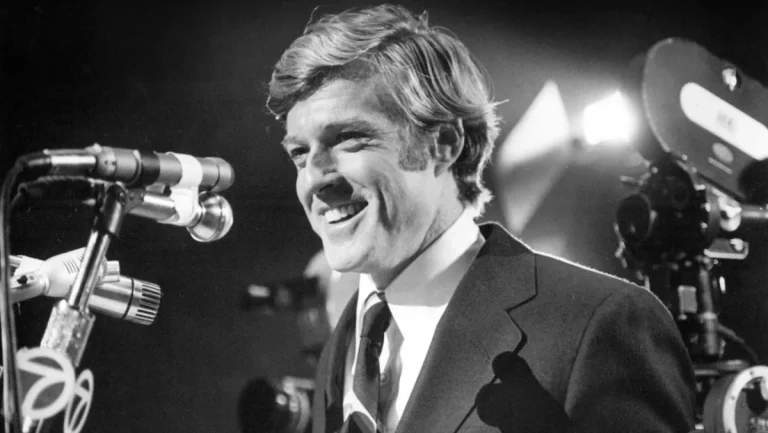
Josh O’Connor is known for many reasons, and acting is only one of them. In the last few years, he has been vocal about his love for Disney’s animated film, “Ratatouille.” It received so much attention that people assumed he wanted to play Alfredo Linguini if Disney decides to bring a live-action remake to screens. Although this has become a running gag at this point, it reflects a side of him that is also noticeable in much of his acting work.
O’Connor appears affable and sensitive without any pretense. You can notice it in flashes, even in roles that aren’t easily likable. Whether it’s a washed-up tennis player trying to revive his career or a killer seeking refuge in faith, he presents them with such compassion that makes them far more layered than our initial impressions of those characters. His affability has been so infectious that even his co-star Glenn Close likened him to the young Jimmy Stewart, saying, “You can’t help but love him.“
Many know him as Prince Charles in Netflix’s “The Crown,” which earned him an Emmy and a Golden Globe. However, he had his breakthrough before that, in Francis Lee’s tragic romance, “God’s Own Country.” Later, Luca Guadagnino’s “Challengers” put him on a bigger map, and now, he is all set to star in a central role in Steven Spielberg’s new sci-fi vehicle, “Disclosure Day.” Some might consider him an overnight sensation, but that’s far from the truth.
His career has been leading up to this stage through years of impressive work in modest dramas that revealed his intensity and range. He played small parts in shows like “Peaky Blinders” and “Ripper Street,” as well as many indie films and plays, which revealed the depth and complexity he can bring to any given role. Hence, as we relish his work in the mainstream, it’s worth taking a look at the gems where he left a mark.
8. The History of Sound (2025)
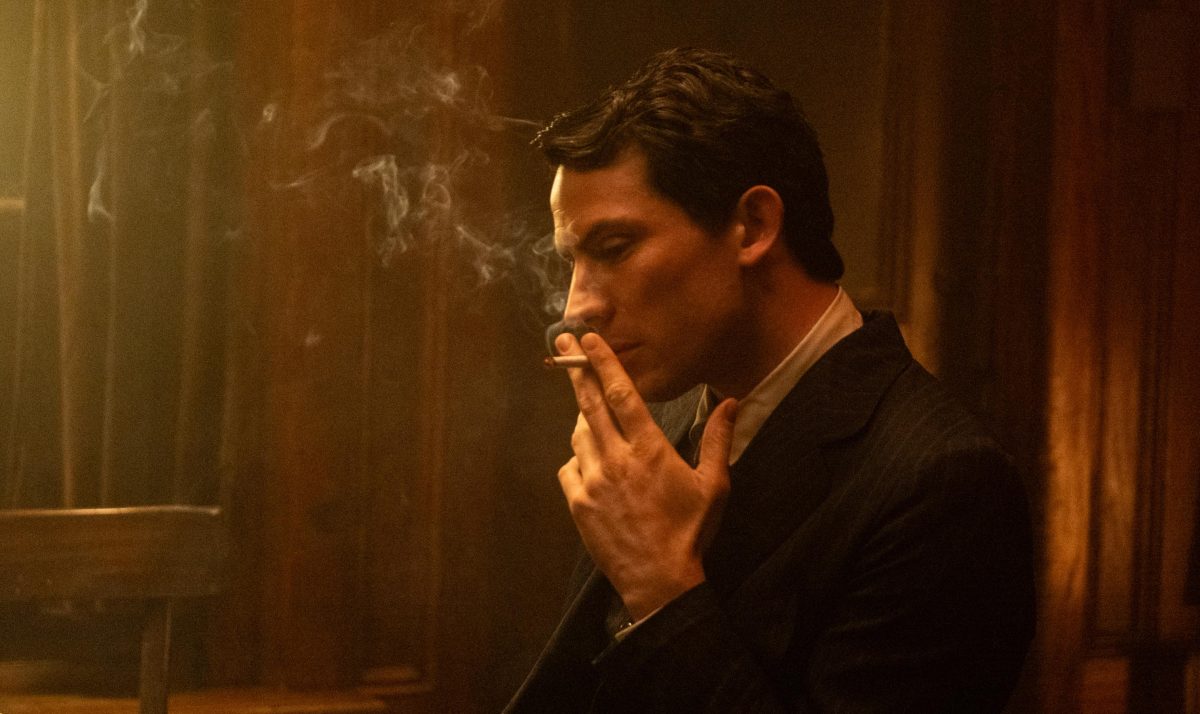
Oliver Hermanus’s “The History of Sound” presents Josh O’Connor mainly through the memories of his past lover, who couldn’t get over the connection he felt with this charming man. The two meet when David (O’Connor) plays a tune that reminds Lionel (Paul Mescal) of his home in rural Kentucky. The music bridges the gaps in their social conditioning, making them open to the kind of intimacy that they never felt with anyone else.
Hermanus’s film, based on Ben Shattuck’s short stories, depicts love through yearning. Characters often beat around the bush, struggling to find the strength to confront their feelings for one another or the right words to describe them. Hence, the film reveals more through what’s left unsaid. That makes O’Connor’s performance all the more impressive, as he remains physically absent for much of the duration.
He carefully informs us of David’s turmoil in rejecting his own impulses in favor of societal acceptance and the residual burden he bears as he drifts away from Lionel. There’s a scene where David breaks down in tears, seeing Lionel conjure up emotions only possible to him. He conveys David’s overwhelming sense of impending loss while breaking away from the austerity he otherwise maintains due to his social standing. Hence, even in his brief screen appearance, he ensures we realize what David means to Lionel.
Read: The History of Sound (2025) Movie Review: An Old-Fashioned Yet Heartwarming Romantic Drama
7. Only You (2018)

Harry Wootliff’s “Only You” revolves around 26-year-old Jake and 35-year-old Elena, who fall for each other after an impromptu meeting. Jake, who comes from a family with stable relationships, is a romantic. Unlike him, Elena is cynical about relationships due to her parents’ separation. Eventually, their age difference becomes a minor issue as they decide to move past their one-night stand and be in a relationship.
The couple contemplates the fate of their relationship as it progresses to the next stage. Although deeply invested in each other’s emotional beings, they find it hard to sustain their initial attraction in the presence of eventual complications. While navigating these usual aspects of romantic relationships, “Only You” shines due to its careful handling of the material, sensitive direction, and emotional performances by Josh O’Connor and Lai Costa.
O’Connor aptly depicts someone in their mid-20s, past the prime of their youthful flings, learning to be comfortable in the new stage of life while battling growing uncertainties. Jake’s fears are rooted in what he considers obsolete, based on his image of his conflictless parents. Josh sensibly approaches Jake’s gradual journey of maturity while exuding warmth and despair with an equal amount of honesty.
6. Aisha (2022)
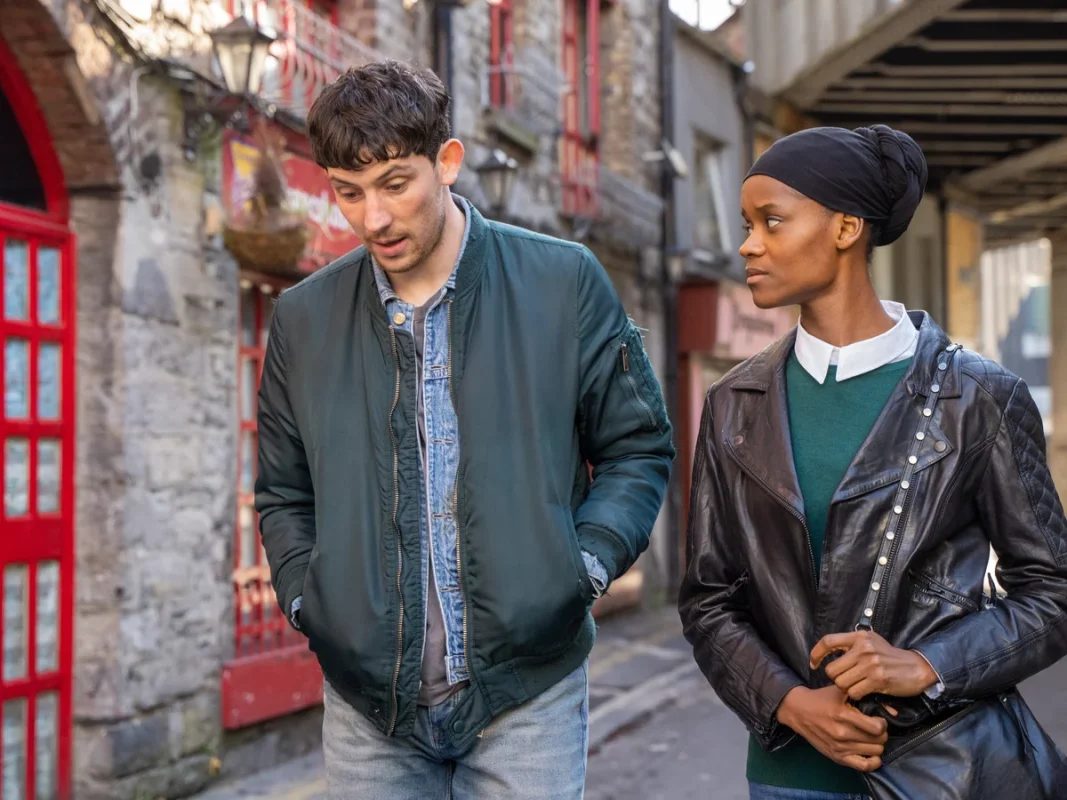
Frank Berry’s “Aisha” revolves around Aisha Osagie, a young Nigerian woman stuck in Ireland’s immigration system for years. She escaped the torturous past in her homeland, hoping for a better life outside. However, the grueling asylum process keeps her in a perpetual state of uncertainty about her future. Whether due to inherent prejudices or systemic factors, she keeps struggling in this new country and finds it increasingly difficult to hold on to her hopes. During this journey, she becomes friends with Conor Healy, an employee at one of the accommodation centers who was once exploited by those in power.
Although a portrait of Aisha’s resilience, the film does not let itself veer into the cliches associated with such narratives. It does not rely on soaring music to help us realize what Aisha feels. Instead, it fleshes out the anguish beneath the brave face she puts on for the world with realistic details of the consequences.
While Letitia Wright is the clear highlight in this gut-wrenching film, which analyzes and presents trauma without sentimentality, Josh O’Connor’s character steps beyond the usual tropes of trauma-bonding dramas. His performance helps it attain that level of sincerity. As a man trying to overcome the emotional pain of his past suffering, O’Connor presents Connor as a kind-hearted soul with no sinful motives. His generous presence never steals the spotlight from Wright but lets Conor remain a reliable figure in her continuous struggle for survival.
Check Out: Aisha (2024) Movie Review: Letitia Wright Stuns in This Thoughtful and Bleak Drama that’s Less Kafkaesque and More Docu-Fiction
5. Challengers (2024)

Justin Kuritzkes’s “Challengers” centres around Tashi, Patrick, and Art, three tennis players grappling with the miserable truth of their lives. Tashi is introduced as a teen prodigy, while Patrick and Art are two friends vying for her attention. Thus, she becomes almost a magnet in this equation, unwittingly pulling them closer to her and to each other.
Kuritzkes’s script is non-linearly structured, with a pace nearly identical to the sport’s pace. Hence, it leaves us wondering whose court the ball falls into throughout the film. Through that, the script examines the vicious power dynamic in their romantic and/or sexual relationships. In this sex-fuelled, vibrant equation, Josh O’Connor plays Patrick through multiple stages in his life.
Initially, he portrays Patrick as innocent and carefree, with an underlying smugness that starts showing its face later in his life, when he becomes an underdog desperately hoping to be on top. He depicts Patrick’s unearned arrogance, as he remains vain and self-centered. Overall, he skillfully presents Patrick as the most turbulent part of the triangle without sacrificing the nuances while exploring Patrick’s genuine desires.
4. God’s Own Country (2017)
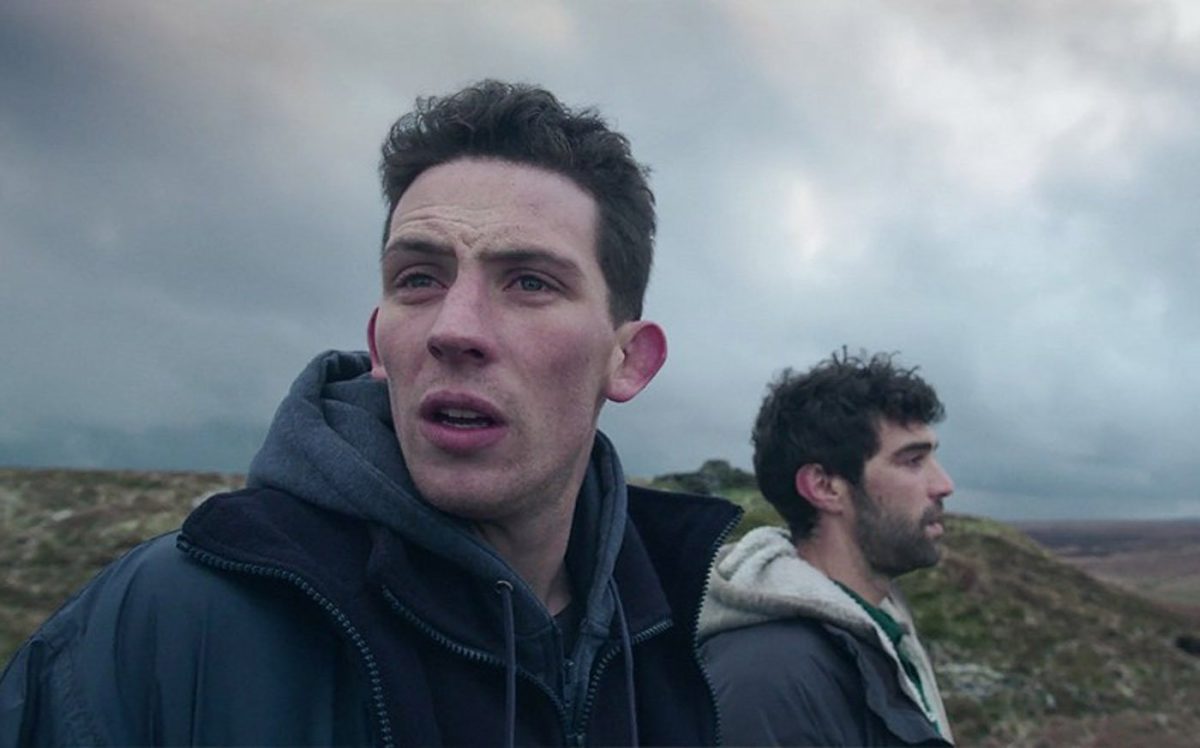
Francis Lee’s “God’s Own Country” is one of the earliest projects in Josh O’Connor’s filmography that put him in the limelight. The film earned him a few accolades, including a British Independent Film Award. It’s an emotionally draining drama that presents him as Johnny Saxby, a lonely sheep farmer stuck to the only way of life he knows how to live. That changes when Gheorghe Ionescu (Alec Secareanu) arrives on their farm.
Johnny seems caught under the weight of his stubbornness, among other self-imposed burdens. Gheorghe offers him freedom and a potential for freedom. Yet, the tragedy breeds through his anguish, partially stemming from his struggle with self-acceptance. O’Connor makes Johnny’s restlessness and tragic desperation feel palpable.
Some reports state that the actor used a method-acting approach by working with an actual Yorkshire farmer. It may have helped him internalize the pains of this wretched character. No matter what the process, he captures Johnny’s reserved physicality, battling his own resistance to change. That sharpens the edges of this classic queer romance tale, which informs us through unspoken words and unrequited emotions.
Dig Deeper: The Perfect Intersectional Gay Romance in ‘God’s Own Country’
3. The Mastermind (2025)
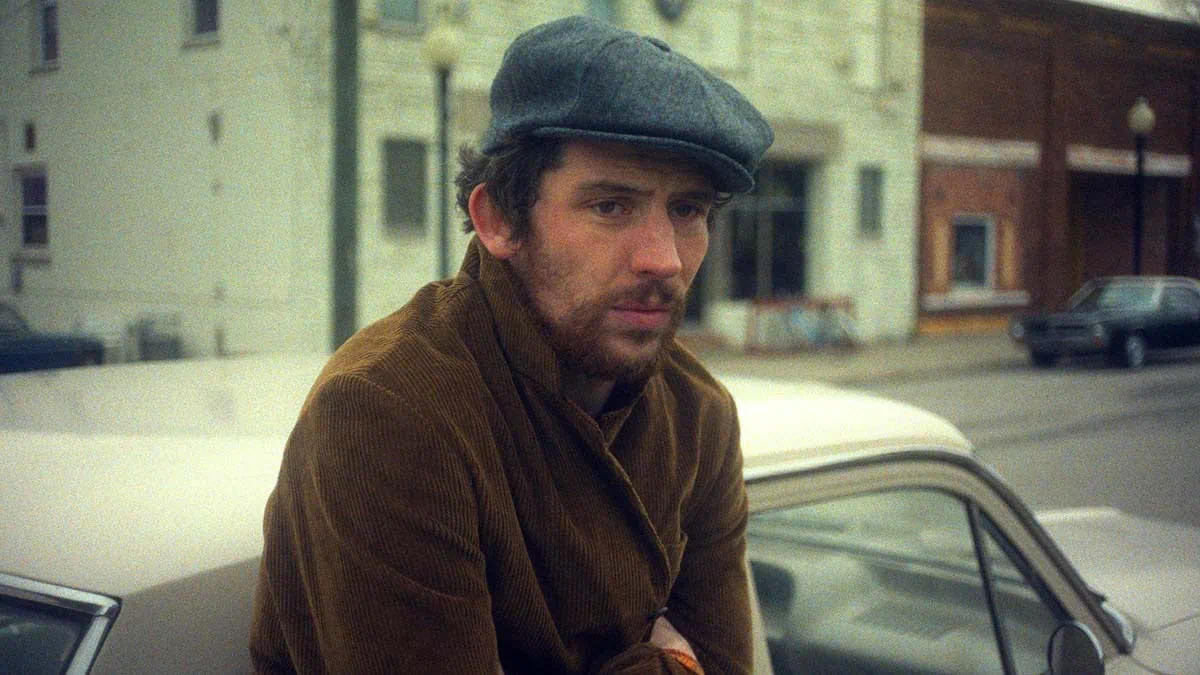
“The Mastermind” is technically a heist film, but writer-director Kelly Reichardt doesn’t frame it in the conventional framework of the genre. Some may consider her approach Bressonian, stripped of usual forms of exposition, and focused on physical movements, letting them guide us into the mind of her protagonist. That leaves Josh O’Connor with the task of fleshing out the psyche of someone failing on almost every conceivable level.
O’Connor plays J.B. Mooney, an unemployed family man with a wife and two sons, struggling to find a footing. He comes from a fairly privileged family in suburban Massachusetts, which seems to make him emotionally incapable of accepting struggle as a part of life. Thus, he resorts to an easy way out of his misery, refusing to divorce himself from his youthful naiveties. Reichardt places him in the 1970s, but mainly as a bystander in the rising anti-war movements.
O’Connor strikes a tricky balance of conveying J.B.’s undying hope in himself while showing the pathetically leechy, sad sack that he remains till the very end of his path. He makes us empathize with this man caught in a rabbit hole of (largely) self-inflicted misery, refusing to accept defeat despite every sign saying otherwise. That’s even more impressive in this low-key film that rewards you only if you allow it to do so.
2. Wake Up Dead Man: A Knives Out Mystery (2025)

Rian Johnson’s “Knives Out” film series is known primarily for Daniel Craig’s scenery-chewing performance as casually charismatic Benoit Blanc, besides Johnson’s intricate plotting that amuses us with every narrative beat. Hence, it’s difficult to match the level of attention Craig demands on screen through his peculiar style of delivery. Josh O’Connor somehow manages it in “Wake Up Dead Man: A Knives Out Mystery” with suave ease.
O’Connor plays Fr. Jud Duplenticy, a boxer-turned-priest, who seeks redemption through the forgiving nature of faith. He steps into the holy space with a strong hope for change while holding on to the muscle memories and his fighter instincts. It’s a role complicated through this implicit duality. O’Connor aces the challenge of depicting it, subtly maintaining a boxer’s physicality beneath his sensitivity, keeping us on the edge, solely through his internal conflict.
In a film ripe with subtext, he conveys all the detail lying beneath his helplessness and anger. So, no moment feels limited to what appears on the surface. Even an admission of guilt can reveal his weariness from the ordeal before the words do. His performance remains similarly layered even in the film’s showier moments, which require him to be more theatrical. That’s how he manages to steal the spotlight even from the industry veterans, while making Johnson’s fascinating contemplation on faith even more rewarding.
Check Out: Wake Up Dead Man: A Knives Out Mystery (2025) Movie Review: A Thoughtful Religious Drama Imbued with Another Rian Johnson Mystery
1. La Chimera (2023)
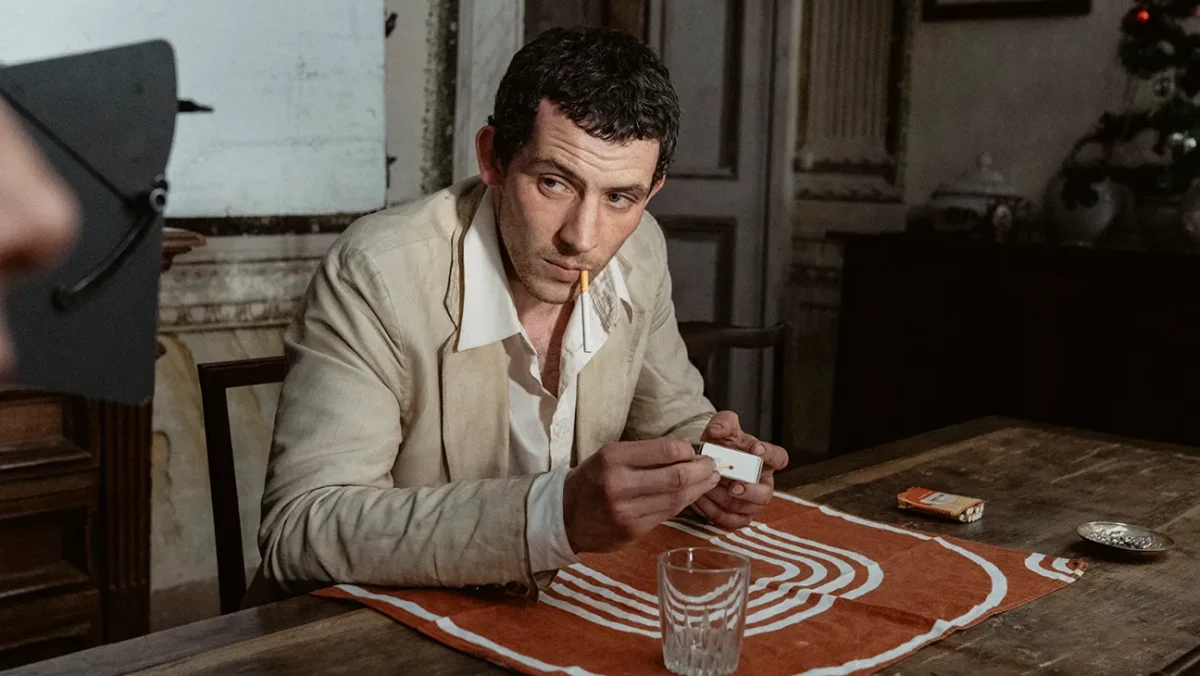
“La Chimera” is a mystical drama that remains in the magical realist realms of Alice Rohrwacher’s style. On paper, it’s a heist film about a motley crew of gravediggers stealing valuables from graves by using an archaeologist’s unique foresight to locate them. Yet, the film is less about the procedural beats of their plans and more about the underlying emotions that compel them to go on these risky adventures or pull them away.
Rohrwacher uses it as a canvas to offer a critique of the contemporary world, while also delivering a soulful reflection on the nature of memories. Josh O’Connor becomes the anchor of this tale. He lets us in on Arthur’s lingering grief even through fleeting glimpses into Arthur’s internal life. He is utterly captivating as this eternal traveller, who seeks purpose in ways driven by his impulses, even if they do him more harm than good.
There’s a fascinating story behind how O’Connor ended up in a Rohrwacher film after trying to send her letters, hoping to work with her after being taken by her 2018 film, “Happy as Lazzaro.” Years later, we see him playing a hopeless romantic in this film, divorced from the romantic cliches and the usual expectations of modern civilization. He takes Rohrwacher’s already gorgeously dreamy work to another height.