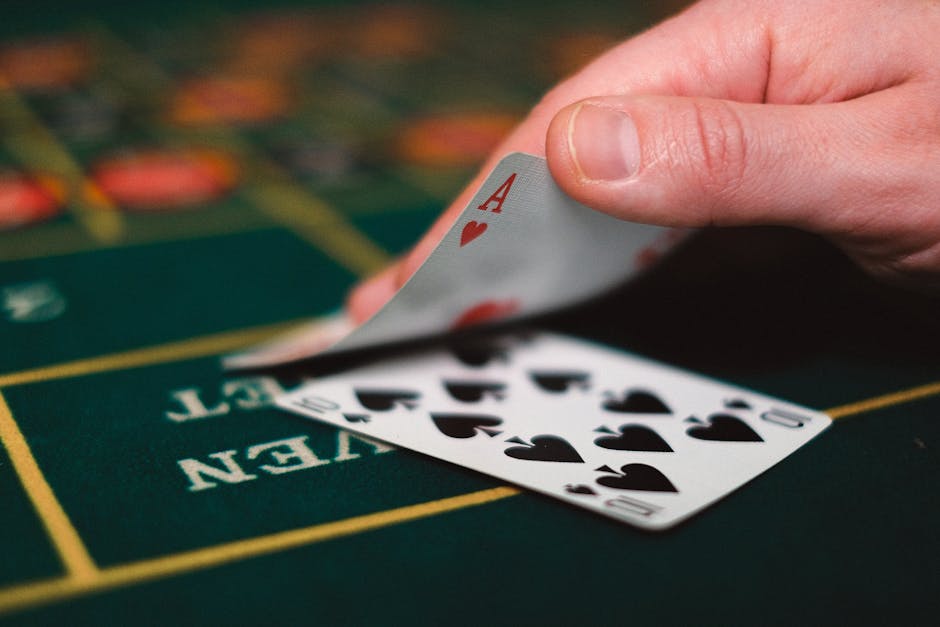
Card counting in movies is filmed like a superpower. A character watches a few cards fall, the soundtrack tightens, and the next decision lands with the certainty of a plotted twist. The break from reality is not about the math the character is doing. It is about the confidence they show. Real counting lives inside ranges, not guarantees, so films use editing, sound, and selective focus to turn probability into prophecy.
From Montage To Real Table Rhythm
If you have ever watched a blackjack scene and thought, “No one could do that,” you are usually reacting to the filmmaking, not the concept. Cinema compresses time, removes dead air, and spotlights only the memorable cards. That choice makes the skill look like mind-reading. However, if you learn what the counter is tracking, you’ll get a better understanding of what’s really going on.
Counting scenes are really scenes about pace. Directors cut away the waiting, then stitch together the best moments until the table feels like a sprint. In real play, information arrives in small pieces, and most moments are quiet, which is exactly where attention gets tested.
If you want a grounded reference point for that rhythm, it helps to see blackjack presented without the film’s fast-forward button, and you can do this by joining a game yourself, or playing in demo mode if you prefer. The Thunderpick casino platform provides various blackjack titles, but all of them offer the same core game, allowing you to get a feel for the speed at which the game tends to play. Cards arrive one beat at a time, choices happen in short bursts, and then you are back to waiting.
That cadence is what cinema reshapes. A director will cut from reveal to reveal, collapse several rounds into a single breath, and use close-ups to imply that every card matters equally. Compare that stylized rhythm to a real flow, and you can see why the myth sticks. The skill looks like instant certainty because the film has removed the empty time where a person might miss a card or lose the thread. To feel what gets cut, spend a few minutes simply watching the rhythm on Thunderpick casino and notice how much of the experience is waiting, not calculation. Options like turning on push notifications help to build that real-time feeling into a digital game, but either way, the flow feels similar.
View this post on Instagram
Hi-Lo Explained Without the Superpower Edit
Hi-Lo comes up so often because it is easy to explain and easy to dramatize. It sorts ranks into three buckets so a person can keep a running tally without heavy arithmetic. Low cards (2 through 6) are treated as one signal. High cards (10, face cards, and aces) are treated as the opposite signal. The middle ranks (7 through 9) are neutral. As cards appear, the counter updates a single number in their head. That number is not a prediction. It is a snapshot of what has been seen so far.
Movies usually skip the part that makes this feel less mystical and more realistic: context. The same running number can mean different things depending on how many decks are in play and how much of the shoe has already been dealt. Miss a card, and your mental story can drift. Get distracted, and your “genius” moment becomes guesswork. Films rarely show drift because drift is hard to sell in a close-up.
What Movies Exaggerate and What They Quietly Get Right
When a film gives you a voiceover that sounds like certainty, treat it like any other cinematic device. It is there to characterize. It tells you the person is composed while everyone else is rattled. It tells you they can hold a thread in their head while the room tries to break it.
You can see the difference in how films stage the moment. 21 frames counting as teamwork, timing, and cover stories, rather than a lone genius doing magic in public. Rain Man uses counting as a character beat, not a skill to copy.The Card Counter leans into repetition and restraint, which is closer to how “keeping the thread” actually feels than any montage of flying numbers.
A 30-Second Lens For Any Counting Scene
When you rewatch a counting moment, pause twice: once at the first close-up of cards, and once right before the big decision. Ask three questions. What information has the character actually seen? How much time did the edit remove between reveals? What emotion is the scene selling: control, panic, or composure? If you answer those, you can judge realism without needing math. You are reading filmmaking choices, not chasing a magic trick. Then compare that rhythm to a real table, and you’ll have a sense of what’s really possible and what is the magic of the silver screen.