The historical epic Desert Warrior arrived in North American theaters on April 24, 2026. It had a famous star in Anthony Mackie, an acclaimed director in Rupert Wyatt, and a budget that topped 150 million. Saudi Arabia built this film to launch its national film industry on the global stage.
But when the numbers came in, the results were devastating.
The movie made just 487,848 across over 1,000 screens. That works out to a per-screen average of only 483.
Those numbers rank among the worst wide-release openings in modern box office history. By comparison, the Michael Jackson biopic Michael earned over 100 million on the exact same weekend.
This is the story of how a 150 million epic became one of the biggest flops ever made.
Why This Flop Belongs in the Record Books
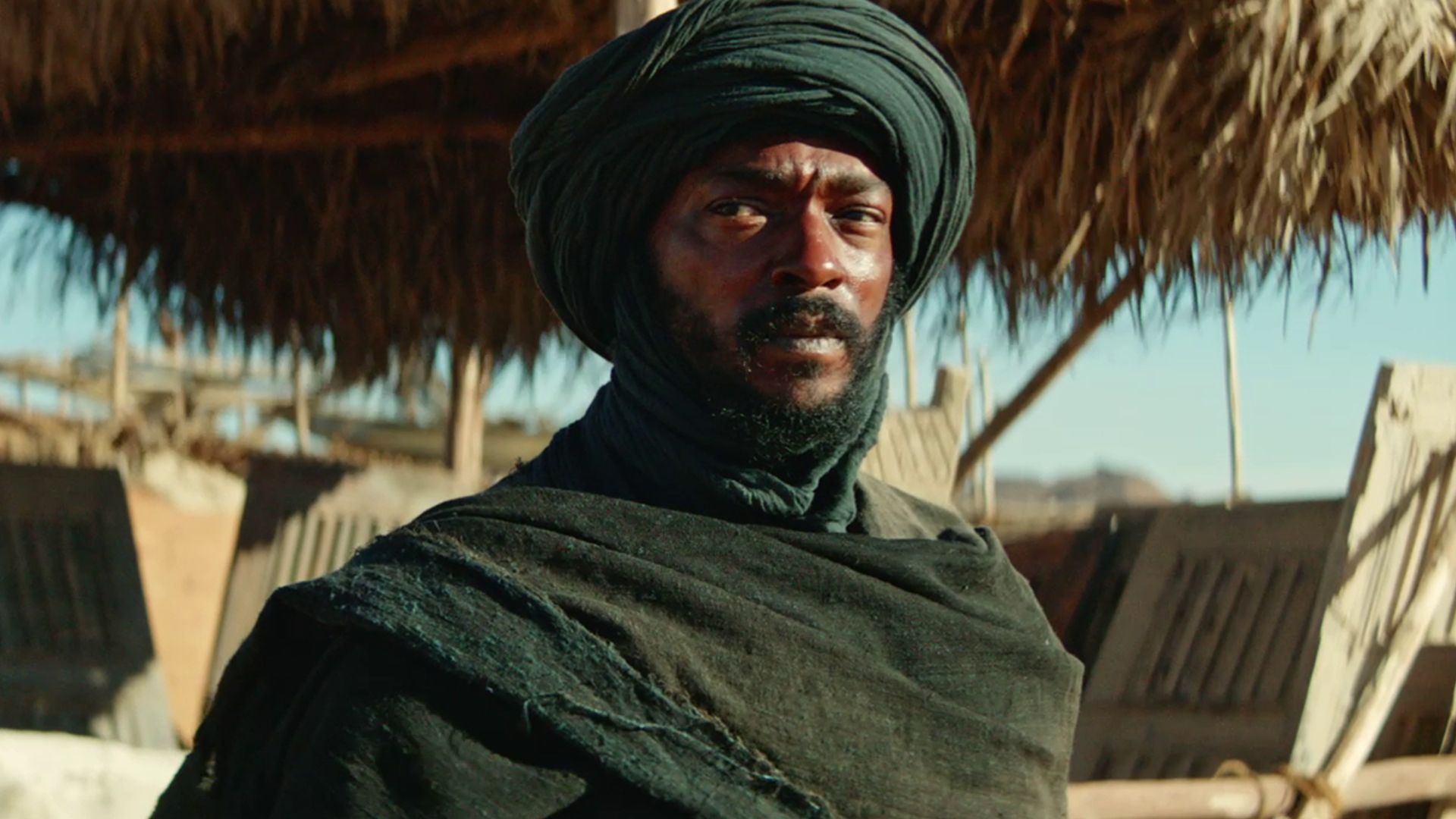
The budget is the main reason Desert Warrior will be remembered as a historic failure.
The film originally had a planned budget of about 70 million. But the COVID-19 pandemic drove costs higher, and the budget ballooned to a staggering 150 million. Some reports suggest the final price tag might have climbed even higher.
To break even, the movie would need to earn roughly 375 million worldwide. At its current pace, it will be lucky to clear 3 million in the United States.
For context, famous flops like The Adventures of Pluto Nash made 7.1 million worldwide on a 100 million budget. The 13th Warrior took in less than 62 million worldwide on a budget as high as 160 million.
Desert Warrior is not just a bad opening. It is already being discussed alongside those legendary failures. Unless the film unexpectedly finds a huge audience overseas, it will likely go down as the single biggest bomb of 2026.
A Plot That Could Not Save the Film
The movie is set in seventh-century Arabia.
Princess Hind, played by Aiysha Hart, refuses to become a concubine to the ruthless Emperor Kisra, played by Ben Kingsley. Hunted by a mercenary named Jalabzeen, played by Sharlto Copley, she flees into the desert with her father.
There, she enlists the help of a legendary bandit played by Anthony Mackie.
The story is loosely based on real tribes and historical events. Visually, the film is stunning. The team used 12,500 extras and shot in the vast deserts of NEOM and Tabuk.
But critics widely agree that the beautiful scenery could not hide a dull and uneven story.
Harsh Reviews and Terrible Audience Scores
The critics were not kind.
On Rotten Tomatoes, Desert Warrior holds a score between 27 percent and 31 percent. Metacritic gave the film a score of 41.
Reviewers praised the landscapes but called the film boring and forgettable. IndieWire described it as a blandly gorgeous two-hour commercial for the Saudi Arabian film industry. The Hollywood Reporter noted that the arid settings on screen were not nearly as arid as the turgid narrative.
Audiences also hated it.
The film has a devastating IMDb score of 1.9 out of 10. That is worse than Cats and makes it the lowest-rated movie of Anthony Mackie’s entire career.
A Troublesome Production From Start to Finish
The failure of Desert Warrior was years in the making.
The film began shooting in late 2021. It was the first tentpole movie to film at NEOM, Saudi Arabia’s massive new media hub. But the construction at NEOM was not finished. The crew had to build a temporary soundstage in a hotel parking lot.
Worse yet, director Rupert Wyatt walked away from the project during editing because of intense creative differences. The financiers at MBC Studios reportedly wanted a Braveheart-style action movie. Wyatt wanted something more nuanced.
Wyatt eventually returned to finish the editing, but the damage was done. The chaotic post-production took years to complete.
The film did not even premiere until its gala screening at the Zurich Film Festival in September 2025, more than three years after filming ended.
The Political Timing Could Not Have Been Worse
Adding to the problems, the film launched at a terrible political moment.
The ongoing Israel-Hamas war created a very difficult climate for a Middle Eastern epic financed by Saudi Arabia.
As one insider told Vulture bluntly, there is no audience for this movie after the Israel-Hamas war.
The film was widely rejected by audiences in the Middle East and North Africa who might have been its natural supporters at the global box office.
No Easy Answers for the Saudi Backers
Desert Warrior is a case study in how not to launch a national film industry.
The backers at MBC Studios dreamed of challenging Hollywood. But they now face a financial disaster of historic proportions. Vertical Entertainment, which bought the U.S. rights, is a small distributor that could not mount the kind of marketing campaign needed to save a 150 million epic.
Unless international audiences in the coming weeks defy all reasonable expectations, this film will be remembered as one of the most expensive and embarrassing failures in cinema history.
Courtesy: Slash