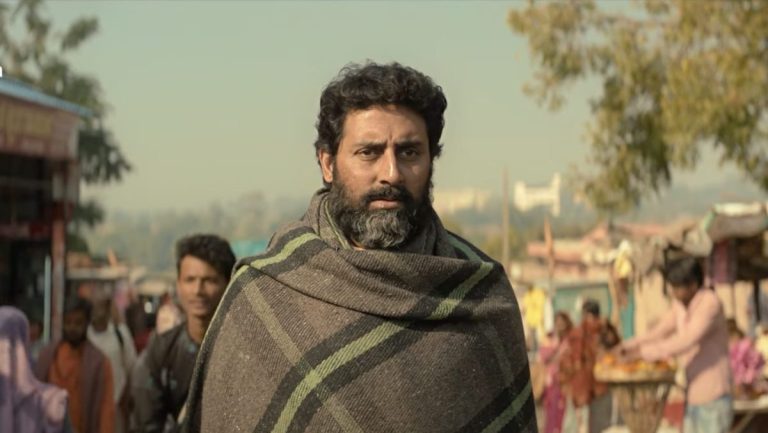
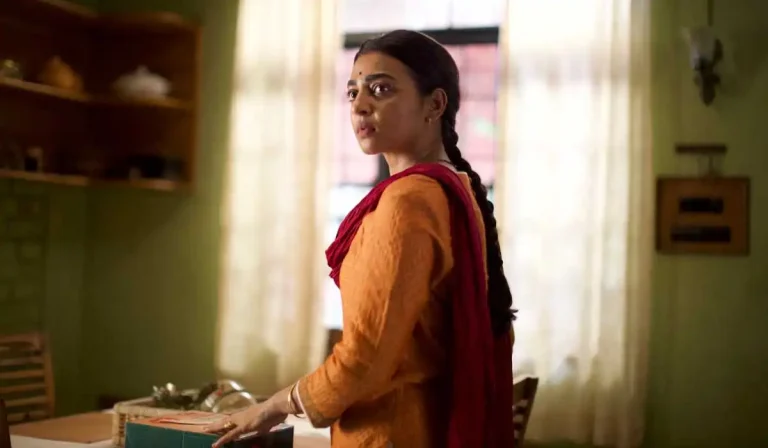
Everyone in “Go” (1999) is constantly moving toward something without really understanding why. Money, sex, drugs, excitement, escape, survival. The characters talk fast, lie casually, panic suddenly, and keep stumbling into situations that become far bigger than they were supposed to be. At first, the movie feels almost random. A drug deal goes wrong. A trip to Las Vegas spirals out of control. Two soap opera actors get trapped in a police sting operation that somehow turns into a bizarre Christmas dinner conversation about pyramid schemes. But the more the stories overlap, the clearer the film’s real idea becomes.
Nobody here is evil in a traditional sense. Most of them are just improvising their way through adulthood. They are broke, impulsive, lonely, insecure, or bored. Every bad decision begins as a temporary solution to a small problem, and then the night keeps stretching longer and stranger. By the end, the movie almost feels less like a crime comedy and more like a portrait of people trying to survive the chaos they accidentally created themselves.
Spoilers Ahead
Go (1999) Plot Summary & Movie Synopsis:
Why Does Ronna Decide to Enter the Drug Deal Even Though She Clearly Knows It’s Dangerous?
Ronna’s story begins with desperation rather than greed. The film quietly frames her differently from many of the other characters. She is not chasing excitement. She is trying to avoid eviction during Christmas with almost no money left. Working overtime at a supermarket already makes her feel trapped inside a life that is going nowhere.
When Adam and Zack approach her looking for ecstasy pills, they normally buy from Simon, but she sees what looks like a temporary escape route: Fast money, one deal. One risky night could solve a humiliating financial problem. But what makes Ronna interesting is that she is not naturally built for criminal confidence.
Throughout the film, she keeps acting tougher than she actually feels. You can sense her anxiety underneath nearly every conversation once the drug deal begins. When she goes to Todd Gaines for the pills, the imbalance between them is obvious immediately. Todd feels comfortable inside this world. Ronna does not.
Even the fact that she has to leave Claire behind as collateral shows how little power she truly has in the situation. Still, she keeps moving forward because embarrassment and fear are quietly stronger motivators than caution. The movie understands something uncomfortable about financial desperation: once people feel cornered, they start rationalizing risks they normally would never take, and from there, the entire night begins collapsing piece by piece.
Why Does Ronna Flush the Drugs Instead of Completing the Sale?
The bathroom scene becomes one of the film’s most important turning points because it reveals how instinctive fear overrides planning. When Burke arrives with Adam and Zack during the deal, Ronna immediately senses something is wrong. The tension in the room changes. Burke pushes too aggressively.
The atmosphere stops feeling like a casual transaction and starts feeling controlled. Ronna does not have proof that it is a sting operation, but she understands enough to panic. So she flushes the ecstasy pills down the toilet before anyone can arrest her. Technically, this saves her from immediate disaster. But emotionally, the decision traps her even deeper because now she owes Todd money she cannot repay.
What makes the moment darkly funny is how quickly survival logic becomes irrational logic afterward. Instead of walking away entirely, Ronna decides to replace the drugs with stolen over-the-counter pills and pretend nothing happened. The movie keeps showing people making decisions that are obviously terrible from the outside, yet emotionally understandable in the moment. Ronna is terrified of Todd. So her brain keeps choosing whichever option postpones catastrophe for another few hours. That becomes the entire rhythm of the film: instead of solving problem they delay consequences.
Why Does Todd Feel More Dangerous Than the Film Initially Suggests?
At first, Todd almost seems amusing. Timothy Olyphant plays him with a strange, laid-back charm that makes him feel less like a traditional movie gangster and more like someone who genuinely enjoys the absurdity around him. But that relaxed energy slowly becomes unsettling because Todd operates according to instincts nobody else fully understands. He can flirt casually one minute and pull out a gun the next without emotionally changing at all. The reason he becomes so threatening is that Ronna and her friends still treat the night like a game long after Todd stops treating it that way.
For Todd, the fake pills are not just an inconvenience. They are disrespectful. They threaten his reputation and his control. Once he realizes Ronna tricked him, the film’s tone subtly shifts underneath the comedy. The danger becomes real. Yet even Todd is not portrayed as purely monstrous. That is part of what makes the movie feel oddly human beneath the chaos.
Todd is reckless and violent, but he also seems emotionally detached from the destruction he causes. He drifts through the night, almost like another lost young person who simply wandered further into criminality than the others did. The film never romanticizes him, though. The gun in the parking lot reminds everyone suddenly that consequences do exist, even inside a movie built around coincidence and comedy.
Why Does Simon’s Las Vegas Story Feel So Different From Ronna’s?
When the film rewinds and shifts perspective toward Simon’s trip to Las Vegas, everything suddenly becomes louder, faster, and more ridiculous. That tonal change is intentional because Simon represents a completely different kind of recklessness than Ronna. Ronna fears instability. Simon practically lives for it. The Vegas sequence feels almost disconnected from reality at times.
Hotel fires, stolen Ferraris, strip clubs, accidental shootings, violent bouncers chasing them across the city. The events become increasingly absurd because Simon treats life itself like a temporary performance with no lasting consequences. But underneath the comedy, Simon’s behavior is surprisingly empty. He keeps chasing stimulation because stillness would probably force him to confront how directionless he actually is.
Marcus functions as an important contrast here. He follows Simon through the madness, but you can sense growing exhaustion underneath his loyalty. Simon drags everyone around him into chaos because he mistakes impulsiveness for freedom. Even the stolen Ferrari captures this idea perfectly. The car is not stolen through some elaborate criminal plan. Marcus is simply mistaken for a valet, and instead of correcting the misunderstanding, they take the opportunity and run. Such impulsive opportunism defines nearly every storyline in the movie. People keep crossing invisible moral lines simply because the moment allows it.
Why Are Adam and Zack’s Scenes So Strange Compared to the Rest of the Film?
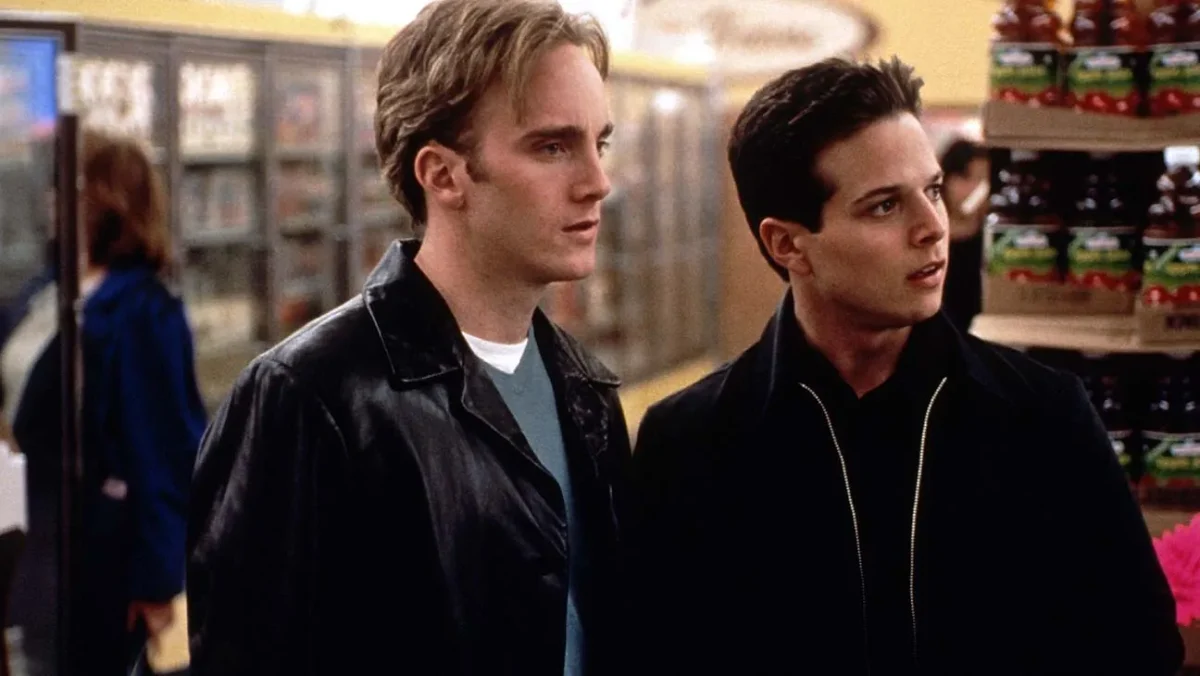
Adam and Zack’s storyline almost feels like a different movie at times, especially once Detective Burke invites them to Christmas dinner. The scenes are hilarious, but there is something deeply uncomfortable underneath them, too. At first, Adam and Zack seem relatively stable compared to everyone else.
They are successful actors, they love each other, and they only become involved in the drug situation because Burke pressures them into cooperating after their arrest. But the deeper they enter Burke’s world, the more artificial everything begins to feel. Burke and Irene’s obsession with their multi-level marketing scheme turns the dinner conversation into something bizarrely sinister. The entire sequence works because everyone is constantly pretending.
Burke pretends to be morally authoritative despite manipulating people professionally. Irene pretends their marriage functions normally while casually discussing infidelity. Adam and Zack pretend their relationship is stable while secretly hiding betrayals from each other. The film keeps exposing how fragile everyone’s identities really are. Ironically, the drug sting itself almost becomes secondary.
The real emotional collapse happens when Adam and Zack realize they both cheated with the same man. Suddenly, their relationship starts unraveling in the middle of all this external chaos. The revelation matters because the movie quietly connects emotional dishonesty with criminal dishonesty. Nearly every character spends the night performing versions of themselves instead of confronting reality directly.
Why Does the Car Accident Become the Film’s Most Important Moment?
Near the end, all the storylines finally crash together literally. When Adam and Zack accidentally hit Ronna with their car outside the rave, the movie suddenly strips away its playful energy for a moment. Panic takes over completely. What makes the scene fascinating is how selfish fear transforms otherwise decent people almost instantly.
Instead of helping Ronna immediately, Adam and Zack focus on protecting themselves. Then they see Todd nearby holding a gun, which makes the situation even more confusing and terrifying, so they drive away. The choice reveals one of the film’s central ideas: morality becomes unstable under pressure. Most people imagine they would behave ethically during crises, but fear usually arrives before morality has time to organize itself.
The wire Adam still wears afterward becomes almost darkly symbolic. He has spent the night secretly recording criminal behavior for the police, but now he himself is terrified of being implicated in something terrible. Everybody in the movie keeps drifting between victim and accomplice depending on the moment.
And yet, despite the panic, the film still refuses complete cynicism. Adam and Zack eventually return because guilt starts overwhelming fear. They are flawed, selfish, frightened people, but not completely heartless. The emotional messiness is what gives the film surprising depth beneath all the comedy.
Go (1999) Movie Ending Explained:
Why Does the Ending Feel Weirdly Hopeful After So Much Chaos?
The ending of “Go” does not resolve everything neatly because the movie was never really about justice or punishment in the first place. Most of the characters technically survive their disasters. Ronna wakes up in the hospital, injured but alive. Simon avoids being killed by agreeing to get shot in the arm instead. Todd calms down enough to flirt with Claire on the staircase. Manny survives his horrifying ecstasy experience, abandoned in an alleyway. Objectively, things could have ended far worse for everyone involved. But emotionally, the ending feels strange because nobody truly learns a clean moral lesson either. The characters simply keep going.
The final scene with Ronna, Claire, and Manny carries an oddly tired warmth to it. Dawn arrives. We see the madness of the night is finally slowing down. Manny asks what they are doing for New Year’s, almost like the previous twenty-four hours were just another bizarre story they survived together, and in a way, that is exactly what the film is saying about youth. When you are young, disaster and comedy often blur together. People make reckless choices because consequences still feel abstract until suddenly they do not. Entire friendships form around surviving stupidity together. Nights become stories before they even fully end.
But beneath the humor, the film also hints at something sadder. Most of these characters are emotionally drifting. They are improvising adulthood without stability, purpose, or much certainty about who they want to become. Ronna’s final comment about finally being able to pay rent sounds small, but it matters because her original goal was never glamour or excitement. It was survival. After everything that happened, she basically ends up back where she started, emotionally exhausted, bruised, and still working at the same grocery store.
The difference is that now she has seen how quickly ordinary desperation can spiral into violence and chaos. The ending is hopeful in the sense that nobody loses themselves completely. People still care about one another underneath the lies and panic. Even Claire, arguably the most emotionally grounded character in the movie, becomes the one person willing to stop the violence before it escalates into murder.
But the hopefulness feels temporary rather than transformative. The movie understands that these characters will probably continue making mistakes. Simon will probably keep chasing chaos. Ronna will likely remain financially unstable. Adam and Zack’s relationship may never fully recover from the night. Life simply moves forward anyway.
And that may be why the film still feels strangely honest decades later. Beneath all the fast editing, overlapping timelines, and comedy, “Go” is really about people stumbling through confusion while pretending they are in control. Nobody is entirely innocent. Nobody is entirely doomed either. They are just young enough to believe they can outrun consequences for one more night.