Grizzly Night (2026) presents itself as a familiar creature-feature survival film, yet its real subject is confidence placed where it does not belong. The film opens without bloodshed or spectacle. It opens with conviction. Nearly every human character shares the same belief: that nature remains manageable as long as people think they understand it. The archival-style opening footage reinforces this illusion, framing the grizzly bear as something exotic, mystical, and inherently threatening. Over time, the film quietly inverts this framing. The bears do not cross into human space. Humans cross into theirs.
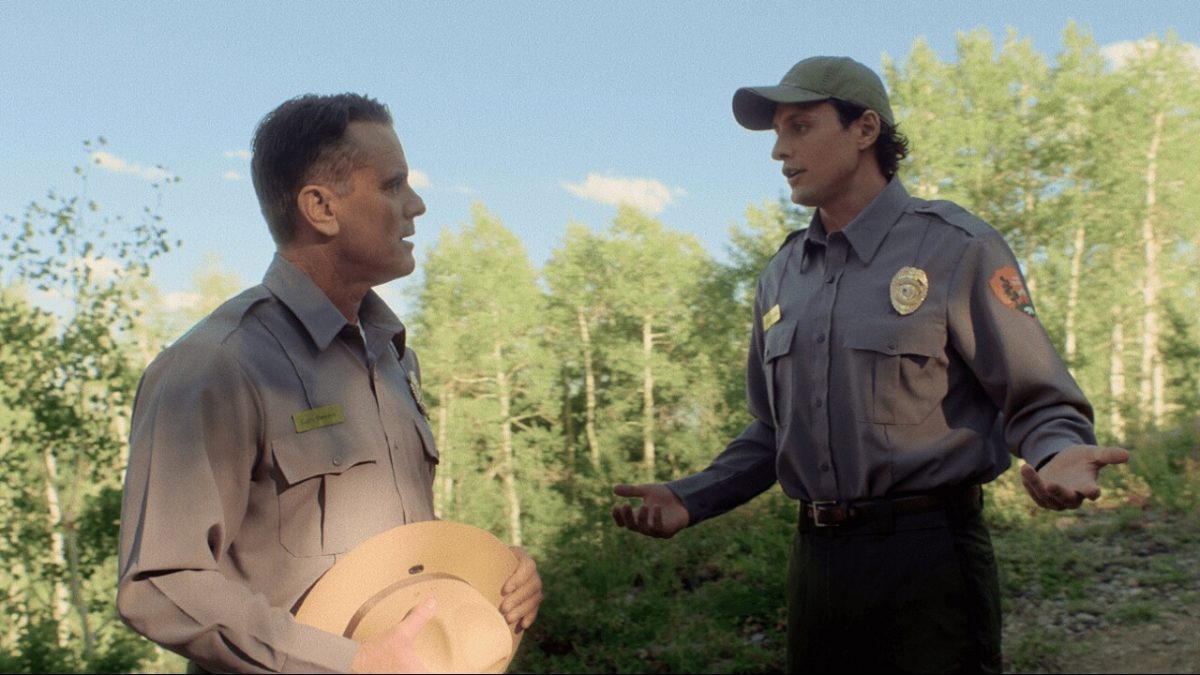
Glacier National Park is stripped of its postcard identity and reshaped into a testing ground, a place where belief systems collide with reality. Different groups arrive carrying different assumptions, yet all mistake wilderness for a controlled experience rather than a living, responsive ecosystem. Joan Devereux, the rookie ranger, embodies institutional optimism, a faith in procedures and protocols. Senior Ranger Gary Bunney represents institutional confidence, built on years of familiarity that have hardened into certainty. The tourists operate in denial, treating danger as an abstraction. The young campers move through the park with innocence tempered by arrogance, assuming enthusiasm is a substitute for awareness.
Each group encounters the same warning signs and interprets them differently, yet they are united by a single expectation: that consequences will remain theoretical. The film’s tragedy does not hinge on the moment of attack. It takes shape long before that, in the accumulation of ignored signals, dismissed cautions, and misplaced faith. Everyone is warned. What follows feels inevitable, not because nature turns violent, but because certainty proves more dangerous than fear.
Spoilers Ahead
Grizzly Night (2026) Plot Summary & Movie Synopsis:
What is the Significance of the Girl Scouts’ Warning?
Before any character we follow steps into danger, the film gives the audience information that the characters choose to minimize. A local woman walks into the ranger station carrying a handwritten report about a recent grizzly encounter involving a group of Girl Scouts. The girls survived only because their leader distracted the animal.
This moment matters because it establishes the first moral decision of the story. Joan listens sincerely. She is not dismissive. She is inexperienced and follows procedure by reporting it upward. But she also reassures the woman that no attacks have occurred in fifty years. Her reassurance is not malicious; it is an inherited belief. She trusts the park’s history more than the present warning.
Gary Bunney’s meeting immediately reveals why the warning is ignored. The rangers are preoccupied with forest fire watch after a thunderstorm. Fires are visible, measurable threats. Bears are unpredictable and therefore easier to psychologically postpone. The park itself is operating under quite economic pressure. Granite Park Chalet is open to tourists to increase revenue. This changes the role of rangers from wildlife protectors into guides and hosts. The warning about bears, therefore, becomes inconvenient information. Acknowledging it would require closing trails and limiting visitors.
The film subtly shows the first failure: not ignorance, but prioritization. The rangers do not deny the possibility of bears. They simply decide it is less urgent than maintaining normal operations. The audience understands that the attack does not begin in the forest. It begins at the desk, when a warning is categorized as unlikely rather than possible.
Why Does Roy Survive While Julie Doesn’t?
Julie Helgeson lies to her mother about going camping with a group. She wants privacy with Roy. This small personal decision places her in the most vulnerable situation possible, isolated, unprepared, and away from any help. Julie’s motivation is emotional. She is trying to claim independence and intimacy at the same time.
Roy, meanwhile, is focused on romance, not safety. Neither of them thinks about wildlife because they subconsciously see the park as a recreational setting, not an ecosystem. When they sleep outside in open sleeping bags, they are following an idea of camping rather than survival logic. Their belief about playing dead is also important. They rely on second-hand wilderness advice rather than understanding animal behavior. The film emphasizes that misinformation can be as dangerous as recklessness.
The attack happens suddenly. The bear does not stalk them like a horror villain. It simply encounters two humans occupying its nighttime territory. Julie is dragged away because she is the most accessible target. Roy is mauled but survives. Roy’s survival is narratively important. He spends his remaining strength reaching other campers. His first concern is not his injuries but Julie.
He repeatedly begs others to rescue her. This reveals genuine care, but also reinforces the film’s theme: love does not equal preparedness. Emotion cannot substitute for knowledge in a survival situation. Roy reaches Don and two chalet guests because he moves toward light and human presence. Survival here becomes accidental rather than heroic. The others cannot help him medically, and they refuse to search for Julie immediately.
Their decision seems cruel, but it is actually rational. Entering a dark forest where a bear has just attacked would likely create more victims. The film presents its first moral dilemma: saving someone immediately may kill more people. Joan’s response changes her role in the narrative. Up to this point, she has been an administrative ranger.
Now she becomes a crisis leader. She organizes volunteers, contacts Gary, and coordinates a helicopter evacuation. Lighting barrels to create a landing strip shows humans trying to impose order on chaos. Roy survives because humans can treat wounds. Julie does not because time is the only resource humans cannot restore. By the time Joan’s team tracks her blood trail hours later, the rescue has already turned into recovery.
When Julie is found alive but mortally injured, the film slows down emotionally. Dr. Lindberg attempts treatment, but Julie’s body is beyond help. Her complaints about feeling cold indicate shock and imminent death. Her death is not violent on screen. It is quiet and inevitable. Julie becomes the emotional turning point. For Joan, the event destroys her earlier reassurance. The ‘fifty-year safety’ she repeated, becomes meaningless. She realizes her job was never guiding tourists. It was anticipating danger.
Why Were the Bears Attacking Humans?
While the rangers are focused on Julie’s incident, a second group repeats the same mistakes at Trout Lake. Michele, Paul, Denise, Ronnie, and Raymond encounter a bear earlier in the day when it eats their food. This is the clearest warning in the entire film. The bear has already learned that humans mean food. Paul and Michele attempt to scare it away, believing noise equals control. The bear leaves, which reinforces their false confidence. The group interprets the retreat as resolution rather than temporary behavior. At night, they sleep in the same location. The decision seals Michele’s fate.
When the bear returns, everyone escapes except Michele because her sleeping bag zipper jams. Her death is portrayed as a random misfortune, but the film suggests otherwise. The real cause is the group’s assumption that the afternoon encounter was finished. Paul’s character becomes tragic here. He wanted the trip to confess feelings to Michele. Instead, he witnesses her being dragged away and can do nothing. His helplessness mirrors Roy’s earlier experience. Both men love someone they cannot save, but for different reasons: Roy lacked time; Paul lacked foresight.
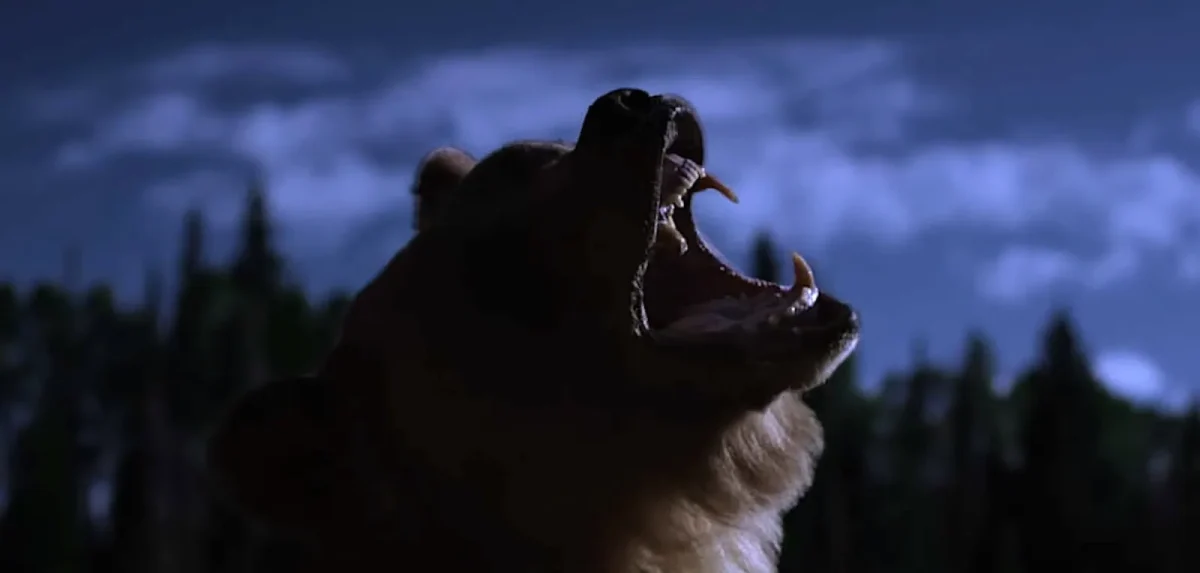
The next morning, they find Michele dead. The repetition of two separate attacks shows the pattern the authorities missed: this was not a singular rogue event but a behavioral response from wildlife conditioned by human activity. The film refuses to present the bears as villains. Instead, it gradually reveals environmental causes. The chalet manager leaves garbage bags outside instead of burning them. The incinerator is too small, and burning trash overnight is inconvenient. More importantly, visible bears attract tourists. The park becomes popular because visitors can see wildlife up close.
This decision teaches bears that humans equal food. The rangers also know a rogue grizzly is in the Trout Lake area, but do not close it because attention is focused on tourist zones. Institutional priorities override preventive action. In other words, the bears are not hunting humans. They are investigating food sources. Humans simply happen to be nearby. The attacks, therefore, represent conditioning. Once wildlife associates campsites with food, nighttime encounters become inevitable. The film’s title suggests a sudden nightmare, but the story reveals a gradual cause.
Grizzly Night (2026) Movie Ending Explained:
Why are the Bears Killed in the Ending?
After the tragedies, authorities shot five grizzlies, including a cub. This action feels like a resolution, but the film frames it as avoidance. Killing the animals provides psychological closure for humans. It creates the impression that the threat has been removed. However, the audience now understands the real problem was behavior, not a specific animal. Joan’s reaction is quiet.
She does not celebrate the killings because she has learned something the institution hasn’t: the bears acted according to instinct, while humans acted against knowledge. The tragedy forces policy changes later, stricter garbage disposal and feeding rules, but these come only after deaths. The film implies the bears paid the price for human denial.
On the surface, “Grizzly Night” is about surviving a wilderness attack. But survival is not the film’s actual question. Every character believes danger is unlikely because it hasn’t happened recently. The fifty-year gap becomes a psychological shield. Humans interpret the absence of recent tragedy as safety rather than luck. Roy survives because he moves toward others.
Julie dies because she is isolated. Michele dies because warning signs were ignored. Joan survives but carries responsibility. Gary acts decisively but too late. The bears, meanwhile, simply behave naturally. The film’s final idea is uncomfortable: the wilderness did not change that night. Human expectations did. The park was never safe. It was temporarily forgiving.
“Grizzly Night” therefore reframes the classic man-versus-nature story. The conflict is not between humans and animals. It is between human confidence and ecological reality. The attacks were not acts of aggression, but consequences. And the real horror is not that bears killed people. It is that people taught bears how.