When news broke that Jafar Panahi had been sentenced in absentia by a Tehran court to one year in prison — alongside a two-year travel ban and a prohibition on joining political or social organizations — it struck as a sharp rebuttal of what many around the world regard as his greatest asset: his voice. The court deemed his actions “propaganda against the state,” a classification that threatens not only him but the very idea of dissent through art. AP News
But to cinephiles, critics, and human-rights advocates worldwide, Panahi remains a filmmaker whose courage transforms repression into art — and whose work gives voice to the voiceless. As reactions to the verdict ripple globally, solidarity is mounting — not just for one man, but for the rights of artists to bear witness.
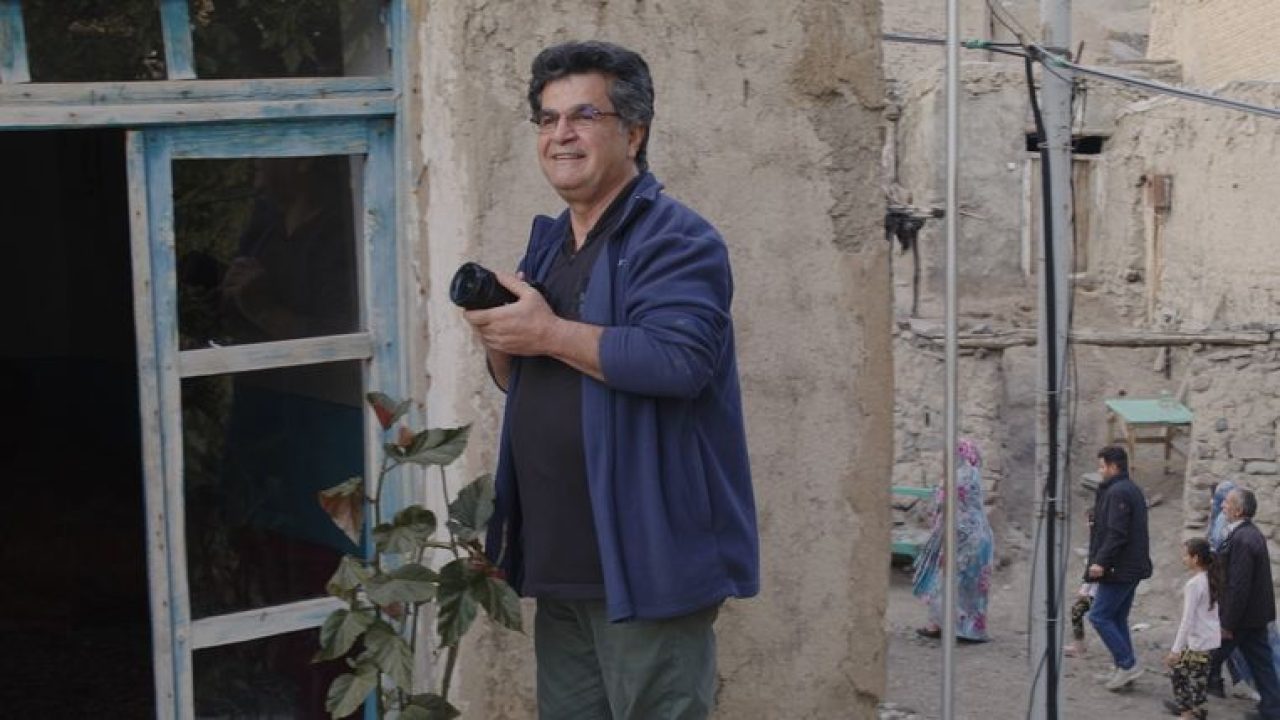
From Repression to Resistance: A Career of Courage
Panahi’s name is intertwined with decades of struggle against censorship. A pioneering voice in Iranian cinema, he first rose to international attention with The White Balloon (1995), winning the Caméra d’Or at Cannes. Encyclopedia Britannica
But the price of truth was heavy. In 2010, after the unrest following Iran’s contested elections, Panahi was arrested — charged with “propaganda against the system.” The verdict: six years in prison, a 20-year ban on filmmaking, travel, public interviews, or any media-related work. Center for Human Rights in Iran
Rather than silence him, the ban ignited a new kind of defiance. Under house arrest, Panahi turned inward and created This Is Not a Film (2011) — a quietly powerful documentary-essay that was smuggled out of Iran and screened internationally. Wikipedia
Over the years, despite repeated pressure, imprisonment, and censorship, he continued to make films clandestinely — each project a testament to the conviction that cinema matters most when it speaks to truth, injustice, and human dignity. The Atlantic
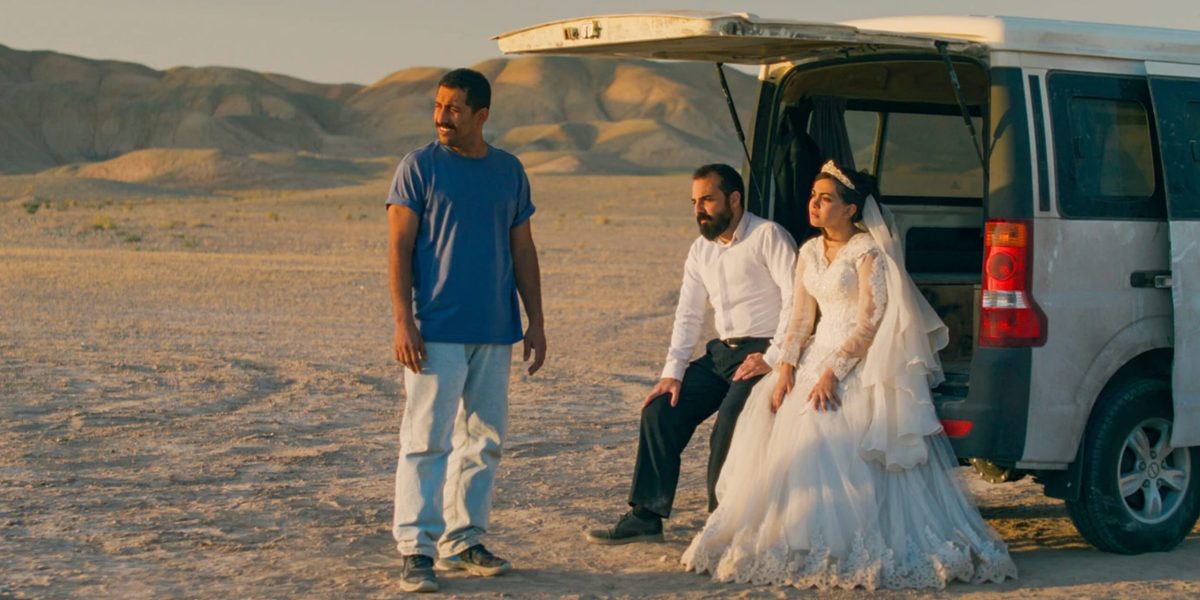
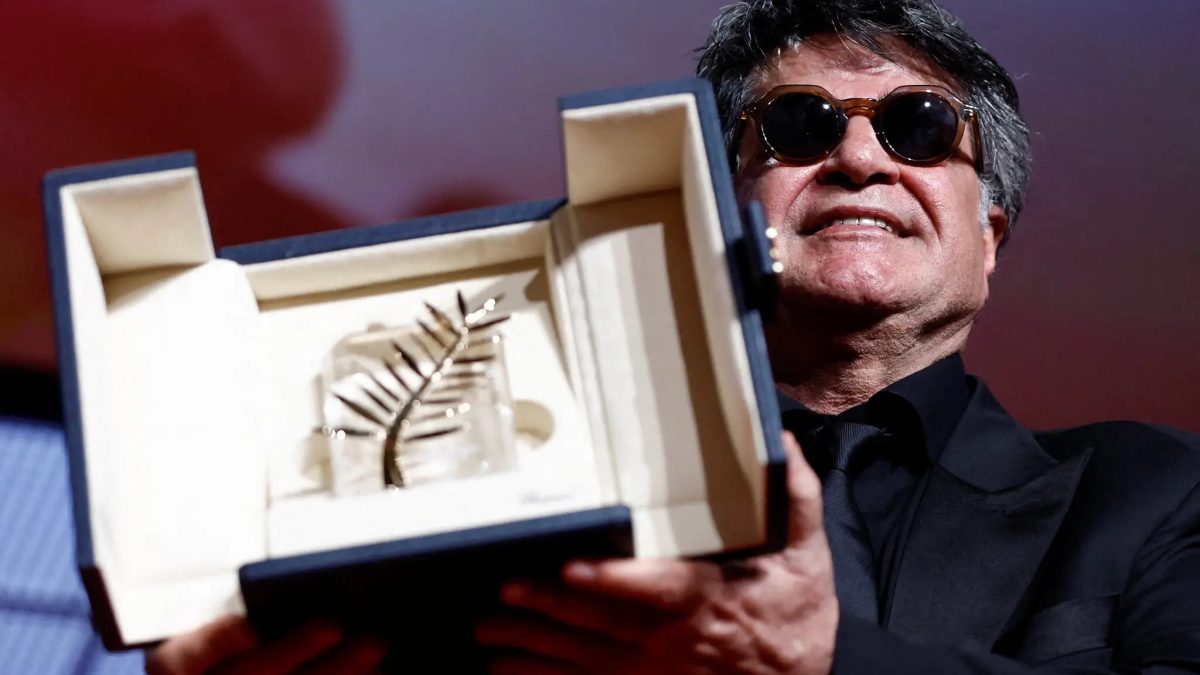
His latest film, It Was Just an Accident (2025), made in secret after his release, won the Palme d’Or at Cannes — not as a comfort, but as a clarion call. Encyclopedia Britannica
Triumph and Turmoil: Global Acclaim vs Domestic Crackdown
In a bitter paradox, the same day Panahi stood on stage in New York to receive three awards at the Gotham Awards — Best Director, Best International Feature, and Best Original Screenplay — his home country declared him a criminal. The Washington Post
That contrast — the world applauding while his own country punishes — exposes a brutal reality: for regimes intolerant of dissent, art can be more threatening than overt protest. And when a globally celebrated filmmaker is silenced, the message extends far beyond one man: it is a warning to every storyteller, every artist, every voice seeking to challenge power.
Panahi, however, did not retreat. In his acceptance speech, he honoured “independent filmmakers in Iran and around the world… who keep the camera rolling in silence, without support, risking everything they have.” AP News
Why This Verdict Matters — For Cinema and For Conscience
This sentencing isn’t merely personal. It’s symbolic. It asks: what becomes of dissent when art is criminalised? When even a Palme d’Or laureate is treated as a traitor, what hope remains for lesser-known voices — interns, actors, crew members — hoping to tell stories that dare to question?
Because for regimes that fear truth, cinema becomes dangerous in its honesty. By silencing Panahi, the authorities aren’t just punishing a filmmaker — they’re attempting to sterilize collective memory, erase narratives that challenge, and shrink the space for empathy.
Supporting Panahi right now isn’t just about solidarity with one man. It’s about defending the idea that stories are vital, that truth matters, that art can resist. It’s about saying — across borders, languages, cultures — that human dignity and freedom of expression must transcend political repression.
What Comes Next — The Fight Continues
Panahi’s legal team has already announced plans to appeal the ruling. AP News
But beyond court dates and paperwork, the more urgent battle is cultural and moral. The international film community — festivals, critics, human-rights organizations — must not turn away. They must amplify his voice, not just as a celebrity, but as a beacon.
For audiences: watching Panahi’s films, discussing them, sharing them — becomes an act of solidarity. By valuing art that sees through oppression, we help preserve the right to dissent, to empathise, to resist.
If we allow Panahi’s silencing — we allow the erasure of countless stories that matter.