Shane Belcourt and Tanya Talaga’s documentary, “Ni-Naadamaadiz: Red Power Rising” (2025), takes us closer to understanding a revolutionary act of resistance from 1974 Canada. It revolves around the armed land-back occupation held by a group of young people from a First Nations community in Kenora, Ontario.
The film reveals all the reasons that pushed them to make their voices heard through this protest. Apart from that, it also explores the shocking aftermath that left them with insurmountable trauma. Belcourt, who co-wrote and directed this film, sheds light on this incident, which has either been ignored or misrepresented by mainstream media. While recording the nature of this protest, he inadvertently sheds light on Canada’s systemic issues against the indigenous communities.
Belcourt uses available footage of these protests, recorded interviews, and news reports from the time, alongside present-day accounts of indigenous people who witnessed this incident or are living with its ripple effects. The doc conveys the depth of this incident through the eyes of Tyler Cameron, the son of Louie Cameron, who bravely led the Anishinabeg youth in this protest. Under Louie’s leadership, they occupied the Anicinabe park, which once belonged to the Native people.
In the film, Dr. Duke Redbird reveals that the park was once sold as an endowment and was intended to serve as a refuge for the community. Unfortunately, that never happened. Instead, the land was used for a fellowship centre that native people could not use. That wasn’t the only thing that enraged the native population.
Besides being left out of the park, indigenous community members could not live in hotels either. They were made to feel unwelcome and othered in every space. Around this time, something else compelled them to stand up for their rights. It had to do with the mercury poisoning in the water from the White Dog and Grassy reserves in Ontario.
The Native community relied on the local river for water. It, however, became unsuitable for consumption due to mercury coming from nearby mills. Even fishing was not allowed due to the fear of poisoning. The contamination severely affected their lives, raised extreme health concerns, and also led to untimely deaths. Yet, even decades later, the issue has still not been resolved. So, Tyler worries about its effect on his children, even decades after the initial protests against it.
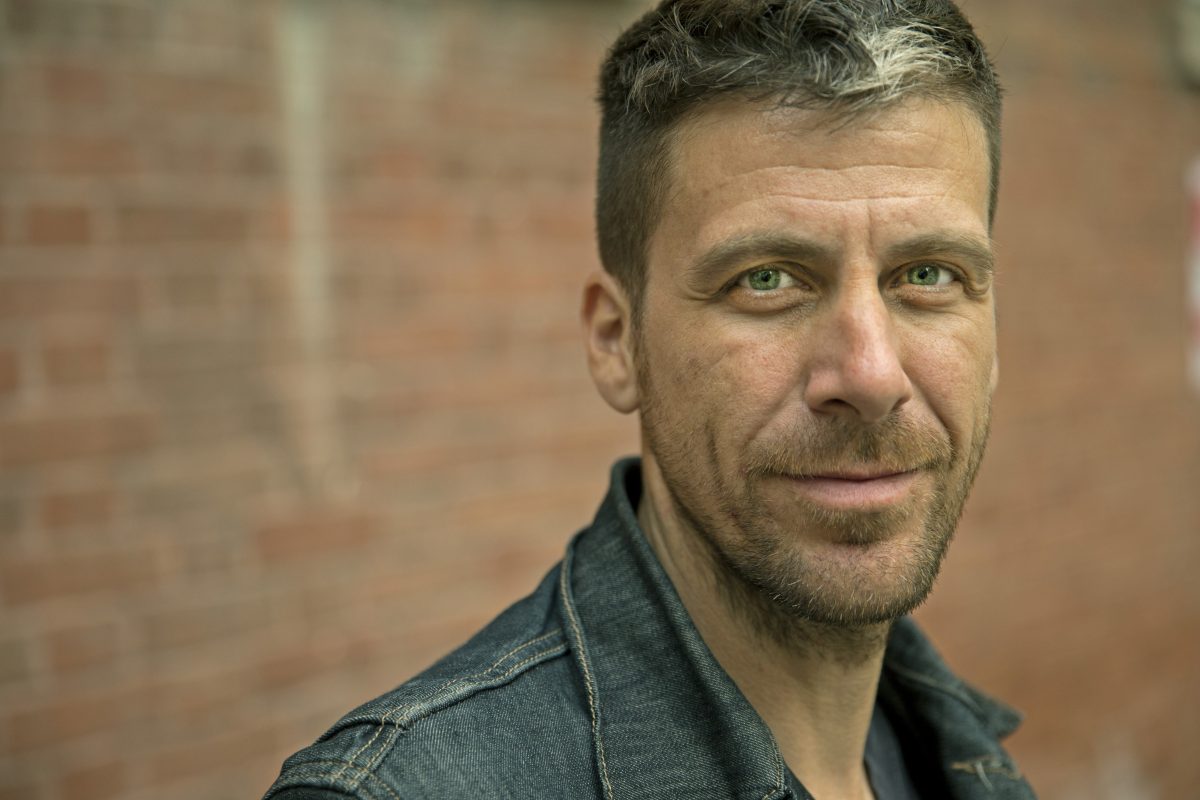
The film shows Tyler reflecting on his father’s legacy from a personal and cultural standpoint. Through his account, we learn about the authorities’ disregard for the community’s well-being and a refusal to treat them with dignity. Instead, they keep intimidating First Nations people and maligning their public perception, while refuting accountability for worsening their state of life. The same led Louie, a vital part of their cultural memory, to be the victim of their racist prejudice.
While analyzing these grave systemic concerns, Belcourt’s doc conveys the sheer weight of grief on Louie’s friends and family, as it highlights the inhumane treatment he and other Native leaders received from politicians and media outlets. It exposes the hypocrisy of white people, who professed the importance of civil dialogue, while letting Native people have no real say in their own well-being. Overall, it offers a detailed account of the personal and political aspects of Native people’s lives.
Another thing that strikes out about Belcourt’s doc is the dignity with which it portrays native people, unlike the past cinematic iterations. Until now, there have been only a few projects to feature people from indigenous communities in Western nations. Even when they were present, they were portrayed according to the prejudiced notions of colonizers. Western genre films often portrayed them as villains, stripping them of dignity, reducing them to tools of violence against the peace for white protagonists to preserve. Similar narratives were spun against youth who fought with or before Louie Cameron.
The on-screen portrayal seemed to be indicative of the industry’s mindset. Remember the time Sacheen Littlefeather went on stage to accept the Oscar for Marlon Brando and made a passionate plea for her community. The audience’s reception was appalling, exposing the industry’s apathy. Decades later, Martin Scorsese’s “Killers of the Flower Moon” conveyed their plight, but through the detailed portraits of white villains, focusing on their duplicity.
It all makes Belcourt and Talaga’s new documentary all the more compelling. We hear the horror, the pain, and the joy of Native people through their words. So, while a captivating historical account, it cuts a little deeper than other projects about indigenous communities. It becomes an indictment of the erasure of their voices.
“Ni-Naadamaadiz: Red Power Rising” was a part of the TIFF and the Whistler Film Festival.