The debate around the Warner Bros sale
The proposed sale of Warner Bros Discovery to Netflix has quickly become one of the most debated industry stories of the year. While the deal is still moving through regulatory scrutiny, filmmakers, studios, and investors have already begun weighing what it could mean for the future of theatrical releases.
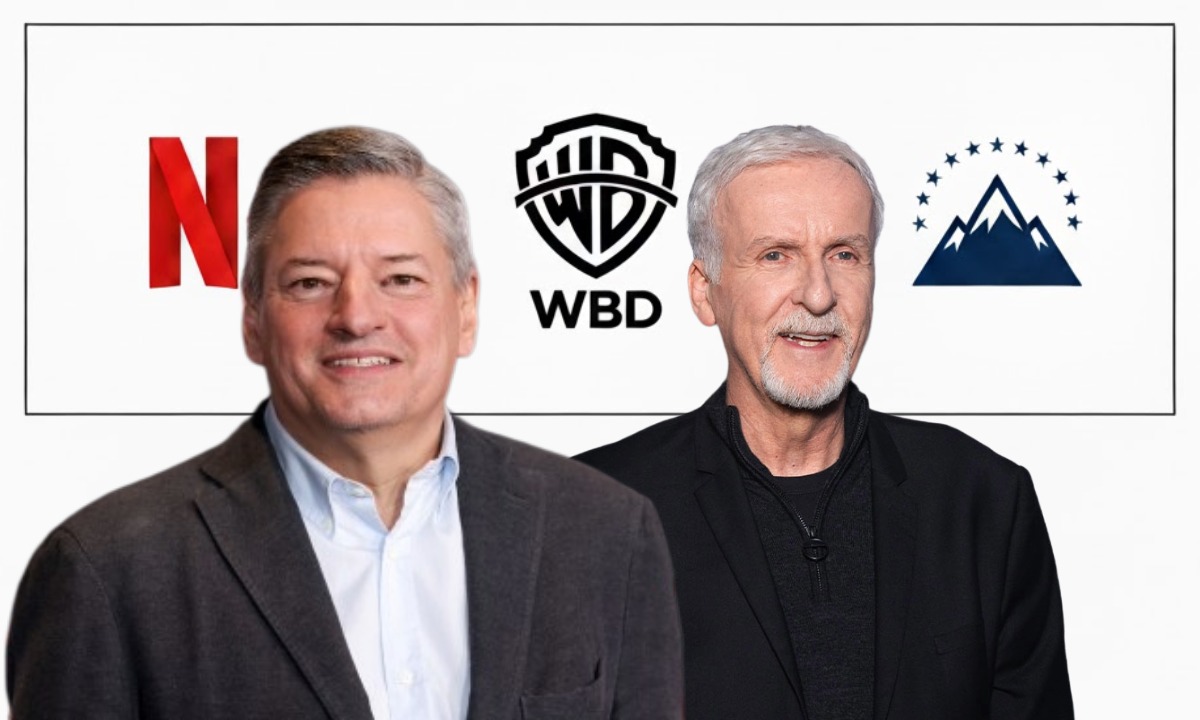
Among the loudest voices is James Cameron. The director, long known for defending the cinema experience, recently spoke out in a letter sent to US senator Mike Lee. Lee oversees a Senate antitrust panel that has been reviewing the deal and its possible effect on competition and film distribution.
Cameron warned that the sale could damage theatrical filmmaking. He stressed that while streaming has its place, the cinema experience remains central to how many films are meant to be seen.
Throughout his career he has pushed technology that supports big screen viewing, including digital 3D and high frame rate projection. In his letter he argued that reducing theatrical runs would weaken that ecosystem.
Cameron’s concern about theatrical windows
One of Cameron’s main concerns involved how long Warner Bros films might stay in theaters under Netflix ownership. He suggested that the company was leaning toward shorter exclusive theatrical windows and referenced claims that releases could be limited to around seventeen days.
For filmmakers who rely on theatrical runs to build cultural impact and box office revenue, that idea triggered alarm. Several industry figures have already voiced similar fears in recent months, especially as streaming companies continue reshaping distribution strategies.
Cameron also shared the following thoughts on the matter:
I believe strongly that the proposed sale of Warner Brothers Discovery to Netflix will be disastrous for the theatrical motion picture business that I have dedicated my life’s work to. Of course, my films all play in the downstream video markets as well, but my first love is the cinema. I have been among the pioneers in enhancing the theatrical experience, through the creation of digital 3D production systems, advanced Visual Effects technologies, and pioneering high frame rate display. Theatrical exhibition is a critical part of my creative vision. I believe in the big screen.
Sarandos pushes back on the claims
Ted Sarandos responded in his own letter to senator Lee. While he opened by praising Cameron’s work and influence, he firmly rejected the director’s claims about Netflix’s plans.
Sarandos stated that Netflix has committed to keeping a forty five day exclusive theatrical window for Warner Bros films. He described it as a firm promise rather than a flexible target. According to Sarandos, this timeline matches the current release model used by the studio and is not expected to shrink.
He also said Cameron’s letter misrepresented Netflix’s position and overlooked conversations the two sides had after the deal was announced in late 2025. Sarandos claimed that during those meetings, Cameron seemed supportive of the plan and spent more time discussing new home viewing technology he is developing with Meta than debating theatrical windows.
According to Sarandos, Cameron was supposedly more interested in discussing another topic than theatrical windows:
During that meeting, we talked about Netflix’s plans for Warner Bros., including our 45-day commitment. Mr. Cameron was very supportive. If anything, he was more excited to talk about the at-home movie. Viewing glasses he is developing with Meta than exclusive windows for theatrical movies. Mr. Cameron’s letter does not reflect any of this. He incorrectly suggests that we’ve only pledged a 17-day window instead of a 45-day one, fails to correctly describe the deal Netflix has reached, and ignores the serious consequences for the industry if Paramount Skydance’s proposal is accepted.
The wider industry reaction
The debate does not involve only Cameron and Netflix. Other filmmakers have also spoken about the deal, many focusing on what it could mean for cinemas and creative control.
Director Sean Baker recently said filmmakers need to protect theatrical runs, reflecting a concern shared by many independent and prestige directors. Christopher Nolan, now president of the Directors Guild of America, has also expressed uncertainty about how studio ownership changes could affect film distribution and production decisions.
Meanwhile Paramount Skydance is still trying to challenge the sale. The company has pursued legal action and continues to push for access to financial information tied to the acquisition. That ongoing corporate fight adds another layer of uncertainty to the situation.
Mark Ruffalo Questions Whether Cameron Is Being Selective About Studio Consolidation
Another figure who entered the discussion was Mark Ruffalo, though his response took a different angle. Instead of debating theatrical windows, Ruffalo questioned whether the criticism of Netflix was selective. He publicly asked whether James Cameron would show the same concern if Paramount Skydance ended up acquiring Warner Bros. instead. Ruffalo pointed out that consolidation worries should apply to any major studio takeover, not just one involving a streamer.
So… the next question to Mr Cameron should be this… ‘Are you also against the monopolization that a Paramount acquisition would create? Or is it just that of Netflix?’ I think the answer would be very interesting for the film community to hear and one that should be asked immediately. Is Mike Lee against the Paramount sale as well? Is he as concerned about that as he is the Netflix sale? We all want to know. …Speaking on behalf of hundreds of thousands of film makers world wide.
His comments come at a time when Paramount itself has been going through major structural changes following its Skydance merger, with analysts already debating what its evolving strategy could mean for the wider industry. Ruffalo’s reaction highlights a broader tension in Hollywood, where the real debate is no longer just about theaters versus streaming but about who ultimately controls the studios.
What happens next
For now, the Warner Bros sale remains under review, and the final outcome could shape how major films are released for years. If approved, the deal would mark one of the biggest shifts in studio ownership in modern Hollywood.
What is already clear is that the conversation is far from over. Filmmakers, streamers, and theater owners all have different stakes in the future of film distribution, and this dispute between Cameron and Sarandos shows just how divided the industry still is.
Courtesy: CinemaBlend