A few years ago, starting a custom apparel business usually meant choosing between two difficult options. Either invest heavily in large production equipment or spend hours every week dealing with maintenance issues that slowed everything down.
That is one reason the conversation around the D2 DTF Printer has started growing among independent creators and small shop owners. Not because people suddenly need industrial-scale production, but because many creators are finally prioritizing something else: smoother daily workflow.
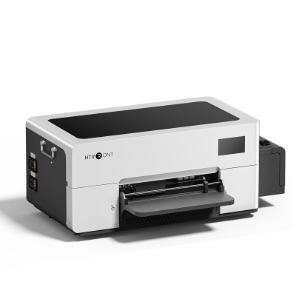
The phrase DTF Printer Game Changer: 6 Design Secrets of the D2 You Probably Didn’t Know sounds dramatic at first. But after speaking with small business owners and watching how home studios actually operate, the attention starts to make sense.
The Real Problem Was Never Just Print Quality
Most small creators already know how to make good designs. The bigger challenge is keeping production stable when orders arrive unpredictably.
One week may feel quiet. The next week suddenly brings:
- a local event order
- custom team shirts
- online sales from a viral TikTok post
That kind of uneven workflow creates pressure on smaller print setups.
Many creators discovered that the hardest part of DTF printing was not learning design software. It was dealing with interruptions after the printer sat unused for a few days.
The D2 appears to be designed around solving exactly that kind of frustration.
You can explore the HTVRONT DTF Printer Collection to see why many small apparel businesses are treating these systems as a more manageable entry point into DTF production.
Why “Low-Stress Printing” Is Becoming a Bigger Selling Point
The interesting thing about the D2 is that people rarely describe it using highly technical language. Instead, creators talk about how it fits into normal life.
One home-based seller explained it this way:
“I wanted a printer that worked with my schedule instead of controlling it.”
That sentence explains a lot about today’s small apparel market.
Many independent sellers are:
- running side businesses
- managing online stores alone
- packing orders after work hours
- answering customer messages during production
In that environment, constant maintenance becomes exhausting quickly.
The D2 seems positioned for creators who want DTF printing without turning daily upkeep into a second full-time job.
Small Design Decisions Can Change the Entire Workflow
One reason the “DTF Printer Game Changer: 6 Design Secrets of the D2 You Probably Didn’t Know” discussion keeps spreading is because the machine focuses on practical workflow decisions instead of flashy production claims.
For example, creators often mention how important stability becomes during smaller production sessions.
Imagine handling:
- 15 local event shirts
- a few hoodie orders
- several online custom requests
A production stop in the middle of that process wastes time, film, and attention.
The D2 is designed more like a reliable work partner than a high-pressure factory machine. For small businesses, that difference matters more than marketing hype.
The Heat Press Still Matters More Than People Expect
Even with improvements in DTF technology, creators still rely heavily on a dependable heat press setup to finish the process correctly.
Many beginners underestimate this stage.
A strong design can still fail if:
- pressure feels uneven
- heat fluctuates
- transfers do not bond properly
That is why experienced apparel creators focus on building stable systems rather than chasing the fastest possible output.
The combination of a D2 DTF Printer and a reliable heat press helps create consistency from printing to final application.
Why Beginners Are Paying Attention
Another reason the D2 is attracting attention is because newer creators no longer want overly complicated systems.
Many people entering DTF today are transitioning from:
- vinyl cutting
- sublimation
- small HTV projects
They already understand customization. What they want now is a smoother upgrade path.
The D2 seems designed for that type of creator:
someone growing from hobby-level production into a more serious business setup without wanting overwhelming technical complexity.
The Most Valuable Feature Might Actually Be Peace of Mind
What makes small business owners loyal to equipment is rarely raw speed. It is confidence.
Confidence that:
- production will continue smoothly
- small breaks will not create major problems
- daily orders can be completed without stress
That kind of reliability becomes especially important for creators handling everything themselves. The D2’s growing reputation seems tied less to “big production” and more to something simpler: making small apparel businesses feel easier to manage.
Final Thoughts
The custom apparel market is changing. More creators are building brands from spare rooms, garages, and small studios rather than large production spaces.
For those businesses, equipment needs to feel practical, stable, and manageable.
The D2 DTF Printer is gaining attention because it reflects that reality. Instead of focusing only on technical power, it focuses on reducing interruptions and supporting realistic workflows.
Paired with a dependable heat press, it becomes part of a setup designed for creators who want to spend more time producing—and less time troubleshooting.