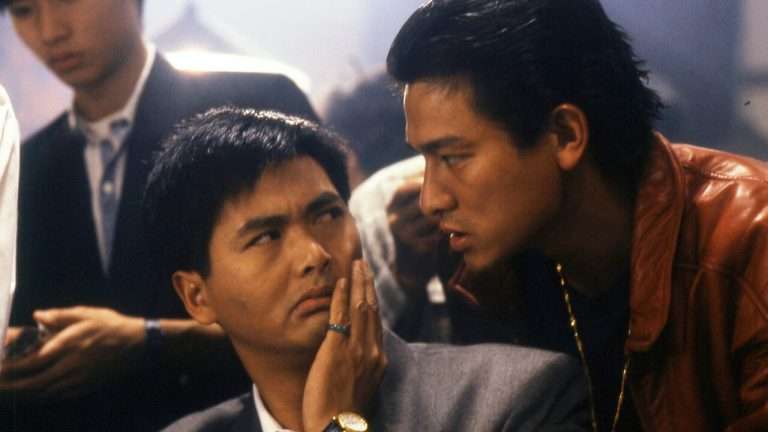
Weather is a part of Irish culture. It is talked about by everyone every day, whether it’s good or bad. More often than not it’s the conversation starter. So it’s no surprise that it features heavily in Irish film too. It is a tool that filmmakers use to shape the tone and narrative of a movie and has been used through the years to convey emotional conflict or restraint. Rather than extreme weather, we see familiar conditions like overcast skies and persistent rain that root movies in reality. With the Dublin International Film Festival starting in March, let’s take a look at Irish movies’ use of weather in the past.
Light and Landscape in Irish Film
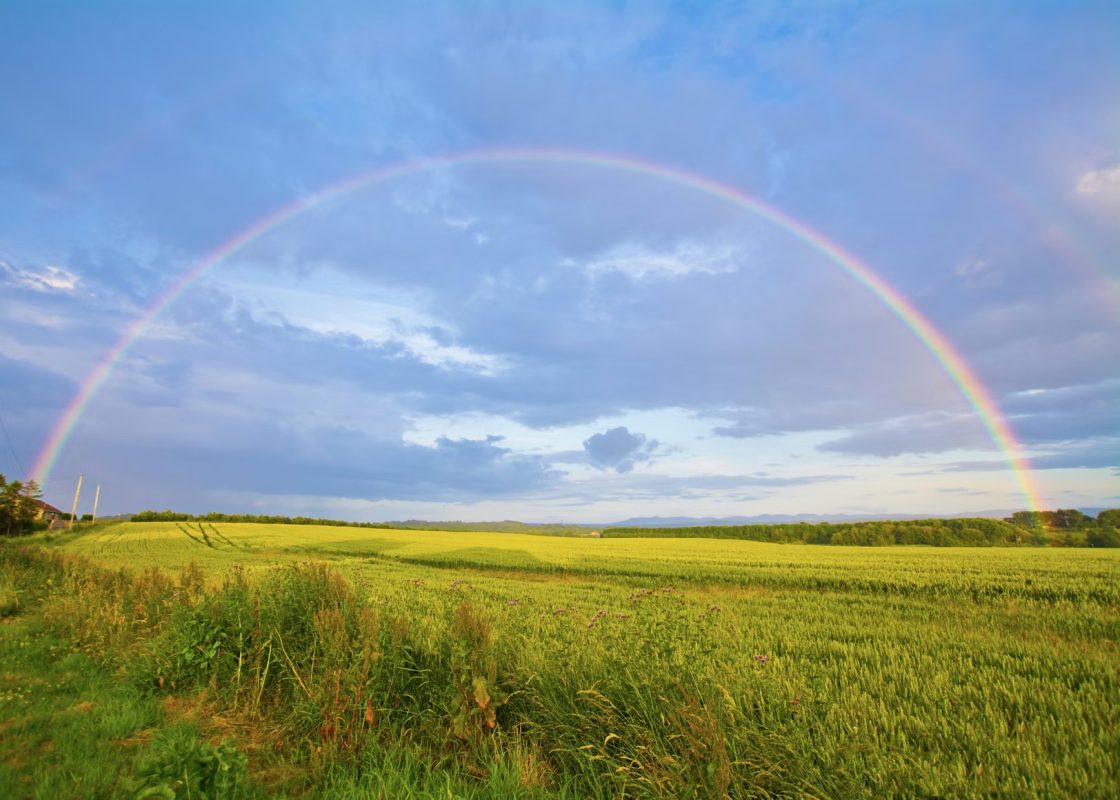
Light is an important aspect of Irish film. Directors tend to favor natural light, which allows stories to feel realistic and emotionally grounded at a time when audiences are drawn to authentic storytelling. It lends intimacy to scenes, and in movies set in the countryside, wide shots of coastal areas or green fields reinforce themes of tradition and belonging, which are very important to Irish audiences especially. We can see this at work in The Quiet Girl, which uses gentle, natural light throughout to connect audiences with themes of memory and belonging. Fields covered in sunlight and shadowed farmhouses reflect the safety that the central character finds as the movie progresses.
Rain, Clouds, and Emotional Weight
Rain is definitely the most consistent motif used in Irish film. Rain-soaked streets and grey settings reinforce the feelings of the characters and subtly reinforce feelings of despair, isolation, or tension. The Guard and Once used rain and darkness especially effectively to allow the audience to connect with the characters and narrative. In Irish movies the rain can almost feel incidental. It doesn’t take over but seems to be always there in the background, emphasizing the overall tone of the movie. This realism has become a defining trait of Irish storytelling.
Rainbows and False Horizons
Moments of color and hope appear in Irish film too. Rainbows hold strong cultural meaning associated with hope and fortune. The use of color can be seen in Sing Street, a movie set in inner-city Dublin in the 1980s, in which bursts of color and vibrant light are used to contrast with the grey in the streets and the overall downbeat atmosphere in a country still struggling with its identity after hundreds of years of brutal British rule.
This symbolism extends to other forms of entertainment in which the rainbow is used to evoke Irish folklore. For example, in the iGaming sector we see titles like Rainbow Riches slots. This five-reel game allows gamers to try to match three or more symbols across paylines, and it comes complete with bright colors associated with the rainbow and other Irish symbols. It mirrors how Irish films deploy colors sparingly. These moments of visual warmth, as in movies like Sing Street, feel intentional.
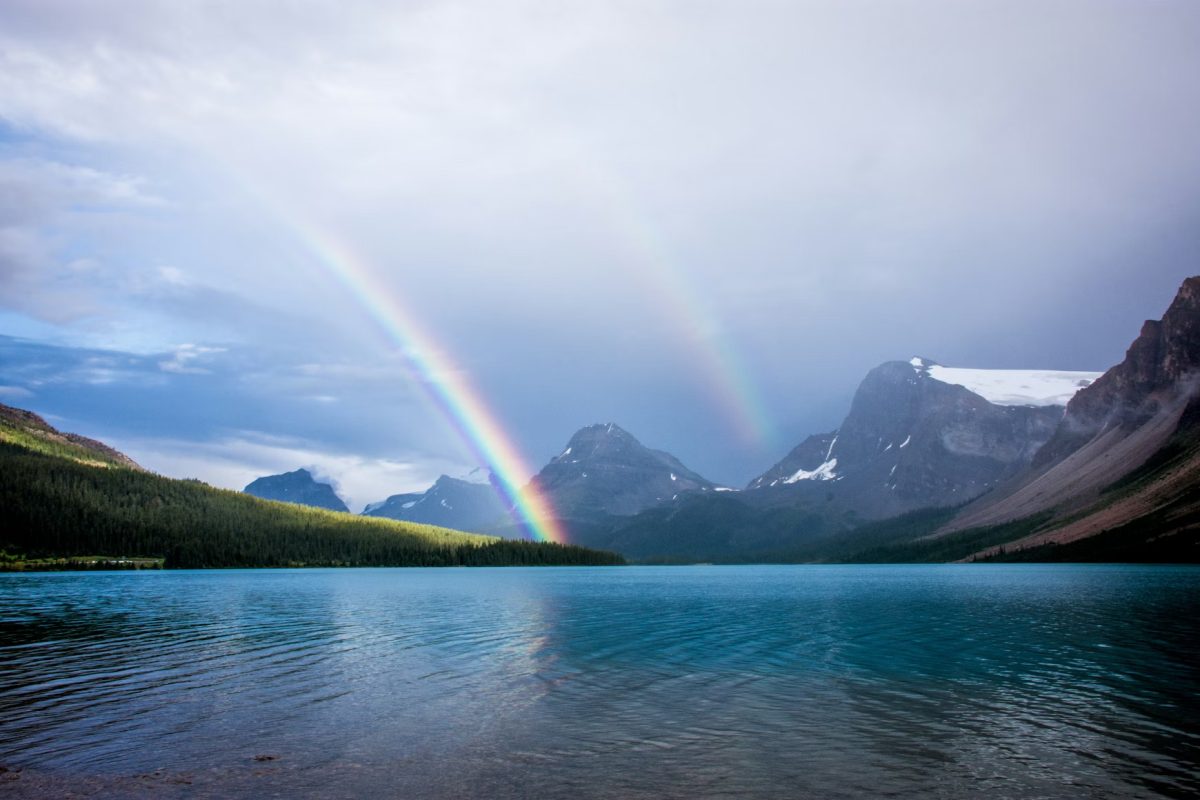
Weather-inspired motifs continue to play an important role in Irish film. Directors place these elements in the background subtly; they are inviting us to read between the lines. Across cinema and entertainment, weather is a powerful storytelling tool that, when used effectively, adds to the narrative of a movie.