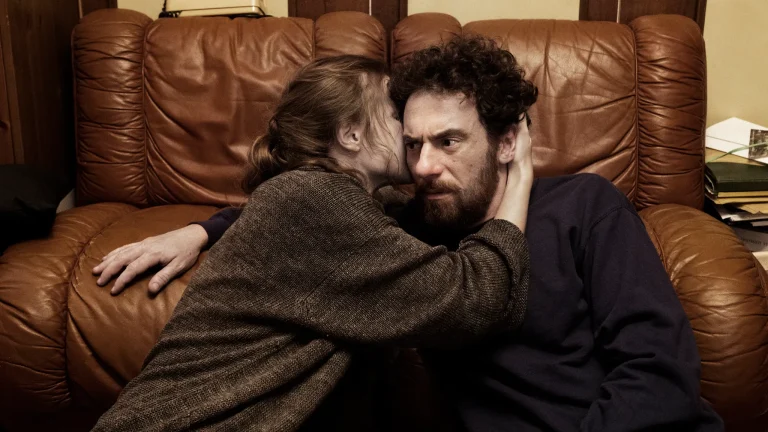
In the world of Marty Supreme (2025), New York City isn’t merely a location. It is an organism, pulsing, crowded, broken, alive, a place where ambition sweats through every tenement window. Josh Safdie understood that the film would collapse without a historically authentic Lower Manhattan, so he turned to someone who treats history with the rigor of an archivist and the madness of a street magician: Jack Fisk. The production designer behind There Will Be Blood and Killers of the Flower Moon, Fisk is one of the few artists capable of making the past tactile, not decorative.
The problem was simple: the New York of 1952 no longer exists. The Lower East Side has been polished and power-washed into a sterilized version of itself. Safdie needed the “dirty, beautiful mess” of a city in transition, and not the curated façades of 2025 real estate. As The Hollywood Reporter notes, Safdie wanted the film to feel like “a documentary shot in 1952,” not a period drama playing dress-up.
The Documentary Approach to History
Safdie and Fisk’s entire methodology hinged on one idea: period authenticity should come from real images, not from Hollywood memory. Fisk traced his visual blueprint to a piece of archival nonfiction:
“Josh had found a documentary at the Museum of Modern Art that was made in 1950 on Orchard Street… that probably more than anything guided us. I like documentaries because they’re real. I’d like to make period films look more like documentaries and not costume dramas.” — AwardsWatch
This became their North Star. Every building, every storefront, every coat button had to feel like it was lifted from candid 1950 footage. If something felt aestheticized, it was reworked. If something looked too polished, it was dirtied. The city had to feel lived-in, not re-created.
The Modular “Monopoly” Strategy
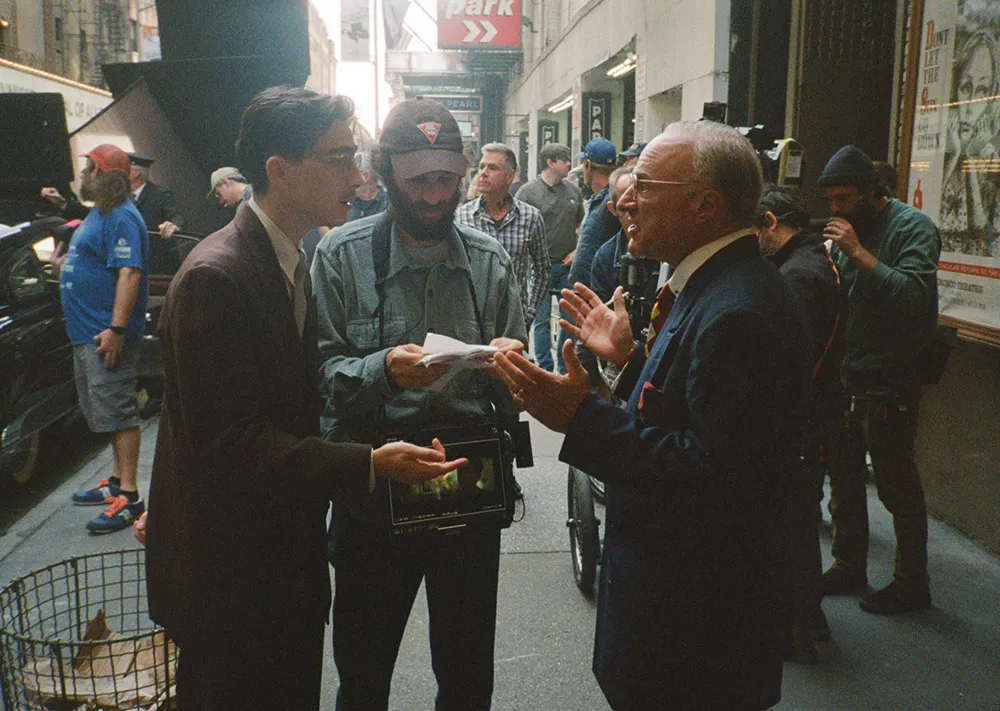
The Lower East Side of today is unrecognizable compared to its 1952 counterpart. Modern graffiti, glass storefronts, and a towering new hotel made shooting practically impossible. Fisk’s solution? Rebuild the past — piece by piece — like a three-dimensional board game.
“We built modular storefronts that we could pile up like Monopoly figures on the sidewalk, and dress the windows and then put dressing on the sidewalk in front of those, and then added period cars.” — The Film Stage
These modular tenement fronts — built in a workshop in Brooklyn — were literally trucked into Manhattan for installation. In some cases, Fisk and his team rebuilt entire windows, swapping out contemporary plate glass for the thicker, uneven panes of the 1950s. As he explained to AwardsWatch, even a real pet shop had to be retrofitted: “We just rebuilt the window.”
Safdie’s camera could then roam freely, without ever catching a glimpse of the wrong decade.
Layers of Life: Five Strata of Visual Truth
To make the streets breathe, Fisk built the city in layers, creating what Safdie called “five strata of activity”:
-
period automobiles idling at curbs
-
sidewalk tables and vendor clutter
-
crowds in era-accurate clothing
-
guerrilla signage hiding 21st-century buildings
-
reconstructed storefronts that fully changed a block’s identity
It wasn’t just set dressing — it was time travel built by hand.
The “Spit and Glue” Finale
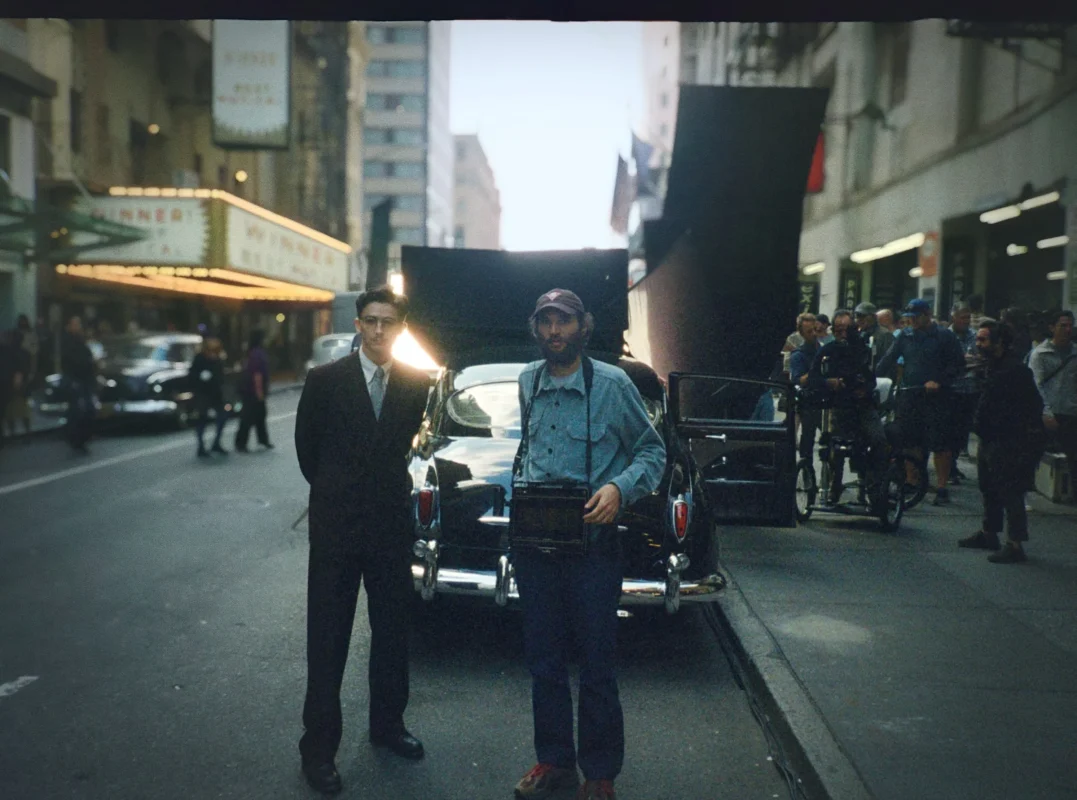
The team’s commitment to authenticity didn’t fade, even when the schedule fell apart. When they ran out of time for a critical phone-booth scene, they didn’t compromise by shifting locations or relying on digital fixes. They built 1952 again — in a parking lot.
“We rented a phone booth and built a corner of a building, set this all up in a parking lot right outside the soundstage… it was something that we thought of within the final 24 hours. It was put together with spit and glue.” — The Hollywood Reporter
This improvised bit of production desperation became one of the film’s defining images.
Why “Trash” Is the Secret Ingredient
Fisk is a master of detail, and he understands an uncomfortable truth: perfection kills authenticity. To make history feel real, you must embrace its mess.
“Trash became important, because if you do everything too perfectly, it starts to look like a period film. When people are living, things get messy, and when we see a mess, there’s a familiarity.” — The Film Stage
So the team dirtied streets, scattered debris, added imperfections, scuffed walls, and generally “messed up” their immaculate work. Only then did it look right.