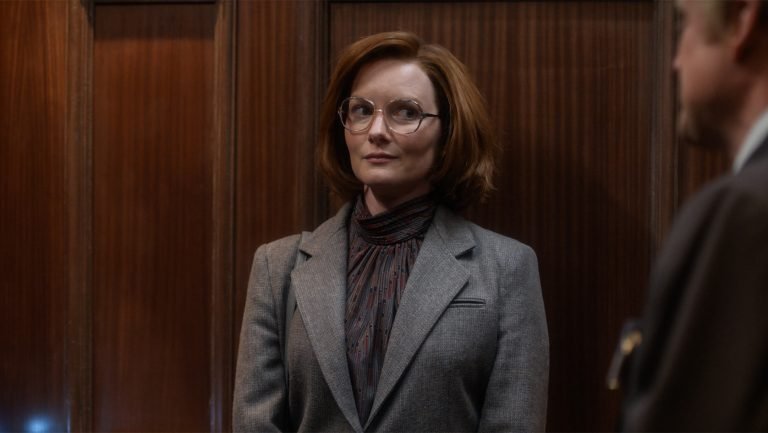
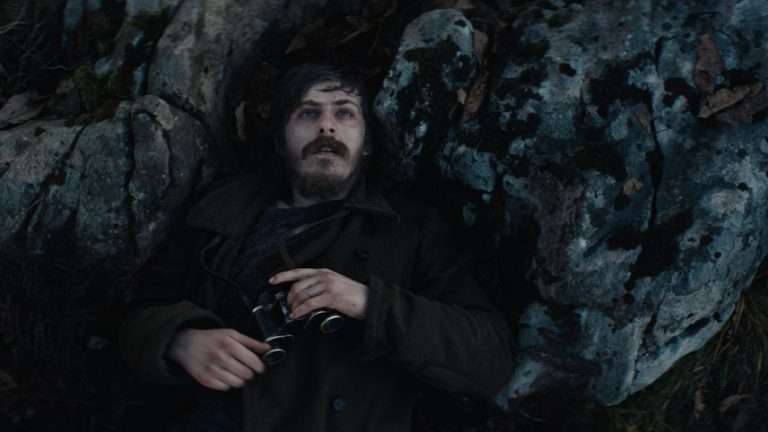
Idris Elba returns for the second season of “Hijack,” the Apple TV series that was never supposed to receive a follow-up season. The show began as a miniseries with a self-contained narrative that tied most of its loose ends within the span of seven episodes. It did not break any new ground in terms of the structure. We saw the drama unfold according to the usual beats of hijack-based thrillers, following characters that represented known tropes. If you had seen a few similar thrillers, you could figure out the beats for the most part.
You would expect some seemingly harmless characters who gradually reveal themselves as the hijackers. They would compel others to get over their interpersonal differences to form a united front against these villains. Then, there would be at least one person emerging as the savior that we can root for. In this case, it was Elba’s character, Sam Nelson. He is a highly skilled negotiator who uses every potential strategy he can think of to win against the abductors and to free everyone else.
Sam also had something personal at stake, which gravitated us even more to his struggle. Of course, the charismatic person playing the part is enough of a reason to be absorbed in his quest for freedom, but there was more on the writing front to keep us glued to the screen. The script also hinted at a secretive, murkier side of this savior, making us momentarily second-guess his intentions. Is he really the hero, or is he simply pretending to be? Is he discreetly connected to the hijacking? That ambiguity was also a highlight of the first season, which offered a gripping few hours of television even within the confines of genre-specific predictability.
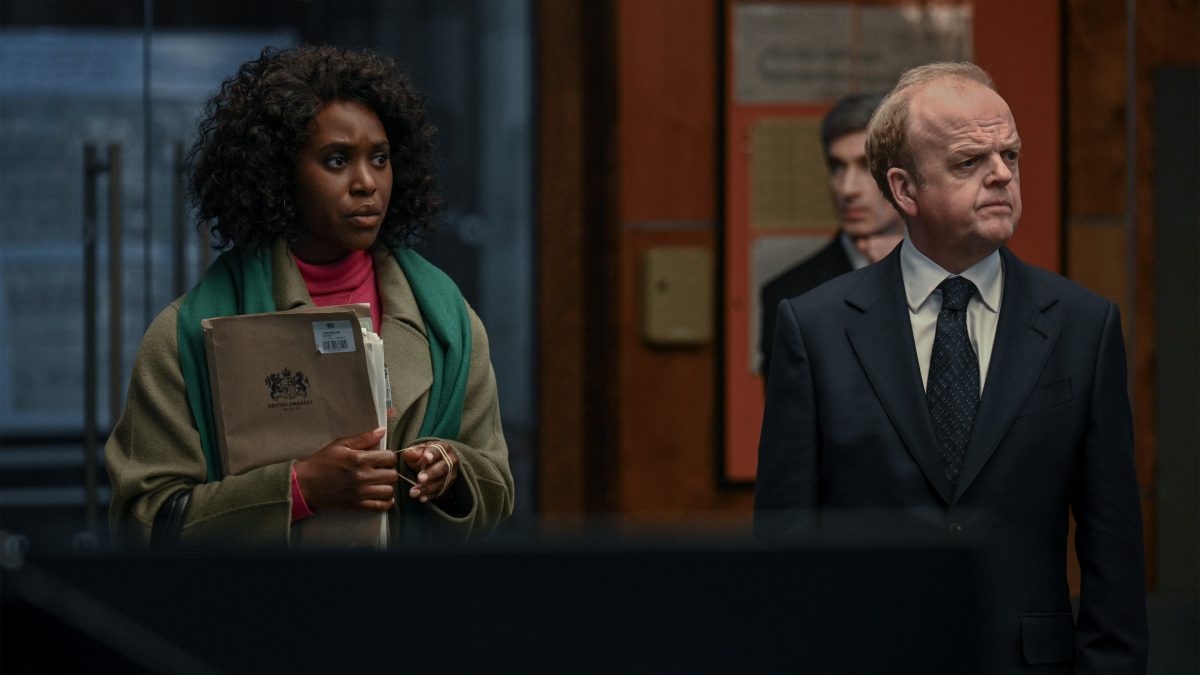
We knew that there would be a moment of good winning over the bad side, but that didn’t make us any less invested in its story. The sheer thrill of the introductory season, unfortunately, is missing in these follow-up episodes, where the narrative falls into its own trap. It follows a near-identical structure through its hijack-related plotline, which gave me déjà vu more often than I would like to admit. The characters realize their potential, emerge as heroes or villains, and rebel against a formidable force, almost exactly like how it happened in the first season.
Then again, you can build a compelling script within those known beats if you know how to build upon the tropes. Take Paul Greengrass’ films as an example. Whether “United 93,” “Captain Phillips,” or even “The Lost Bus” (not about hijack but a similar high-stakes scenario), every project is memorable, even if we have at least a brief idea of how it would end. That’s because the script focused on building multi-faceted characters, making their loss ring in our ears for hours or months later.
Also Read: 8 TV Shows To Watch If You Like “Hijack” On Apple TV+
I can still remember Tom Hanks’s shivering figure when Richard Phillips emerged on the other side of the stormy conflict with the Somali pirates, when he was shaken to his core. I can still vividly recall the cathartic relief Matthew McConaughey conveyed when Kevin McKay helped a group of students escape a fiery hellscape while battling his personal demons.
Hijack’s second season doesn’t offer anything even remotely close to that feeling. The script seems almost uninterested in fleshing out its own characters, which could have lent it some dramatic heft. That was definitely not the case with its first season, where you could feel for the characters’ plight because their arcs were developed sufficiently and revealed without much interruption with side-plots. Unlike back then, most characters in the second season are limited to the tropes they represent.
Besides that, there’s another glaring issue with its script. It overcomplicates things by introducing multiple plotlines without giving any of them enough room to breathe. Of course, there’s Sam getting caught in yet another hijack scenario in Germany. Then, there’s an arc featuring his ex-wife, Marsha, somewhere in the woods.
There’s some tension introduced between the German and the British authorities, and some past villains making an unwelcome return to the scene. That’s why the season feels almost like an overenthusiastic kid eager to tell you so many things but ends up saying very little. The lack of character development also makes many of this season’s pivotal moments contrived, making most characters appear as mere placeholders rather than real human beings.

There’s still fun to be had in the second season, especially through its thrilling set-pieces where characters find themselves in life-or-death scenarios. Elba is unsurprisingly reliable playing the lead you would be willing to trust your life with.
Christian Näthe and Lisa Vicari offer other standout performances, Näthe as a vulnerable driver in charge of the train, and Vicari as a mediating voice in contact with the hijacker. Vicari beautifully conveys the intense pressure of holding one’s composure in this scenario despite the limitations of her character’s status, while Näthe becomes the beating pulse of the story, letting us in on his character’s palpable fears, presenting many shades of his dread and frustration.
However, Albrecht Schuch is criminally underutilized in this season, especially considering his phenomenal dark comedic performance in Bernhard Wenger’s recently released “Peacock.” Clare-Hope Ashitey gets a similarly negligible role as someone who is shown only through her connection with Sam, even if the actress is clearly skilled to do justice to a much meatier role.
Overall, the second season suffers from a lack of focus, which, in hindsight, makes you realize the strength of its first season. Back in 2023, you wanted to return for every following episode because you cared about its characters. This time, it would simply be for the high-octane action scenes or Elba’s magnetic charm. It’s a modest delight for adrenaline junkies, but that feels like a low bar for the amount of talent involved in this project.