Will Poulter leads the cast of “Union County,” a sobering, potent drama that documents the lives of recovering addicts with utmost concern. His somber performance becomes the driving force and the highlight of this compassionate tale. The film takes us frighteningly close to the depths of his character’s trauma, while guiding us through the ebbs and flows of rehabilitation, without ever hitting a false note.
That won’t be surprising to anyone who has closely followed Poulter’s body of work, beyond the fantasy and action blockbusters. Although people may recognize him for those mainstream roles, he deserves far more appreciation for his dramatic work, which reasserts how there are no small parts.
Unlike those supporting roles, “Union County,” written and directed by Adam Meeks, puts him at the centre of the narrative. Here, Poulter plays Cody, a young man on a path to recovery from addiction, weighed down by the guilt and grief about his past actions that caused harm to his family.
Meeks approaches it with a style reminiscent of neo-realist cinematic movement, placing traditionally trained actors alongside non-actors to offer what appears like a hybrid cinema. He places Poulter amid a group of participants in the Adult Recovery Court, gently blurring the lines between fiction and non-fiction. Poulter’s character is also a part of a similar county-mandated drug court program, along with Jack, played by Noah Centineo.
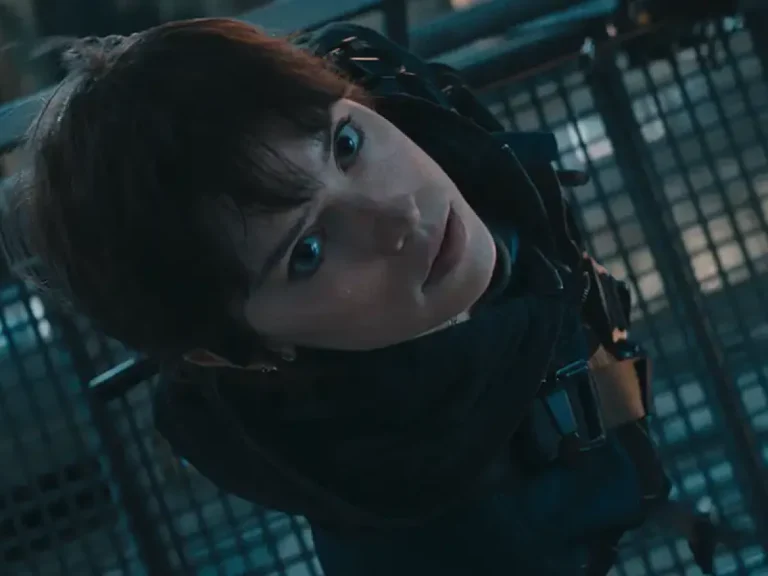
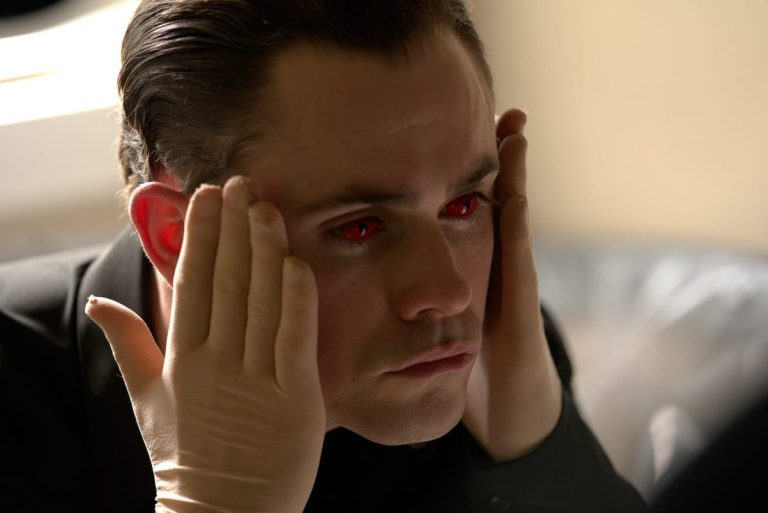
After being castmates in Alex Garland’s bruising war drama, playing soldiers constantly living in the shadows of an impending disaster, the two reunite in Meeks’ film as foster brothers, who look emotionally wounded and exhausted. You can notice that sense of weariness even in moments when they are somewhere in the corner of the frame, sitting idly, listening, observing others, or processing something.
It’s remarkable how both actors blend into their environment and often make us forget that we’re watching a fictional account of their characters’ dark and often unforgiving reality. They draw our attention simply by existing within these spaces, often inconspicuous, never being vain or theatrical with their presentation.
Their performances fit seamlessly in Meeks’ subdued, observational filmmaking approach that depicts the daily challenges and triumphs on the participants’ path toward finding a footing. His script documents their journey through Cody’s eyes, who is slowly coming to terms with what he can’t change and working on what he can. It follows Cody as a new member of the program, gradually learning from other people’s experiences about the complications from the recovery process and about the sense of liberation as you take steps toward healing yourself.
Jack and their sister, Katrina (Emily Meade), appear as haunting reminders of his mistakes, while Anna (Elise Kibler) represents the hope in possibilities about his future. It adds another layer to his internal quest, as he hopes to make amends while trying to distance himself from his past self, learning and evolving. Anna and Jack reveal other sides of recovery, with one introducing the mounting pressures of parenthood and the other living with the weight of someone else’s recklessness, putting him in the throes of their vices, while dealing with its traumatic effects.
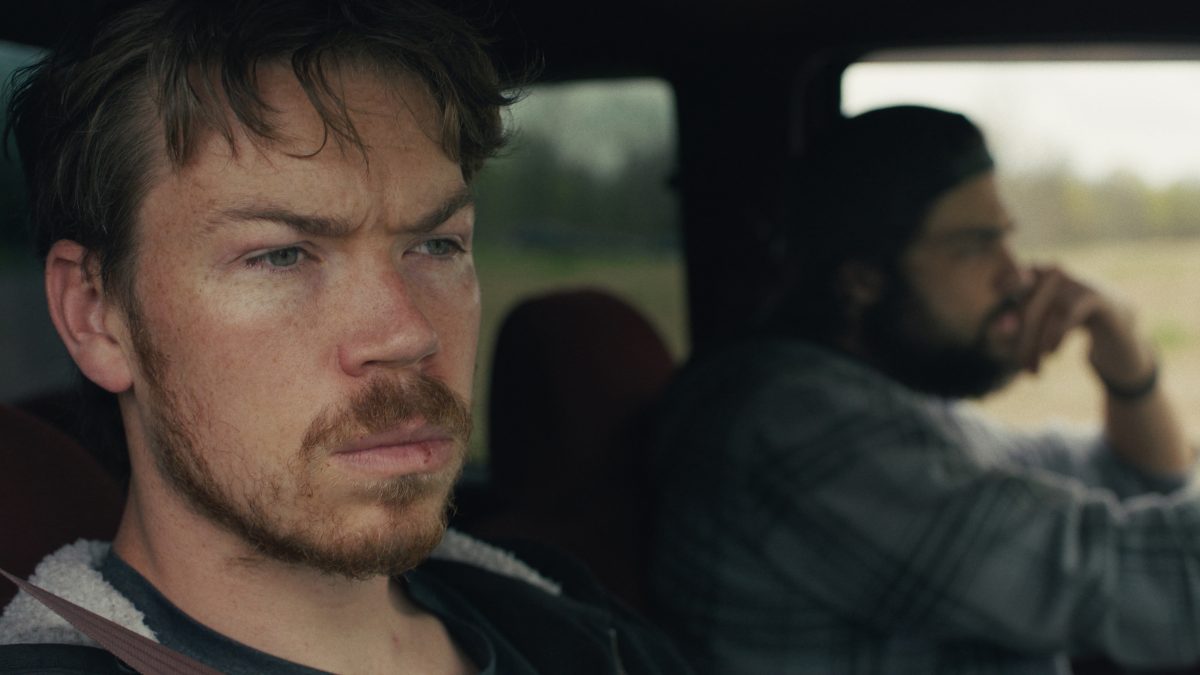
Centineo is exceptional, even if shown primarily through Poulter’s perspective, thanks to his grounded performance that people may not immediately associate with him. After starting his career with a few rom-com projects, he showed his chops as an action star through a DC action spectacle and a Netflix series. “Union County” offers him a role that demands much more restraint. Yet, his sincere and nuanced act deftly complements Poulter’s work.
Speaking about the screenplay, the film doesn’t expand the narrative scope of similar dramas about rehabilitation or reinvent the wheel, whether with the substance or execution. It also misses the chance to offer Anna and Katrina more rounded personalities, as their underwritten roles seem unfortunate. Kibler and Meade’s performances are thoughtful and mature, but their characters could have used more detail to deepen the film’s reflections on familial aspects of the process, which would have ultimately made Cody’s journey even more layered.
Nonetheless, these underdeveloped elements do not dull the film’s overall emotional impact, thanks to Meeks’ assured, sensible direction and Poulter’s brilliantly understated performance. For a character who rarely speaks throughout the duration, Poulter communicates a lot simply by his mere presence. His blank stare conveys the extent of his anguish, while his haunting body language conveys the manifestation of his trauma, wordlessly revealing plenty about his state of mind, whether introversion, resignation, or listlessness.
Meeks’ potent script, backed by the quiet intensity of Poulter’s performance, reveals the value of community and a non-judgmental ear in this messy, potentially recurring process. Meeks does so without preaching, even through a motif of a road that you pass by over and over, hoping to reach the other end of an oppressive monotony, which makes “Union County” a gently rendered and lingering portrait of healing.




![Fucking with Nobody [2021] Review – A meta movie which completely loses itself in its meta-ness](https://www.highonfilms.com/wp-content/uploads/2021/09/Fucking-With-Nobody-1-768x432.jpg)