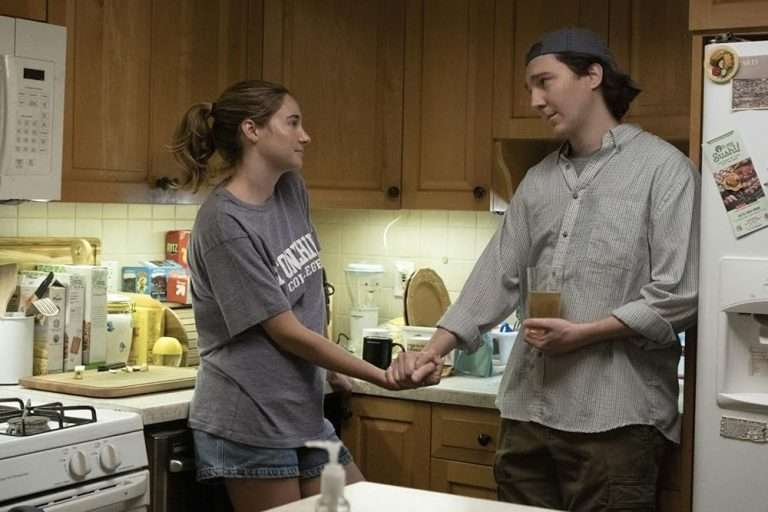
In a cluttered landscape of video game adaptations, the first season of “Fallout” stood out like the detonation of a nuclear bomb. Brimming with charm, compelling characters, a fantastic score, beautiful visuals, and impeccable set design, it felt like a love letter to the video game series it was based on, rather than an adaptation of a specific entry. There is an irony with a show about the corporate-managed apocalypse being made by Prime Video, but it’s been such a hit for them, I doubt they care too much. However, not everyone was pleased with the direction they were heading; the season finale indicated the show was entering the territory of New Vegas, the most beloved game in the franchise.
A game some fans theorise director of Bethesda, and executive producer on the show, Todd Howard despises, as it was made by a developer other than Bethesda. This is a claim he has refuted several times. And with other acclaimed video game adaptations such as “The Last of Us” having an immense drop in quality in their second season, there were concerns that it could fail to maintain the momentum from its first season. The sophomore season of Prime’s “Fallout” does show a dip in quality, yet remains a thoroughly entertaining watch, if often times a frustrating one.
It only takes five minutes for a head to be blown off, as we are dropped straight back into the wasteland of what was once America, and straight into the action with Lucy MacLean (Ella Purnell), travelling with The Ghoul (Walton Goggins) to New Vegas. Most of this continuation’s strengths stem from the cast’s fantastic performances. Purnell depicts Lucy still struggling to maintain her optimism and goodness in a depraved world, desperately holding onto “the golden rule” her upbringing instilled, whilst faced with darker situations and more dire revelations about her father.
Goggins does double work in the present and past plotlines in two different parts of his character’s life. So different they barely seem to be the same person, yet he manages to keep enough so you can see Copper Howard is still somewhere inside The Ghoul. The biggest improvement over last season is Hank MacLean (Kyle MacLachlan). With the façade of a kind, caring family man dropped, we are able to see MacLachlan explore the cold, calculating, results-driven man beneath. Watching him justifying his actions to Lucy is a chilling experience, as it’s unclear if his patronizing is manipulation or a genuine love for his daughter, who he thinks misunderstands his actions.
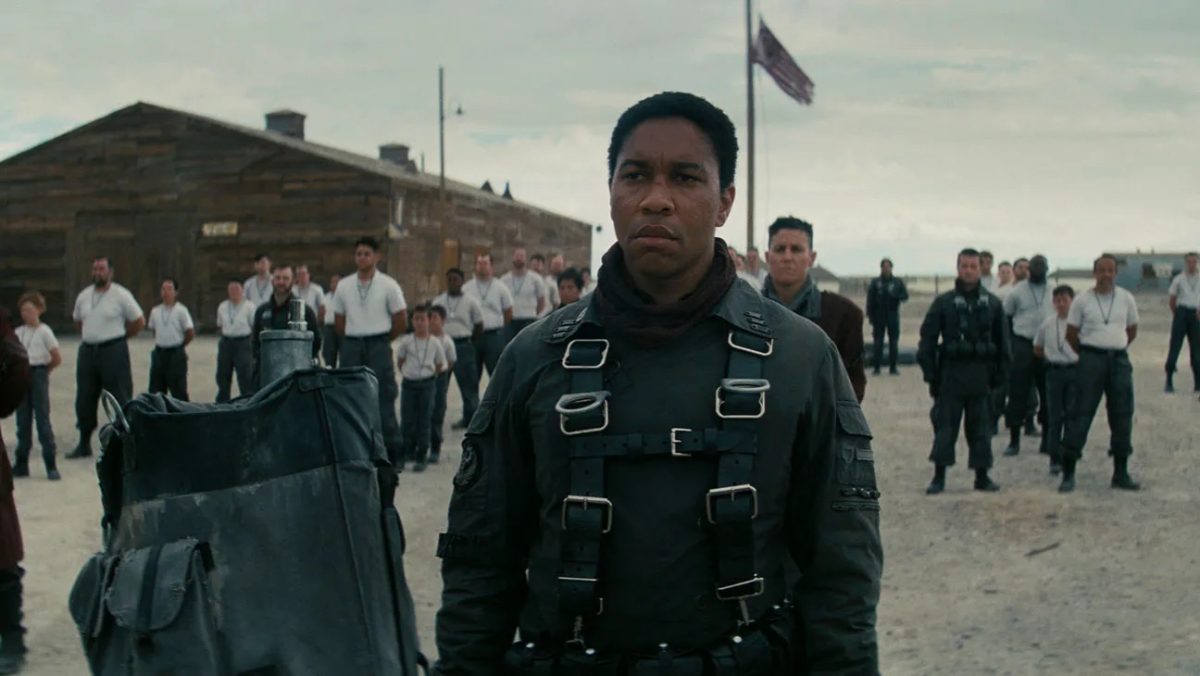
However, the show has blundered into an issue with stunt casting. Both Kumail Nanjiani and Macaulay Culkin appear in two episodes, and whilst Nanjiani’s Paladin Xander serves as a mentor figure, Culkin’s Lacerta Legate exists without much purpose or character. He looks set for a larger role next season, but for now, his entire purpose seemed to be to have people see an adult Kevin McCallister dressed as a Roman covered in blood. Other cameos, such as Ron Perlman, are fan service, given the actor’s contributions in the games over the years.
The primary issue with this season is that there are now too many plotlines, so none have time to breathe. Vaults 31, 32, and 33, a singular B-plot in season one, are split into a plotline for each vault, mainly to keep the characters around because they were in season one, and will be important later, but for now, Vaults 33 and 32 are stuck going nowhere without resolution. Which is a shame, as they involve some of the most playful filmmaking moments of the season in episode six. Despite its potential, Norm’s (Moises Arias) plotline suffers the most of these three.
He ended season one trapped in Vault 31 with a brain on wheels, and this season leads a group of Vault-Tec employees he woke from cryosleep into the wasteland. It appeared set up to be focused on character dynamics, with Norm becoming a leader whilst trying to keep the fact that he’s not a fellow employee a secret.
However, the pacing soon becomes rushed, with the editing skimming through episodes so quickly that these moments register as an outline rather than a fully developed plot. All of this is balanced on top of a plotline in the past, alongside several more in the present. As a result, it has to adopt a “Rings of Power” approach, never a promising sign, where important characters miss several episodes to make them less cluttered.
The character who suffers the most from this overstuffed season is Maximus (Aaron Moten), one of the main characters, reduced to the sidelines. It feels like his plotline only begins in episode four, after which the Brotherhood of Steel is jettisoned from the season until a post-credits scene in the finale, and he just wanders around until episode seven.
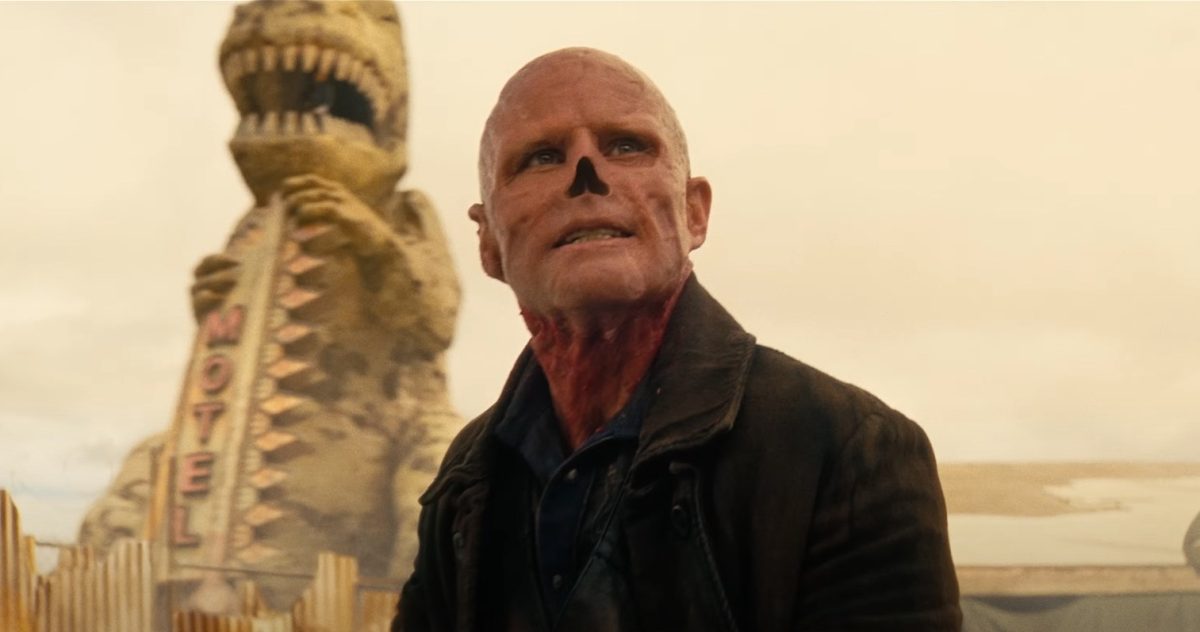
Moten is able to deliver a great performance with what he is given, especially in the few scenes shared with Nanjiani and Goggins, but after where he was left in season one, this feels like a major letdown. The problem with separating the major characters is that each storyline demands more time, stretching the narrative thin. It’s a lesson the writers may take into season three, hopefully alongside restoring more interaction between Lucy, Maximus, and the Ghoul, whose dynamic formed the emotional core of season one and is largely absent here.
Where the writing has struggled, the other departments have not. The show remains one of the most gorgeous on streaming right now, shot on film to fantastic results. The grainy texture adds to the world and complements its atompunk aesthetic. Similarly, the use of needle drops never feels tired, the songs from the 1950s adding to the retro feeling, contrasting the postapocalyptic nature of the show’s present to amusing effect. None of them is out of place, each one fitting the scene they are played in. And whilst not as strong as his work for “Game of Thrones,” Ramin Djawadi’s score is used effectively.
A scene featuring a combination of the Brotherhood of Steel’s theme with the Star Spangled Banner was unexpected but worked, given the context of the Brotherhood’s goals and the scene itself. The creature design and makeup departments deserve all the praise for their work. The radscorpions in episode two and the radroaches in episode eight are brilliantly designed, effective precisely because of how horrifying they are. The cartoonish amount of gore and grime placed on the characters matches the show’s tonal balance of humour and capitalist hellscape to perfection, maintaining its visual identity whilst many of the locations have changed. Everything still feels cohesive, and the wasteland feels alive.
All roads are seemingly leading to Colorado, a location the games have only mentioned, for the third season. It most likely won’t be the show’s last, but at this point, it seems a yet-to-be-announced fourth season would be where it ends. Hopefully, the story will be more focused in the future instalments, but with so much left unresolved, that might be a tough task.



![Hellraiser [2022] Movie Ending, Explained – These Hellish Sights Come At A Dear Price](https://www.highonfilms.com/wp-content/uploads/2022/10/Hellraiser-2022-768x408.jpg)