In 2022, Jeremiah Kipp’s “Slapface” stunned me in the best ways. “Slapface” is an uncompromising look into physical and psychological abuse, and how the lines between safety and danger blur when our worldview is molded by trauma. Kipp maintained a consistently (and somewhat suffocating) bleakness throughout, demonstrating the ability to peer deep into the dark recesses of our minds.
In the same year, DarkStone Digital’s “The Mortuary Assistant” launched across all gaming platforms, promising a randomized horror experience inside the deceptively normal River Fields mortuary. But when Rebecca Owens is forced to cycle through the dead and discern which one of them is demonic during her night shift, River Fields comes alive, like a tomb intent upon snuffing her life out.
“The Mortuary Assistant,” although flawed on the technical front (clunky controls, repetitive gameplay), plates up delicious atmospheric dread through effectively simulated scares. The intensity of the frights can be controlled via a sliding fear meter, which quickly (and brutally) ups the ante as players start to feel a bit too smug.
Kipp’s handling of “The Mortuary Assistant” feels sure-footed, as the adaptation understands that creative liberty is unavoidable to streamline the story for the visual medium. For starters, there’s no fear customization here, meaning that Kipp has to anticipate audience expectations and subvert them along the ride.
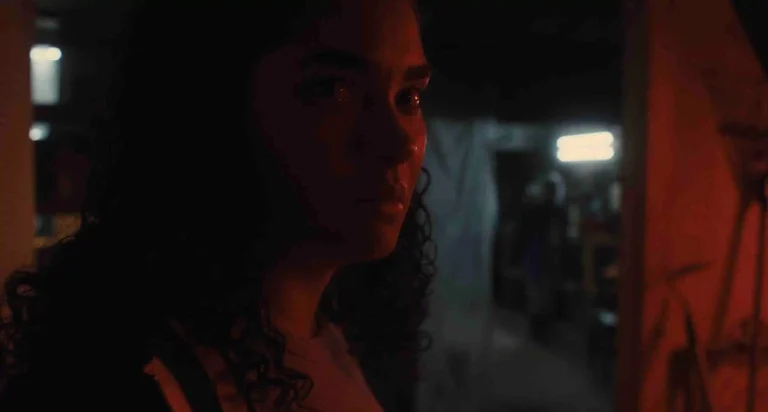
Also, by virtue of being in Rebecca’s shoes, we embalm, tally, and react to hauntings on an individual level, which cannot carry over to the cinematic experience. This is why Kipp opens the film with Rebecca (the wonderful Willa Holland) completing her internship at River Fields, with Raymond Delver (Paul Sparks) supervising the process. We do get a scene with Rebecca’s grandmother during an AA meeting, setting up the iconic scare related to her down the line.
A glaring difference between the two stories is how heavy-handed Rebecca’s possession feels, as it starts right off the bat and spills over into her personal life. Raymond doesn’t lock her in on her first night shift like in the game, but she experiences such intense hauntings that she carries those demons home.
The schlocky, B-movie bent in the game works within the framework of first-person horror: when in-game Rebecca glimpses a demon perched on top of a cabinet, it disorients her enough before vanishing, making her question her sanity. Similarly, when she hallucinates limbs getting twisted or spurting copious blood, the surreal nature of the scare contrasts vehemently against the supposed normalcy of her night shift.
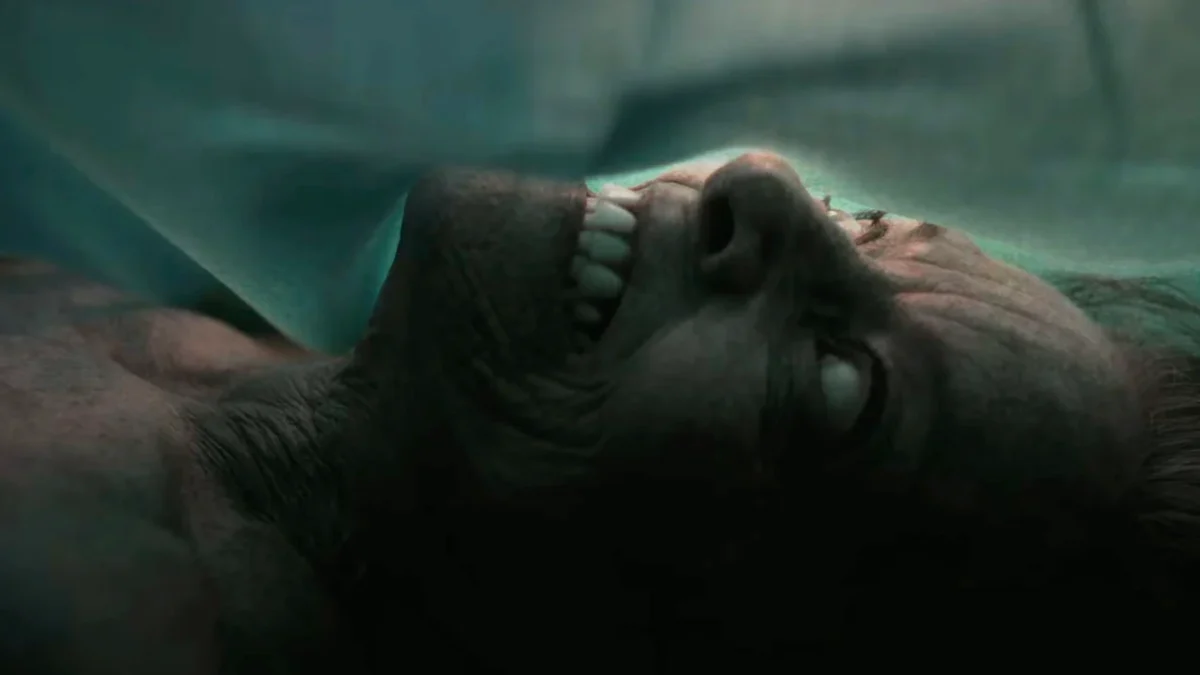
These elements don’t transfer well into Kipp’s adaptation, as it manifests with clouded eyes and erratic body language that doesn’t manage to scare. As Rebecca is pulled under the spell of the demon so quickly, the amped-up nature of the game narrative is exchanged for uneven pacing that front-loads on the horror a bit too much. The Mimic, which is an embodiment of the demon’s envy towards humanity, also makes several appearances, dulling the shock of encountering (and being manipulated by) such a grotesque entity in the dark.
This tediousness is counteracted whenever we see Rebecca handle the dead bodies, as Kipp’s “The Mortuary Assistant” boasts excellent practical and special makeup effects. The embalming process isn’t followed as thoroughly here, but whatever glimpses we get of skin being stapled together or guts being snipped off are pitch-perfect in relation to the game.
When Rebecca notes down lacerations on the bodies or pumps out the blood from their systems, the movie comes closest to the dread-inducing in-game experience, especially when bodies twitch or vanish when she’s not looking. This dread, regrettably, isn’t sustained, as the horror takes on a haphazard quality as the letting strips are lit and the night hurtles towards sunrise.
The set design is also worth commending here, as River Fields feels like a 1:1 recreation, replete with its gaudy, eerie reception decor and its sickeningly vacant morgue room. While the entire property is cleverly employed to deliver some thrills, the scares feel a tad bland, as they rely on telltale horror conventions that have been used time and again.
This is a shame, as both Raymond and Rebecca emerge as complex characters here, haunted by the inability to break free of a cycle that roots them to the mortuary. Kipp uses a blend of the game’s different endings to spice things up here (including the emotional Closure ending with Rebecca’s deceased father), but the results feel underwhelming.
Holland is the exciting pulse that keeps “The Mortuary Assistant” alive, investing the story with enough nuance to set it apart from run-of-the-mill genre fare. Her Rebecca is extremely compelling even when the demon fails to scare, giving those who are not acquainted with the game a solid reason to see this gnarly journey through. “The Mortuary Assistant” is a sincere and valiant effort at bringing an interaction-heavy horror experience to life, but it lacks the atmospheric anxiety necessary for a traumatized protagonist to keep embalming bodies while a demon breathes down her neck.