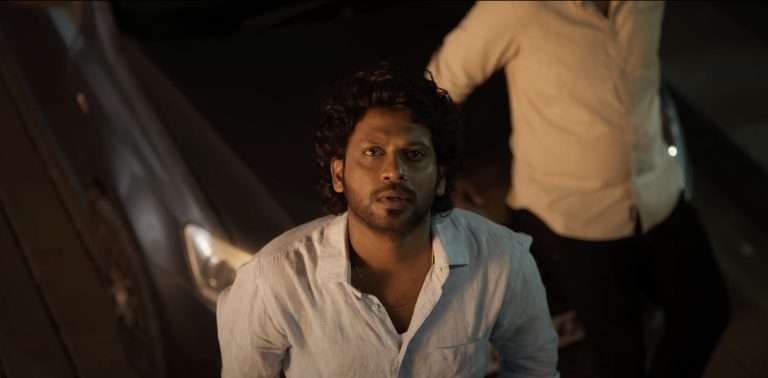
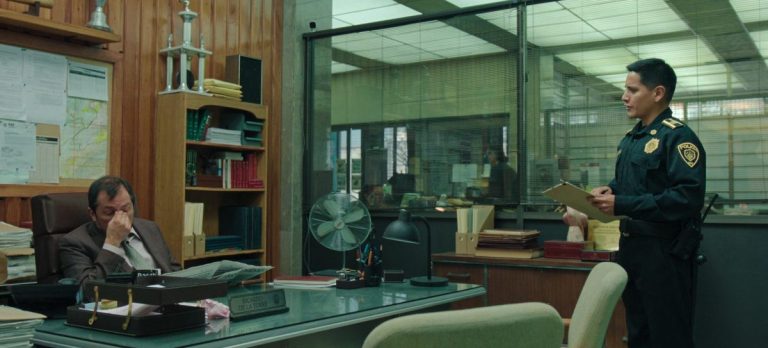
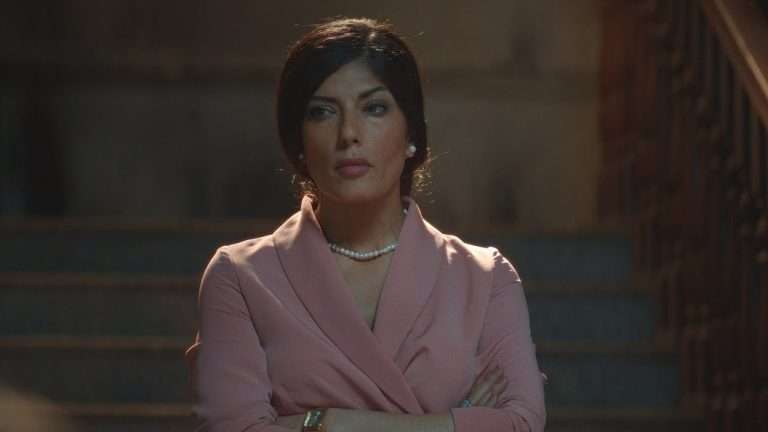
With a 7.2% rise in crime and over 6.5 million cases, India has come to resemble a living archive of criminal narratives. In such a climate, the surge of crime thrillers in cinema and web series is hardly incidental. This genre – direct, accessible, and immersive – offers both pleasure and public awareness, demanding little more than sustained attention in front of a screen.
While Western and Nordic storytellers were shaping grim, morally complex worlds through “True Detective,” “The Wire,” “The Bridge,” “Forbrydelsen,” and “Trapped,” Indian television largely remained invested in family melodrama and collegiate romance. The arrival of “Delhi Crime,” “The Family Man,” and “Paatal Lok” marked a decisive shift. With these, Indian storytelling stretched into darker, more unsettling terrain where crime became a mirror held up to society itself.
When “Kohrra,” directed by Randeep Jha, arrived on Netflix, expectations leaned toward another familiar Indian crime template. Instead, even in its first season, the series quietly changed that expectation. It turned away from spectacle and overt social signalling, choosing instead to probe the smaller, often ignored corridors of crime that exist beneath its larger architecture.
Though anchored in the moral rot of an upper-class family, its hypocrisies, silences, and inherited violence uncover a Punjab rarely seen on screen. Here, capitalism works through panic, delusion, and asymmetrical power, tightening its grip on the lower classes with a cruelty that feels both intimate and systemic.
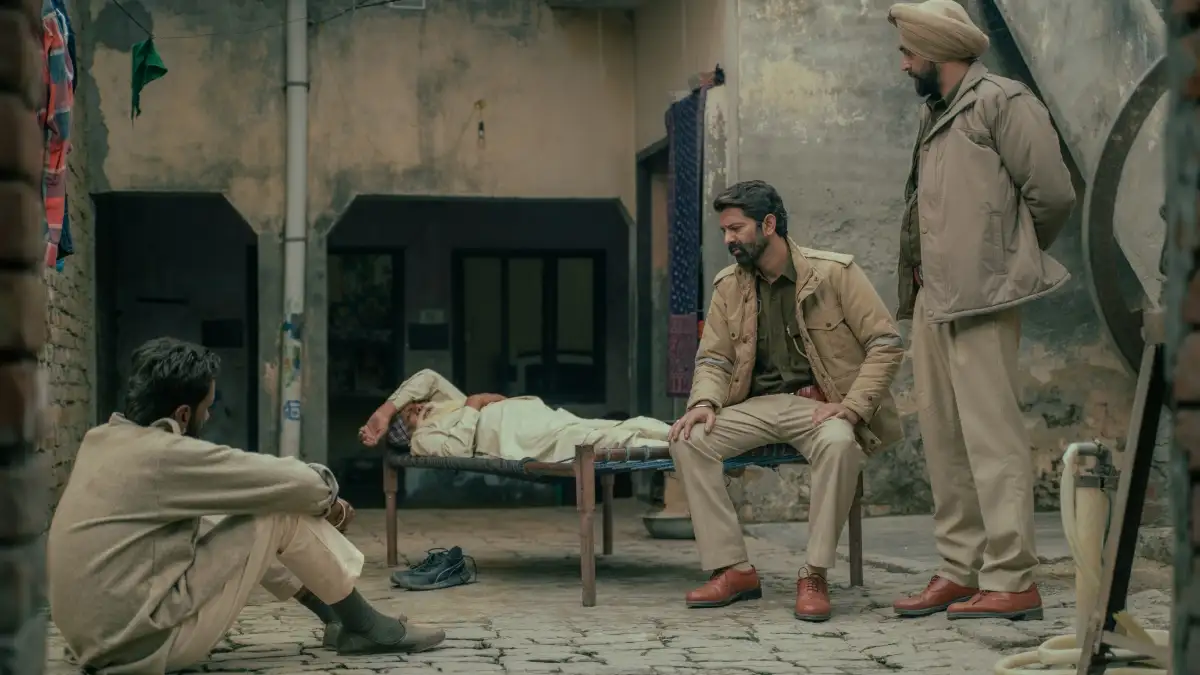
With the second season, Randeep Jha and creators Sudip Sharma, Gunjit Chopra, and Diggi Sisodia defied the familiar fate of Indian web sequels, which often dilute the force of their origins. Rather than revising or overstating its premise, “Kohrra” remains faithful to the moral and tonal discipline of its first season, sustaining narrative momentum without spectacle or strain.
Even as the investigation carries subtle Scandinavian echoes – in its pacing, framing, and treatment of violence – the series never slips into imitation. Borrowing a visual or procedural grammar is not an act of compromise. It is a form of learning. Here, influence becomes enrichment, opening unfamiliar worlds to viewers without unsettling the integrity of the story being told.
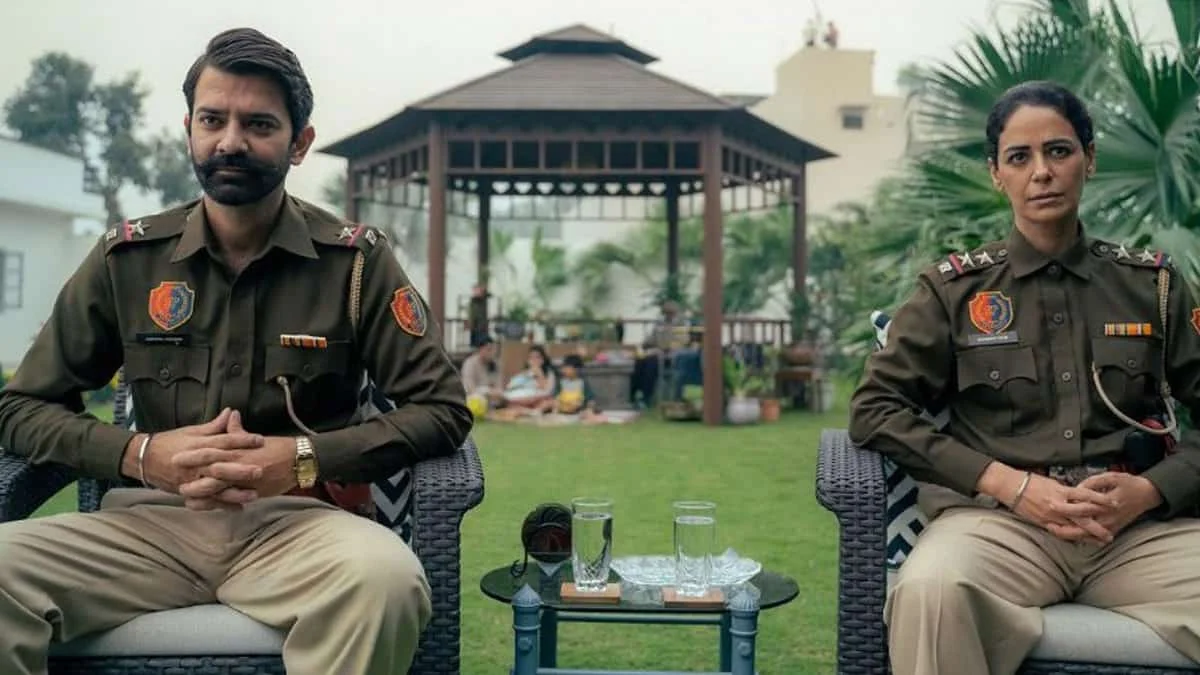
The series opens with a brutal image: a plough driven through the body of a woman, Preet (Pooja Bhamrah), as the camera lingers not on the victim but on the weapon itself, while the police enter the frame quietly. This deliberate gaze reduces human life to an object, signalling a world where corruption, bigotry, and escalating crime render law enforcement increasingly inconsequential. Into this moral vacuum step Amarpal Jasjit Garundi (Barun Sobti) and Dhanwant Kaur (Mona Singh), both marked by private failures.
For Kaur, reinstated after a year-long suspension, the case is a bid for professional and personal restitution. Garundi, by contrast, investigates with practiced detachment, treating policing as routine while his emotional life lies elsewhere. Their imbalance is not merely temperamental. It generates the ethical tension through which the crime unfolds.
Also Read: The 13 Best True Crime Documentaries You Can Stream on Netflix Right Now
This mode of storytelling often gestures toward the unspoken codes people continue to obey even while engaged in urgent, high-stakes work, codes shaped by culture as much as by hierarchy. Here, it exposes not only the moral architecture of Kaur’s private life but also the social world that formed Garundi. It gives meat to the character who is ideal yet appears reluctant.
For Kaur, still negotiating the aftershocks of trauma, the profession becomes a refuge, an ordered space to momentarily evade the disorder of her own reality. Garundi, conversely, carries the imprint of a society that normalises detachment, where duty is performed without the burden of ethical introspection.
Such oppositional character design is a familiar device in crime narratives, yet the series resists reducing it to a formula. The restraint in performance and writing refuses to frame either character as driven by heroic resolve or psychological spectacle. Instead, they move through the investigation unencumbered by narrative excess, neither propelled by grand moral compulsion nor shackled by melodramatic inner turmoil. The series never announces its social commentary.
Patriarchy, class oppression, illegal immigration, and detainment are folded quietly into the narrative, allowed to register through accumulation rather than impact. These concerns seep in, slow and almost imperceptible. Even its ideal figures remain flawed, judgmental, casually misogynistic, and firmly lodged in moral grey zones. What distinguishes them from the rest is their intent. A tentative willingness to reorient themselves, to imagine change within the very social structures they inhabit.
North India’s complex social fabric – marked by entrenched misogyny and hostility toward outsiders – is a lived reality, yet its screen representations have often slipped into caricature. Here, despite a familiar setting, the telling resists shorthand. Oppression is not staged; it is allowed to bleed through the wounds of those who endure it.
The series draws us into these fractures while anchoring the narrative firmly in investigation, ensuring that empathy and inquiry move in parallel rather than at odds. The revelation of the perpetrator and its origin destabilises the entire social architecture that the investigation has patiently assembled. The disclosure casts a long shadow over every character, gathering the signs society offers us daily and that we repeatedly choose to ignore.
The effect is unsettling: a moment that makes one pause, temples pressed, as crimes multiply quietly in the background of our indifference. In a country wrestling with questions of identity and class, exhausted by the cyclical theatre of protest, the series reflects the consequence of this fatigue, showing what emerges when the balance finally, and irreversibly, tips. The second season of “Kohrra” invents something original, which should not be replicated since it will be ineffective after this show’s strong voice.
Ultimately, the series refuses easy closure. It leaves us with the discomfort of recognition, reminding us that crime is never an isolated act, but the cumulative outcome of silences, indifference, and social fatigue. In holding a mirror to these fractures, the show asks not who committed the crime, but how long we can continue to look away.