Nastasya Popov’s “Idiotka” takes giddy pleasure in its modest scale. It has this scrappy texture that stays in consonance with the lived reality of its protagonist, not superfluously taped on. There’s a sincerity in its atmosphere that keeps you glued, never risking boredom or being too wayward. If at all, its loopiness is what’s so exulting and delicious about it.
Margarita (Anna Baryshnikov) is resourceful, not self-pitying. She’s determined to rise above her circumstances. The film might poke at her means, but she’s never reduced or ridiculed. She is smart and clearly talented. But often talent doesn’t just suffice. It demands backing, patronage, quite a bit of padding with social class, especially given the sector of fashion she seeks to break into. In the Russian district of West Hollywood, Margarita ekes out a living with seedy fashion label appropriations. But there’s an overwhelming disadvantage on the domestic front.
The family is many months behind on rent. Money is a real problem. They are already struggling to stay afloat, and this is compounded by Margarita’s demanding desire. However, a door seems to open when a producer of a new fashion reality show, Nicol (Camila Mendes), brings an alluring proposition. Margarita gets fired up. She impresses the screening committee and becomes a participant. But the show also mandates the participants to give windows into their private lives and family drama. The swashbuckling fashion and family complications are entwined in the show’s purview.
Popov wields a wickedly comic affinity for unsheathing liberal pretensions, the facade put up for winning social merit brownie points. The performance of being progressive through sartorial projections is skewered with great relish. It enormously helps that Popov has gathered an ensemble that’s absolutely game, stretching the farcical and being tremendously sporting in whatever ridiculousness they ought to ace.
Beneath the absurdity, a rich vein of warmth pulses through. It can be rip-roaring, but knows well to trust in the dignity and humanity of its characters. The father has his scars, which do get addressed. This isn’t the kind of film that’d discount those but threads them and the pent-up shame and the feeling of inadequacy right to the fore.
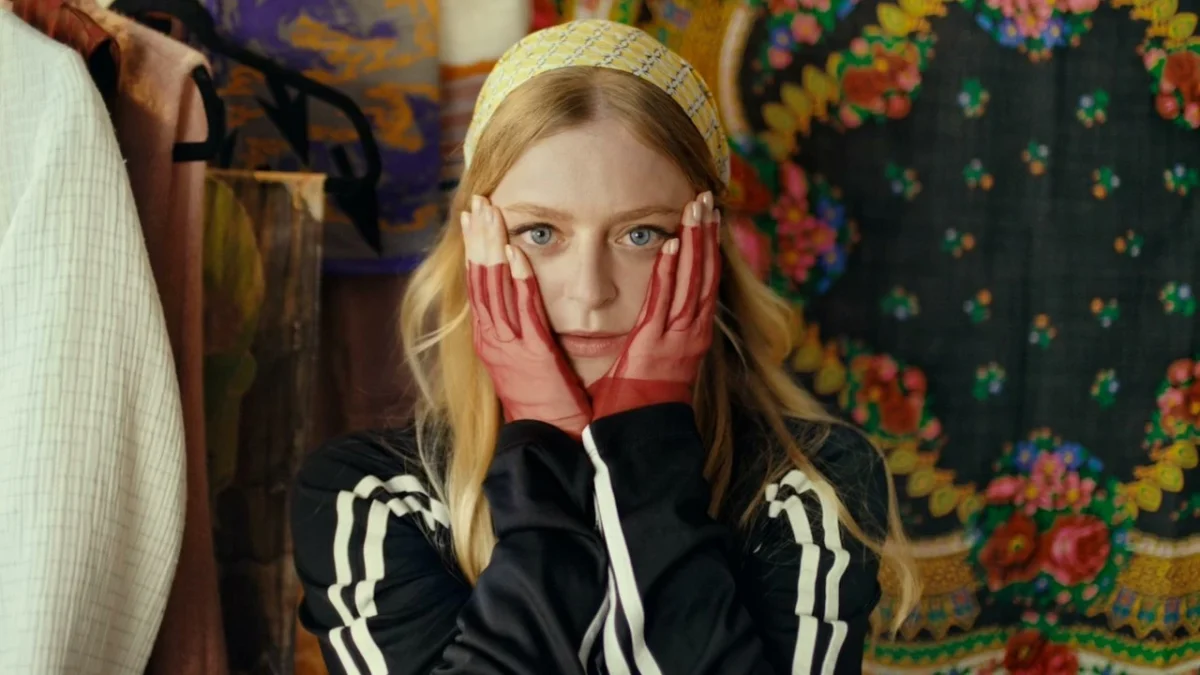
There’s a chaotic, crackerjack energy pounding through, which the actors are all unswervingly committed to. There’s no backtracking from the particular tone and pitch in the performances. These lend the film a consistency. The gags keep coming, and they don’t disappoint. The energy doesn’t dip; it gets occasionally swapped with poignant thrust. Yes, there are portions when the film does sag. But there’s such a spirited buoyancy with which Popov takes her film forward. The family’s conflicts and worries are rooted, eclectic, and endearing.
Margarita’s grandmom, Gita (Galina Johovich), is the barnstorming of them all. She’s the kind of character that sweeps up on you, hijacking your heart as effortlessly as she commands attention even in rooms where she might be the least privileged. Her zest for life motivates Margarita, who has to deal with the adversities of finances otherwise.
But Margarita has to work with her father on his guilt, shame, and regret for pushing the family into such an abyss. He holds himself responsible for stunting their fate. It’s now up to her to salvage them and restore some hope, even if it appears too fanciful and far-fetched. Though winning might seem too outrageous and implausible, Margarita will baulk at nothing to seize some of her dreams. She’s not someone to back down despite the looming impossibility of situations.
“Idiotka” is most delightful and unhinged when it corrals the various participants, judges, and competitive rounds. The low-budget-ness churns out a stage for peculiarities, clashes, and abundant misfires. There are snide judgements and caustic comments Margarita and her fellow participants have to weather. Baryshnikov oozes pure spirited stardom that’s capable of lifting sketchy scenes and meandering plot outlines. Often, a leading turn can redeem a film’s niggling flaws. The film fluctuates in how biting it wants these sections to be, which diminishes some of its effects.
At one point, we sense a real sharpness to the faux culture police; another moment, it all seems utterly facetious. The juggling isn’t as seamless as Popov ostensibly intends. When she flips to the family, the film is especially jarring, despite the warmth and affectionate eccentricity of their exchanges.
Nevertheless, the climax is a big and generous hug. It brings such a rush of joy and camaraderie in a difficult time. We leave with smiles in a bittersweet effusion. It’s easy to fall for this film despite its occasional vacillations. Popov ensures there’s a throbbing heart of gold amidst the mess and bustle of people trying their best in spite of meanness and hard times. That alone sails us through.