Now you’re probably looking at this list—the title, the guy who wrote it—and gazing in disbelief at the notion that the good folks over at High On Films couldn’t possibly find anyone better-suited to gush over the films of James Cameron.
Perhaps someone who’s fully bought into the hype on any one of the critically lauded box office smashes he’s made in more than a quarter-century, or who’s had anything even remotely positive to say about his abilities as a screenwriter for many years before that.
Well, despite what some may be inclined to believe, nobody who’s felt the warmth of even a single ray of sunshine in their cold, morbid lives is fully immune to Cameron’s grasp of spectacle 100% of the time.
There is, at the best of times, a greasy charm to Cameron’s perpetual arrested development as an architect of character when paired with the undeniable ambition of his ever-developing quest towards pushing the moviegoing experience beyond the limits imposed and assumed by his predecessors.
At those best of times, the Canadian blockbuster technician meets the moment where that bare approach to audience identification lends itself perfectly to the more obvious complexities of the boundless worlds they come to inhabit, and in ranking all of his films from worst to best, the virtues of that rougher approach to an emotional truth become as clear as the vast ocean water he loves so dearly.
10. Piranha II: The Spawning (1982)
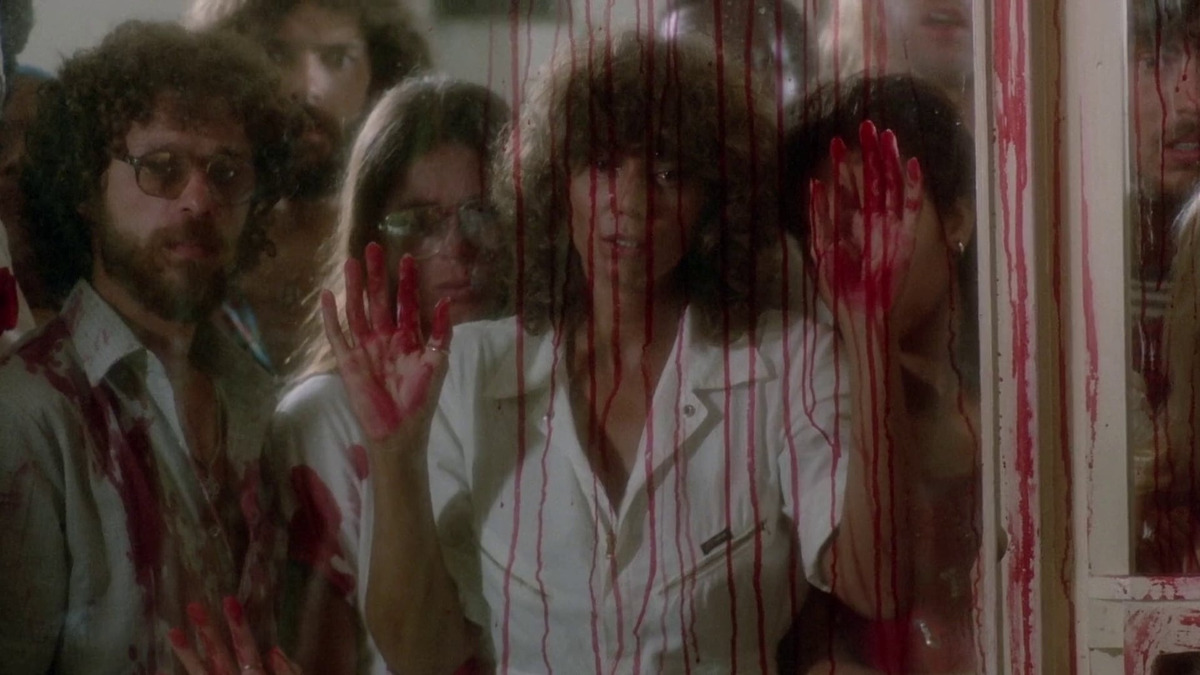
Was it ever in doubt? James Cameron looks upon “Piranha II: The Spawning” with even less fondness than Eddie Redmayne has for his role in “The Danish Girl” or JFK’s ghost has for convertibles, which is to say that, all said and done, he’d be happy to scrub every last hint of the film’s existence and its ties to his legacy from the face of the planet.
And while the film isn’t quite as unwatchable as all that—its greatest setback is being one of an endless series of “Jaws” ripoffs that surfaced from the deep in the aftermath of Steven Spielberg’s success—it isn’t difficult to see why Cameron would much rather leave this mauled carcass to sink into obscurity.
For what it’s worth, “The Spawning” does help us trace Cameron’s adoration for aquatic settings all the way back to his filmmaking genesis, but the on-set friction the first-time director—himself initially just a VFX supervisor until he was called up to bat upon the firing of original director Miller Drake—experienced with Italian producer Ovidio G. Assonitis is clear as day in the film’s choppy editing, disjointed script and disinterested handling of its performances. If nothing else, the film’s wooden, perpetually ‘80s dialogue sets a benchmark for comparison that makes all of Cameron’s later moments of emotional stuntedness look like Shakespeare by comparison.
9. Avatar: Fire and Ash (2025)

Judging by the expected, if disappointing (depending on who you ask) headlines about yet another multi-billion dollar box office haul for one of Cameron’s space-bound epics, it’s safe to say that we “Avatar” Agnostics have firmly lost the war against his refusal to tell more than one-and-a-half stories with a different coat of Na’vi war paint. Still, it’s difficult to view the saga’s latest installment, “Fire and Ash,” as one that has anything of note to offer beyond the previous six hours Cameron has spent holding us hostage on Pandora, let alone for the longest single go-around yet.
Yes, the visual effects are as dazzling as ever, and yes, the final set-piece does occasionally get the blood pumping as Cameron ventures into new territories of rote action storytelling (the ever-popular blue skybeam?) and attempts to find new nooks and crannies to explore there.
But with so much time spent in this world and so little interest in fleshing out the characters living there beyond one or two core traits, “Fire and Ash” struggles most obviously in the quest to justify its own existence. Introducing the elemental theme of fire and doing virtually nothing with it, Cameron’s latest proves to be just another flame that burns brightly before snuffing itself out.
8. Avatar (2009)
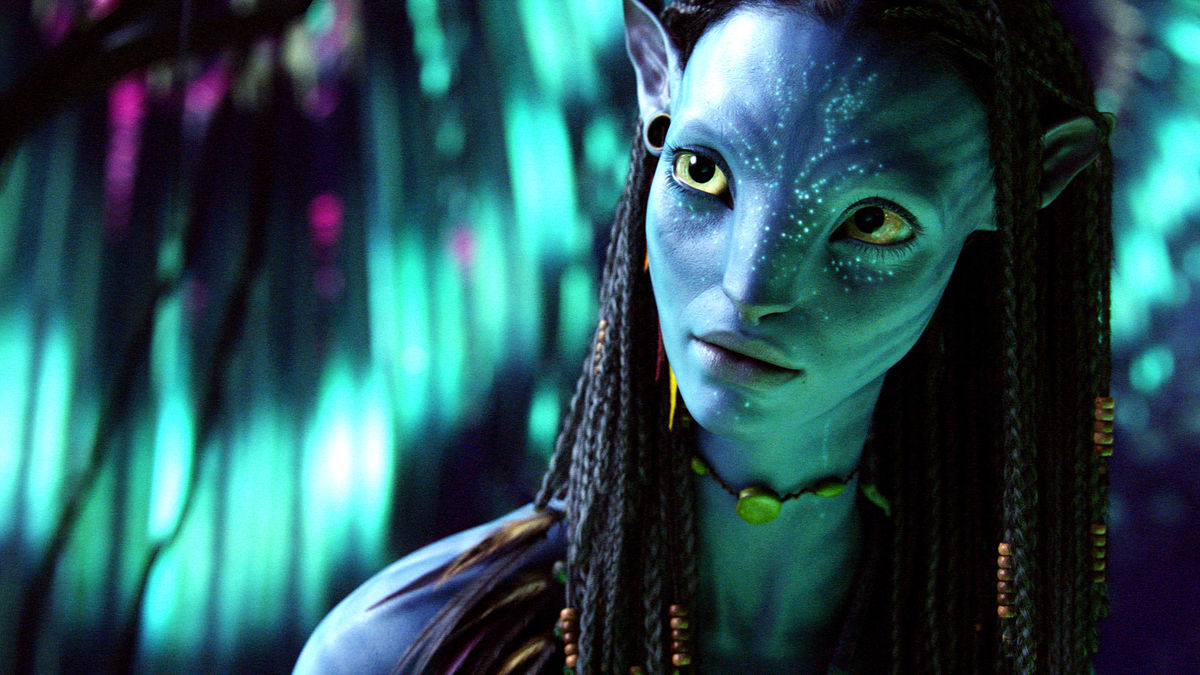
At the risk of merely repeating the same tired criticisms of “Avatar” that have floated around since it first blew up the multiplexes in the waning days of the 2000s and set a new standard for 3D filmmaking that every Hollywood studio would try and fail to recreate for another half-decade—the dialogue is terrible, Sam Worthington is a wet blanket, it’s basically “Pocahontas” meets “FernGully,” etc.—it might actually be appropriate to adhere to the same spirit of shameless repetition in which the film itself thrives.
But still, “thrives” is the operative word here, as Cameron’s introduction to the world of Pandora is admirably propulsive in its exploration of a tired “nature fights back” narrative thread, thanks to a thorough commitment to the effects-driven spectacle that holds it all together.
Whether you think “Avatar” deserves to be the highest-grossing film of all time or not (answer: probably not), it’s tough to deny the escapist power that Cameron’s more devoted image-making efforts represent as a bastion of old-fashioned epic storytelling with the help of a few new toys. Cameron’s heavy reliance on technology to tell a story about a society endangered by the spectre of destructive progress is a contradiction that may further turn away the film’s more devoted detractors, but in praxis, it’s a contradiction that plays surprisingly well as a means of world-building immersion.
7. Avatar: The Way of Water (2022)

The biggest drawback of “Avatar: The Way of Water” is—and say it with me, everyone—James Cameron’s unapologetic refusal to stray too far from the beaten path. Some would argue that the extensive world-building that moves to the director’s favourite setting (the deep blue sea) instantly negates this critique, but at its core, “The Way of Water” remains the largely the same “outsider learns the ways of an Indigenous tribe to become one with nature and repel the evils of humanity” outline he gave us one film and 13 (Jesus…) years ago. Essentially, Cameron took the same “fish out of water” framework he revered in the first “Avatar” and applied it a bit more literally this time.
In any case, those 13 years of separation between “Avatar” and “The Way of Water” do show in the incredible advancements in Cameron’s visual playground—which, lest we forget, is just about the only novel appeal this franchise has to offer. Not only do the Na’vi themselves look more real than ever, but Cameron’s commitment to embodying that way of water philosophy right down to the most arduous filming circumstances imaginable (save, maybe, for the next film on this list) brings his greatest strength, his undying enthusiasm for pushing the craft, to the forefront once again.
Dive Deeper: Avatar: The Way Of Water (2022) Movie Explained – Ending, Themes, The Politics Of Environmental Conservation & Analysed
6. The Abyss (1989)
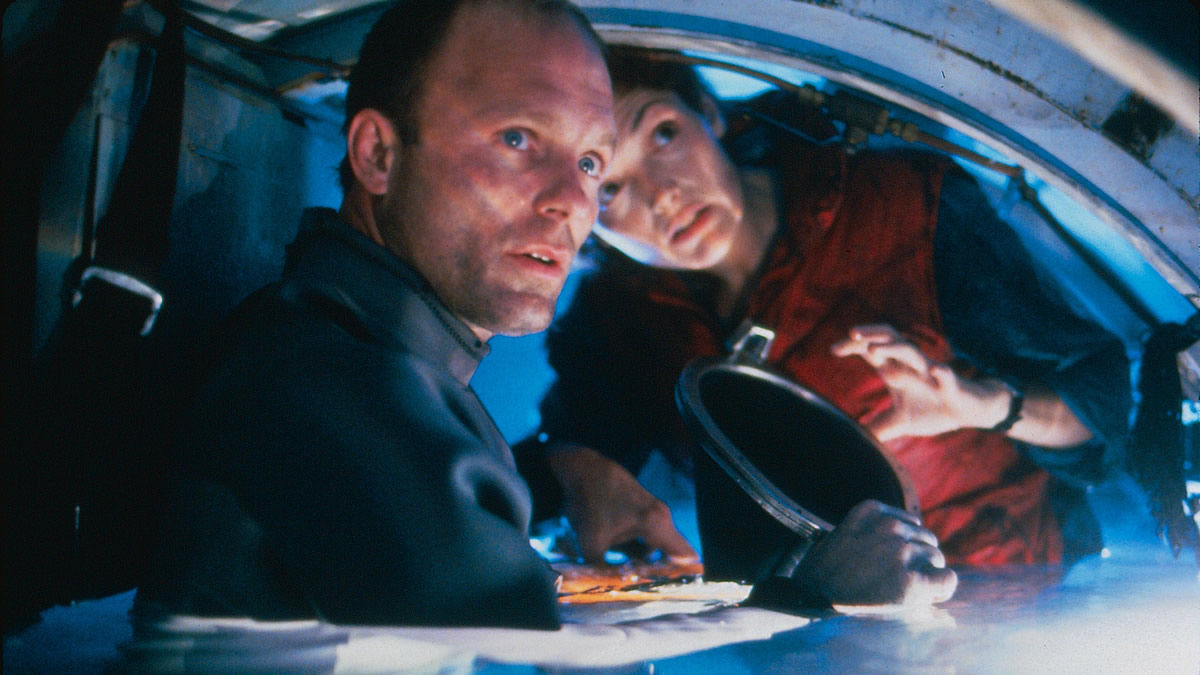
James Cameron’s love affair with all things oceanic may be traceable to his beloved debut “Piranha II,” but those first geysers of aquatic success came about seven years later in “The Abyss.” It’s a good thing, too, considering the absolute hell through which Cameron put his cast and crew all in the name of making his production as authentic as any film about sentient bodies of water could possibly be. But no matter how much crushing water pressure and mind-numbing isolation they endured, it all came in service of the first major display of Cameron’s “Spectacle Over Logic” approach to scriptwriting.
In truth, “The Abyss” is, in that sense, the first major instance in which Cameron’s pen noticeably gets in the way of his eye, as the excessively drawn-out narrative lets that underwater pressure cook for far too long until it begins to eke out from the leaking pipes. But when that pressure is at its zenith, Cameron’s grasp of awestruck tension pushes down on your throat with an effective sense of urgency, in no small part because most of that tension wasn’t even being played up for the camera.
5. True Lies (1994)

In the pantheon of massively ambitious science fiction and earth-shattering romance that defines James Cameron’s oeuvre, a film like “True Lies” is perhaps the biggest anomaly of the bunch, save for his inherent propensity towards muscle-headed action extravaganzas. With that being said, few films in the director’s catalogue have, in an auteurist sense, so viscerally tied themselves to the surrounding circumstances in the man’s personal life: namely, his divorce from fellow action extraordinaire Kathryn Bigelow.
The end result is a film so backed up with “divorced dad” energy that its particular gloss of machismo may be a bit hard to swallow in a current-day context. But there’s probably nobody on the face of the planet more equipped to recite Cameron’s particular style of sincerely hokey one-liners than Arnold Schwarzenegger, and “True Lies” benefits immensely from the reunion of these action icons under circumstances that play up their collective desires in the mid-’90s to find a balance between the explosively destructive and the explosively goofy.
Consequently, Cameron’s greatest post-”Piranha” outlier proves to be one of his more effectively paced and consistently toned efforts, whose more actor-oriented approach reads like a dying relic from a director who now can’t help but set his sights further and further from Earth.
4. Titanic (1997)
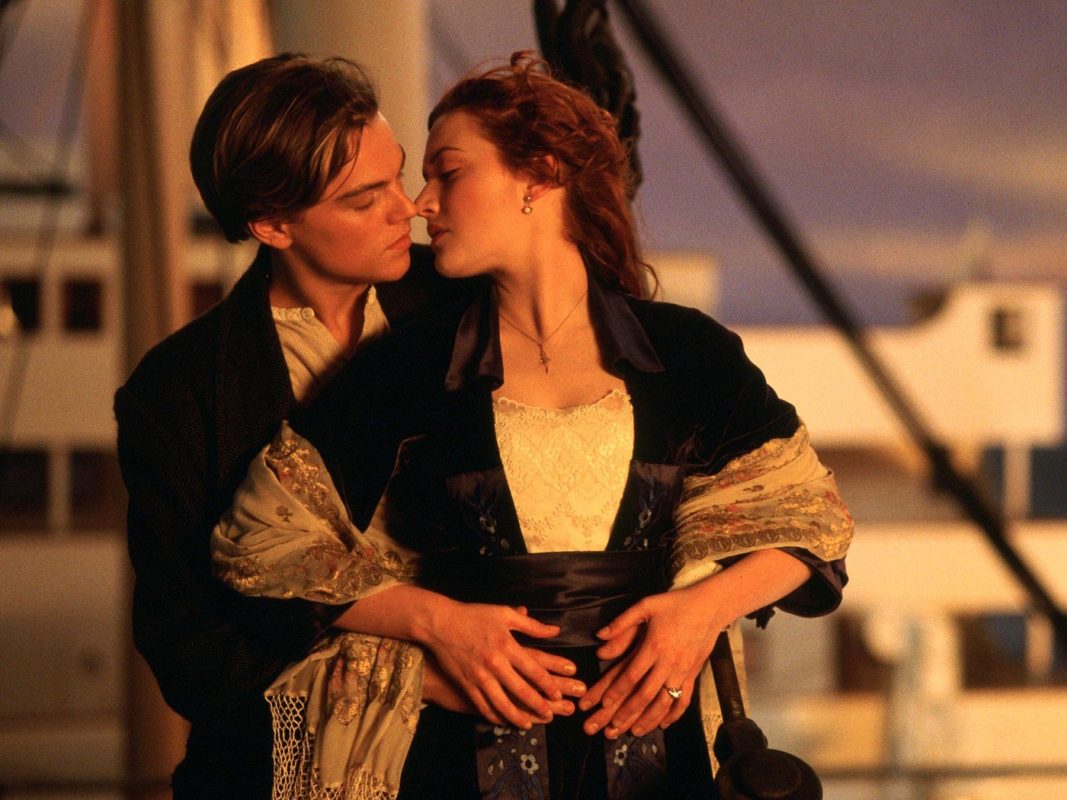
As if hitherto unimagined heights of financial success weren’t enough for him, “Titanic” also proved to be a monumental success for Cameron in terms of critical acclaim, tying both records for most Oscar nominations and subsequent wins in the history of the Academy Awards.
This time, we’re not going to get into another diatribe about whether or not Cameron deserves these unparalleled achievements (but no, not really). Rather, the immense popularity and pop culture significance of “Titanic” since its release has itself proven to be a measure of the staying power of Cameron’s most sincere piece of blockbuster mythmaking, particularly because of how directly it tied itself to the most famous disaster in world history.
Cameron’s tendency to find spectacle everywhere may thus read as an insensitive angle for the tale of a calamity that claimed roughly 1,500 lives, but the time Cameron spends with those lives in the lead-up to that impending doom—perhaps the only time the filmmaker’s thirst for infinite runtimes has served him well—allows their moments to feel less like the prelude to ragdoll physics, and more like a symbolic tribute to lives lost to the shadow of industrial imperfection.
3. Aliens (1986)
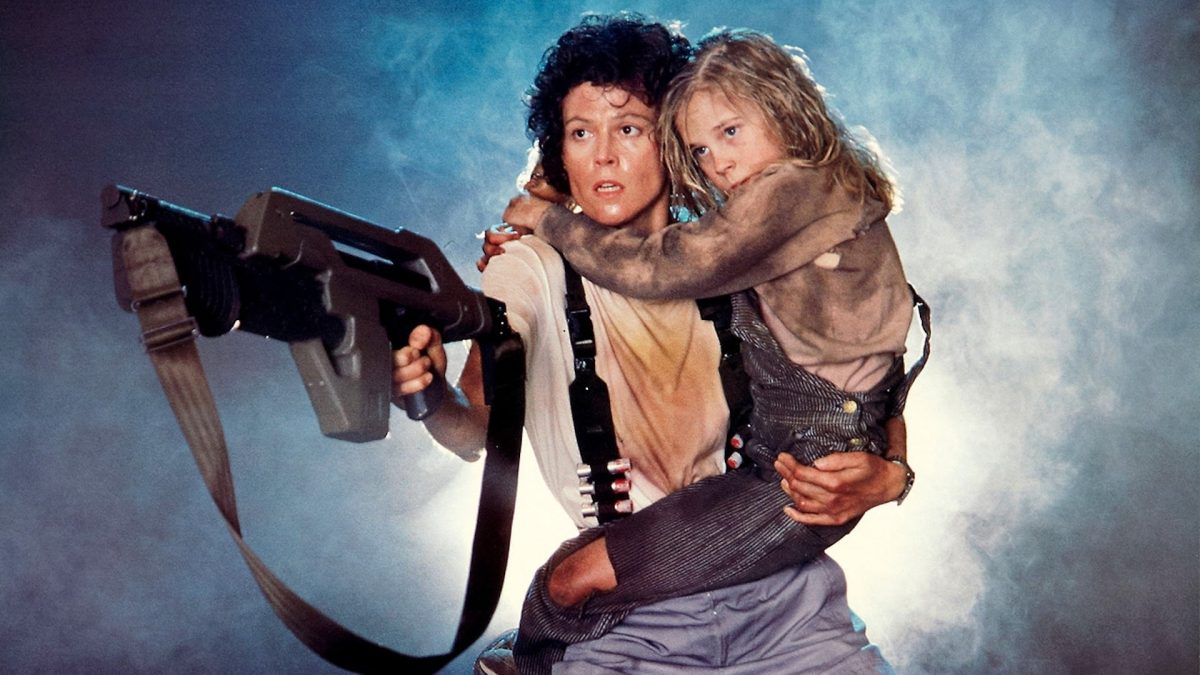
With “Aliens,” Cameron’s first real taste of franchise fun came when he found himself taking over directing duties on someone else’s franchise. “Aliens,” as has been discussed since the very beginning, was a stark departure from Ridley Scott’s 1979 classic in that Cameron traded in the genre of choice from horror to—what else?—action. Surprisingly, this massive tonal shift manages to be a welcome one, as Cameron ups the ante on the risk factor of his film’s predecessor (from one xenomorph to an entire hive’s worth) as a means of further developing Ellen Ripley’s survival instinct into a whole new context.
Sigourney Weaver’s ferocity subsequently takes centre-stage (and earned the actor a surprise Oscar nomination) as Ripley’s desperate and failed bid to warn her corporate overlords of the Pandora’s Box they’re about to open segues seamlessly into a head-first dive into that box’s bottomless pit, in an effort to bolt it shut from the inside. Cameron’s early affinity for drawing tension out of enclosed spaces allows “Aliens” to wring every drop of xenomorph saliva it can muster as the tight, smoke-filled corridors become a battleground for an endless swarm of monstrous, extraterrestrial fury.
Check Out: All Alien Movies Ranked, From Worst to Best
2. The Terminator (1984)
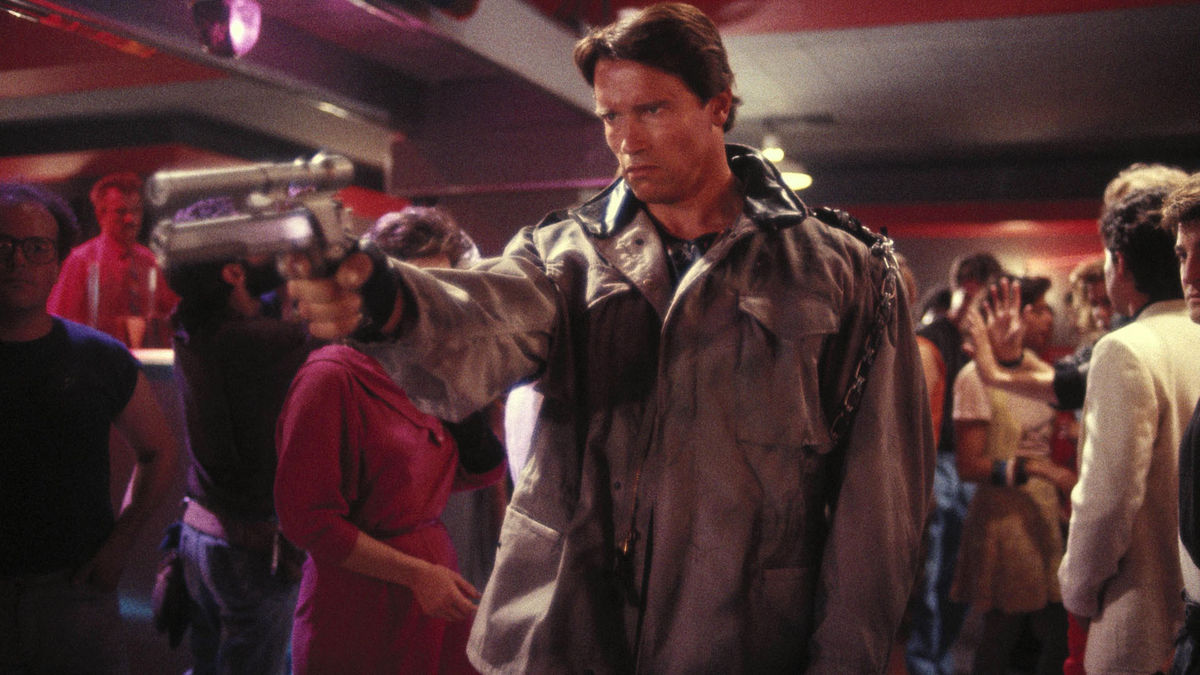
The first James Cameron film that the filmmaker could reasonably be excited to call his own, “The Terminator,” has etched a legacy in film culture to which few other modest sci-fi features could attest. The opening chapter of a long-running saga that still holds the crown as nearly the very best of its breed by a wide margin (key word: “nearly”…) Cameron’s first foray into the horrors of Skynet and the world-changing survival missions of the Connor family is perhaps the greatest testament to the filmmaker’s early capacity for (relatively) contained action beats in a film that places far more emphasis on the novelty of its concept than it needs to on any high-budget displays of its grandeur; we believe it, so we feel it.
Naturally, “The Terminator” also stands as the defining (and longest-running) role of Schwarzenegger’s career, a fact that explains itself as Cameron expertly uses his lead’s hulking physique and tendency towards robotic stoicism as the precise means through which his titular android becomes such a terrifying force of nonstop annihilation. It all started with “I’ll be back,” and both Cameron and this series would show that this one innocuous line was the understatement of the century.
1. Terminator 2: Judgment Day (1991)
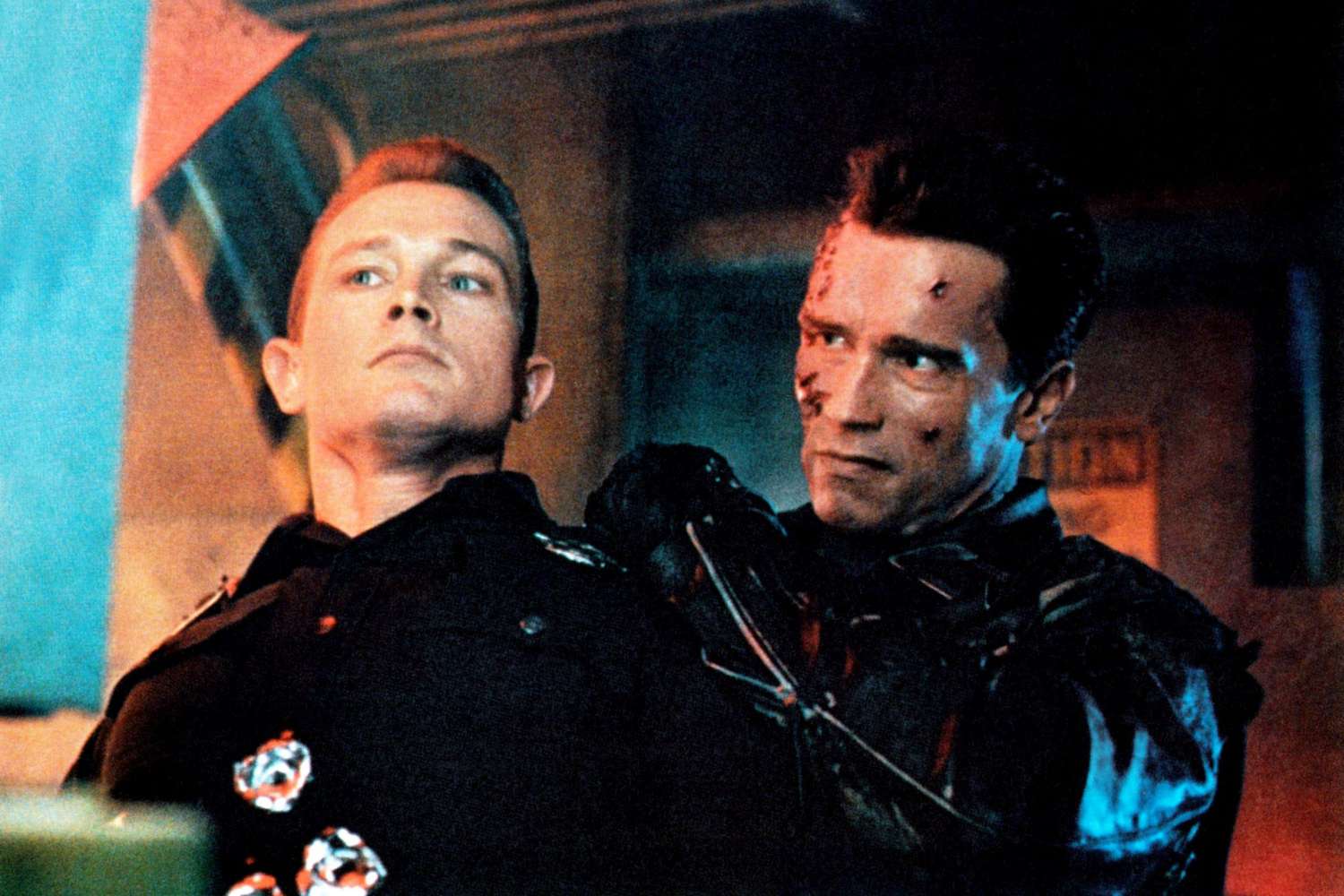
By 1991, “Terminator 2: Judgment Day” would be the third sequel James Cameron had directed across the course of his career, and in all that intervening time from the humble days of a for-hire horror job to the years just before he’d proclaim himself “king of the world,” it felt as though all that experience was leading to this moment.
A marvel of airtight storytelling, streamlined characterization, viscerally choreographed action, and unprecedentedly advanced visual effects work, “T2” was the undeniable culmination of every skill and setback Cameron had encountered up to that point, all honed towards a seismically engaging blockbuster of unparalleled proportions.
Every element that Cameron had already perfected in the first “Terminator”—the cutting clarity of his more intimate worldbuilding and the subsequent toll it has on his effectively sketched characters—comes to be magnified tenfold in the sequel, as “T2” leaves no stone unturned in its quest to increase the stakes for the world at large just as vigorously as Cameron increases the personal stakes for those souls fated with saving that world, all by merely surviving the hunt of another robotic killing machine.
If ever a moment existed in which James Cameron’s more boyish tendencies as a filmmaker can be heralded as a complete and total triumph, it’s the moment in which we find ourselves on the business-end of Schwarzenegger’s deadly shotgun.