The box office is on fire. On the weekend of May 29, 2026, two low-budget horror films dominated global charts, signaling a new era for Hollywood where YouTube-trained directors are out-earning Star Wars. Kane Parsons’ Backrooms smashed the studio record for A24, while Curry Barker’s Obsession continued its staggering run beyond $148 million worldwide. This is the full analysis of how two micro-budget horrors are redefining 2026 cinema success.
Small Budget, Big Returns: How YouTube Horror ‘Obsession’ and ‘Backrooms’ Are Beating Hollywood Blockbusters
‘Backrooms’ Breaks All the A24 Rules
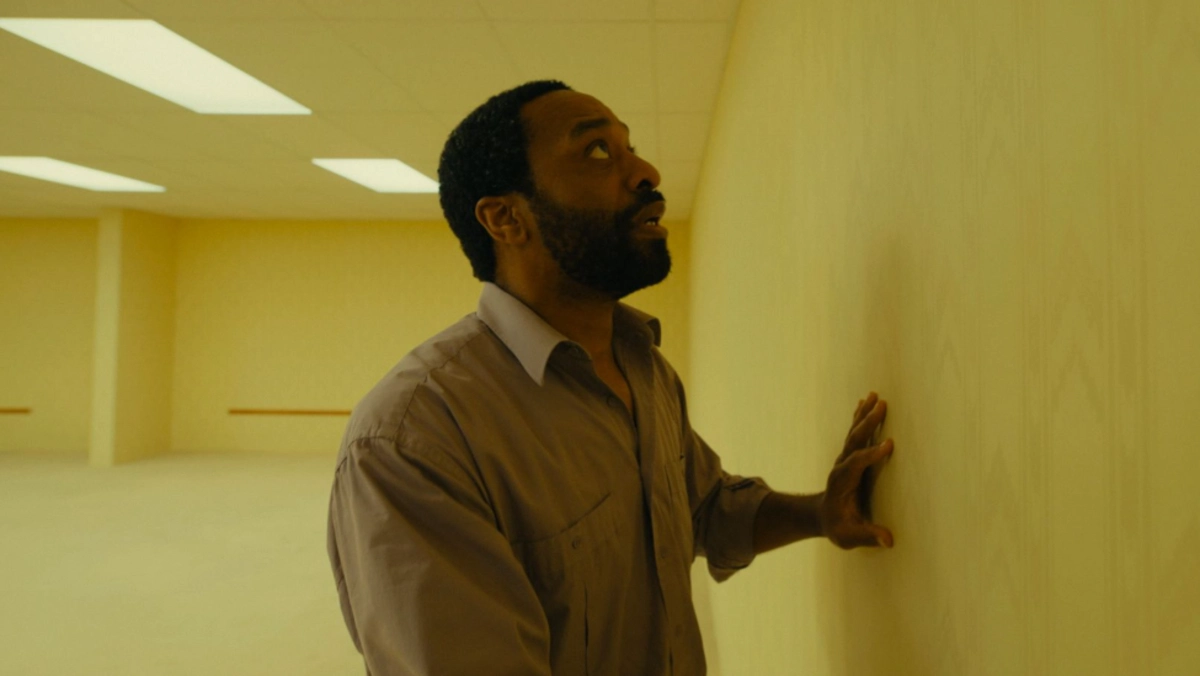
Kane Parsons’ ‘Backrooms’ is rewriting the rules for independent cinema. Released by A24 into 3,442 theaters on May 29, the film grossed a monumental $81.5 million domestically over its opening weekend. Its total worldwide gross hit $118 million. This is not just a win; it is a record. ‘Backrooms’ is now the biggest opening in A24’s 18-year history, shattering the previous record of $25.5 million set by Alex Garland’s ‘Civil War’ in 2024. It has already become the studio’s second-highest-grossing film in North America, surpassing the iconic ‘Everything Everywhere All at Once’ ($77.2 million).
‘Obsession’ Rakes in $148 Million on a Shoestring Budget
If ‘Backrooms’ is a box office phenomenon, ‘Obsession’ is a financial miracle. Written and directed by 26-year-old Curry Barker, the psychological thriller was reportedly made on a budget between $750,000 and $1 million. In its third weekend, it pulled in another $26.4 million, finishing in second place and pushing its total worldwide earnings to **$148 million**. That means the film is returning approximately 80 to 100 times its production cost. Focus Features knows a winner when they see one; they snagged distribution rights at the Toronto International Film Festival for a whopping $14-$15 million, a record for a genre film at that festival.
‘Star Wars: The Mandalorian and Grogu’ Drops to Third Place
While the indie horrors surged, the biggest franchise of them all sputtered. ‘Star Wars: The Mandalorian and Grogu’ fell to third place, adding only $25 million to its domestic total. This represents a massive 70% drop from its opening weekend. Collectively, ‘Obsession’ and ‘Backrooms’ have now grossed more domestically than the ‘Star Wars’ film in the same frame.
Micro-Budget Horror: The Most Profitable Genre of 2026
The secret to ‘Obsession’ and ‘Backrooms’ success lies in their investment return ratio. Unlike bloated blockbusters that need hundreds of millions to break even, these films turn a profit within days.
How ‘Obsession’ Achieved a 10,000% ROI
Let us look at the raw math. ‘Obsession’ cost about $1 million to make. Its global haul of $148 million means it has generated returns of over 100 times its budget. Industry estimates suggest its profit margin has exceeded 10,000%. In comparison, a $200 million epic like ‘Project Hail Mary’ needs to earn roughly $500 million just to see a profit. ‘Obsession’ also set a record for the largest second-weekend spike for a modern horror movie in the US, jumping 39% from its opening week.
Other Micro-Budget Wins: ‘Iron Lung’ and ‘Undertone’
‘Obsession’ and ‘Backrooms’ are not anomalies; they are the tip of a cultural iceberg. 2026 has already seen multiple low-budget horror titles deliver blockbuster returns. Markiplier’s ‘Iron Lung’, made for under $3 million, grossed $50 million worldwide. ‘Undertone’ was produced for a reported $500,000 and went on to gross $21.6 million. Meanwhile, bigger horror bets haven’t always paid off; ’28 Years Later: The Bone Temple’ struggled to break even with a $63 million budget.
Why Mega-Budget Movies Are Losing to “Bedroom Filmmakers”
The rise of YouTube-native directors signals a major shift in how audiences, particularly Gen Z, choose their movies. According to Deadline, studios have long complained about losing the “YouTube generation” to screens at home. The secret is giving them exactly what they want: authenticity.
The YouTube Pipeline Is Hollywood’s New Talent Farm
Kane Parsons is 20 years old. He started making his ‘Backrooms’ series in 2022 using free 3D software. His videos racked up over 200 million views and, crucially, caught the attention of an A24 executive’s child. Similarly, Curry Barker honed his craft on sketch comedy channels before selling ‘Obsession’ for $15 million. Jason Blum, the horror mogul, told The Wrap that this moment feels “like the 1970s” when young auteurs were given the keys to the studio.
88% of ‘Backrooms’ Viewers Are Under 35, And They Pay for Tickets
The data proves that young audiences will leave their couches for the right movie. Reports indicate that nearly 88% of ‘Backrooms’ viewers were under the age of 35, with a heavily male skew. These are the very demographics that the ‘Star Wars’ franchise has been desperately trying to court. It turns out they weren’t done with movie theaters; they were just done with corporate, factory-made spectacle. As one report noted, they prefer the “digital rabbit hole” IP that feels like theirs, not a corporate boardroom’s.
What the Numbers Tell Us: The Blockbuster Model Is in Danger
The combined box office receipts of ‘Obsession’ ($148 million) and ‘Backrooms’ ($118 million) total $266 million. That is roughly the budget of a single mid-tier superhero film before marketing. The message to Hollywood executives is clear: You do not need a $300 million budget to compete for the number one spot. You need a fresh vision.
The Old Rules of Marketing Don’t Work Here
Neither ‘Backrooms’ nor ‘Obsession’ relied on traditional TV spots or massive billboard campaigns. They grew organically from the internet. ‘Backrooms’ marketing leaned into deep Reddit fan culture, treating the film like an extension of an online urban legend rather than a product. The success suggests that audiences are fatigued with high-budget CGI spectacles and are hungry for the gritty, inventive style that only constrained budgets can provide.
The box office surge of May 2026 proves that the future of cinema is not just streaming, but creator-driven theatrical hits. ‘Backrooms’ and ‘Obsession’ have redefined what a “summer blockbuster” looks like. They are smaller, stranger, and directed by 20-somethings who grew up editing videos for the algorithm. If the studios are smart, they will learn to trust the YouTube generation. Because right now, those Gen Z kids are saving the movie theaters they were accused of killing.
Courtesy: LATimes