One thing that always fascinates me about German filmmaker Werner Herzog is the amount of curiosity he brings to every single project. You can sense it in his narrative films through the effort he puts into things that others may deem inconsequential. It’s also there in his documentaries through his unique voice, which reveals itself in detailing everything that made him so invested in that specific topic. That level of emotional investment feels crucial in projects that may otherwise become too dull and monotonous if the filmmaker is merely sharing observations through an objective lens.
The same investment elevates “Ghost Elephants,” his latest film, from the usual trappings of nature documentaries. It revolves around an expedition to locate a rare species of elephant that reportedly exists in Angola, an African country. Yet, what could have been a tedious display of facts and observations becomes an emotional tale about a group of inquisitive people who are deeply committed to the cause of eco-conservation.
That character-driven, personal lens makes it stand out, much like Sara Dosa’s 2022 documentary, “Fire of Love.” On paper, Dosa’s film is about the thrilling volcanoes, but she presents it almost like a love triangle between volcanoes and two lovers equally obsessed with this natural phenomenon. It adds another layer of emotional intimacy to its exploration, which keeps us all the more invested in their discoveries. Dosa also offers a more nuanced understanding of volcano eruptions through a socio-political lens, making it more rewarding than a traditional nature documentary.
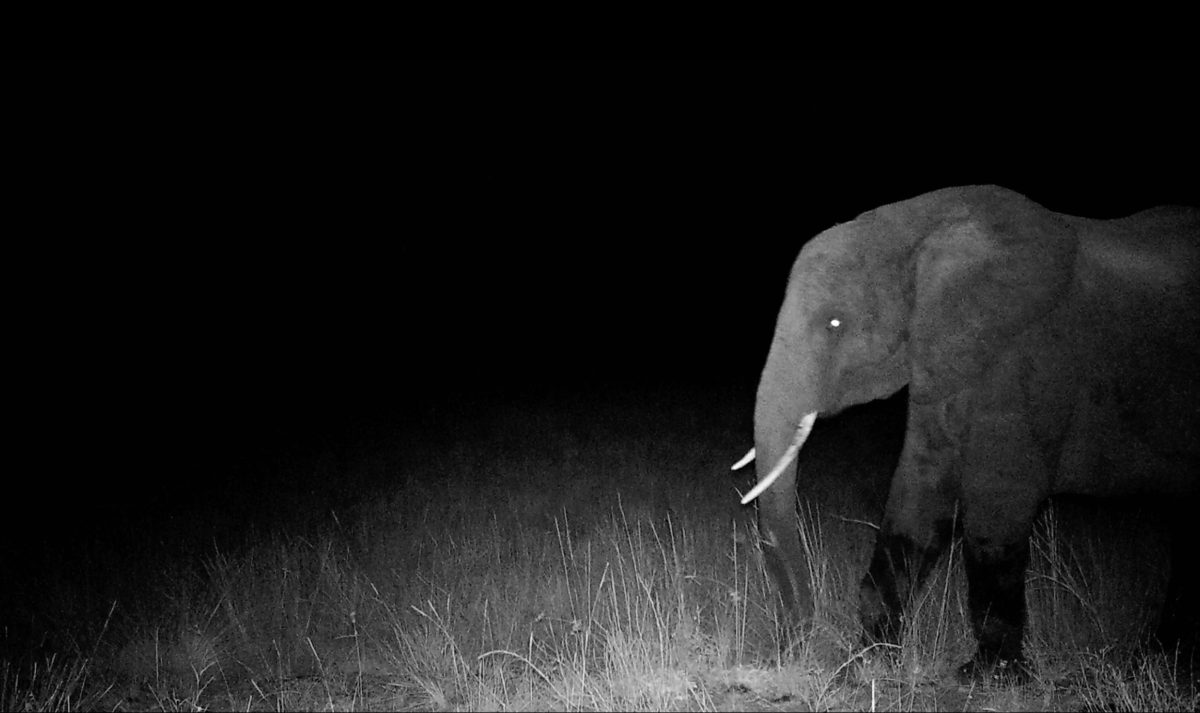
All of that applies to “Ghost Elephants,” which follows the central quest through the eyes of Steve Boyes, a conservation biologist dedicated to the cause. You can sense his profound devotion through his voice in the film’s early moments when he marvels at a gigantic model of the titular elephant at the Smithsonian museum and speaks passionately about the myth surrounding it. Said to be the largest land mammal ever, the ‘ghost elephant’ was last located over seven decades ago. That’s why Boyes’ expedition falls into an elusive territory. It’s not about finding the said elephant, but of finding out if it even exists in the present.
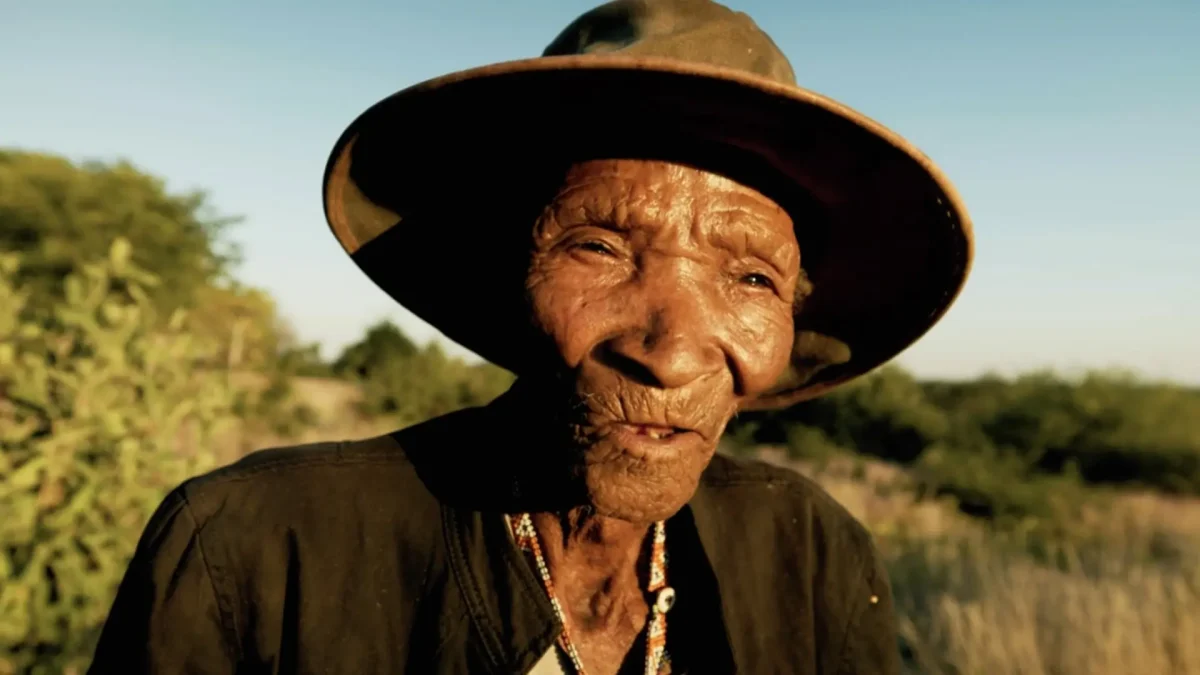
Herzog, who wrote and directed the film, frames it almost as a mystery tale in the wilderness of Angola, capturing its misty, natural beauty with his lens, while detailing the rich cultural heritage through his insightful conversations with the locals. Joining Boyes in this journey are Kerllen Costa, an Angolan anthropologist who grew up in these highlands, and the Luchazi hunters and KhoiSan trackers, who hold indigenous wisdom of tracking and communicating with nature. Herzog and Boyes’ tone remains reverential throughout their conversations, ensuring we learn more about these people who essentially spearhead the search.
The film frequently interjects the central investigation to reveal nuggets about their past and how they correspond with their present lives. In one such scene, we learn about Costa’s father during the Angolan civil war and how it affected his familial life. We also learn about Xui, Xui Dawid, and Kobus, the local trackers who have literally dealt with poison while maintaining a delicate balance with nature. They tell these stories while carrying a smile on their face that reveals not smugness but contentment.
It may be a result of their egalitarian lifestyle that isn’t bound by a rigid sense of glory and achievement as our lives are. That’s why, when one of these men brings an animal they hunt in the wild, people do not honor or celebrate him for his kill. Herzog notes that people ignore or shun the hunter, who also doesn’t boast about himself.
It is in stark contrast to how the 1955 hunt was published by contemporary news outlets, which featured a photo of the researcher in front of the ghost elephant, making that mammal look almost like his trophy. Through this observation, the film subtly highlights the Western notion of making any achievement all about an individual as opposed to a community — a miscalculated emphasis that puts individual gain over collective benefit, the latter of which is crucial to eco-conservation.
The documentary is insightful and thrilling even without such personal reflections from Herzog or Boyes, but their musings add a much-needed thematic weight to the story. It deepens the film’s meditation on the fragility of our ecosystem that will be habitable only through a coordinated effort and a respect for indigenous communities’ wisdom, as the extinction of any species is also a harbinger of our own demise.
While analyzing these relevant narrative threads, the film holds attention through its stunning camerawork, which includes everything from macro-lensed intricate shots of insects like dung beetles and poisonous spiders to the dreamlike underwater shots featuring elephants. It lends a lyrical language to this film, where Ernst Reijseger adds weight through his echoey score that reverberates throughout the film.



![Wait Until Dark [1967]: 50 Years Later, Still As Effective](https://www.highonfilms.com/wp-content/uploads/2017/10/HIGH_ON_FILM_WAIT_UNTIL_DARK-1-768x435.png)