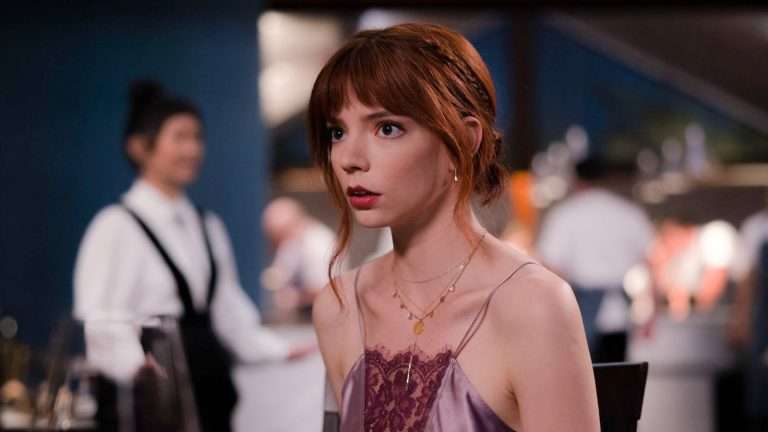
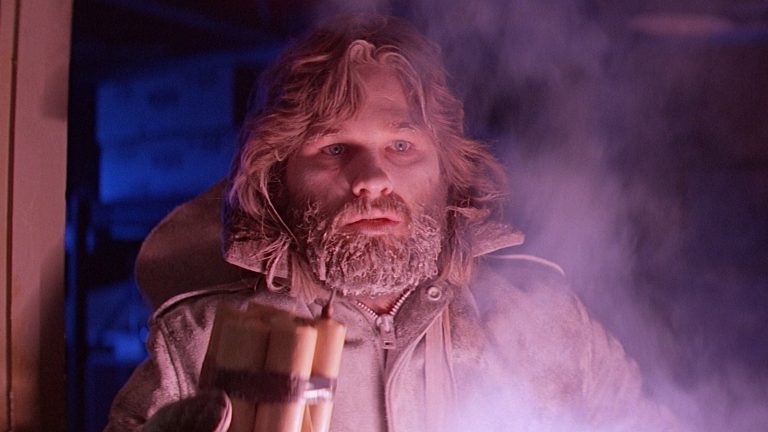
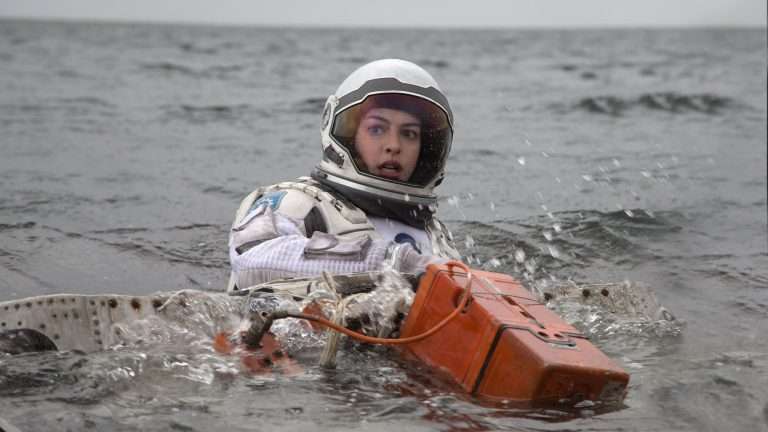
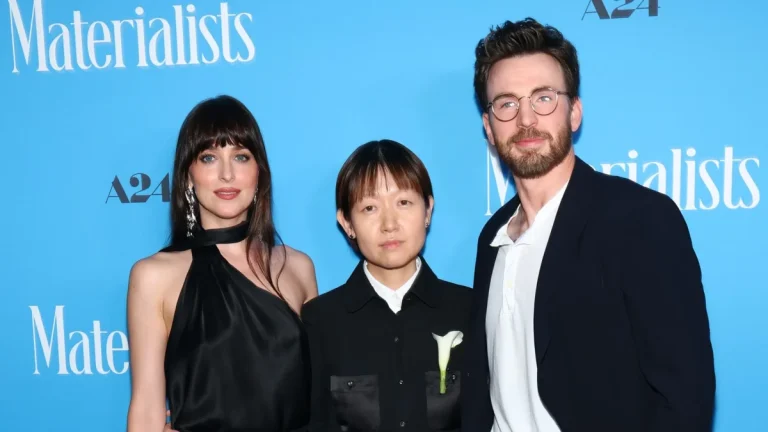
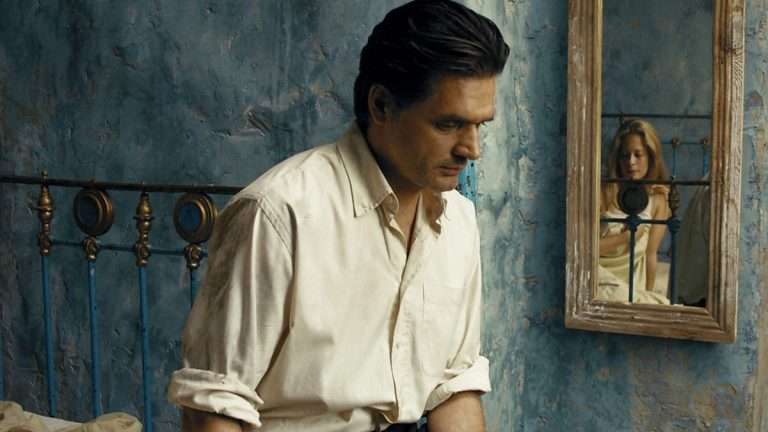
With less than a decade’s worth of feature film experience under her belt—and just a wee bit longer when expanding that experience to the small screen—Jessie Buckley has become one of the most exciting, luminous presences in all of English-language cinema. In the ever-plentiful hotbed of charged talent that is the great nation of Ireland, Buckley has stood out as one of the most versatile and energized voices of her young generation, lending a dynamic subtlety to the more rambunctious figures that have so often drawn her attention as a performer. From film to television and everywhere in between, Buckley’s name has become one that sparks instant intrigue in the filmgoing sphere.
In selecting Buckley’s best performances, five seemed to be the most suitable number to highlight the very best and most eclectic of turns from her filmography without resorting to simply listing off every one of her IMDb credits. In films big and small, soaring and underwhelming, Buckley and her undeniable allure have remained consistently reliable company, even though the roles themselves have run the gamut from neurotically volatile to mournfully suppressed. The very best, naturally, shine a light on that entire spectrum, and consequently cast out a distinct hue representing an artist of immeasurable distinction. Here is the very best of the best:
5. The Bride! (2026)
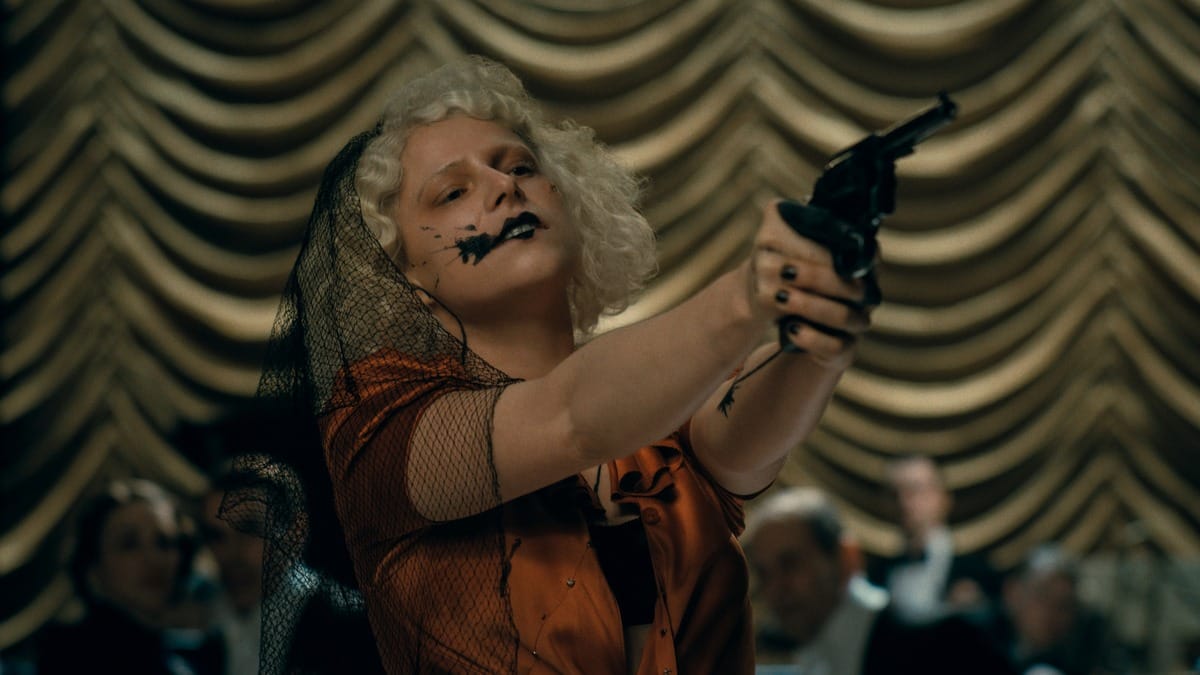
Look, nobody’s sitting here saying this list is a ranking of Jessie Buckley’s best MOVIES. Even so, the prospect of ranking “The Bride!” among the actor’s top five performances does register with the faintest hint of “guy who’s only seen five Jessie Buckley films in his life.” But while we could very easily have gone the safe route and picked solid work in a safe but monotonous film like “Women Talking,” or expanded our criteria to include miniseries work in “Chernobyl,” Buckley’s efforts are far more inherently compelling when applied to a project in which every one of her costars seems to have been transplanted from a completely different universe.
Amid the complete tonal and narrative chaos that is Maggie Gyllenhaal’s sophomore directorial feature, Buckley stands as the only cast member who works alongside the malleability of her director’s unfocused vision rather than rubbing awkwardly against it, making for a mercurial performance bolstered by vocal shifts and raucous posturing that manages to keep up with Gyllenhaal’s boisterous bouts of near-nonsense. “The Bride!” is far from a masterpiece, but through a lens that often has no idea what it actually wants to choose as its primary focus, Buckley never allows it to turn its gaze anywhere else but squarely on her.
Related Read: 25 Great Feminist Films That You Should Watch
4. The Lost Daughter (2021)
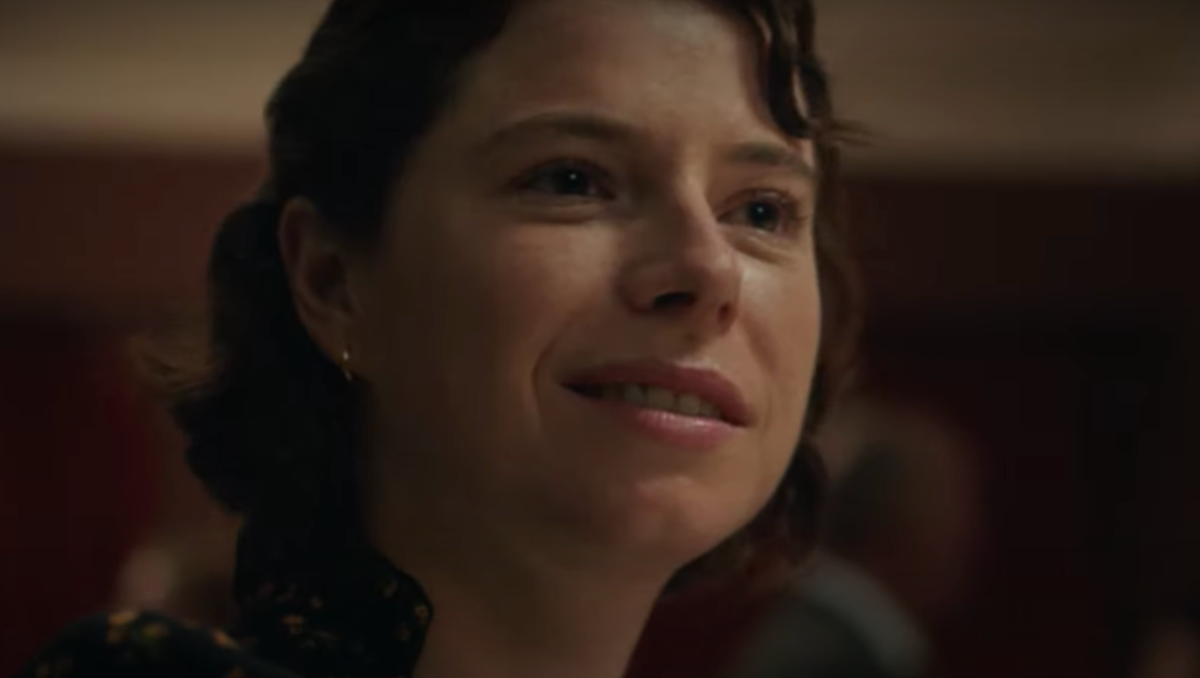
For those hoping to see a Buckley/Gyllenhaal collaboration of a more traditionally aesthetically pleasing sort, the director’s debut, “The Lost Daughter,” makes poignant use of its young star at an earlier stage of her burgeoning career. Portraying one half of a motherly portrait split over two timelines, Buckley handles the younger side of motherhood with a fraught displeasure that sows the seeds for one of modern cinema’s prickliest examinations of parenthood, earning the actor her first well-earned Oscar nomination in the process.
The yin to Olivia Colman’s yang—the two would actually get to star onscreen together in the later “Wicked Little Letters”—Buckley complements her elder counterpart’s resignation with a motherly hope that slowly dissipates amidst the realization that some aspects of her chosen (and permanent) life trajectory may not be as suitable to her temperament as she might have anticipated.
As a result, “The Lost Daughter” survives on a delicate balance of empathy that comes from an inherently unlikeable (but for some parents, undeniably relatable) mindset afflicting loving guardians in spite of themselves. Buckley sets that foundation, and does so with her usual poise that belies a desperate volatility in the face of a terrifyingly ill-suited road lying ahead.
3. I’m Thinking of Ending Things (2020)
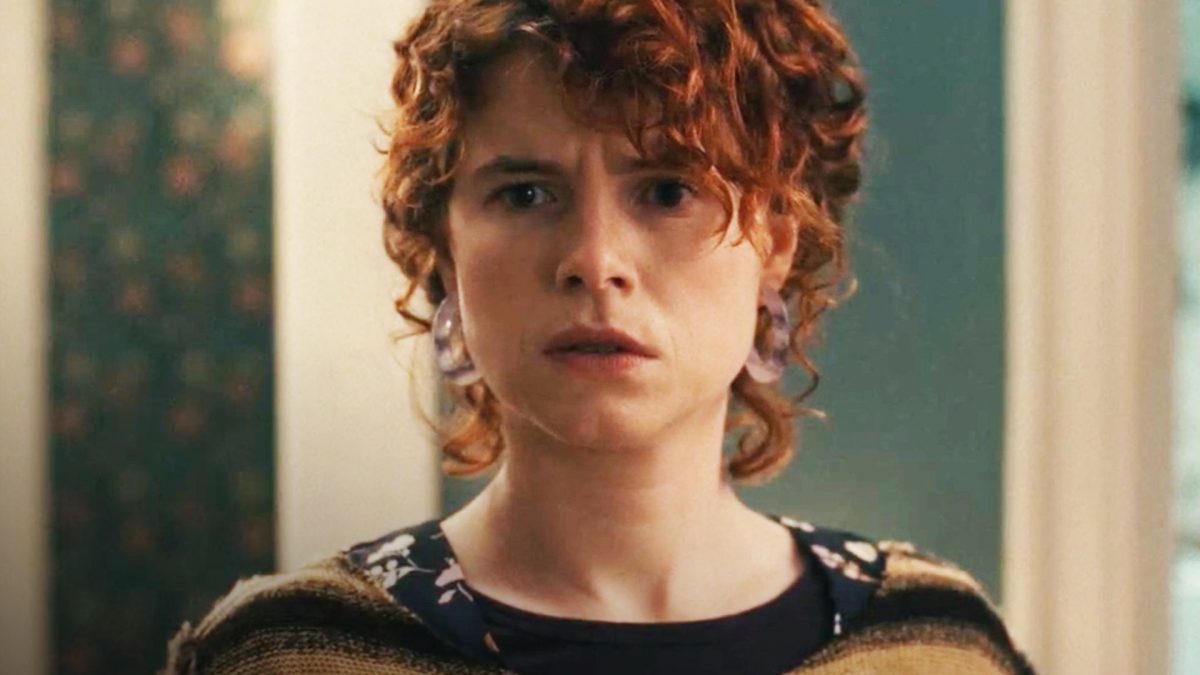
Though Charlie Kaufman’s eternally scarring existential nightmare “I’m Thinking of Ending Things” proves, in a holistic sense, to be more of a showcase for Buckley’s costar and fellow Jess(i)e by the surname of Plemons, her own presence in the cerebrally insecure trappings of Kaufman’s fragile mind is just as essential to the overarching effect. Shifting between sympathy, confusion, and utter terror all without ever changing her posture more than a few slight degrees, Buckley bounces off of Plemons’s oozing insecurity with a cautious grace that trembles with each step taken closer towards the pitch-black darkness.
Surrounded by so few players at any given time, Buckley inhabits Kaufman’s quietly indulgent mania with the bewilderment necessary of an audience conduit—or at least, the closest thing a film like this could possibly get to having one—and “I’m Thinking of Ending Things” benefits immeasurably from her foundational prudence that extends itself towards a gradual hand-off for Plemons to deliver his own gutting, career-best performance. Among the many meanings that can be extracted from the film’s title, Buckley centres her disposition mainly towards one sociological position, before her increasing worry ushers the viewer into the sinking implications of the titular idea bearing a more upsetting permanence.
2. Hamnet (2025)
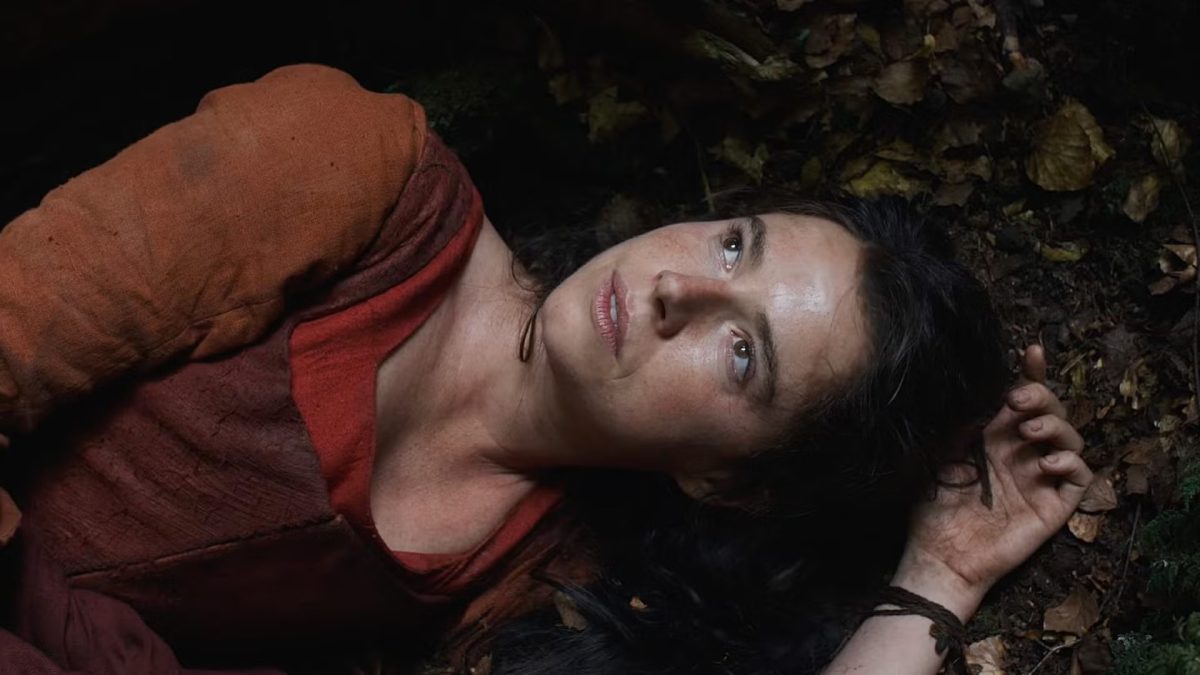
The role that won Buckley her coveted Oscar—and allowed her to be the only awards season actor to cleanly sweep every precursor up to that point—Agnes Shakespeare is far more than a shallow opportunity for a young starlet to accumulate awards. Rather, Buckley’s heartrending turn in Chloé Zhao’s “Hamnet” brings the potential anguish of motherhood to a space of tender humanity amid all the necessary screaming and crying that ostensibly supersedes it, as one begs for some form of catharsis in a situation that couldn’t possibly afford any.
In the end, some form of catharsis may just be feasible through the lens of art as acceptance, but “Hamnet” never forces such an eventuality onto Agnes, as Buckley reins in the melodrama through a considered understanding of how feelings like absolute bliss and crushing grief can be conveyed—and sometimes, even compatible—through a silent gaze up at the tree branches dancing gently in the wind.
Buckley’s Agnes forever seeks that peace that may always elude her, but the actor approaches that crushing search with a hand extended warmly across the stage, generous in its acceptance of whatever might find itself reaching back. Whatever it may be, Buckley’s brilliant fortitude ensures that it will be accepted with humility and the strength to love again.
1. Wild Rose (2018)
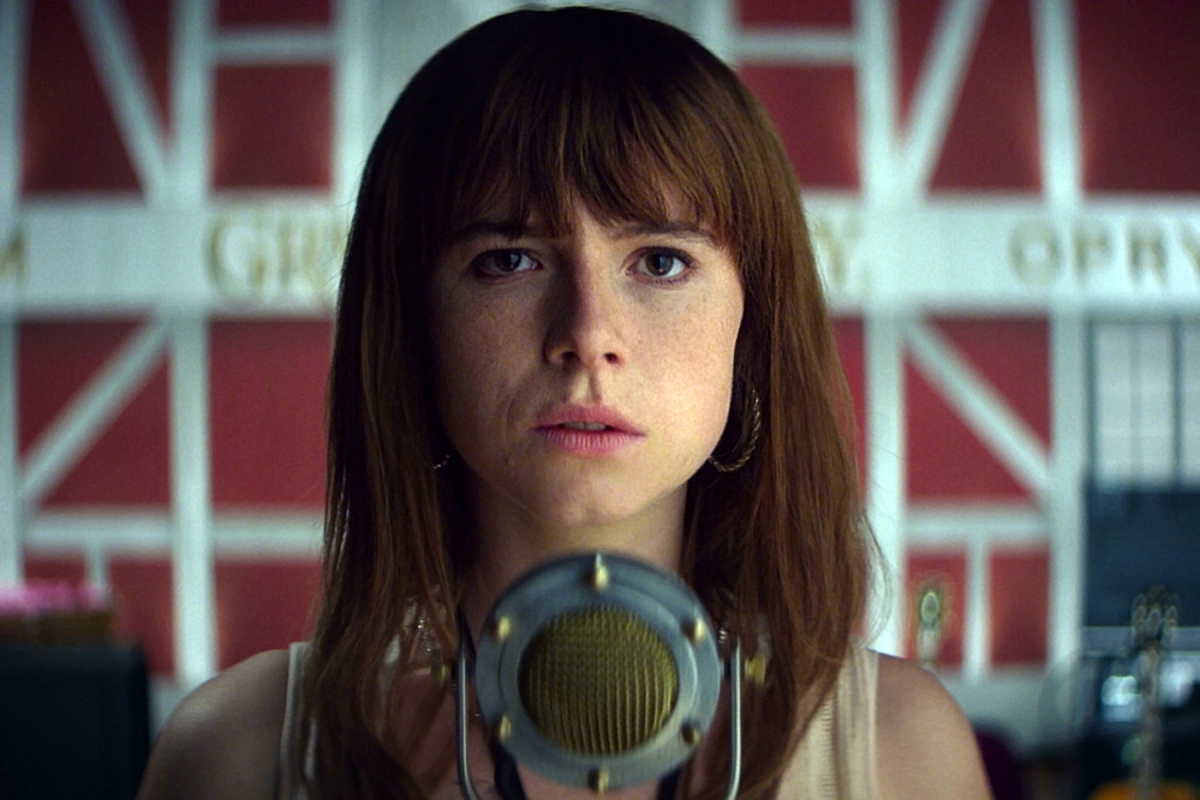
Widely perceived to be Jessie Buckley’s breakout role—earning her a leading BAFTA nomination before anyone stateside could ever even perceive the possibility of a country singer from Glasgow—Tom Harper’s “Wild Rose” provided its star with the sort of magnetic, star-making opportunity that could so easily go to waste (and, indeed, has often done so for others in Buckley’s position). This chance, however, wouldn’t be squandered as Buckley dives head-first into the slight delusions of a dreamer with her head in the Tennessee clouds and her cowgirl boots firmly planted into the perceived purgatory of post-incarceration motherhood.
In a career that would come to find itself somewhat defined by the tribulations (often self-imposed) of being a mother, “Wild Rose” introduces this facet of Buckley’s performing capabilities by once more finding the sliver of empathy in the life of a woman who so vividly sees her career prospects whenever her young children are pushed to the periphery as far as possible.
Through it all, though, the pain eating away inside her stomach like cheap whiskey is clear in every one of Rose-Lynn’s strained smirks, although none of that pain manifests in her show-stopping country ballads that serve as her only real escape. Buckley’s unending allure brings this conflicting emotional state to an affective flow that transcends all clichés, aided exclusively by the young actor’s already obvious mastery of humanist gumption.