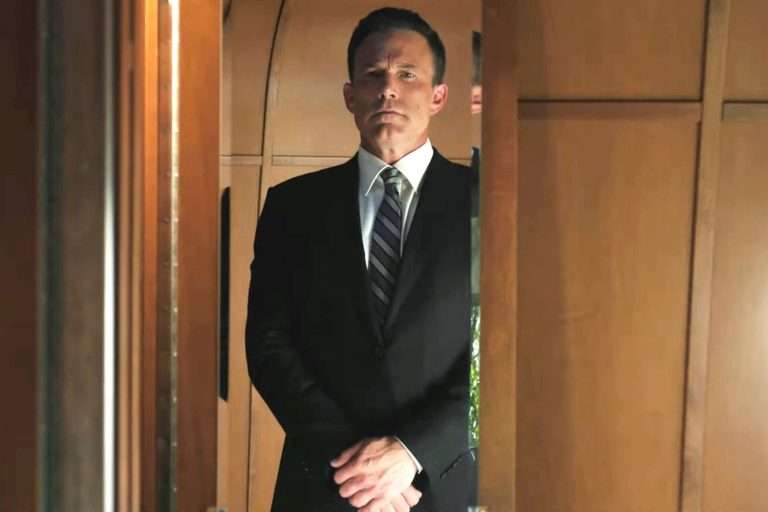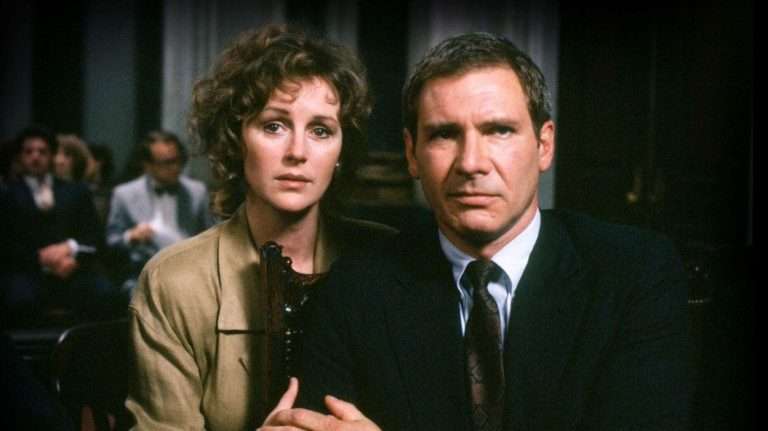
“Marty Supreme” introduces Timothée Chalamet in a kind of role no one may have expected from him a decade ago. Years after his breakthrough for playing a sensitive, young man on a quest for sexual exploration while coming of age in sun-drenched Italian landscapes, he returns in this ping-pong drama as a narcissistic table tennis player, now vying for an Oscar. The film’s marketing involved him embodying a persona frustratingly similar to the character, making you question where the art ends and life begins. His character had been a point of contention even before that, and the subsequent debates have continued to date.
While creating those cultural ripples, the film introduced a gripping tale about a man whose profound obsession made him overlook everything and everyone else. Through his steadfast pursuit of a dream that no one else believed in, the film offers an ode to dreamers of all kinds, told through the eyes of someone who remains obsessed with his dream until that obsession consumes him.
Neither an outright celebration nor an indictment, the film presents a curious investigation of this deeply flawed individual. The film is as kinetic and vibrant as the prior works of the New York filmmaking duo, who made indie cinema seem as exciting as it would have been in the 1970s. It’s a shame that it comes from the mind of someone who couldn’t look beyond his filmmaking goals and is probably as self-absorbed as his protagonist.
Spoilers Ahead
Marty Supreme (2025) Plot Summary & Movie Synopsis:
What happens in ‘Marty Supreme’?
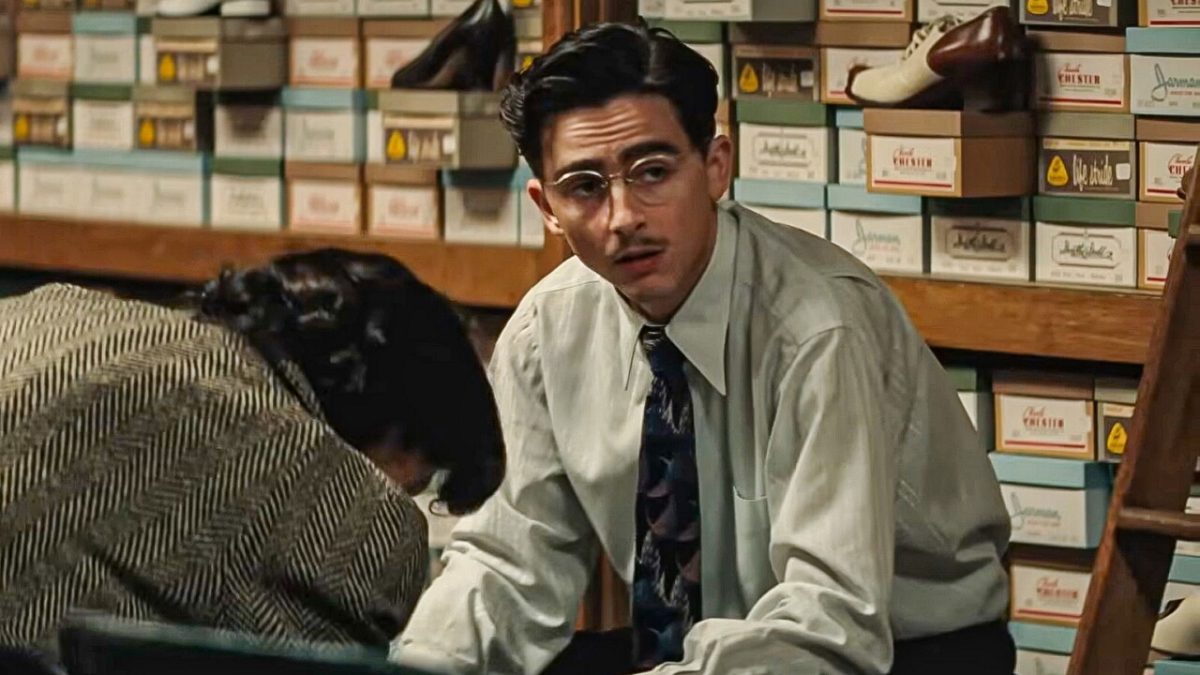
Written by Ronald Bernstein and Josh Safdie, “Marty Supreme” revolves around Marty Mauser (Timothée Chalamet), a 20-something man from New York, working as a shoe salesman so he can earn enough to fulfill a goal that everyone else considers his pipe dream. It’s not like he is a bad salesman. In fact, he is so sharp that the shop owner (also his uncle) wants to make him the manager (more likely to keep him away from pipe dreams). Marty rejects that generous offer.
Why? Because he is devoted to a singular goal: to achieve greatness as a table tennis player. His mother, Rebecca (Fran Drescher), doesn’t share his enthusiasm and believes he is wasting his time on that pursuit. That’s why, as Marty claims, she tries to ‘sabotage’ his plans of entering a ping-pong championship.
The film introduces him on the very day he is supposed to get on a plane for London. He doesn’t even have enough money to pay for his journey. The shop owner refuses to pay him immediately, forcing him to take matters elsewhere. He joins his friend, Dion (Luke Manley), to pitch a business idea to Dion’s father, Christopher (John Catsimatidis).
They plan to sell custom-made orange ping-pong balls with a Marty Supreme emblem on top. Marty pitches it as if he has been doing it for ages, trying to convince Dion’s father that an orange ball is worth investing in. Christopher doesn’t share his enthusiasm, which then forces him to return to the store, albeit after his shift is over.
It means he won’t get the money he needs for the ticket. So, as a last-minute resort, he threatens his colleague, Lloyd (Ralph Colucci), to hand over all the cash in the locker. That way, Lloyd would feel secure knowing he could file a complaint against Marty for an armed robbery. Shortly after, Marty gets on a flight to London.
What happens during Marty’s stay in Europe?
Marty arrives in London only to notice the terrible provisions the association has made for the players. He complains about it to Mr. Sethi (Pico Iyer), who couldn’t care less about his petty grievances. Since they didn’t put him somewhere lavish, he enters a hotel, which he thinks he deserves as a star player.
While being interviewed near its lobby, he realizes someone else is stealing his spotlight. It happens to be Kay Stone (Gwyneth Paltrow), a movie star, who has been on an involuntary hiatus from work for several years. Marty gets instantly smitten by her, or more so by what she represented: greatness. He craves for people to get drawn to him as they do to her.
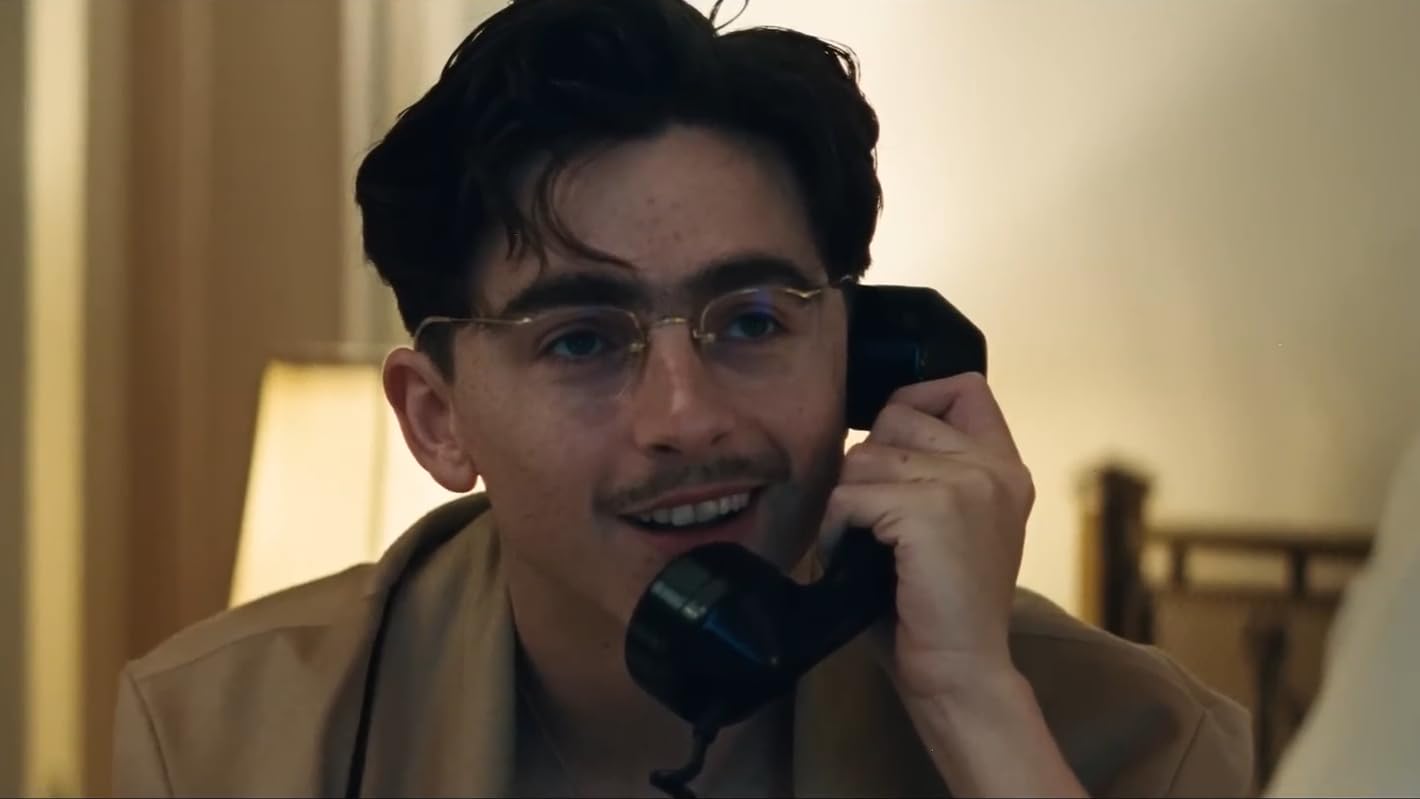
That’s why, after returning to his hotel room (which he somehow hustles to enter), he calls her room’s telephone and invites her to have lunch with him. She rejects the offer, but realizes how passionate he is for her. Her husband, Milton Rockwell (Kevin O’Leary), doesn’t seem that invested in her and takes her for granted.
In contrast, Marty makes her feel valued, even if through his boyish naiveties, which likely compels her to attend one of his matches. There, he goes overboard with the theatrics, which feels almost like a bird’s mating dance to woo its lover. Later, he notices her at a restaurant having a meal a few tables away. So, to get her attention, he decides to pay their bill.
Milton takes it personally and confronts Marty, trying to understand what this little man wants from a businessman like him. Marty says that he is thankful for Milton’s service and advises him on a plan to sell his pens. While realizing Marty’s sarcasm, Milton realizes something else: table tennis has become widely popular in Asia, especially in Japan.
Also Read: Marty Supreme (2025) Movie Review: Propulsive and Electrifying Entertainment At Its Finest
How does Marty’s interaction with Milton affect his life?
During their first interaction, Marty is so absorbed in his desire to put Milton down that he doesn’t realize he has unknowingly helped Milton with an idea to expand his business. Marty even asks his friend, Bela Kletzki (Géza Röhrig), a Hungarian table tennis champion, to tell a bizarre story of a group of men licking his body after he rubbed honey all over it. We don’t see or hear the end of that interaction. Instead, the film deceptively cuts to a shot of Kay entering Marty’s hotel room, implying that she presents herself to Marty as Kletzki did to those ravenous men. That’s not the only icky thematic parallel we see in the film.
The opening credits after Marty has sex with his married childhood friend, Rachel Mizler (Odessa A’zion), show a bunch of sperm travelling toward their ultimate goal, getting in a rat-race of sorts, even before they were born, much like Marty does so later. While letting her slip from his consciousness, he pursues the sport as well as Kay.
Unfortunately, after sleeping with Kay, he loses a match in the finals against Japanese player, Koto Endo (Koto Kawaguchi). This Japanese victory occurred only a few years after the USA had detonated atomic bombs over the two Japanese cities. So, the game meant something more than Marty’s loss.
Yet, Marty’s self-centeredness and self-pitying nature made him hungrier than ever to beat Endo just so he could prove his ‘greatness.’ That’s exactly when Milton asks him to come to Japan to play against Endo, which would help him with business expansion. To Marty, Japan is a path to defeat his arch nemesis, whereas for Milton, it’s a land fertile for business growth. To do that, Milton needs Endo to be his company’s mascot, which means Marty needs to lose the matches to present Milton’s company in a good light. Marty rejects the offer, arrogantly thinking he deserves better treatment rather than being considered a part of a vaudeville act.
Why does Marty get arrested?
After rejecting Milton’s self-serving but generous offer, Marty travels with Kletzki across different countries to play ping pong. Yet, he ends up doing what Milton saw the sport as: putting on a show for an audience. Later, upon returning home in New York, he gets arrested for stealing his uncle’s money, which he believes he had rightfully earned.
He was planning to return the money from the tournament prize, but he couldn’t, given his defeat against Endo. The uncle soon agrees to drop the charges against him if he agrees to find common ground with his mother. He refuses to acquiesce, instead running out of his apartment to hide where Rachel works. She reveals she’s pregnant with his baby, but instead of caring for her, he seeks help from her.
Rachel’s husband, Ira (Emory Cohen), shows up there, unannounced, leading to a heated argument, which invites the cops’ attention, prompting him to run away from them. Before leaving, he contacts his friend, Wally (Tyler Okonma), a family man, to help him with money for a motel room and to join him in gambling to get the funds he needs. Wally soon arrives at a ramshackle motel to help Marty with whatever he can afford. They enter a room, where Marty proceeds to take a bath to get rid of his awful stench, while trying to explain how Rachel’s baby can’t be his. He also receives a letter from London with a massive bill.
Before he could process any of it, the bathroom floor cracks open, leading his bathtub to fall over the bathroom right beneath him. That accident injures Izra Mishkin (Abel Ferrara) and his dog. Marty tries to get his money back from the motel manager, who refuses to refund, saying Marty was advised not to use the bathroom. Ira notices that and offers Marty even more money. In exchange, he needs to take care of Ira’s dog.
How does Marty lose Ira’s dog?
After the motel fiasco, Marty enters a gambling spot to earn by playing what he is good at: table tennis. Wally also shows up there, but they pretend they don’t know each other so they can con other gamblers. The con works in their favor, with him and Wally convincingly playing their respective parts. After leaving, they drive to a gas station to fuel up Wally’s cab.
Suddenly, the gamblers arrive there, realizing Marty’s real identity, and try to snatch the money back from them. Marty and Wally somehow manage to flee the scene, but amid that commotion, they lose the dog. Even after it all, Marty returns to play ping pong the same night, which is where he meets Rachel with a bruised eye. The next thing he does is steal his belongings from his mother’s place and beat Ira for abusing Rachel.
Then, he shows up at Dion’s house with Rachel, claiming she is his pregnant sister in need of a place away from her abusive family. Dion reluctantly agrees, and Marty sweetens the deal by glazing him. The next day, he calls Milton’s office, claiming to be his son’s friend, just so he can set a meeting with Milton. He assumes Milton will let go of their past issues and allow him to play in his show in Japan.
That doesn’t happen. However, he gets to meet Kay, who’s playing the female lead in a play that Milton funded to get her back into the world of acting. During that meeting, he agrees with Kay about her scene-partner, Troy (Fred Hechinger), failing to capture the spirit of his character. Smitten by Marty’s presence, she invites him to a hotel where they have sex.
Afterwards, he boasts of his identity as a ‘self-made’ man while implying she is relying on others for her career, and it couldn’t be further from the truth. While blaming her for doing what she must have done to cope with her life as an actress, he leeches onto every single person in his life to benefit from them. The utter lack of self-awareness, paired with heightened confidence, leads him to a jeweller to sell her necklace, only to realize it was fake, meant to be used only for the play.
How does Marty get money to go to Japan?
Since Kay’s necklace doesn’t help Marty with the money, he decides to look for Ezra’s lost dog near the gas station. He does find it at a farmhouse, but the owner threatens him with a gun. Since he refuses to leave without the dog, his pregnant partner needs to step in and take matters into her hands to save him.
That night, he prompts her to call Ezra, saying she knows where the dog is. In exchange for the dog, she wants money. He refuses her offer, leaving Marty with but one option: taking advantage of Kay’s sympathy and vulnerabilities. Despite her initial reluctance, she offers him a ticket to see the play and invites him to meet her at a park later that night. She gives him one of her expensive necklaces to fund his trip to Japan.
He starts praising her, and whether the praise is genuine or not, it arouses her. So, they get intimate in the middle of the park, leading the guards to arrest them for an act of public indecency. One of them realizes who she is, leading her to hand over the necklace as a bribe. Even after all the humiliation she suffered, he selfishly proceeds to expect her to help him.
She reluctantly agrees but returns home to realize a fresh review for her play, which was presumably scathing. In that delicate emotional state, she can’t help Marty. So, he turns to Milton as a last resort, begging him to get him on a plane to Japan. Milton agrees, but only after humiliating him for his sadistic pleasure. Later that night, Marty gets pulled back by Ezra, who holds Rachel hostage for trying to con him.
Together, they show up at the farmhouse to look for Ezra’s dog, only to get caught in a violent bloodbath, which kills Ezra and his associate. Even here, Rachel saves Marty while being almost eight months pregnant. She ended up in that precarious situation because Marty pushed her out of Dion’s house, upon getting ego hurt for realizing she ‘faked’ her abuse. In the present, she goes into labor, prompting him to take her to the hospital, only to abandon her for his Japan trip.
Marty Supreme (2025) Movie Ending Explained:
What does the baby’s birth symbolize for Marty?
Marty arrives in Japan only to realize he won’t get the respect he thinks he deserves for his potential. Milton wants him to be just another clown getting beaten up by Endo. He can’t digest that, leading him to reach out to Mr. Sethi for a spot back on the actual tournament coming up in a few weeks (which was his actual goal).
Sethi rejects him, which makes him hungrier to win against Endo in what seems like his only shot at defeating Endo. He puts on a show, which initially pleases Milton, until Marty reveals his true intentions: he wants to win against Endo to prove his worth. Despite his sincere efforts, Endo wins, which means Marty would be obscenely humiliated. Instead of being humiliated all over again, he provokes Endo for another match, where he gets a real shot at winning.
After an exciting second match, when Marty excites the American troops but angers Milton, he finally defeats Endo. Yet, Milton abandons him for breaking the terms and for making his mascot look bad in front of Japanese people. So, Marty returns home with the American soldiers and goes straight to the hospital to meet his child.
In a very male-coded way, he considers that child as his achievement, which makes him cry happy tears. He meets his baby, not as a failure, but as a winner, after suffering through constant humiliation. That’s why the baby’s birth symbolizes a new beginning for him, a life where he might devote himself to the child instead of his dream. Whether he abandons his family again is another discussion, but at least in that moment, he feels like a hero.
It also offers him a much-needed emotional release because until then, he attached his self-worth wholly to his dream. The baby introduced a new possibility to lead his life, a purpose or his salvation, if you may. Yet, considering his impulsive nature, his future remains uncertain and open for interpretation.
Marty Supreme (2025) Movie Themes Analyzed:
The Cost of Ambition, Desire, and The Appeal of Dreams
Ping pong in “Marty Supreme” may as well be considered an allegory for the United States and different sides. It’s something that Joachim Trier fleetingly mentioned during a recent discussion, probably in jest, but if the shoe fits, then why not indulge in the theory? The film presents a series of duels between different parts of the 1950s US, a country whose American Dream serves you if you’re a brick in its capitalistic wall, not if your unattainable dream serves only you. Even your individuality will soon be a card dealt in their pursuit of growth that suits the economic growth.
Marty’s hunger gets preyed upon by someone who cares about himself as much as Marty does. After all, to Milton, he is just a player in this popular form of theater. That’s how Endo also gets roped in despite the conflicts between their two nations. Endo and Milton realize the possibility of upward mobility in each other, even if one probably ‘needs’ it while the other can live comfortably without it.
Through every interaction, the film continues showing similar power battles between different sides of the US, refracting them through the lens of Marty’s undying ambition. His desire often becomes his bane, but the one thing that keeps him going is the endless appeal of dreams, especially the one that no one else believes in. Even Dion, trying to outpace his father with his business idea, is a part of this charade.