Professional wrestling was extremely fascinating to me as a kid. I used to think it was because I enjoyed watching two people beat the shit out of each other, but since it wasn’t the same when I saw two people box one another in a similar scenario, I could never really figure out what it was that pulled me to it.
Now that I am older and know better, I realized that my love for pro-wrestling stems from the subtle insertion of storytelling into the format. Once I learnt that all of it was performative, I was both disappointed and flabbergasted.
Watching “Slowburn Shoot: An Indie Wrestling Story”, a documentary that goes backstage of the indie wrestling scene in Cleveland, more specifically to Absolute Intense Wrestling (AIW), a sort of getaway to WWE (and other wrestling circuits), made me appreciate the art form a little bit better.
Director Adam Wilde takes us both into the ring and backstage, making us witness all the chaos of how the magic happens. Since this is a grassroots-level exploration of the actual sporting event, the first-hand experience is more personal, intimate, rewarding, and emotionally moving than you might expect.
The documentary dives headfirst into AIW’s many challenges. Like any indie scene in any art form that involves a creative process – be it theatre or the movies, the biggest setbacks come from a lack of money. John Thorne, who runs AIW, lays bare the limitations of organising a match at the indie level and how everyone else, other than the organisers, needs to be paid even before the event actually takes place. The only form of catharsis he often gets is realizing he is doing all this for the love of wrestling – a dream he had as a kid and is now pursuing.
In fact, most wrestlers and co-talking heads in the documentary, including Josh Prohibition, Johnny Gargano, Eddie Kingston, Ethan Page, Britt Baker, Dylan “Hornswoggle” Postl, and more, double down on the fact that pro-wrestling is the only dream that they ever saw, and living and re-living it each day makes them more alive than money ever could.
So, while the audience only ever sees people beating the daylights out of each other, for wrestlers and orchestrators, it is like a slow dance that they carefully choreograph and design so that the viewers can enjoy the highs and lows and the unexpected scenarios that they throw their way.
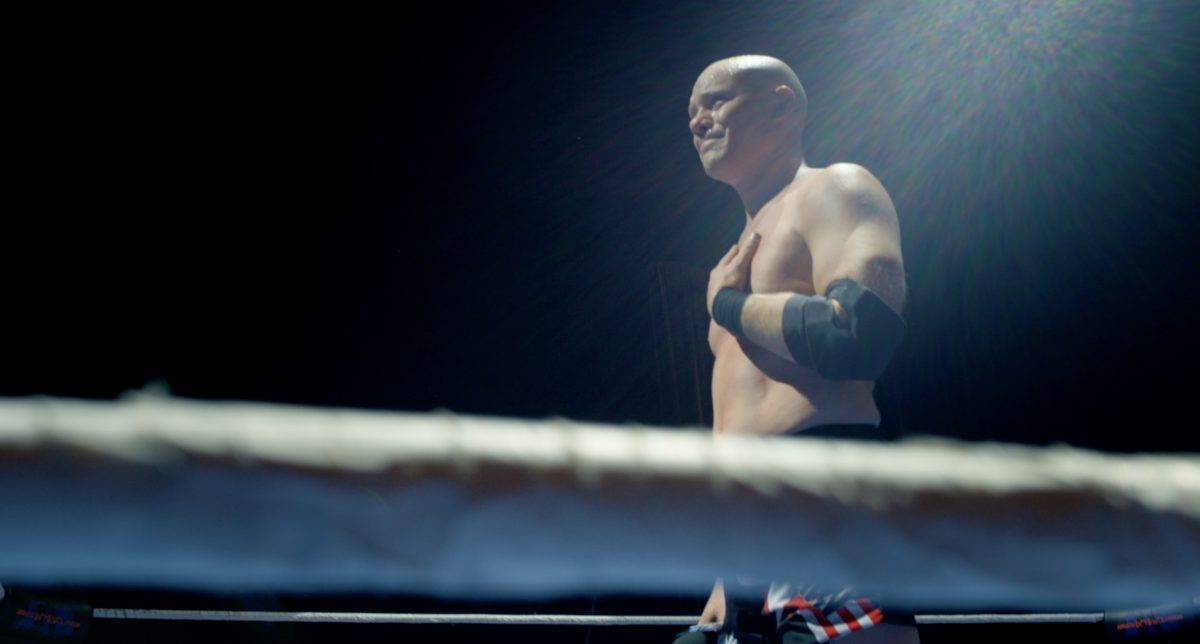
The doc is shot with a kind of urgency by Nicholas Weiss, but his lens also manages to capture a surprising amount of grace. The film gets its emotional beats from AIW’s other owner, the late Chandler Biggins. Chandler’s backstory, which goes from him being a loud heckler in the audience to becoming one half of AIW alongside Throne, really gets the documentary’s narrative going.
The success story of AIW, which involves these two pro-wrestling geeks deciding to not only give the emerging wrestlers a platform to showcase their talent, but also giving them the tools to hone the said talent by allowing them to be a part of their wrestling school, is inspiring.
The documentary works because it portrays wrestling as more than a product. Wrestlers and those close to them, along with AIW and the staff that makes it all happen, eventually turned into a community that knew each other and would stand for each other no matter what.
The film’s heart lies in how generations older than the present one have built a legacy out of nothing, and instead of abandoning it once they get old, they decided to pass it down. It’s especially heartwarming to see some of the instances when you witness how important wrestling really is to some of these very kind people.
The film also doesn’t shy away from showing how injuries that take place during the matches don’t just harm the bodies of the wrestlers; they threaten to derail their entire lives since many of them do not have a formal education that would get them jobs if this aspect of their lives doesn’t pan out. It’s disheartening to hear all of it and think that some of the older ones keep doing a disservice to their bodies just because their love for the ring is the only thing they have ever known.
That said, “Slowburn Shoot: An Indie Wrestling Story” does opt out of showing us the actual dynamics, energy, and psychology behind the matches. From what I can gaze, each game requires a lot of prep – knowing who is going to play against whom, which of the players would have an upper hand in the game, what tools would be used, and how exactly the game will pan out without it seeming like an act is something that I would have loved to see from a documentary that claims to have a front-row seat to the backstage. Additionally, it feels like the sylized recreation of Chandler Biggins’s persona and later telling us that he is no more feels problematic and manipulative.
Sans those aspects, “Slowburn Shoot: An Indie Wrestling Story” feels like a true-blue Cleveland story that has enough heart for you to give it a fighting chance.



![Get The Hell Out [2020]: ‘TIFF’ Review – Taiwanese Zombie Political Satire is a bonkers thrillride](https://www.highonfilms.com/wp-content/uploads/2020/09/Get-the-Hell-Out-Movie-Review-highonfilms-2-768x384.jpg)