The standard trappings of folk horror are quite easy to spot. Foreboding woods, wicker men set on fire, and a clash between pagan and postmodern traditions often set the stage for this subgenre. On paper, Andrew Mudge’s “The Arborist” seems to embrace these expected tropes, but the beauty lies in the subversion and in the tackling of grief as a source of terror.
Generational trauma is a strange beast, stalking us when we least expect it, and holding us accountable for sins we’re scarcely aware of. This sentiment is explored with great skill and restraint in “The Arborist,” which refuses to give in to heavy-handed symbolism even during its most emotionally charged moments.
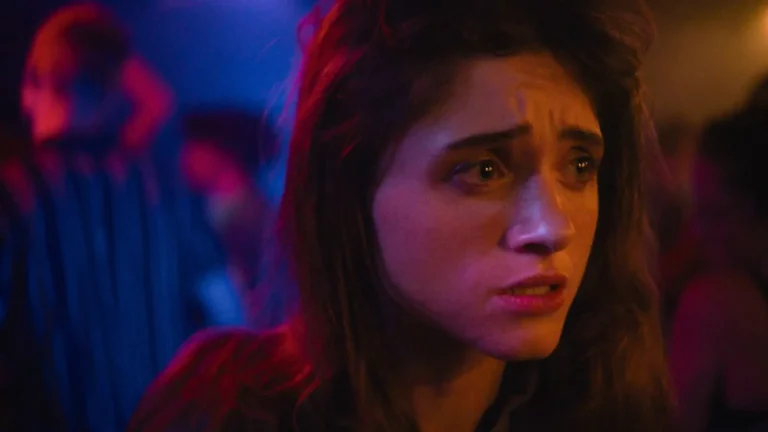
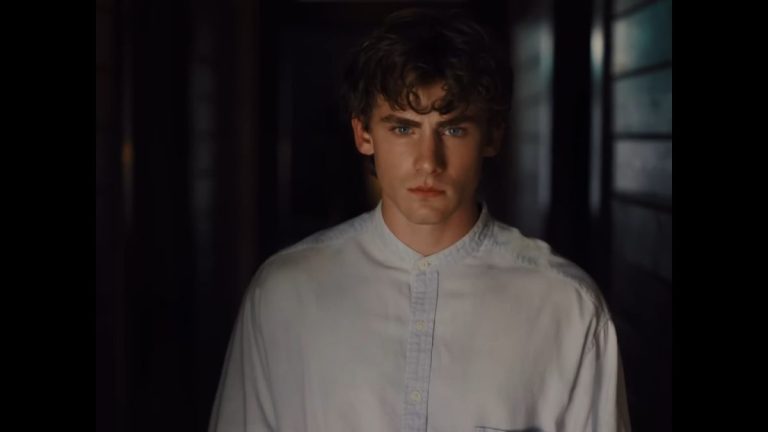
Ellie (Lucy Walters) is trying to grieve the loss of her infant daughter Rachel, but barely gives herself time to process the tragedy. She isn’t in denial, per se, but is eager to gloss over the circumstances surrounding Rachel’s death, which she believes to be accidental. Her teenage son, Wyatt (Hudson West), isn’t too keen on endorsing this viewpoint, as he insists that something supernatural was at play on the day she died. Frustrated with his mother’s attempts to move past the grief so suddenly, he clashes with her repeatedly, giving into impulsive behavior that soon evolves into something frightening.
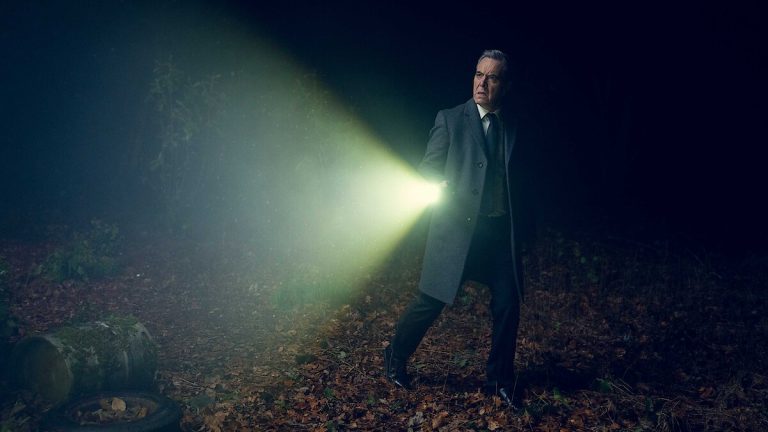
An arborist by profession, Ellie takes a temporary gig at a luxurious estate owned by Arthur Randolph (Will Lyman), an old recluse who asks her to fell some trees that are perfectly healthy. Ellie, who isn’t a tree feller at all, voices her confusion, but Arthur insists that the job will be quick and straightforward.
Willing to compromise for the sake of distracting herself, Ellie takes Wyatt to the property to complete this short project, and the two reside in the estate cottage in the meantime. But Arthur’s estate feels like a liminal space where the woods hide a children’s theater and the lake harbors secrets that beckon Wyatt when no one’s looking.
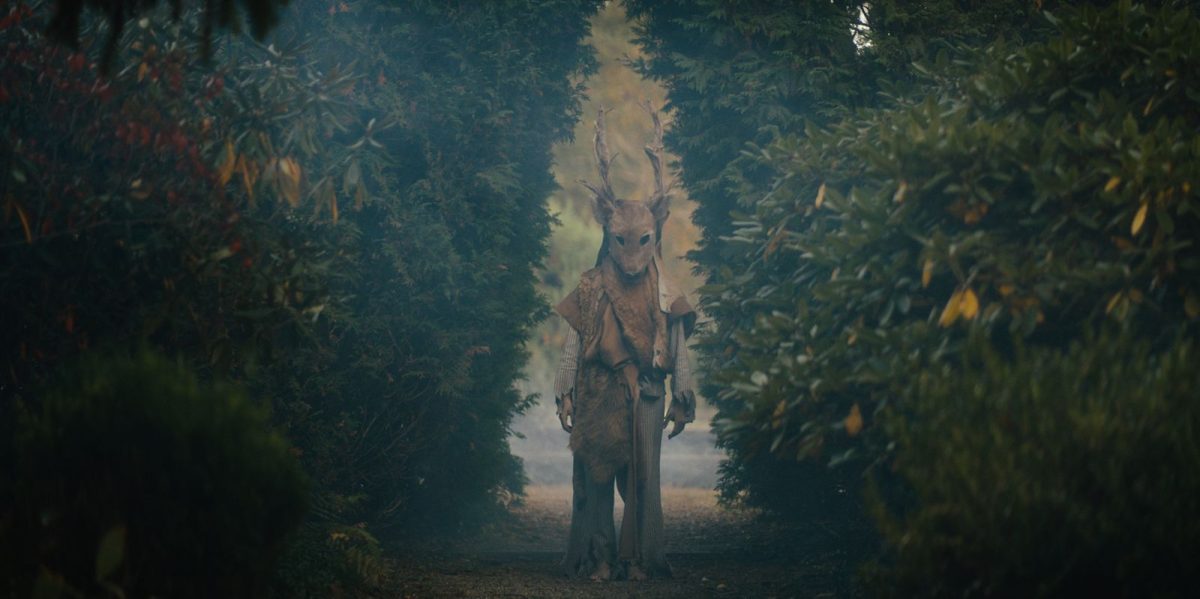
As Ellie does her best to cope with alcoholism (where she mixes liquor with water to pretend it’s not a problem), Wyatt spirals, caught in the cobwebs of history and the ghosts of the past. “The Arborist” brings this nightmarish fever dream alive with Dan Kennedy’s gorgeous cinematography, which roves over murky lake water and brightly-lit pools during nighttime to evoke a constantly present threat.
This stunning visual aspect often overshadows the text of the film itself, especially when Ellie and Wyatt make decisions that repeatedly put them in danger and threaten to seal their fates. But grief isn’t logical or linear, and it would be cruel to expect a grieving mother and her devastated child to navigate existence the way anyone else would, while being trapped in a space that feeds into their trauma.
This is undoubtedly a slow burn that demands a modicum of patience, but Mudge knows how to keep his audiences hooked and pull on the thread whenever our minds start to meander. Visual storytelling does a lot of heavy lifting here, adding to the already solid thematic fabric of “The Arborist,” which proposes that generational grief and trauma will always find a way back to you.
While these circumstances are messy and inescapable, it’s crucial not to give up on the ones we love. This might sound banal, given the overabundance of horror stories that tackle this exact premise with varying success. But “The Arborist” isn’t interested in saying the same things, as it is enamored with the language of grief through a familial bond whose loyalty is tested in gruesome ways.
Some things don’t add up, or are left as open-ended mysteries, perhaps in an attempt to sustain the taut tension that is cast over the first half of the film. Once the nature of the twist reveal becomes clear, the red herrings pop out, revealing a clever relay between genuine atmospheric dread and manipulated distractions designed to lead us astray. It’s hard to obsess over these flaws when “The Arborist” achieves what it sets out to do, which is casting a spell of anxiety and doom as soon as we lay eyes on the film’s effective cold open.



![Erica 38 [2019]: ‘Japan Cuts’ Review – A Shallow Con](https://www.highonfilms.com/wp-content/uploads/2019/07/p12-schilling-erica38rev-a-20190606-768x565.jpg)