So, the Netflix and Warner Bros. Discovery merger just became official with an $82.7 billion price tag, and honestly? The streaming wars might’ve just ended before most people realized there was still a fight happening. This isn’t just another corporate deal, the Netflix-WBD merger is the kind of move that reshapes how we’re going to watch television for the next decade, maybe longer.
Here’s what’s wild: Netflix didn’t just buy some content libraries. They essentially swallowed one of Hollywood’s oldest studios whole, along with HBO Max, which was supposed to be their main competitor. It’s like watching the final boss absorb the second-to-last boss right before your eyes.
HBO Max: The Super-Platform Strategy
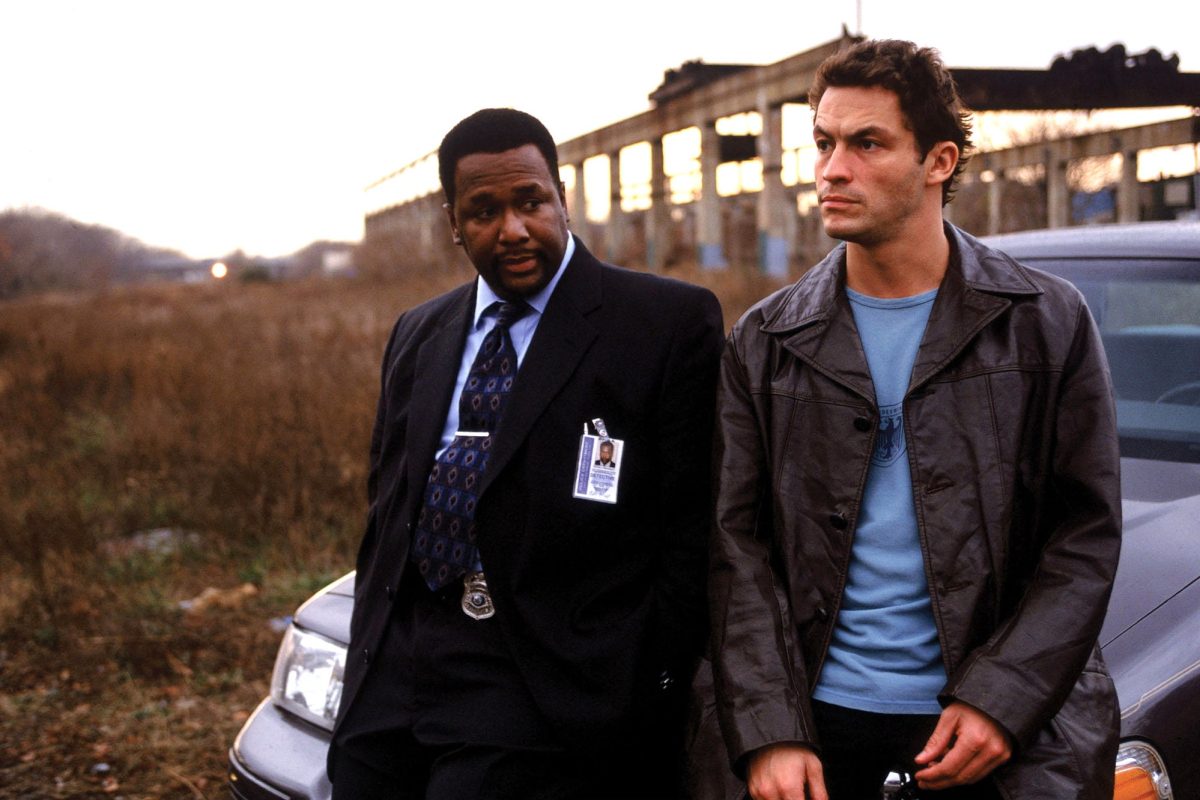
The clearest path forward seems pretty obvious. We’re looking at the birth of a genuine streaming Super-Platform. Netflix isn’t playing around with half-measures; they’re building something that no other service can realistically compete with.
Think about what they’re controlling now. Netflix’s global hits like Stranger Things and Squid Game, plus everything Warner Bros. brings to the table. Game of Thrones, The Sopranos, Succession, The White Lotus: basically the entire HBO Max prestige catalog that defined what “premium television” even means. The numbers suggest this combined entity will control over 21% of US streaming viewership. That’s not just market leadership, that’s approaching must-have territory.
What Actually Happens to HBO Max?
Here’s where things get messy. What exactly happens to HBO Max as its own thing? Because maintaining two separate streaming platforms under one corporate umbrella makes zero financial sense in the long run, but HBO Max also isn’t just another content brand—it’s THE prestige brand.
Netflix’s co-CEOs have been making all the right noises about respecting the HBO Max legacy, which is smart PR. In the short term (let’s say the first 12 to 18 months after the Netflix-WBD merger closes in late 2026), we’ll probably see some hybrid approach. Maybe HBO Max content becomes a hub within the Netflix app, like how Hulu stuff got integrated into Disney+. Or perhaps it becomes a premium add-on tier where you pay extra for HBO Max originals.
But eventually? I’d bet money that HBO Max as a standalone app is toast. The cost savings alone make it inevitable. You can’t justify running duplicate engineering teams and competing marketing campaigns when you own both platforms. The real question is whether Netflix can pull off the integration without destroying what made HBO Max special.
And that’s genuinely tricky. HBO Max built its reputation on quality over quantity, on giving creators time to make prestige content, on releasing episodes weekly to build momentum. Netflix’s whole model has been the opposite—flood the zone with content, drop entire seasons at once. Can those two philosophies coexist? We’re about to find out.
DC Universe: Netflix’s Weapon in the Streaming Wars
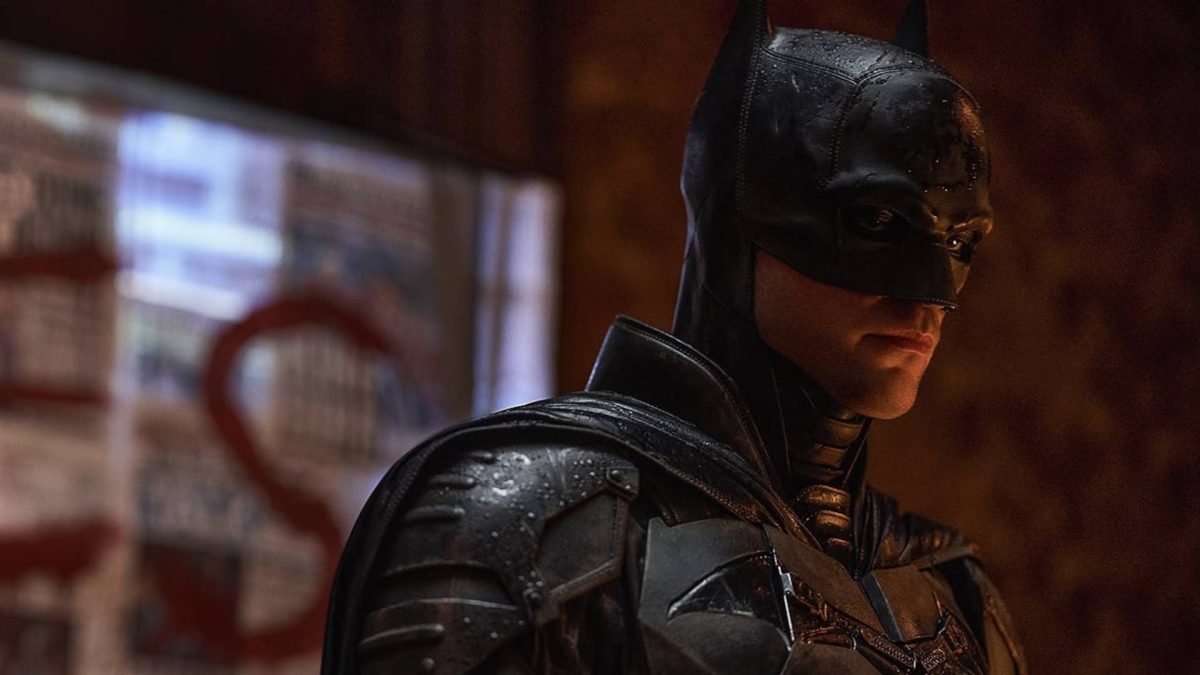
You could argue the entire Warner Bros. Discovery acquisition was really about getting control of DC. The DC Universe situation is particularly fascinating. For years, DC has been trying to build something comparable to Marvel’s cinematic universe, with varying degrees of success. Now Netflix owns the whole thing.
James Gunn and Peter Safran have been working on a new roadmap for DC Studios, but that was under the old ownership structure. Who knows if those plans survive intact, or if Netflix decides to pivot everything toward streaming-first releases instead of theatrical films.
Also, Read – DC Extended Universe Movies, Ranked From Worst to Best
Having Batman, Superman, Wonder Woman, and the entire DC roster at your disposal is incredibly powerful. Disney has Marvel locked down, but now Netflix has DC. It’s almost poetic how it mirrors the comic book rivalry itself. The DC Universe gives Netflix an instant counter to Disney’s dominance in superhero content, shifting the battleground from cinema to streaming platforms.
There’s also Harry Potter, which might be even more valuable in some ways. There’s already a new TV series in development, and now Netflix doesn’t have to license the rights—they just own it outright. For a family-friendly mega-franchise that spans generations, you really can’t do much better.
The Brutal Math: HBO Max and DC at What Cost?
We can’t talk about the Netflix-WBD merger without acknowledging the downsides. Netflix is projecting somewhere between $2 billion and $3 billion in annual cost savings within three years. That number doesn’t materialize out of thin air—it comes from eliminating redundancies, which means thousands of jobs lost.
Corporate jobs will overlap significantly. Technology and engineering will see major consolidation since you’re combining two massive streaming platforms into one. It’s the brutal math of corporate consolidation.
Then there’s the regulatory nightmare. US lawmakers are already screaming about antitrust concerns, calling this an “anti-monopoly nightmare.” Hollywood filmmakers are worried that Netflix will kill the theatrical window entirely, which could collapse the cinema industry. When one company controls this much content and market power—especially with HBO Max and the DC Universe under one roof—it’s worth asking whether that’s healthy for the entertainment ecosystem.
Where HBO Max and DC Land in All This
The direction seems pretty clear, even if the timeline is fuzzy. We’re heading toward a Netflix Super-Platform that absorbs everything. There’ll probably be some awkward transition period where HBO Max maintains its own identity, maybe as a premium tier or branded hub. But long-term? HBO Max as a separate service doesn’t survive this.
The real test is whether Netflix can manage all this successfully. Can they maintain HBO Max’s creative culture while operating at Netflix scale? Can they do justice to the DC Universe? Can they avoid becoming so dominant that they get lazy?
If they pull it off—if they can blend HBO Max’s prestige sensibility with Netflix’s global reach—we might be looking at the most powerful entertainment company in history. The streaming landscape just fundamentally changed, and HBO Max and DC are at the center of it all.