
“Queen of Chess” (2026) feels like a production that is five years too late, as it would have been more appropriate for Netflix to debut the documentary shortly after the miniseries “The Queen’s Gambit” became a phenomenon that ranked among the streamer’s most viewed programs ever. The series from Scott Frank was a fictional story about a female chess prodigy, but it shared a lot in common with the true story of the Hungarian chess grandmaster Judit Polgár.
She became a world-renowned player early on in her childhood. “Queen of Chess” is a rather direct, non-interrogative explanation of why Polgar’s story was so groundbreaking. It’s not unusual for there to be a child chess prodigy, but a female competitor with Polgar’s background was always going to be an underdog.
The global context of “Queen of Chess” is less dramatic than that of “The Queen’s Gambit,” which may explain Netflix’s hesitation to roll out the documentary. While Frank’s show used the looming tensions between the United States and the Soviet Union during the Cold War as a means of amping up tension, “Queen of Chess” doesn’t deal with the nationalistic influences on any of its primary subjects.
That Polgar, a Hungarian, was best known for her rivalry with the haughty Russian champion Garry Kasparov is not explored for its political relevance. It’s a disappointment when considering the ample discussion points that could be raised about Hungary’s changing global role in the late 20th century, and the tragedy that many of Polgar’s relatives were killed in the Holocaust.

Although there is some analysis on the role that the increasing media frenzy of the ‘90s played in the surging journalistic interest in chess following the Bobby Fischer era, the primary narrative that “Queen of Chess” has ascribed to Polgar is that she was young and undervalued. Despite being trained at a young age, Polgar was discounted because of her gender and was not given passing respect by many of her opponents. The “girl power” theme might feel a bit regressive, but it is compelling when framed within popular culture’s perception of chess at the time.
It was a game that was solely reliant on the mind and required a degree of unpredictability and aggression in order to gain true competence. Polgar’s family, who appear in some interviews, also note that it’s the rare competition that is open to anyone. While sports and the arts require training and equipment that come with financial burdens, chess is a game that everyone theoretically has an equal shot at succeeding in.
While there’s not much new information on Polsar’s background that couldn’t be summarized from a Wikipedia entry, the distinction that “Queen of Chess” has is its examination of the gameplay itself. Archival footage exists in some cases of certain segments of the games, but director Rory Kennedy was tasked with recreating complex, nuanced matches using ancillary means.
Her solution is to use a visualization tool that embodies the actual and potential moves on a board, whilst also including recreations of hands sliding the pieces. When talking heads that feature chess experts and former players are incorporated, it makes for an immersive experience that distills the essence of each game.
There’s so much strategy and evolution within a single match that “Queen of Chess” could have easily been a multi-part series with individual episodes dedicated to specific games, but the film is largely effective in finding the most essential details. Although there is an abundance of time taken to break down the most pivotal matches between Polgar and Kasparov, including one notable controversy, the broader intention is to show how her style changed over time, and what she took away from her most significant defeats and victories.
The explanation of specific chess strategies might be unnecessary for those who are already well-versed in the game, but “Queen of Chess” is certainly aimed at those who have at least a passing knowledge or interest in the fundamentals of strategy. The more compelling information involves the psychology of the players, which is generally described only by chess experts and familial relations to Polgar.
In fact, the inclusion of an actual psychologist or media pundit may have helped to pin down specific terms and diagnoses, but it’s more interesting to frame the story within the insular community of chess aficionados. The most interesting of the interviews is from Kasparov, who actually seemed to reflect upon his maturation as a sportsman and come to admire Polgar’s growth as a modern master. While there’s a sense that “Queen of Chess” is rather timid to make any broad criticisms about Polgar’s personal conduct, its frequent references to the sexist, rude behavior from Fischer indicate that it’s not entirely toothless.
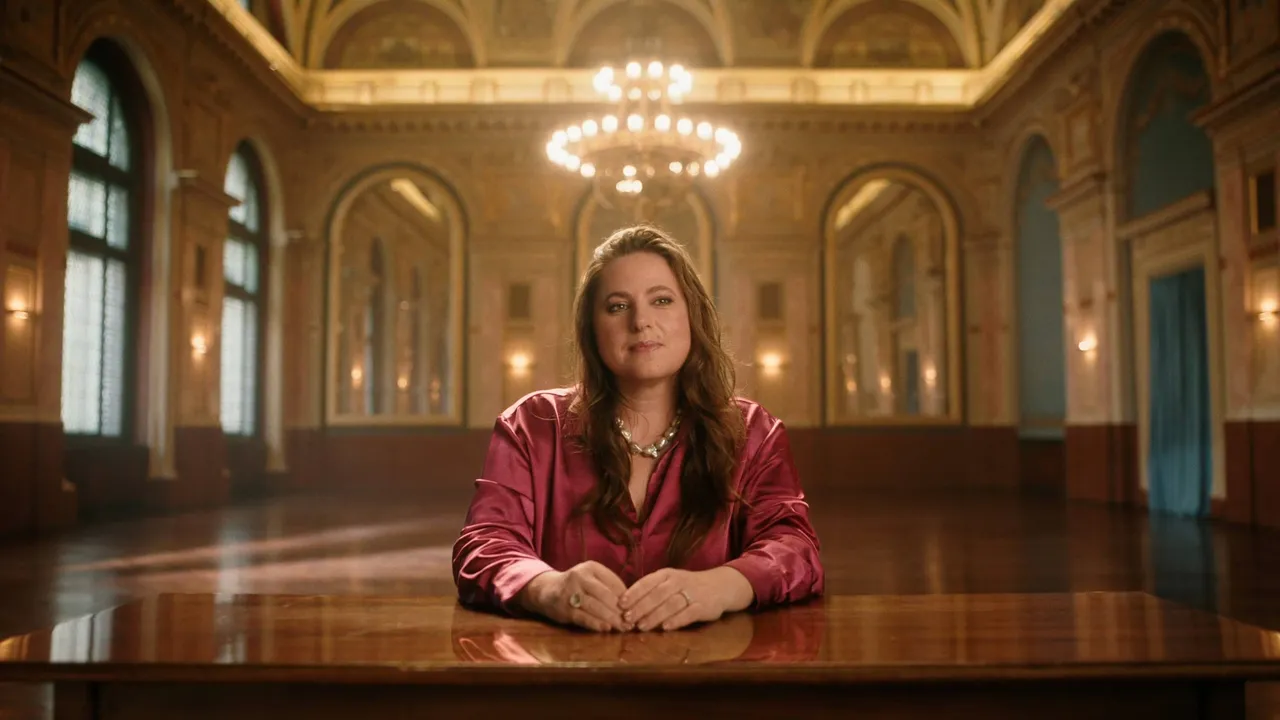
“Queen of Chess” might only be a “greatest hits” compilation of Polgar’s most recognizable moments, but there is an interesting decision in the film’s back half to explore her marriage and adjustment to a world outside of the game. It’s not as probing as it needed to be in order to be a true character study, but it does come as a contrast to the stereotype that chess players are monolithic in their seriousness and intensity. When compared to the great chess movies like “Pawn Sacrifice” or “Fresh,” it’s notable that Polgar is presented as a normal kid who wasn’t shaped by a tragedy or severe trauma.
It’s worth noting that the film’s director, Rory Kennedy, is the daughter of the former Senator Robert F. Kennedy and his wife Ethel, and may not have been the best person to examine the significance of Polgar’s class restrictions and lack of privilege. That being said, it’s an entertaining work of informative filmmaking that is well-edited and utilizes an engaging soundtrack to make the subject more palatable.
“Queen of Chess” makes the most out of the raw material that was at the filmmakers’ disposal, and comes as a welcoming celebration of the human achievement of chess, and why the game can’t be mastered by a machine. It’s certainly geared towards those with a vested interest in the game, but it’s not abrasive for those with more casual knowledge.







![Turbo Cola [2022] Review – A Cool Drink Kinda 90s-Style Coming-of-Age Film](https://www.highonfilms.com/wp-content/uploads/2022/06/Turbo-Cola-Movie-Review-1-768x322.jpg)
