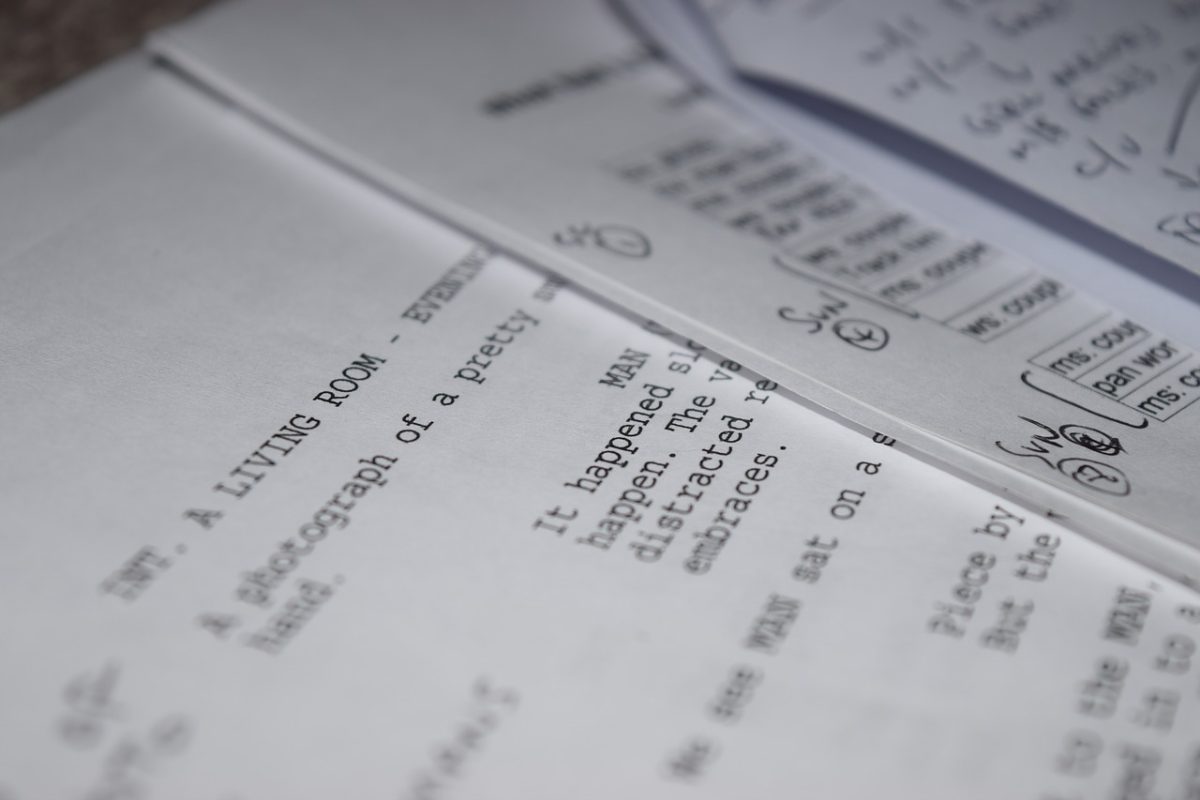
Writers often reach a point where their script feels close to done but something still feels off. Pages are written, scenes are in place, yet uncertainty remains. This is usually when questions about screenplay proofreading services and script editing and coverage start to come up.
The confusion is understandable. Both services aim to improve your script, but they do very different jobs. Choosing the wrong one at the wrong stage can waste time, money, and momentum.
For starters, yes, some people refer to screenplay coverage as “editing,” the lingo used for novels. And a writer can be forgiven for thinking that this means someone actually “edits” the script (i.e. rewrites sentences, proofreads and fixes mistakes). However, editing usually refers to screenplay analysis (also known as script coverage).
Understanding the difference between screenplay proofreading services and script editing and coverage helps you make smarter decisions. It also ensures your script gets the kind of attention it actually needs before submission.
Why writers often mix these two up
Proofreading and editing and coverage are often lumped together because they both involve improving a script. From the outside, they can seem interchangeable.
In reality, they focus on completely different layers of the work. Proofreading looks at surface-level issues. Coverage looks at the foundation underneath.
Writers sometimes assume proofreading will fix story problems or that editing will clean up grammar. That misunderstanding leads to frustration when expectations are not met. Knowing the distinction helps you target the right problems at the right time.
What screenplay proofreading actually focuses on
Proofreading is the final polish. It is not about rewriting scenes or changing story direction. It is about making sure the script reads cleanly and professionally.
This service is best used when the story is already solid and revisions are mostly complete.
1. Catching spelling and grammar mistakes
Even strong scripts can lose credibility because of small language errors. Misspelled words, missing punctuation, and awkward phrasing stand out to readers.
Proofreading catches these issues before they distract from the story. Clean language keeps the reader focused on characters and conflict instead of mistakes.
Small errors add up. Removing them makes the script easier and more pleasant to read.
2. Fixing formatting slips
Screenplays follow strict formatting standards. Minor inconsistencies can signal inexperience, even if the story itself is strong.
Proofreading checks scene headings, dialogue layout, action spacing, and overall consistency. It ensures the script looks professional from the first page to the last.
This is especially important before submissions, contests, or industry reads.
What script editing goes deeper into
Script coverage and editing focuses on how the story works, not how it looks. It examines structure, character logic, pacing, and emotional impact.
Screenplay coverage often involves notes, suggestions, and questions rather than direct corrections. The goal is to help you improve the script, not simply clean it up.
1. Story flow and pacing
Analysts look at how scenes connect and whether the story moves with purpose. They identify sections that drag, repeat information, or lose tension.
Pacing issues are common in early and middle drafts. Analysis helps tighten the story so it holds attention all the way through.
This kind of work often leads to rewriting, restructuring, or cutting scenes.
2. Character clarity and consistency
Characters need clear goals and believable behavior. Screenplay coverage highlights moments where motivations feel weak or actions feel unearned.
Analysts also track character arcs across the entire script. They point out where growth stalls or shifts too suddenly.
Strong characters make stories memorable. Script coverage helps ensure they feel intentional rather than accidental.
When proofreading is the right choice
Proofreading works best when your script is nearly finished. The story is clear. Characters make sense. Major revisions are complete.
This stage usually comes right before submission. Proofreading prepares the script for professional readers by removing distractions.
If you are confident in the story but worried about presentation, proofreading is the right step.
It is not meant to fix story problems. It is meant to make sure nothing undermines your hard work.
When script coverage makes more sense
Script coverage is ideal for earlier drafts or scripts that feel uncertain. If you are questioning structure, character motivation, or pacing, proofreading will not help.
Screenplay analysis gives you direction. It explains why something feels off and how to approach fixing it.
This stage requires openness and patience. Script coverage often leads to multiple revisions, but it builds a stronger script in the long run.
If your story still needs shaping, coverage is the smarter investment.
Why some scripts need both
Many scripts benefit from both services at different stages. Analysis comes first to address big-picture issues. Proofreading comes later to polish the final draft.
Skipping analysis and going straight to proofreading can lock in weak storytelling. Skipping proofreading can make a strong script look careless.
Using both creates balance. The story works and the presentation supports it.
This layered approach reflects how professional scripts are developed.
Choosing the right service for your script
The key question is simple. What kind of problems are you trying to solve?
If the issues are about clarity, structure, or character depth, script coverage is the answer. If the issues are about errors and formatting, proofreading is the answer.
Some writers benefit from an outside assessment to determine readiness. Others already know where they are stuck.
If your script feels finished and you want a clean, professional final pass, screenplay proofreading services can provide that last layer of confidence.
Final thoughts
Proofreading and analysis serve different purposes, but both play an important role in the writing process. Confusing them can slow progress or create false expectations.
Taking the time to understand what your script needs helps you move forward with clarity. It also ensures your effort goes into the right kind of improvement.
Strong scripts are built in stages. Choosing the right service at the right time keeps your work moving toward its best possible version.