There are a few actors who had the sheer number of classics on their resume as Robert Duvall, and even fewer who were as consistently remarkable. While the death of any beloved Hollywood figure is bound to spark overzealous statements, Duvall was an actor who could be feasibly cited as the greatest of all time without earning any blowback. Although he had his start as one of the last figures of the Golden Age of Hollywood, thanks to his debut in 1962’s “To Kill a Mockingbird,” Duvall launched himself into the New Hollywood era by working with many of the most important figures of the rising generation of young talent.
Duvall was a true “actor’s actor” who was willing to take a multitude of roles, from prestige television dramas, Adam Sandler comedies, action-packed classic westerns, and even a Tom Cruise blockbuster. Duvall seemed game to try anything and everything. That he remained so relevant in the later stages of his career spoke to his remarkable work ethic. Duvall earned his last Oscar nomination for “The Judge,” an underappreciated drama in which he went toe-to-toe with Robert Downey Jr.
His final film role was in Netflix’s “The Pale Blue Eye,” a throwback to the period historical thrillers that Duvall could have feasibly been the star of decades prior. While his filmography is so deep and expansive that there is room for many rediscoveries, film fans should note that his family “encourages those who wish to honor his memory to do so in a way that reflects the life he lived by watching a great film.” Here are the best Robert Duvall performances, ranked.
15. THX 1138 (1971)
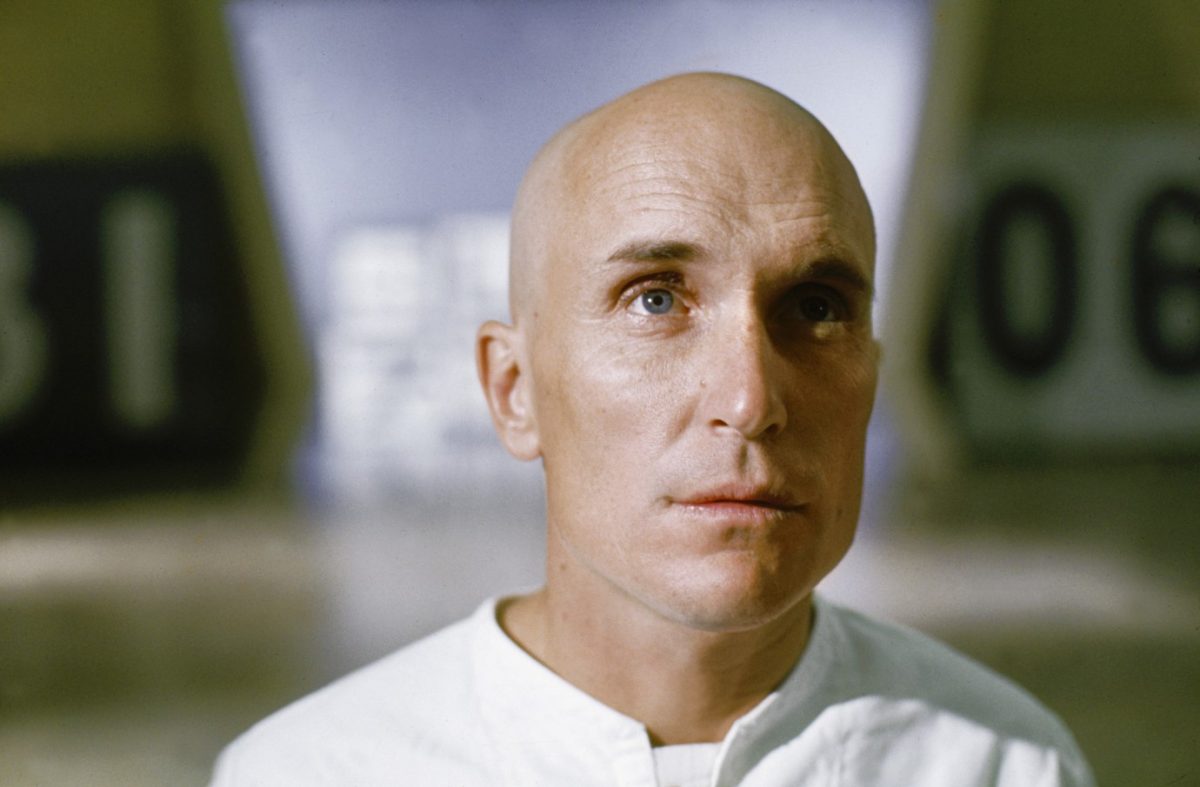
While he was best known for his collaborations with Francis Ford Coppola, Duvall was essential in an early work by “The Godfather” director’s best friend, George Lucas. Lucas and Coppola had started their independent production company, American Zoetrope, together as a means of working on the types of personal projects that studios wouldn’t typically finance, and one of their first endeavors was “THX 1138,” a paranoia-tinged dystopian thriller set in a world where intimacy has been outlawed. Duvall starred as the titular hero, a worker for a powerful corporation, who is inspired to break free from the confines of the totalitarian state by making an escape.
“THX 1138” hit at the apex of the Orwellian fears perpetrated by the Nixon administration, and served as the ballad of Lucas, a “free love” thinker who also respected the sanctity of Joseph Campbell’s hero’s journey. The story of THX, a loner encouraged to take part in a larger universe, is not that dissimilar from the journey that Luke Skywalker would take six years later in “Star Wars.” While Lucas has never had that much of an eye for dialogue, Duvall brought more to his performance as an emotionless drone than many actors could to a more well-rounded role.
14. The Conversation (1974)
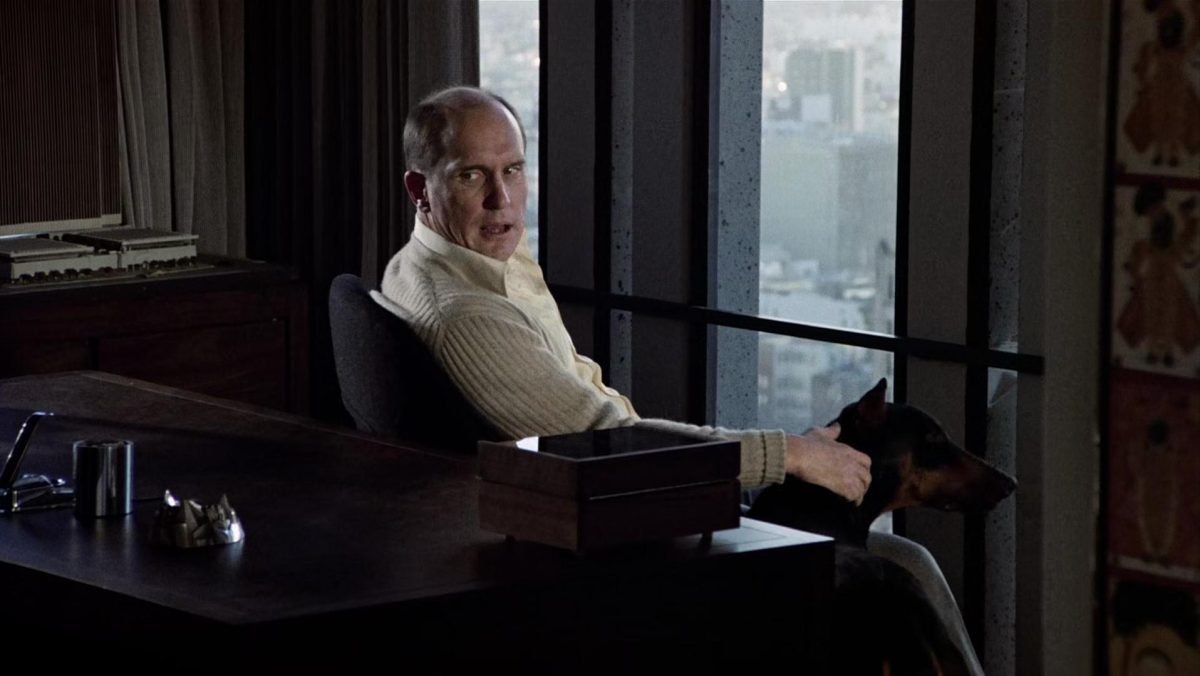
Remarkably, one of the greatest films of all time is one that Duvall just happened to have an uncredited cameo in. Although the plot of “The Conversation” is set in motion after Harry Caul (Gene Hackman) received orders from a mysterious client known only as “the Director,” Coppola understood that he needed someone of stature and authority to play the character before he is killed off-screen.
It was between the production of the two “The Godfather” films that Duvall agreed to do the role, despite the fact that he wouldn’t be listed in the credits. That he is so memorable in the film, especially alongside another recently departed legend in Hackman, speaks to the ethos of the ‘70s, in which everyone involved in the industry seemed genuinely enthusiastic about making great work. It may seem like a minor role, but it’s hard to imagine that a more famous actor wouldn’t have stood out like a sore thumb, or that a more obscure star would have had the same impact as Duvall did. As would prove to be the case more often than not, Duvall didn’t need a ton of screen time to blow everyone out of the water.
13. True Grit (1969)
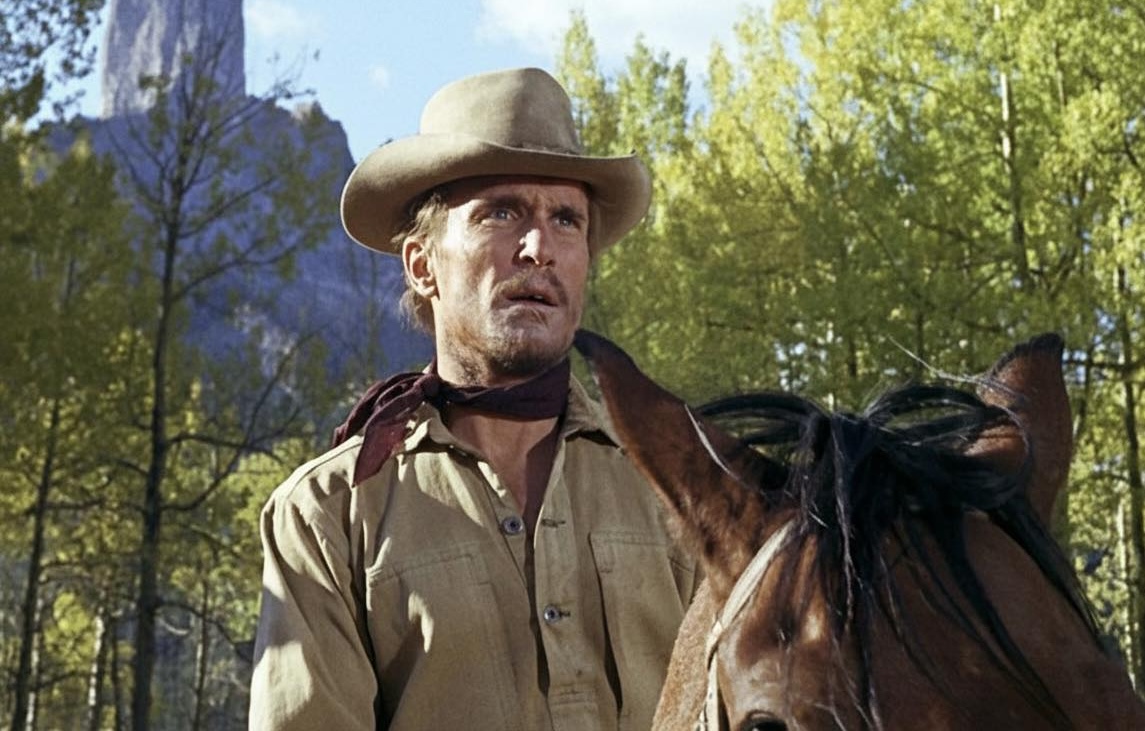
“True Grit” felt like the last old-fashioned western of the Golden Age of Hollywood, as it was released right in the midst of the “spaghetti western” craze started by Sergio Leone and the other Italian masters. It was the culminating chapter in John Wayne’s career, as the legendary cowboy star finally earned his first Academy Award for Best Actor for his role in the adaptation of the acclaimed novel. The legacy of “True Grit” is a complex one because it is outmatched in every way by the 2010 remake directed by the Coen brothers. That being said, Duvall had one of his earliest roles in the 1969 version, and he easily gives the best performance in the film.
The central trio of “True Grit” is Wayne as the aging lawman Rooster Cogburn, Glen Campbell as the quirky Texas Ranger La Boeuf, and Kim Darby as the teenager Mattie Ross, in what might be the single most irritating child acting performance in cinema history. Duvall appears for a few scenes as the horse thief known as “Moon,” and brings a realism and grittiness to the film that wasn’t present elsewhere. While Domhnall Gleeson turned in a memorable performance in the Coens’ film, it was hard for anyone to nail the character better than Duvall did.
Check Out: 10 Best Actors Who Earned an Oscar from Their First Nomination
12. Crazy Heart (2009)
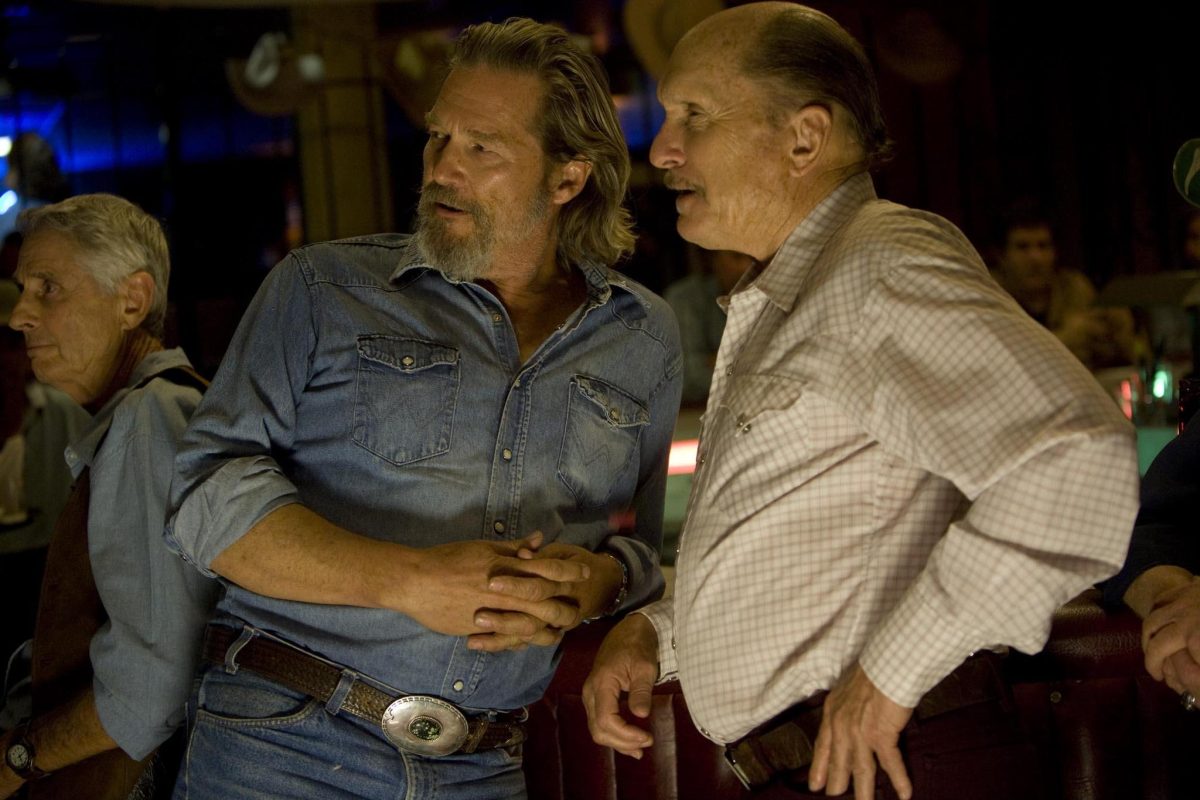
Duvall had a pretty interesting history as a legend of country music, as he lent his musical talents to more than a few film roles. “Crazy Heart” was a vehicle for his friend Jeff Bridges, who finally won his first Academy Award for Best Actor for his performance as the aging country music legend “Bad Blake.” The character is loosely inspired by the real artist Hank Thompson. Duvall fits in perfectly as Wayne Kramer, a former collaborator of Blake’s who has spent his time in Alcoholics Anonymous. It was a clear tribute to the role that Duvall had in “Tender Mercies,” in which he also played a country music star with a drinking issue.
“Crazy Heart” is the type of emotionally manipulative film that is hard to resist because of how well it hits the expected beats. Bridges, Duvall, and Colin Farrell also contributed to the soundtrack, which became a minor phenomenon in its own right. While by no means one of the flashier performances that he has ever given, Duvall is brilliant in “Crazy Heart” because he portrays a character who has an entire history that never has to be explicitly stated or hinted at in any overt way.
11. The Paper (1994)
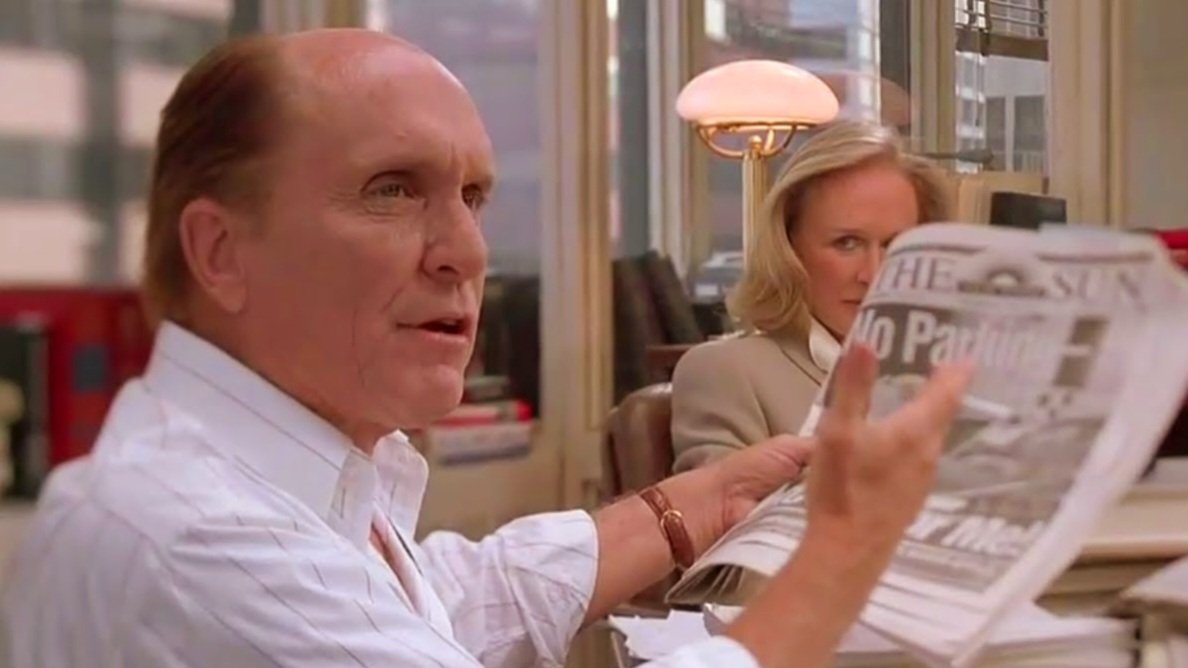
“The Paper” is one of the lost gems of the ‘90s that should be remembered more fondly as the type of star-studded, issue-oriented crowdpleader that would be more than refreshing in today’s cinematic ecosystem. It’s a love letter to journalism, directed by Ron Howard at his best, which stars Michael Keaton as a hardworking reporter who must save his community newspaper from being undercut by its cynical managing editor (Glenn Close). The drama is set into motion upon the retirement of Duvall’s character, the former editor-in-chief, who had to step down from his position due to an unexpected cancer diagnosis.
“The Paper” is able to speak to the qualities of good journalism without feeling preachy, and Duvall is tasked with playing the type of fiercely intelligent, compassionate, and unreasonably dedicated editor that any writer would be lucky to have watching over their work. Even if it wasn’t for the film’s ardent lionization of the good that an independent newspaper can do for its community, “The Paper” would still be able to generate sympathy for Keaton’s character because of the strong connection he shares with Duvall during their scenes together. Retroactively, it’s amazing that Duvall could portray a character wrestling with their mortality when he still had more than three decades left of great performances in him.
10. Get Low (2010)
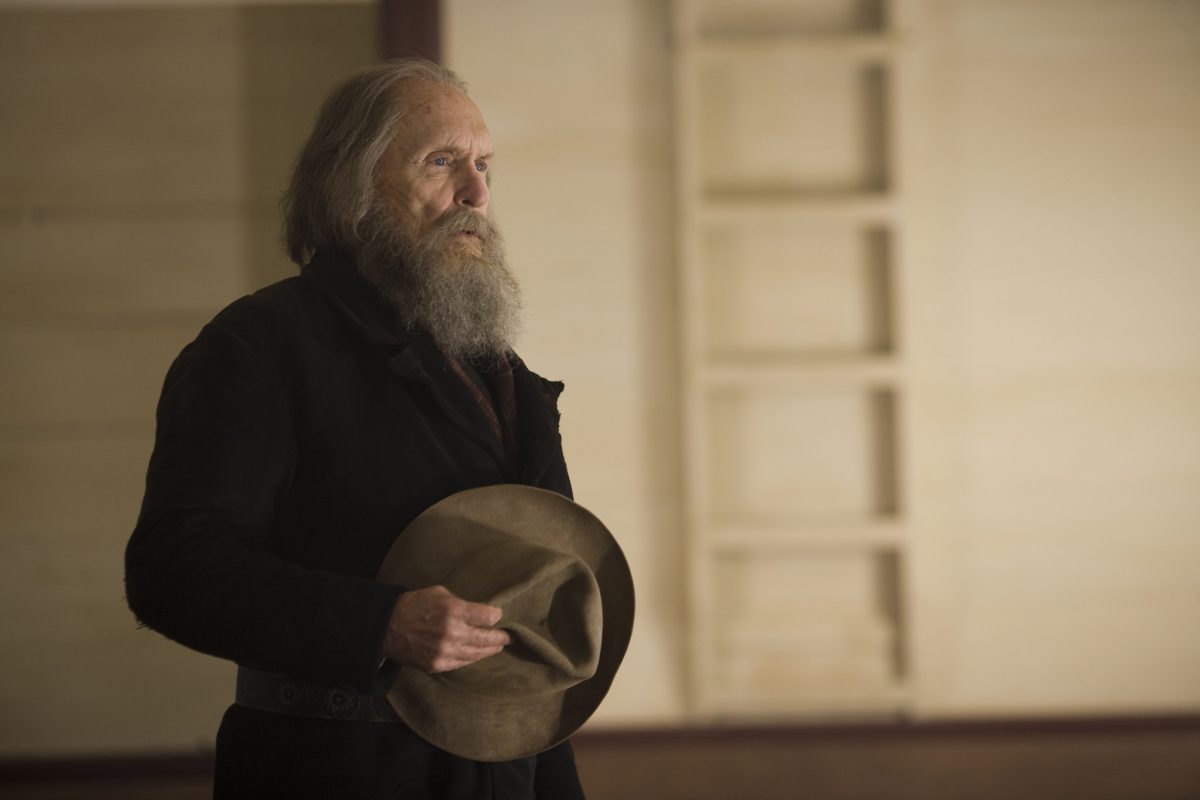
“Get Low” is one of Duvall’s most underrated performances, and in hindsight, one of his deepest. It’s rare that an actor has such awareness of the status of their career, and it was during the final era of Duvall’s star run that he took on his last true lead role as an aging westerner attempting to plan his own funeral in the 1930s. While there are some whimsical aspects to the premise and the inclusion of some comedic actors like Bill Murray, “Get Low” becomes a rather sobering drama about love and loss. It’s not just a reflection on mortality, but the distillation of Duvall’s essence as a star, when considering that it’s in conversation with the many different Western characters that he has played.
While it often plays like a fable and operates like a two-hander (at least until Sissy Spacek enters the story with one of her strongest recent performances), “Get Low” is a true showcase for Duvall as an embittered, regretful old soul who never reacts to situations in the way one might expect him to. It’s the type of throwback film that only works if the audience has a relationship with the star, and Duvall’s keen ability to discern his own screen image makes this a true gem.
9. Open Range (2003)
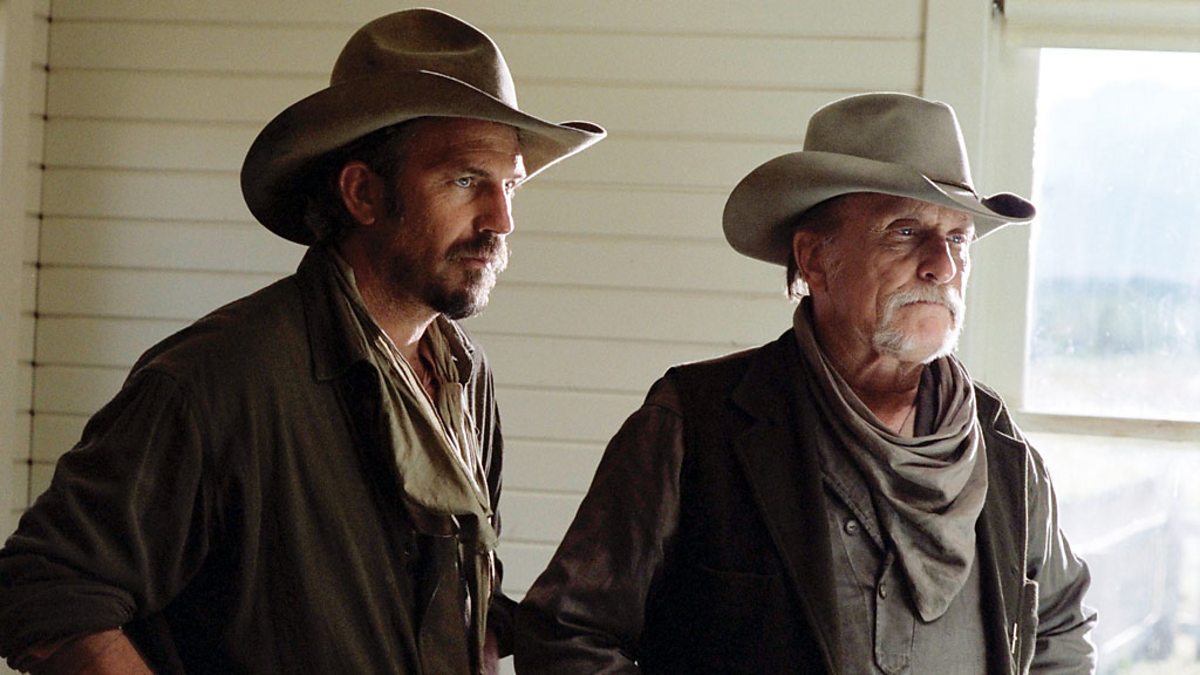
Kevin Costner has had a fairly mixed track record as a director, to say the least. It was after winning the Academy Awards for Best Picture and Best Director that Costner reprised his responsibilities for “The Postman,” which would be declared one of the biggest flops ever made. Although he has recently gotten into hot water due to the never-ending controversies surrounding the multi-part “Horizon: An American Saga” project, Costner’s third directorial venture (and final standalone project) is a throwback to classic westerns that stars him and Duvall as aging lawmen in the midst of a brutal range war.
Costner is able to pick upon the inherently intriguing aspect of post-Civil War westerns, in which the country’s modernization didn’t outmatch its reconstruction. While life had begun to return to war-torn states, a lack of an organized infrastructure created a scenario of chaos where frontier justice returned. Costner tasks himself with some of the more emotional and romantic material, but it’s Duvall who steals the film with his quiet, powerful performance. It’s a subtle feat of acting within an open-hearted, expressive film, and the restraint Duvall shows makes the show-stopping final shootout of “Open Range” more viscerally exciting than it would have been otherwise.
8. To Kill A Mockingbird (1962)
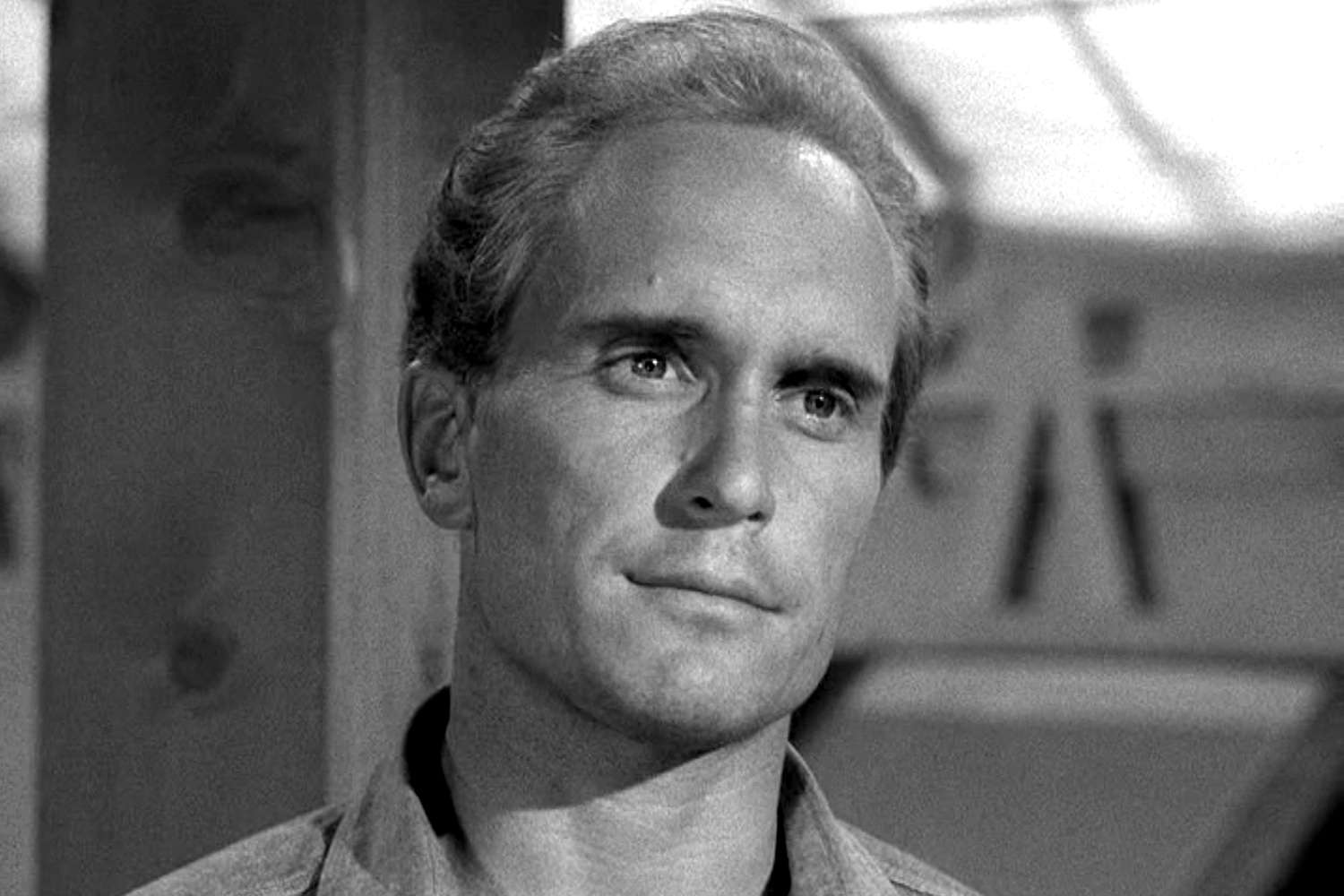
It’s hard to imagine a better film in which to start one’s career than “To Kill a Mockingbird,” the rare adaptation of a classic novel that actually translates to the screen perfectly. It’s often hard for a film to fully capture the interiority and depth of an epic classic of American literature, especially one that’s been as widely-discussed as “To Kill a Mockingbird,” but Robert Mulligan’s vivacious drama is just as true and discerning as its source text. Gregory Peck’s performance as Atticus Finch is the definition of iconic, having both won him the Academy Award for Best Actor and been named by the American Film Institute as the greatest hero in film history.
Duvall’s role is that of Boo Radley, a mysterious character who comes to the aid of Finch’s daughter, Scout (Mary Badham). The kind-hearted, lonely, and emotionally ambiguous role is among the most complex in the film. Duvall was able to find the essence of the character as it was written by Harper Lee, specifically in how Boo is perceived in the eyes of an innocent child like Scout. “To Kill a Mockingbird” was always going to be a classic, but Duvall contributed an important note that helped conclude the film on an instance of hope.
Also Read: 25 Great Trial Films of All Time, Ranked
7. A Civil Action (1998)
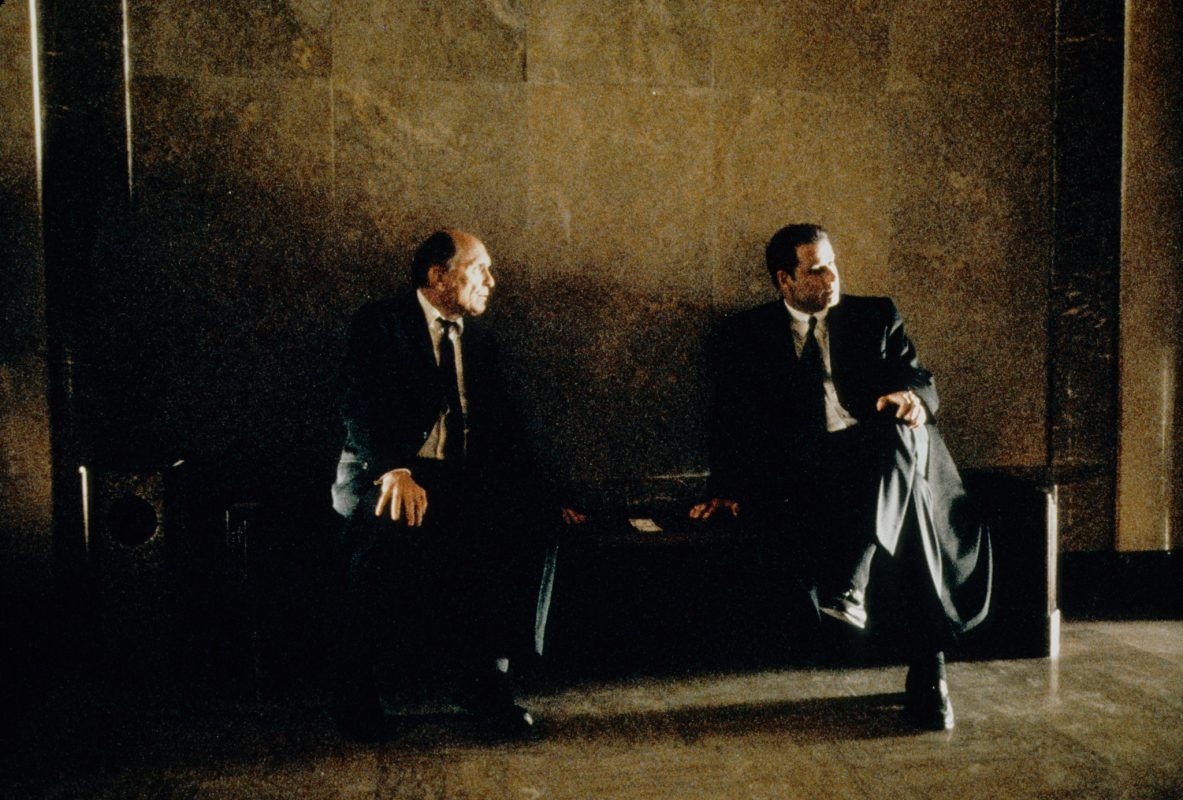
It’s easy to forget that courtroom dramas were a highly bankable genre in the ‘90s, thanks to the success of “A Few Good Men,” “The Firm,” “The Pelican Brief,” and “Primal Fear” among others. “A Civil Action” is as classic a legal thriller as they come. John Travolta scaled back from the eccentricities he’d developed in his recent collaborations with John Woo to play a cynical lawyer who is roped into representing the citizens of a small town in Massachusetts, whose aquifers have been contaminated by Trichloroethylene.
While it didn’t get the credit it deserved upon release, “A Civil Action” earned raves for Duvall’s performance as the sinister lawyer defending the corrupt Beatrice Foods in the lawsuit. It’s not a nuanced performance, and it’s not intended to be. There’s no interiority to a character that is purely seen at his most dangerous in the courtroom, where he weaponizes kernels of truth to defend a company that everyone knows is corrupt. Duvall’s performance is cold, calculated, and utterly believable, as the legal fallout that resulted from the real case for which the film was based suggested that “A Civil Action” almost didn’t go far enough in defaming the real-life villains responsible for the death of children.
6. Network (1976)
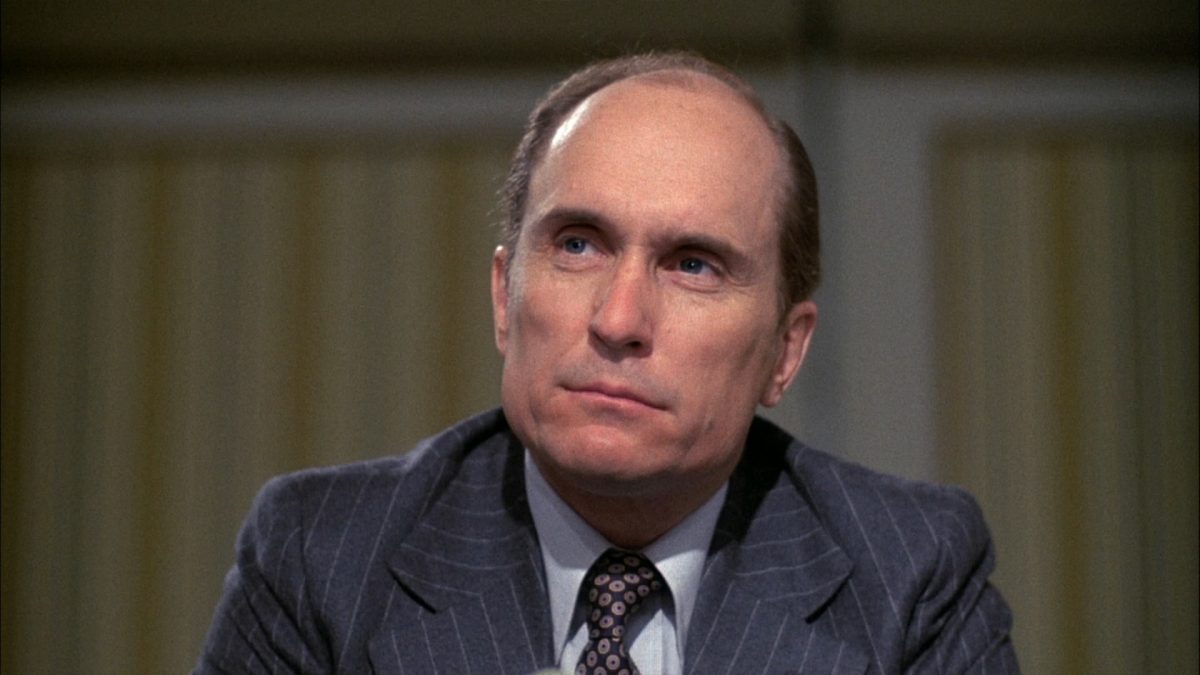
“Network” may have the single best ensemble cast in history, and has tied the record for most acting wins at the Academy Awards. Although Duvall did not receive a nomination for his performance as the ruthless executive Frank Hackett, he arguably has some of the best monologues of the film, particularly during his ecstatic description of what the breakdown of anchor Howard Beale (Peter Finch) will do to the network’s ratings. “Network” has stood the test of time for its portrayal of the shrewd economics of media relations, and Duvall’s performance epitomized the point in history at which the news became a consumer-based product, and not a public service.
It’s a performance of subtle intensity that now feels more insidious because of how many Frank Hacketts exist in today’s leading corporate entities. The man’s desire to give the people what they want led to a frenzy of proclamations, dissension, and chaos. “Network” is as sharply written as any of the classics of its era, and Duvall is able to trade verbal blows with Faye Dunaway, Ned Beatty, Beatrice Straight, and William Holden without breaking a sweat. With a classic on the level of “Network,” it’s bound to be one of the best things that anyone involved in it ever done.
5. M*A*S*H (1970)
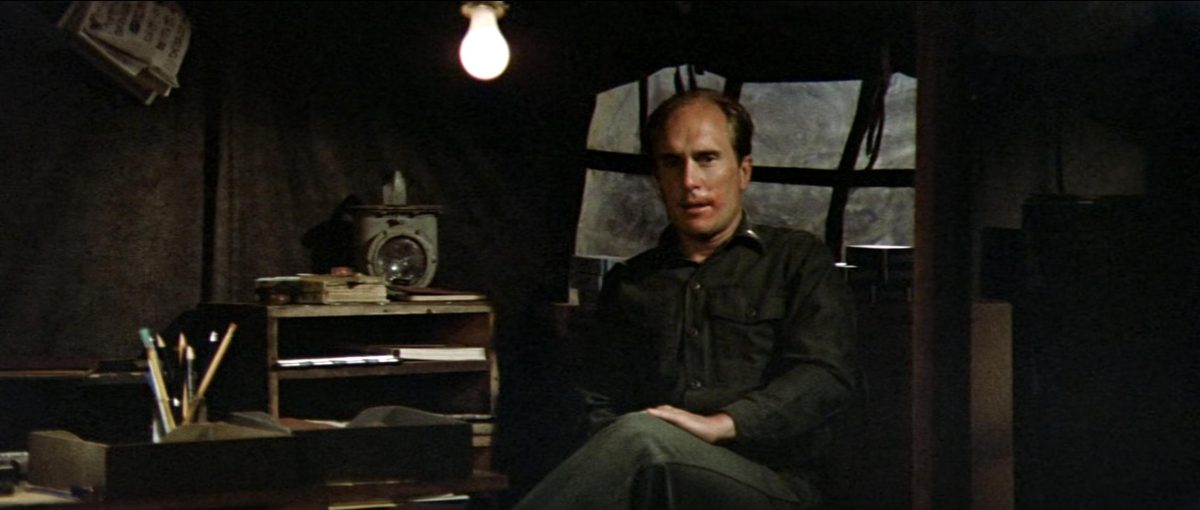
Any interview with the late actor would reveal that, in addition to having a brilliant mind, Duvall was also quite funny and knew exactly how his sense of humor could be perceived on screen. It was a brilliant move on the part of the legendary Robert Altman to cast Duvall as the straight man in “M*A*S*H,” the classic war comedy that inspired one of the most successful television shows in history. Donald Sutherland and Tom Skeritt are the two new surgeons at the 4077th Mobile Army Surgical Hospital in South Korea, and Duvall is the arrogant, self-important Major Frank Burns. Nothing said “New Hollywood” like sticking it to authority, and “M*A*S*H*” combined anti-establishment sentiments with the burgeoning slapstick humor of a comedy landscape that had not yet experienced the rise of National Lampoon and “Saturday Night Live.”
Playing a stick-in-the-mud isn’t as easy a task as it may seem, and Duvall is able to turn Burns into an obnoxious, cloying figure of authority who grows hilarious in his incompetence. It’s the type of role that would seem natural to hate the character, but Duvall is so perfect at being hapless that it’s hard not to grant Burns the tiniest bit of sympathy.
4. Apocalypse Now (1979)
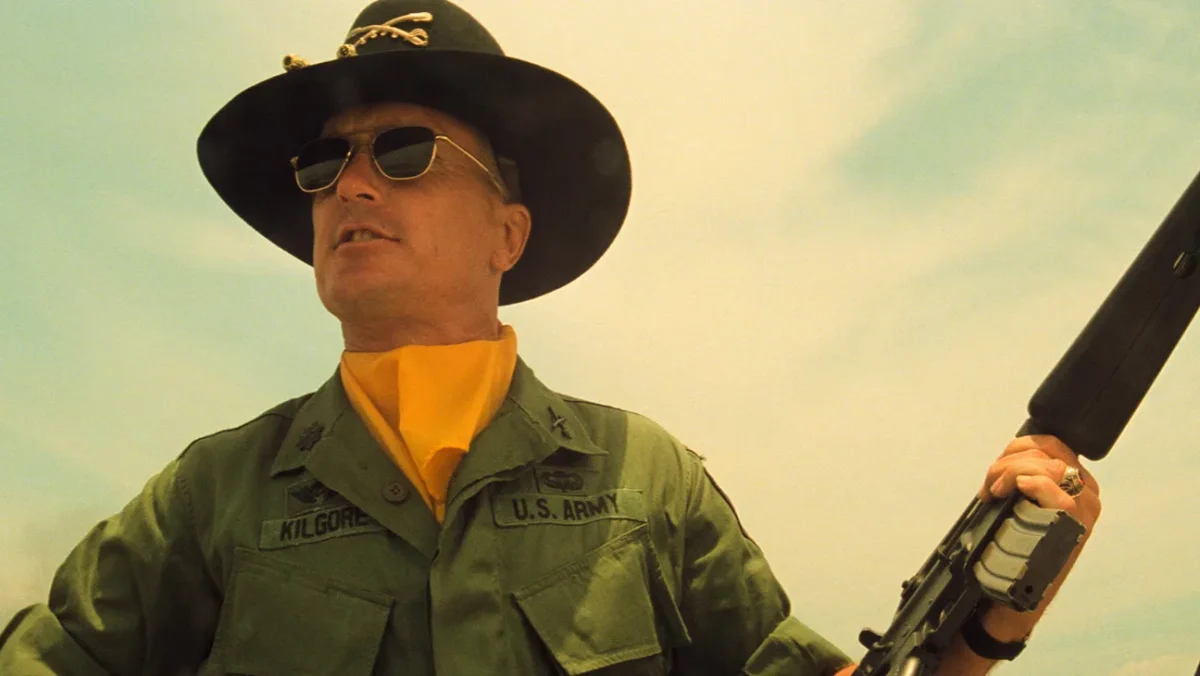
“Apocalypse Now” is a classic of epic proportions that has only grown more legendary in the years since its release. In addition to the highly-documented reports about the legendarily chaotic production process, in which Coppola is said to have lost his mind, the film has become a stand-in for both the end of the New Hollywood era and the industry’s true reckoning with Vietnam. While “Coming Home” and “The Deer Hunter” had explored the lasting repercussions of the war on the American soldiers who returned home, “Apocalypse Now” visualized the hellscape of a foreign nation torn apart and engulfed in flame.
There’s no greater character in “Apocalypse Now” than Duvall’s Lieutenant Colonel Bill Kilgore, who utters the film’s most famous line: “I love the smell of napalm in the morning.” Kilgore was a character that Duvall researched extensively in order to draw in components of different military officials who had leadership positions in Vietnam, but he created a wholly unique figure who treated the brutalistic war as the ultimate vacation, no different than his love of surfing. Few characters embody the sickness of an entire generation quite like Kilgore, and Duvall’s performance has become an essential part of the film’s outstanding legacy.
3. The Godfather (1972) and The Godfather: Part II (1974)
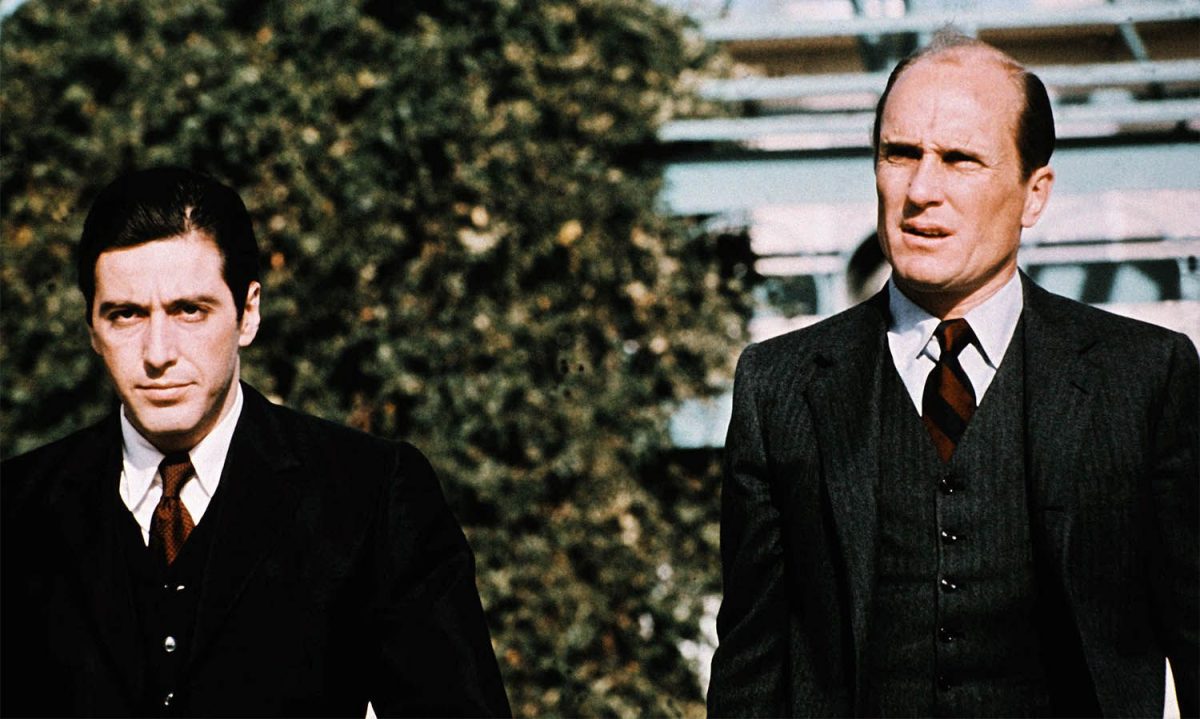
There’s a case to be made that any of the characters in Francis Ford Coppola’s gangster masterpieces are the most compelling, but Duvall’s Tom Hagen might be the most difficult to discern. Hagen is simultaneously the coolest-headed, effective member of Don Vito Corleone’s (Marlon Brando) criminal empire and someone who will always be on the outside, as he is not blood. Hagen is as ruthless an enforcer as the family could need, and instrumental within Michael’s (Al Pacino) acceptance of his father’s legacy, yet he’s also a loner who is denied the chance to be a part of the institution in which he dedicated his life. It’s upon his betrayal that Hagen is almost sympathetic, as power in “The Godfather” is not afforded to those who play by the rules.
While Duvall earned his first Oscar nomination for the original “The Godfather,” the tragedy of Hagen wouldn’t be complete without his equally powerful turn in “The Godfather: Part II.” That Duvall didn’t return for “The Godfather: Part III,” despite Hagen being an essential component to the original outline for the script, is the primary reason that it is considered to be one of the most disappointing sequels of all time.
2. Tender Mercies (1983)
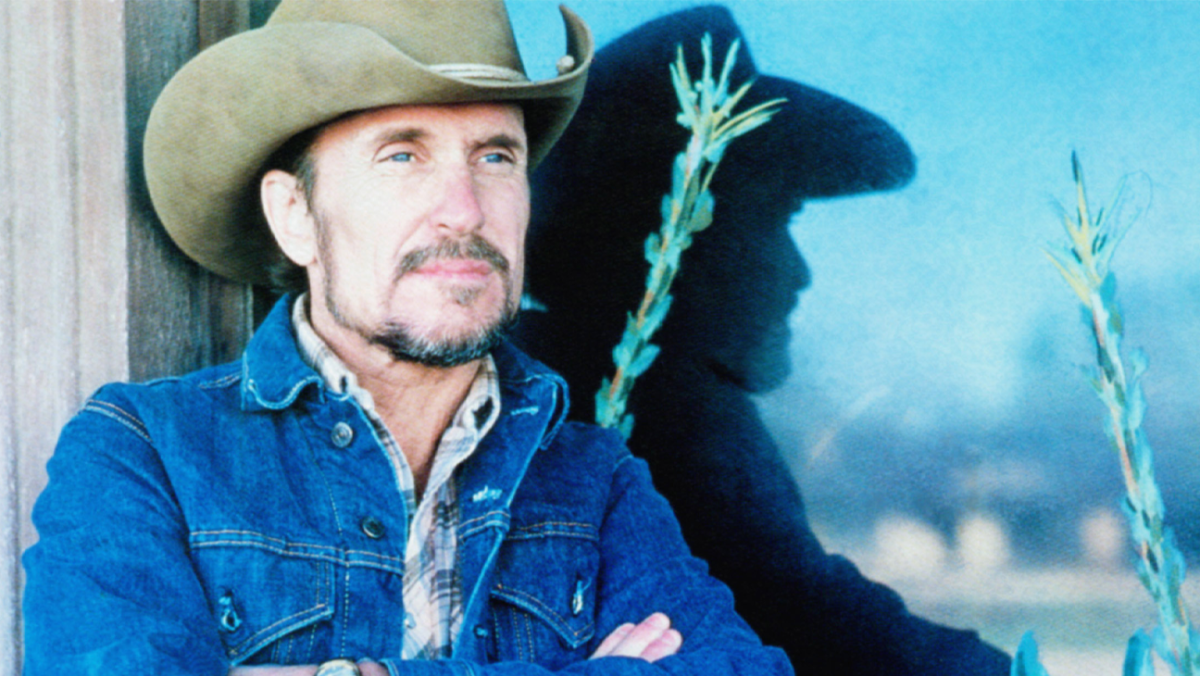
It’s not often that actors earn their Academy Awards for their most worthy performances, as it’s more frequent for Oscars to be handed as a “makeup” trophy after years of being snubbed. However, Duvall’s work in “Tender Mercies” isn’t just a defining role of his career, but a performance that only he could have been capable of giving. He created an all-time great cinematic character in Mac Sledge, a former country music icon who lost himself to alcoholism, only to experience a spiritual and emotional rebirth upon being accepted into a new community.
It’s as powerful a depiction of redemption as such a story could be, and Duvall’s ability to be wistful, haunted, and deeply tragic turned “Tender Mercies” into a probing psychological study that transcended any suggestions of melodrama. Rarely has addiction been better realized on screen, but “Tender Mercies” is also highly watchable thanks to the charisma and joy Duvall brings out in the part. Optimism and authenticity aren’t always matched as well. While it was not based on a true story, “Tender Mercies” earns so much personality from Duvall’s performance and terrific musical numbers that it would be easy to mistake it for a classical biopic.
1. Lonesome Dove (1989)
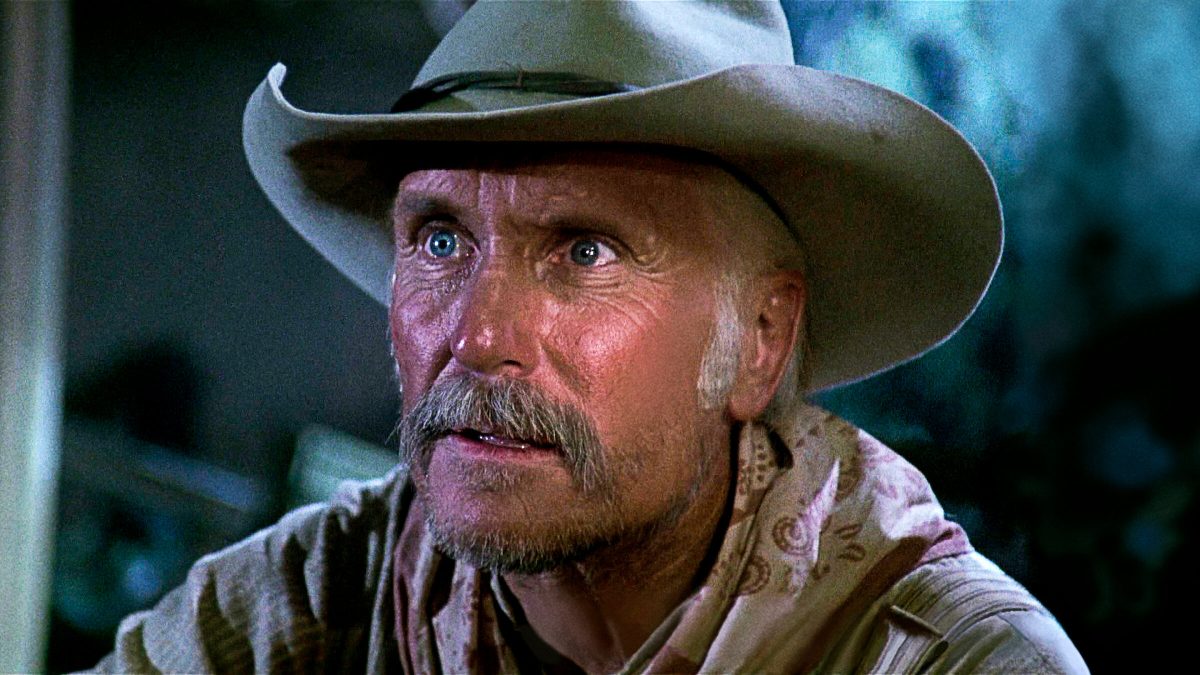
Despite being one of the most recognizable faces in cinematic history, Duvall’s greatest performance was actually on television with “Lonesome Dove,” the four-part adaptation of Larry McMurtry’s legendary western novel that was directed by Simon Wincer. Duvall and Tommy Lee Jones star as two Texas Rangers who agree to run a cattle herd to the north, opening them up to danger and adventure that they’ve long since been denied. Duvall’s character of Gus McRae is both a deeply honorable hero and a temperamental womanizer who hasn’t entirely been able to let the indulgences of his youth go. His arc isn’t just to become the man he once thought himself to be, but to make a contribution to the lives of those closest to him.
Patience, diligence, and sincerity are key to making “Lonesome Dove” an essential work of narrative storytelling, which both does away with the episodic nature of television and goes in more depth than a two-hour film could ever hope to. It’s so engaging on a scene-to-scene basis that it’s not until the end that the full extent of Duvall’s transformation can be observed, and it hits like an emotional ton of bricks. Duvall has been an icon of the western genre since his early days in the industry, and the genre may not have topped the achievement of “Lonesome Dove.”