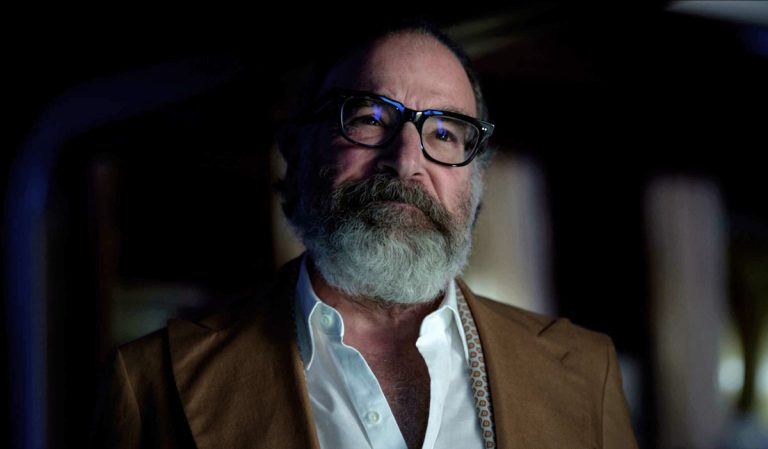
“The Drama” is a well-observed, inventive dark comedy that addresses compelling debates about ethics. The inciting incident of the film is what is bound to attract the most attention, but it’s a means to get to a deeper question about how well people know each other, what they allow themselves to forgive, and whether social acceptance should be distinct from personal morality.
These ideas are examined through clever gags, sharp dialogue, and a duo of compelling lead performances. While the worst that writer/director Kristoffer Borgli sets up isn’t necessarily intended to be “solved,” “The Drama” backs itself into a narrative corner that makes a potentially great film a merely good one.
“The Drama” is amusingly set up as a straightforward romantic-comedy between the Louisiana-born bookshop clerk Emma Harwood (Zendaya) and the British museum director Charlie Thompson (Robert Pattinson), who fall in love after an awkward chance encounter. The days leading up to the wedding lead the couple to spend more time with Emma’s maid-of-honor, Rachel (Alana Haim), and her partner Mike (Mamoudou Athie).
It’s after the foursome begins to share dark secrets with one another after a late night of drinking that Emma inadvertently spills details about her past that shatter the group’s perception of her. Although Rachel severs their communication altogether, it’s Charlie who is forced to reckon with whether he can still be in love with Emma, and if going through with their wedding is still in everyone’s best interest.
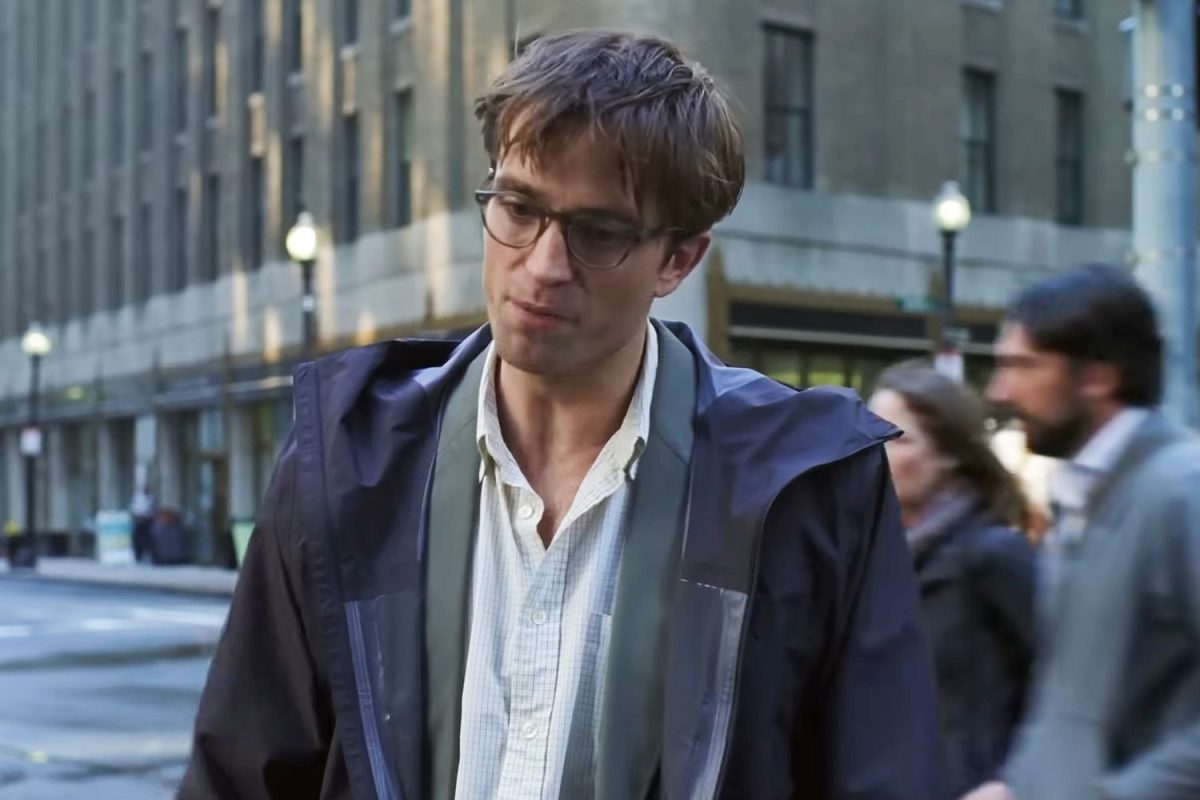
It’s an unfortunate reality of the Internet era that “The Drama” would never have been able to mask its plot twist for very long, but it’s still disappointing that the film has been unfairly judged ahead of its release by those who read details of the reveal without context. That being said, the reveal itself isn’t what makes the film effective, as is Borgli’s exploration of the immediate aftermath where “The Drama” is at its best.
That Emma revealed something in confidence would suggest she was either more trusting of her friends than they expected or that she is completely delusional about what they were willing to dismiss. Borgli has a lot of fun with the notion of false equivalencies, as it is when there is no justifiable excuse that people are most likely to criticize others with the damning phrase, “nobody’s perfect.”
The classical rom-com setup isn’t even a misdirection, given that “The Drama” is still a very funny movie about romance. It just happens to be about whether its characters can justify being in love with one another, rather than opening up for the first time. There’s a compelling suggestion that most lovers would be better off if they lived in blissful ignorance, which is evident from Charlie’s pleading that the situation is some sort of misguided joke.
The casting of two very charismatic actors makes the scenario more complex, as Pattinson and Zendaya are able to generate a level of sympathy for characters that wouldn’t be defensible by any other means. On the flipside, Rachel would seemingly be the most empathetic character in the film if Haim didn’t perfectly embody the obnoxious traits that everyone has seen in a friendship at some point.
Also Read: 50 Most Anticipated Movies of 2026
Borgli clearly has a background in both short-form storytelling and theater, and “The Drama” does often feel like a creative exercise. It’s not a detriment to say that the film often feels like a series of uncomfortable moments that are strung together, finely skirting the line between superficial humor and legitimate terror.
“The Drama” is best seen with a crowd because it inspires looks of skepticism among those seated. That nearly every line reading can be interpreted as being both darkly hilarious and bitingly observational helps “The Drama” avoid taking a declarative stance on how to feel about the characters. It’s a surprisingly easy film to get through because the embarrassment is only ever second-hand. Although Emma and Charlie are an endearing couple, they’re not treated with kid-gloves that would make their misfortune any less entertaining to experience.
Borgli is also able to make sharp visual choices that enhance the inherent power of the dialogue, making the film feel like more than captured conversations. It’s by focusing on minor details that he is able to lock into the obsessive perspective that Charlie has adopted, and stark flashbacks emphasize the weight that Emma has unloaded upon herself. That they both do things that would seem inexplicable isn’t an absurd choice because the film dares its viewers to judge the characters. Double-standards and hypocrisy are frequently called out, and feeling targeted is why the interactive nature of Borgli’s storytelling is so effective.
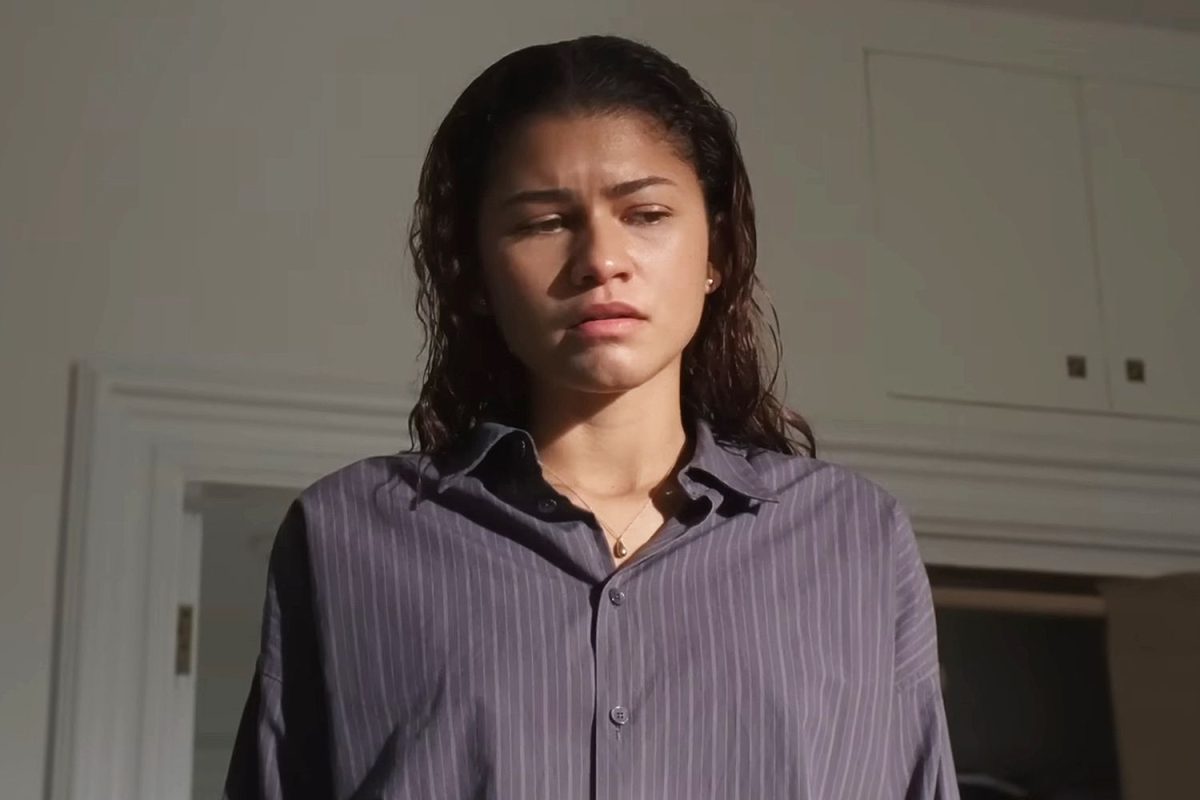
Although Zendaya does a great job at showing the bitter determination that Emma has to resume the semblance of normalcy, it’s Pattinson who steals the film with a bumbling, befuddled performance. In a film about how challenging it is to anticipate social cues and be selectively truthful, Charlie is a character who is put in a position where he must be both a peacekeeper and a realist.
That Pattinson is able to show Charlie’s weak will upon any conflict makes for increasingly amusing scenarios where he seems to take two steps back for any personal gain. It culminates in a scene that is simultaneously tragic, concerning, inevitable, and painfully funny, and ranks among the finest works that Pattinson has ever done.
The issue that “The Drama” runs into is that its concepts are most compelling when they are theoretical, but a film couldn’t end on a satisfying note if it didn’t come to some sort of resolution. Although there’s a clever device that Borgli uses to reset the characters, the quick succession of consequences is less engaging than the more painful twisting of the knife that had occurred up until the final act.
That being said, the flaws in “The Drama” are appropriate, given that the film wouldn’t have done its job if it wrapped up in a generally agreeable fashion. That the film is bound to provoke backlash, controversy, praise, and vehement conversation is proof of concept in its own right.



![Sub-Zero Wind [2019]: ‘NYAFF’ Review – An Uneven Tale about Growing up in the shadow of an economic crisis](https://www.highonfilms.com/wp-content/uploads/2019/07/Sub-Zero-Wind-highonfilms-768x432.jpg)


![The Territory [2022] Review: The Spirit to Fight back shines the brightest in this endearing Amazonian documentary](https://www.highonfilms.com/wp-content/uploads/2022/05/The-Territory-2022-Movie-Review-768x432.jpg)