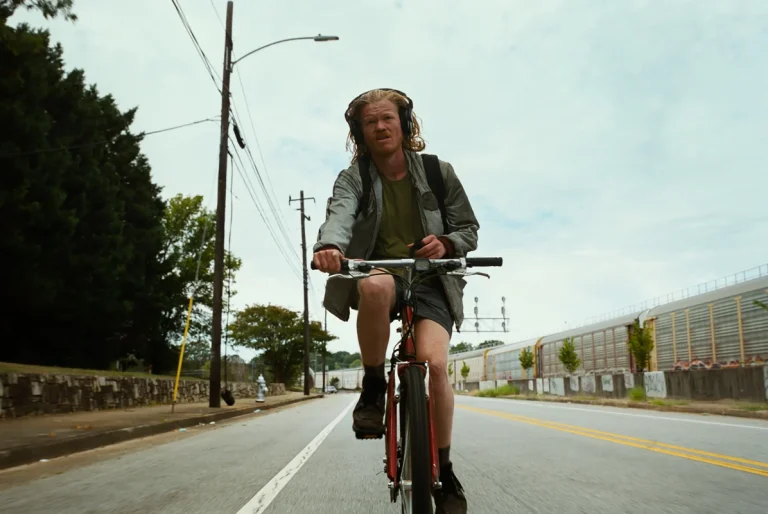
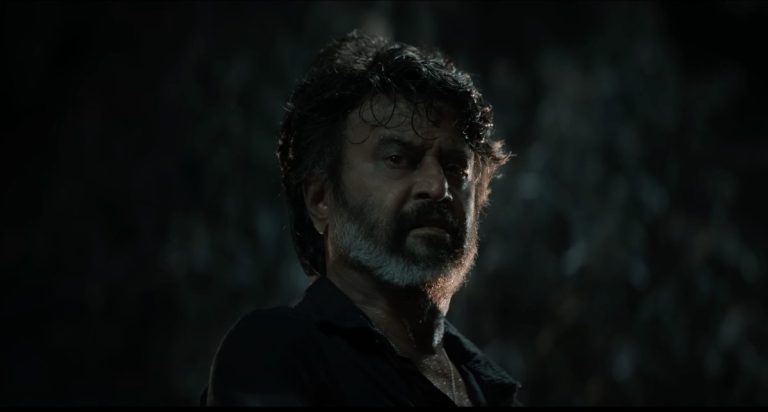
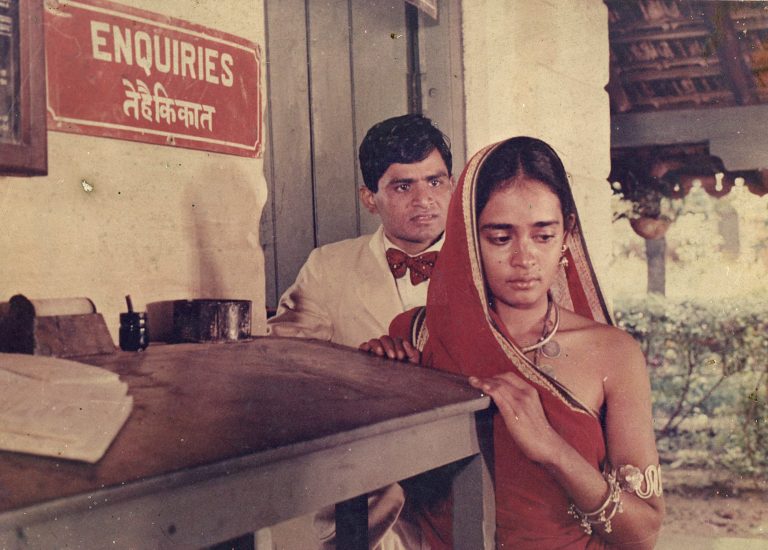
Benny and Josh Safdie didn’t take long to enter the pantheon of revered sibling directors on the filmmaking scene, and upon viewing even a single one of their collaborations, it isn’t hard to see why. Over a relatively short period of time, the Safdie brothers have managed to carve out a distinct lane for themselves as a pair of independent American cinema’s most vital and stylistically distinct storytellers today, fostering a personalized focus of both character and aesthetics that bravely spotlights some of the more overtly detestable figures that wider society would rather leave to drown in the seedy underbelly of New York City.
In ranking all of their films, it becomes somewhat challenging to find more glaring distinctions between their best efforts, as the Safdies had more or less settled themselves into a winning formula. But in that formula lies the endless possibility to tinker with the chosen variables of self-centredness and delusions of grandeur to explore a sprawling variety of larger-than-life hustlers who feel as though they’ve just crawled off the street and finessed their way into our lives with all the delicacy of a freight train.
Some important notes: we will be including Benny and Josh’s solo efforts within this ranking of their collective works, as each of them, despite some notable distinctions to be discussed, nevertheless finds a distinguished position within the overall narrative and formal arcs of their joint and respective careers.
And as far as scant documentary efforts (which are generally reserved for their own distinct space regarding structure and method) are concerned, special mention should be given to the brothers’ own “Lenny Cooke,” which explores the more sombre realities of an ambitious subject whose drive to reach the top—in this case, a spot in the NBA—fizzles away into the harder truths of a world that swallows naked ambition and spits its bones back out.
7. The Pleasure of Being Robbed (2008)
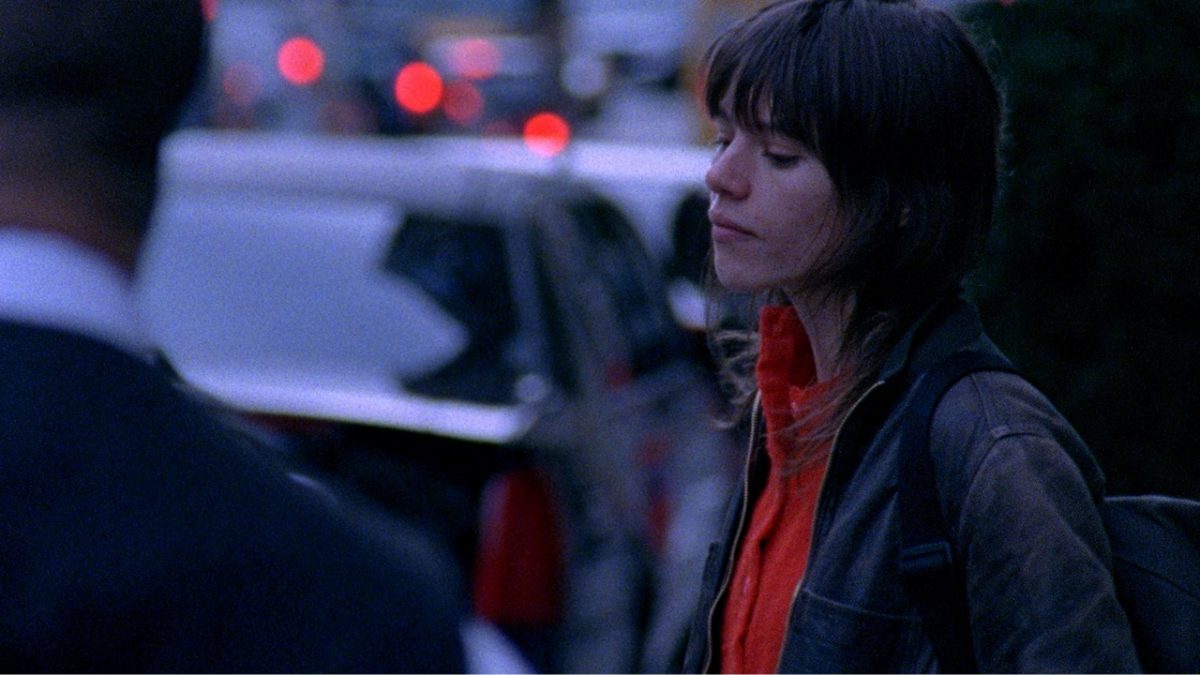
Despite the implications of its title, the crime most central to Josh Safdie’s “The Pleasure of Being Robbed”—in this, the first Safdie feature of any kind, Benny is nowhere to be found—is being a largely inconsequential film, especially in the grand scheme of what the brothers would later accomplish both together and individually. Within the context of such viscerally anxious productions to come, Josh’s directorial debut is something of a distinct anomaly given its extremely minuscule scale, bolstered by a more contained vision of the petty antics of New York life captured in grainy 16mm footage.
There is, however, some charm to be found in that micro-dosed Safdie adrenaline—here applied more in service of straight pathos than complexity of motivations—as “The Pleasure of Being Robbed” allows Josh to explore all aspects of its chosen name beyond the implied irony. A mid-film excursion between New York and Boston in a stolen car, as lead actor Eleanore Hendricks is accompanied by the rare onscreen appearance of Josh himself, makes for a particularly amusing diversion as twisted forms of agency (learning to drive) are found in the undertaking of underhanded illegal activities. Every experience can be a growing experience, and “The Pleasure of Being Robbed” finds its absurdities in dissecting precisely which ones do—and, more importantly, don’t—serve that formative role in the life of a petty crook.
6. Heaven Knows What (2015)

Though the Safdies would always find a place to put unconventionally chosen, non-professional actors in key roles across their subsequent works, “Heaven Knows What” constitutes the last time the duo would take that approach towards the central figure of their chosen film. The film itself was, in fact, based on the then-unpublished memoir of its lead, Arielle Holmes (itself commissioned by Josh), serving as the basis for the most discomforting view of houseless street life and drug addiction the brothers would ever tackle.
Despite this unavoidably murky reality hanging over the film—and exploited further by the brothers’ continued honing of their jittery sense of scummy texture—the film as a whole, like the best of the Safdies’ work, finds empathy in this struggle without losing sight of the prevailing undercurrent of self-inflicted duress. Holmes takes on both roles—as lead actor and primary inspiration—with deft urgency, and a slimy supporting turn from one of Hollywood’s most quietly engaging character actors, Caleb Landry Jones, proves that the directing team’s greatest talent in casting has always been finding the appropriate mix of real-life volunteers and professionals who fit the vile confines of their depicted world to absolute perfection.
Also Read: Heaven knows What [2015] Movie Review: ‘Mad Love in New York City.’
5. The Smashing Machine (2025)
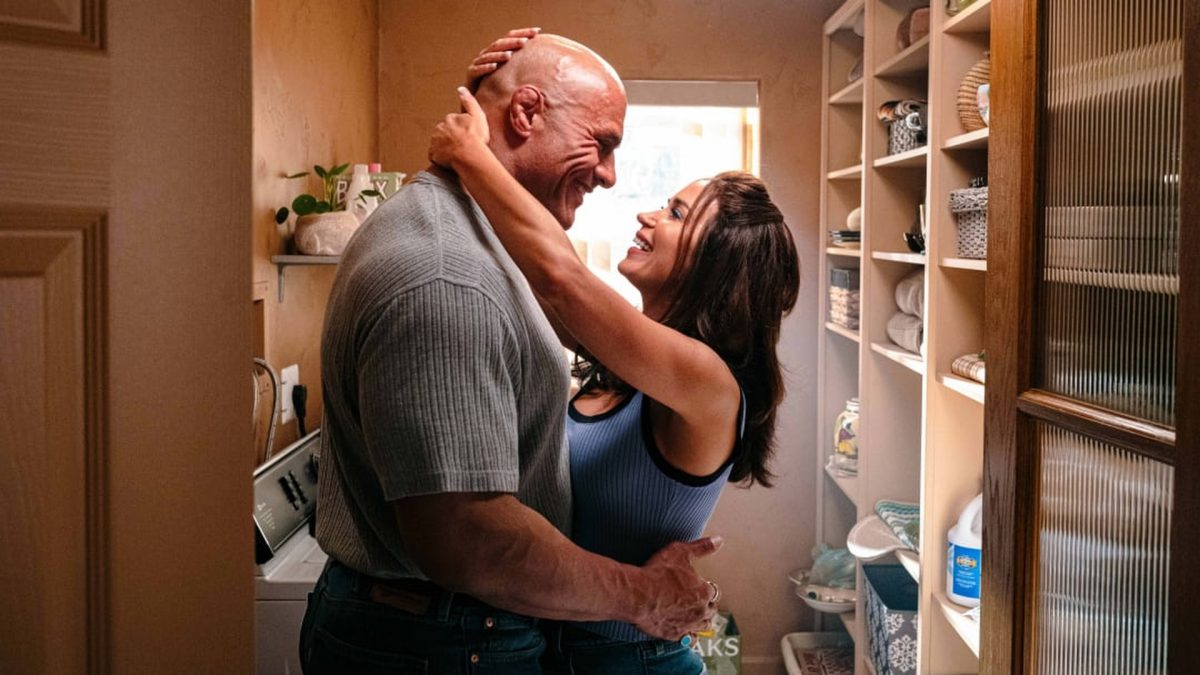
As all eyes were on the Safdie brothers in 2025 while they split creatively for the first time since Josh’s aforementioned debut, extra eyes were set on “The Smashing Machine” as Benny’s own inaugural solo outing behind the camera. Everyone was wondering which brother had the proverbial “sauce,” and by year’s end, consensus generally came firmly down on Josh’s side. I’ve said it before and I’ll say it again that this distinction seems not only unfair, but not entirely accurate, either, as Benny proves with his Dwayne Johnson-led sports biopic that his own virtues as a contributor (the man did co-edit most of the brothers’ collaborations himself, after all) skew towards a more sparse sense of lived-in oddity.
Led by one of Tinsel Town’s most notorious egotists, the overarching approach of “The Smashing Machine” to scaling back its sports triumph narrative beats and decentralizing its quietly unconventional character study brings a new dimension to the brothers’ longstanding fascination with ego as a driving force for delusion. Johnson’s Mark Kerr thus anchors the film with a falsity of confidence that reads as surprisingly unobtrusive, as the reality around him slowly chips away at that vanity until there’s nothing left but feeling thankful that this life had the good grace to swerve some of its genre’s more devastating turns.
4. Daddy Longlegs (2009)
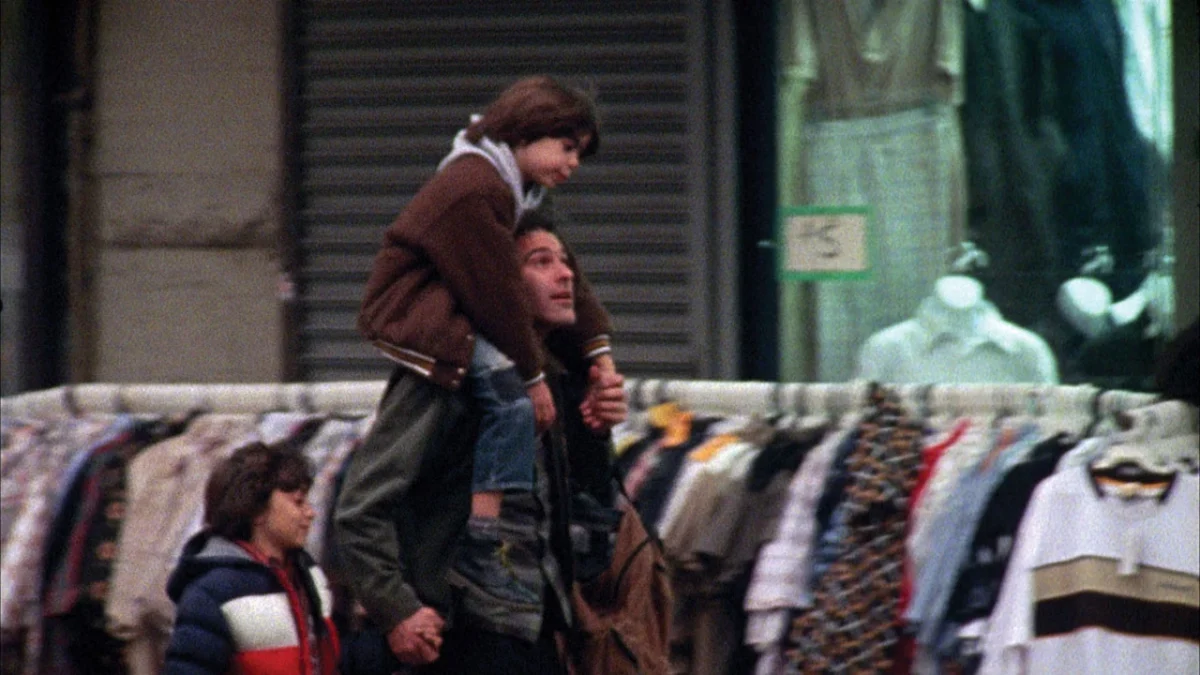
The name “Ronald Bronstein” has yet to appear anywhere in this article, which should be rectified not only insofar as he’s the star of “Daddy Longlegs,” but also based on his indispensable status as one of the Safdie brothers’ most enduring and essential creative collaborators. Beginning with this 2009 breakthrough, Bronstein co-wrote and co-edited all of the brothers’ joint features (alongside Josh’s later solo work), and has proven himself a key component to harnessing a more focused view of that grungy New York chaos the brothers love so much.
“Daddy Longlegs” brings an unexpected tenderness to that approach, as Bronstein brings life to a loving father who wants to do right by his young children despite his tendency towards wild irresponsibility, as the status of role model becomes more attractive in theory than in practice. As the antics of this two-week custody period show that aversion to practical parenting taking on a more pronounced and dangerous role, “Daddy Longlegs” is careful never to lose its direction as Bronstein’s Lenny fights (and often loses) against his own faults as a father and a person in general, reminding him and us of the tragedy that the love driving him along is one that he is simply unable to nurture with the proper care.
Read: Daddy Longlegs [2009] Movie Review: The Most Personal Safdie Brothers Films
3. Marty Supreme (2025)
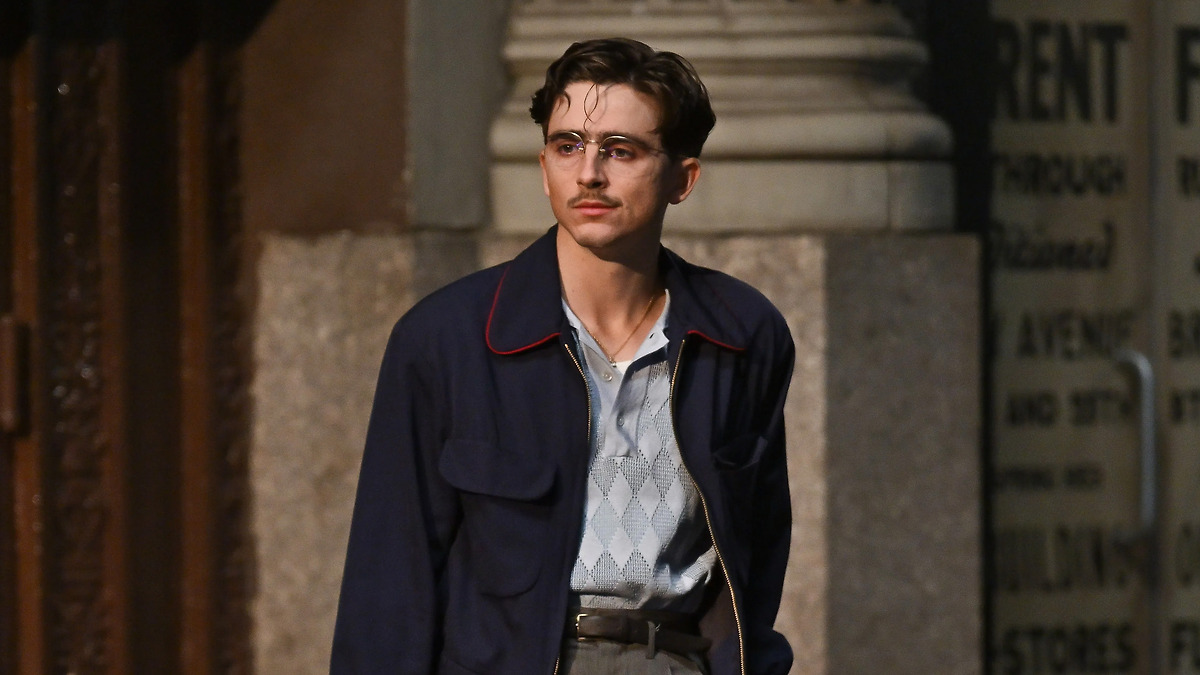
Six years may have passed since Josh and Benny Safdie last made a film together and Josh’s solo outing “Marty Supreme” hit theatres, but watching it, you’d assume they never left This is likely because Josh took all the duo’s frequent collaborators in the amicable divorce—Bronstein as co-writer and co-editor, cinematographer Darius Khondji, composer Daniel Lopatin—but the resulting film fits so snugly in the larger pantheon of Safdie productions that some detractors may be tempted to argue that the film offers nothing of its own to the formula.
Clearly, this isn’t the case, as “Marty Supreme” brings a more streamlined approach to the longtime dissection of hubris in a subject whose self-centredness and tendency towards putting others in harm’s way finds greater absurdity than ever in just how seemingly innocuous his goals actually are. But dreams are dreams, and with the help of Timothée Chalamet’s career-high mixture of charisma and wormy sleaze, Josh and co. solidify the notion that a small dream can change the world when your drive exceeds your grasp, and you find yourself willing to stack anyone and everyone in your sight on top of each other as one rickety step-ladder towards your warped perception of success.
2. Good Time (2017)
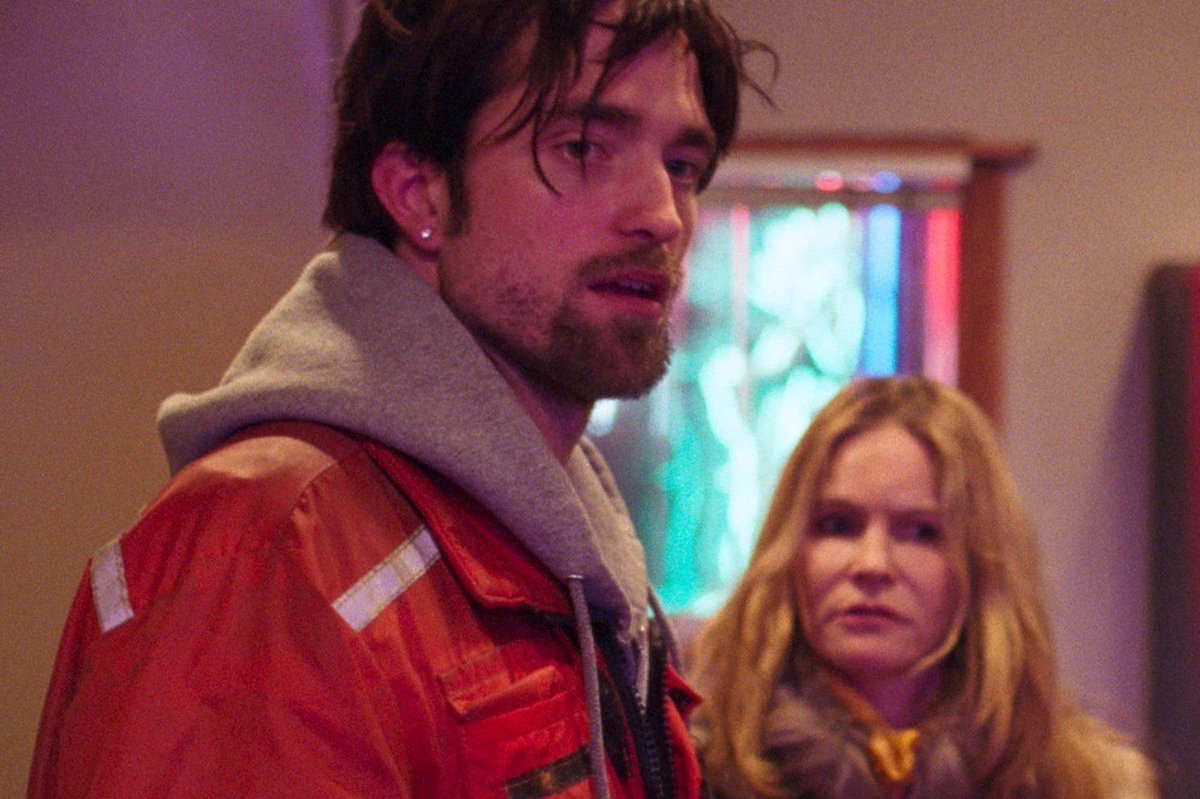
If “Heaven Knows What” constituted the last time the Safdie brothers would look outside the confines of experienced actors to lead one of their films, then logic would dictate that their follow-up “Good Time” would set the standard for the brothers’ continued efforts—even apart—to foster their newer talent for picking out unconventional professionals to lead their increasing moral ambiguity into its next logical phase. Robert Pattinson takes the reins this time in one of his most vigorous, nimble turns, becoming the focus of the most precise distillation of Safdie madness curated up to this point.
Much of what makes Pattinson’s Connie (and by virtue, “Good Time” as a whole) so compelling in this regard is the fact that the Safdies’ usual interest in exploiting deadly self-importance comes in service of a character who, for much of the film, is actually motivated by the relatively selfless desire to keep his disabled brother out of a deadly stint in prison that he knows he would not survive. The resulting chase towards liberation and away from authorities leads to a pulse-pounding series of diversions that bring Connie’s moral compass further into question, and consequently set the stage for one of the Safdie brothers’ most overtly daring character studies.
1. Uncut Gems (2019)
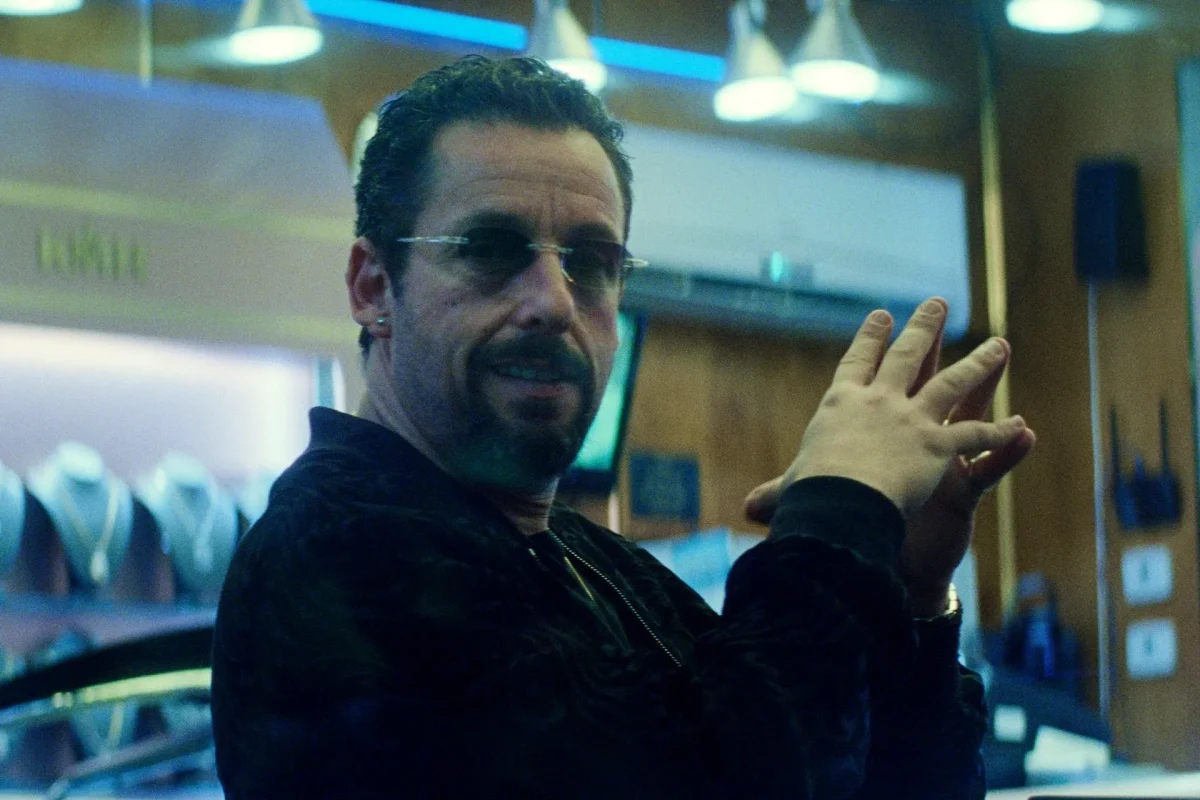
In simple terms, “Uncut Gems” doesn’t so much develop the formula that Benny and Josh Safdie had perfected to that point as it merely offers its best possible outcome. Just about every expected element—the elastic protagonist, the tightening tension, the frantic side-quests through a New York more than eager to eat you alive—is not only present here, but is presented with such laser-pointed efficiency that your ideal viewing partner for the film is less likely to be a significant other than a fully charged heart monitor.
While the competition for “Best Adam Sandler performance” is relatively slim, “Uncut Gems” easily takes the cake and gives the comedian the perfect venue to stretch his likability as a means of challenging audience identification in the presence of a man whose primary addiction, among many, seems to be digging himself further and further into a pit of inescapable desolation.
Every shit-eating grin, every flicker of the eyelid, every nervous negotiation serves as one fibre among many in one of cinema’s most nuclear highwire acts, and the Safdies manage to perfectly mine Sandler’s persona to put just about any other depiction of self-perpetuating addiction to shame. “This is how I win,” a single line that perfectly encapsulates the moment when ego is backed up by the fruits of its endless hunger, for better and for worse.