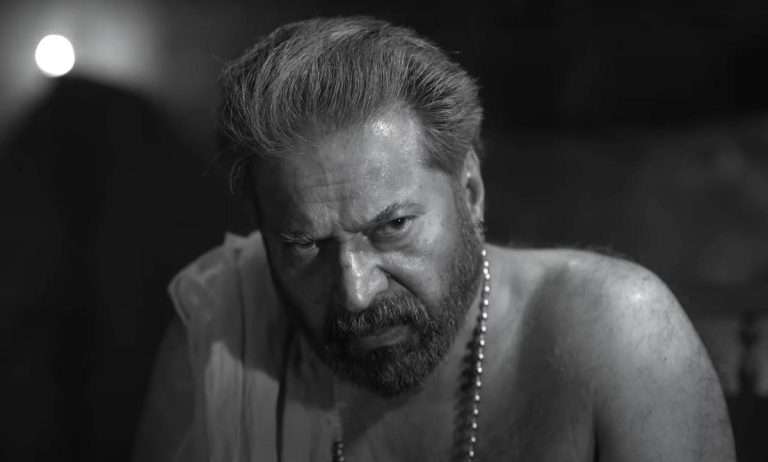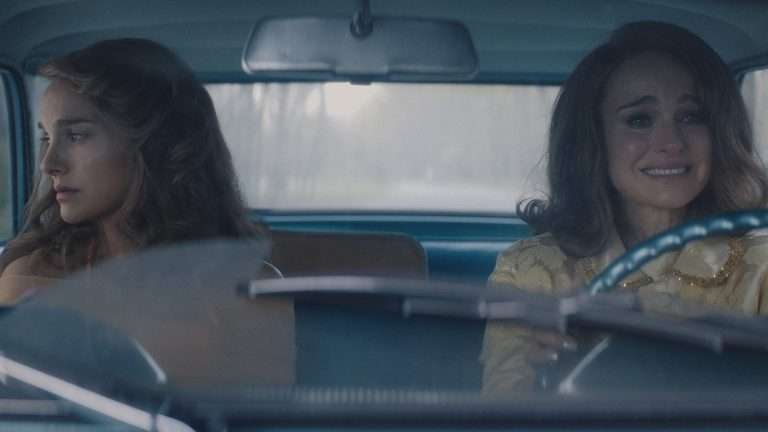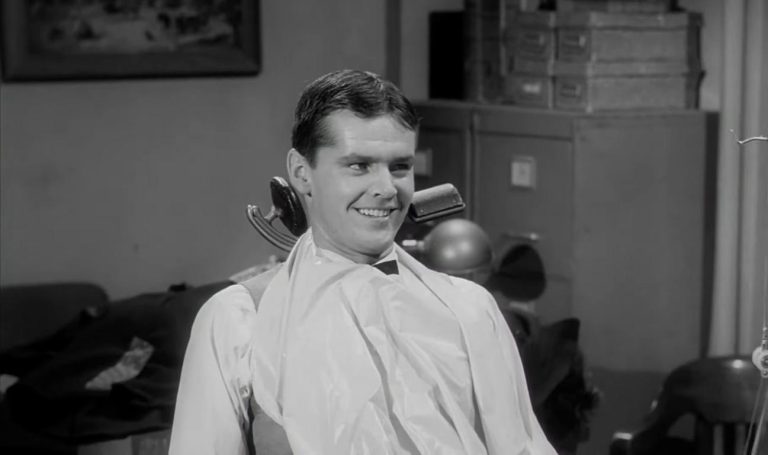
“Sentimental Value” is not only one of the year’s best films, but a true culmination moment for many of the artists involved. Joaquim Trier is a filmmaker who has steadily been receiving attention for being one of the best of his generation, and “Sentimental Value” is the first of his projects that seems to be reflective of that reputation. While Trier was able to make a crossover success with “The Worst Person in the World,” “Sentimental Value” only solidifies the strength of his working relationship with Renata Reinsve.
She had become an even bigger star internationally thanks to her work in “A Different Man,” “Handling the Undead,” and Apple TV’s “Presumed Innocent.” It’s also a truly defining moment for Stellan Skarsgaard, a legendary actor who has been doing great work for years. While Skarsgaard may be best known to American viewers for his work in franchises like “Star Wars,” “Pirates of the Caribbean,” “Mamma Mia!,” and the Marvel Cinematic Universe, “Sentimental Value” is proof that he is one of the greatest living actors.
The fact that “Sentimental Value” has been such a universally beloved film does speak to its genius. While the notion of a deeply personal, morose family drama about grief, depression, and artistic fulfillment might be a bitter chew to swallow, Trier made a film that feels alive and personal. It’s not only a great film that speaks to the artistic community, but one that shows how difficult it can be to remain in the company of loved ones, faults and all. Those who loved “Sentimental Value” might find the same fulfillment in these films.
1. Louder Than Bombs (2016)
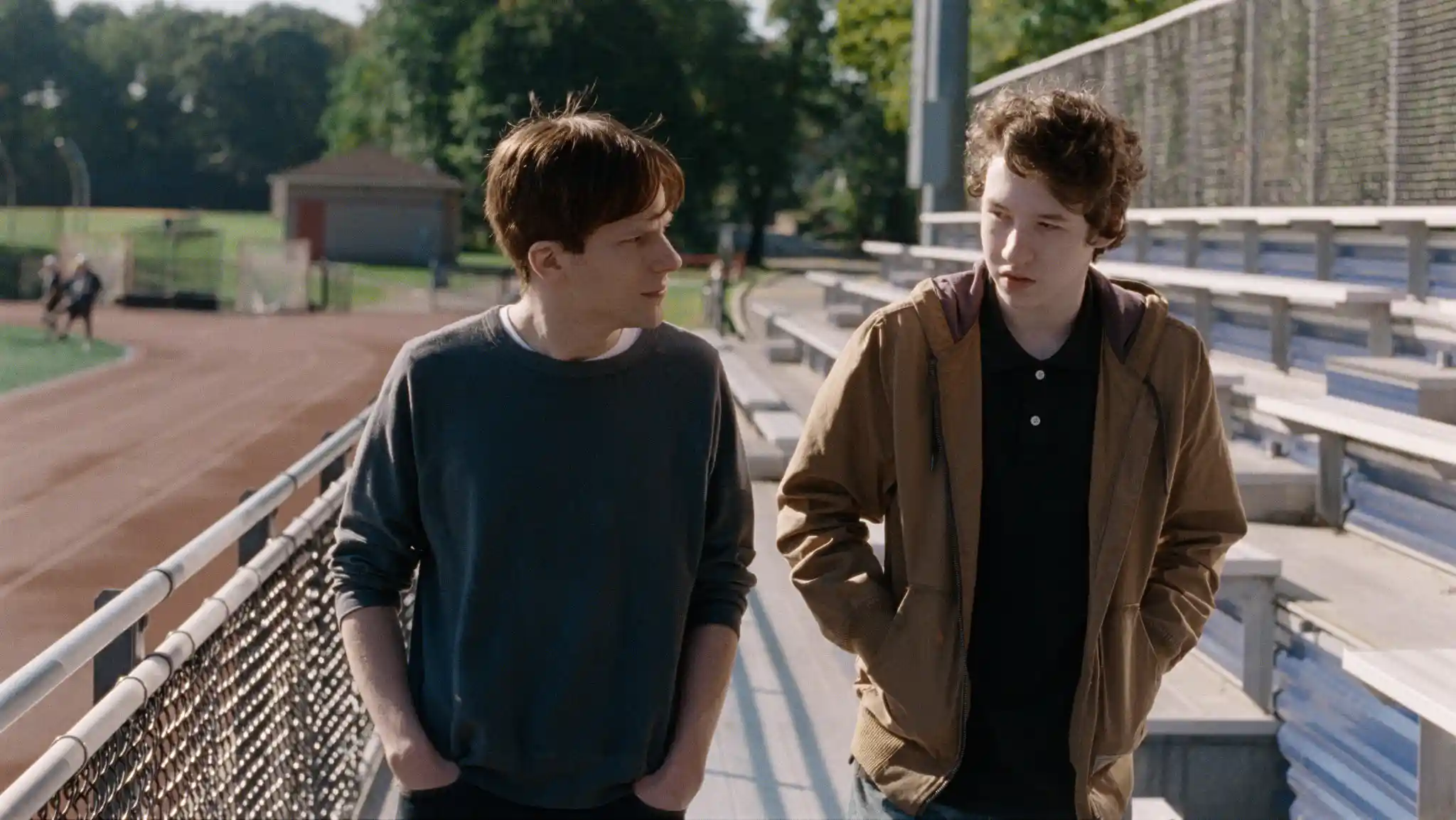
Trier has been a notable name within the international circuit for many years now, but 2015 saw him enter competition at the Cannes Film Festival with his English-language drama “Louder Than Bombs.” It’s another family drama about the loss of a maternal figure. In a story that is perhaps even more upsetting than that of “Sentimental Value,” “Louder Than Bombs” shows how the death of the legendary photographer Isabelle Reed (Isabelle Huppert) leads to a crisis of confidence for her husband Gene (Gabriel Byrne) and children Jonah (Jesse Eisenberg) and Conrad (Devin Druid).
What’s more shattering than the sudden loss of their matriarch is that the family begins to realize that they didn’t fully know Isabelle. As they put together a showcase of her work, Gene, Jonah, and Conrad begin to realize how many secrets the family has held, and that they are still being withheld from one another.
“Louder Than Bombs” isn’t quite as sharp as “Sentimental Value” or even “The Worst Person in the World,” which both had a somewhat accessible sense of humor that made it easier to accept the truly dark moments.
That being said, it does serve as an interesting companion piece to Trier’s other masterworks for the detail he is able to give regarding each family member’s struggles. Byrne, like Skarsgaard, is a generational talent who hasn’t been fully appreciated for the extent of his talents, and “Louder Than Bombs” should have gained him the sort of recognition that reminds the industry why he is so underrated.
Also Read: 15 Must-See Coming Of Age Films Of 2016
2. Armand (2024)
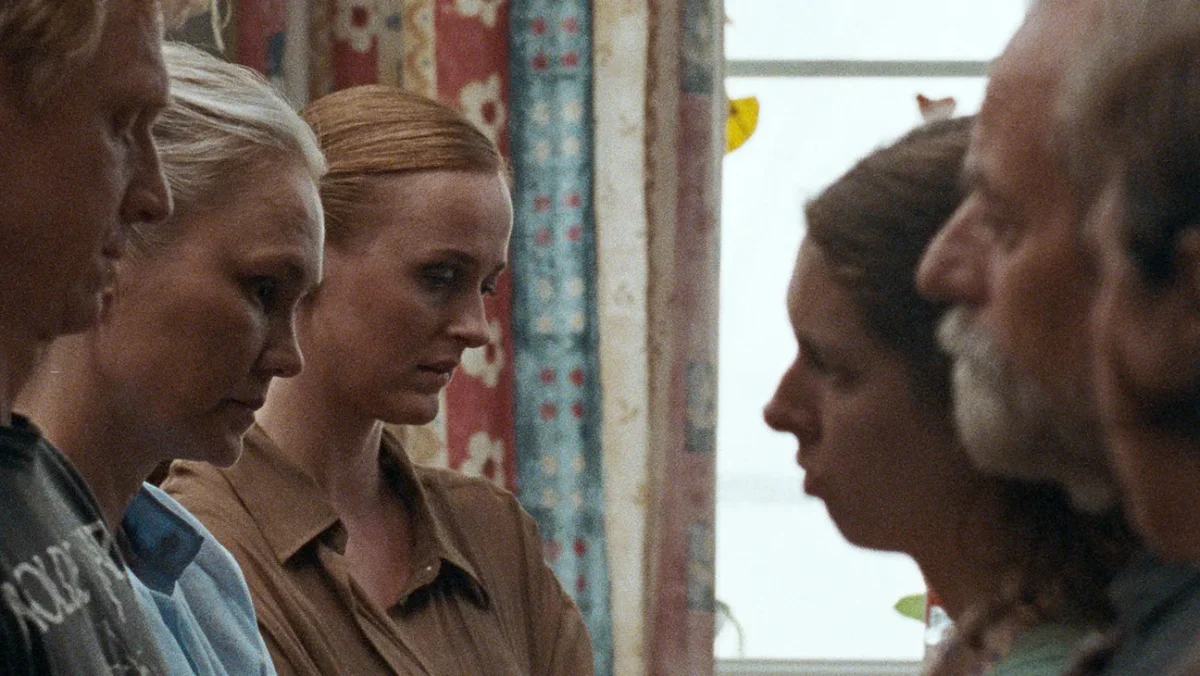
Reinsve had been on a hot streak as one of Norway’s most prominent and successful actresses, but she hasn’t reserved her talents exclusively for established masters like Trier. Reinsve has also demonstrated a willingness to collaborate with emerging Norwegian filmmakers, particularly those with an eye for sharp, incisive characterization.
She delivered one of her greatest performances to date in “Armand,” the directorial debut of Halfdan Ullmann Tøndel. As the winner of the 2024 Cannes Film Festival’s prize for best first feature, “Armand” seemed to confirm that Tøndel was going to be a major force in the industry, and one that Reinsve may very well find herself working with once more.
Like “Sentimental Value,” “Armand” is a darkly funny look at the type of uncomfortable questions that parents are forced to ask themselves. Although she played a daughter in “Sentimental Value,” Reinsive is cast in “Armand” as the mother of a boy who is accused of a horrific crime at school, leading her to be called in with the parents of the offended student. What begins as an absurdist case of accusations becomes a deeper, more upsetting exploration of trauma, and Reinsve perfectly captures this descent into madness.
“Armand” is a disturbing film, not for graphic content, but because it introduces sharp and complex questions that it has no means of answering. While not always a pleasant watch, “Armand” is the sign of a major filmmaker on the rise who is willing to take bold risks in selecting interesting subjects to examine.
3. Teen Spirit (2018)
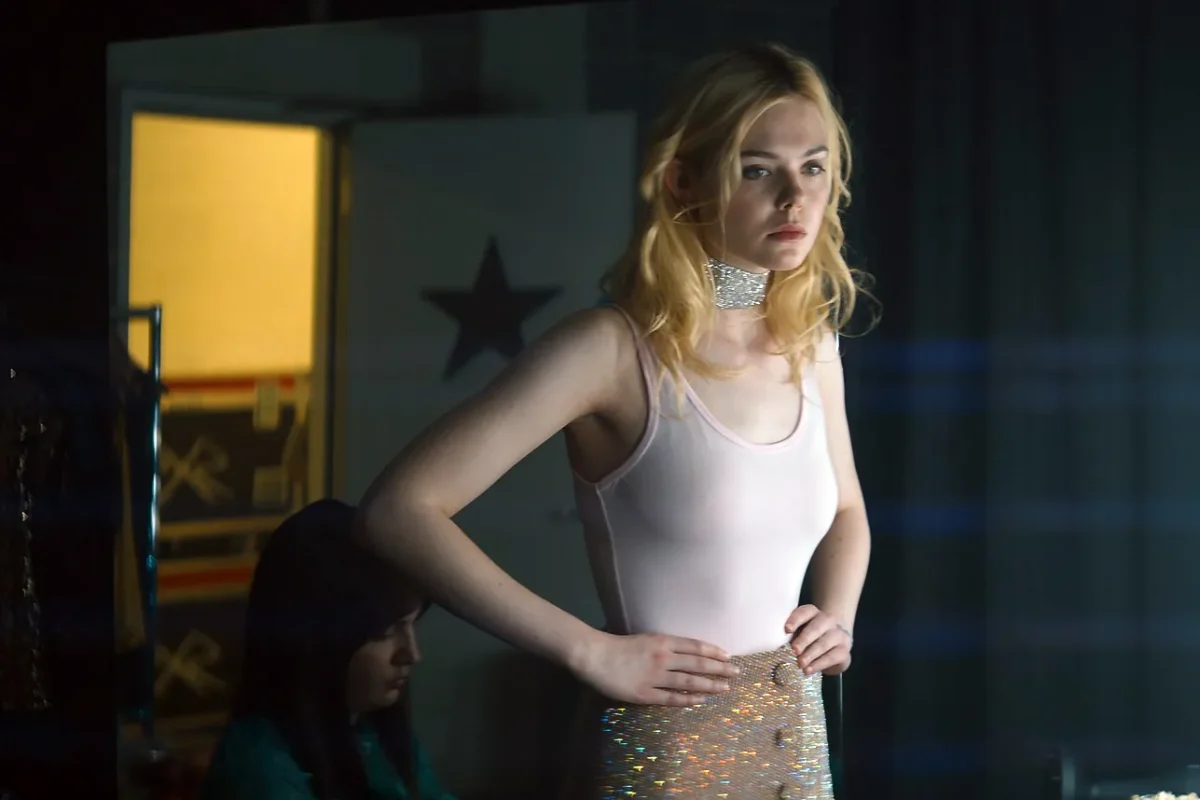
So much praise for “Sentimental Value” has been given to Skarsgaard and Reinsve that it’s easy to forget how equally tremendous Elle Fanning is in the role of Rachel Kemp, the actress hired to star in Borg’s new film. While it’s a role that calls for Fanning to play a popular actress who is trying to make a name for herself internationally, it’s far more complex than a simple case of typecasting.
Fanning was able to show a different perspective on being a celebrity in the underrated drama “Teen Spirit,” in which she plays a teenager from the Isle of Wight who becomes swept up in an international singing competition when she performs well on a live show. It’s a modernized take on the “Cinderella” story that sees Fanning play a thoughtful, naive young protagonist who realizes that artistic perfection and popular recognition are not always the same thing.
As was the case with “Sentimental Value,” Fanning has the challenge of playing a talented artist who feels out-of-place within the world they’ve been placed in. Rachel in “Sentimental Value” realizes that the role Borg gave her is not one she can pull off, and Fanning’s “Teen Spirit” character Violet comes to realize that the spectacle of pop artistry is divorced from her genuine interest in perfecting her musical talents. “Teen Spirit” could have been a disposable pop spectacle, but director Max Minghella (son of legendary filmmaker Anthony Minghella) inserts the type of pathos and insight that make it a far more insightful take on a familiar genre.
4. Melancholia (2011)
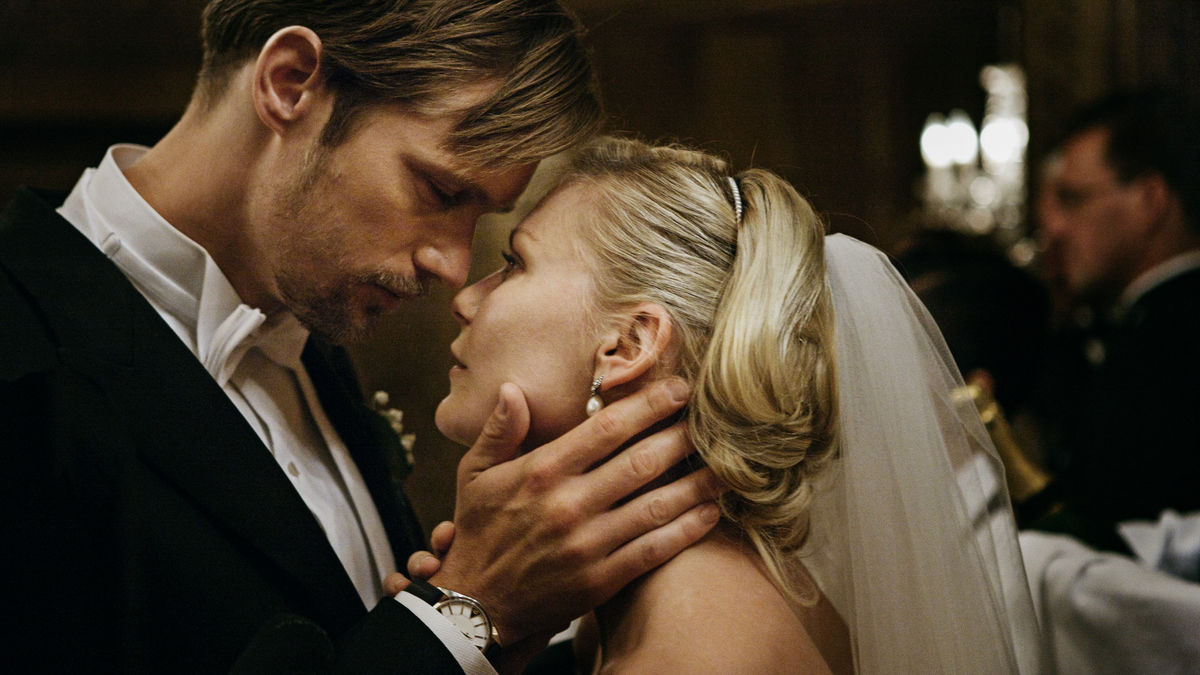
Lars von Trier is directly invoked in “Sentimental Value” during a rather hilarious moment in which Borg gives his grandson some inappropriate DVDs for his birthday, but it may be a reference on Trier’s part to a filmmaker who has been highly influential upon his own work. Von Trier is perhaps most recognizable as the filmmaker who is able to make deeply depressing works about families in crisis, so it’s not all that surprising that Trier found a lot to relate to with his work.
Ironically, the most personal and incisive project von Trier ever made about the pressures faced by contemporary family units is one of his few “genre” films, as “Melancholia” revolves around science fiction themes in a somewhat absurdist way. Kirsten Dunst stars as Justine, a deeply depressed woman who is being married to Michael (Alexander Skarsgard) during an apocalyptic event that seems to be bringing forth the end of the world.
Trier often has a very humane sense-of-humor, which is also something that Joachim Trier does, albeit in a much darker way. In addition to the “gallows humor” about awaiting the inevitable collapse of the human race, “Melancholia” does have fun with its casting. Stellan Skarsgaard does appear in the film alongside his real son, but does not play his on-screen father because he is instead cast as Justine’s manager. Watching these characters cope with their self-absorbed issues may not sound as entertaining as it actually is, but “Melancholia” is an unusual masterpiece that is somehow just as life-affirming as “Sentimental Value.”
Read More: ‘Melancholia’ (2011) and the End of Everything: Exploring Depression, Despair, and the Human Condition
5. Through a Glass Darkly (1961)
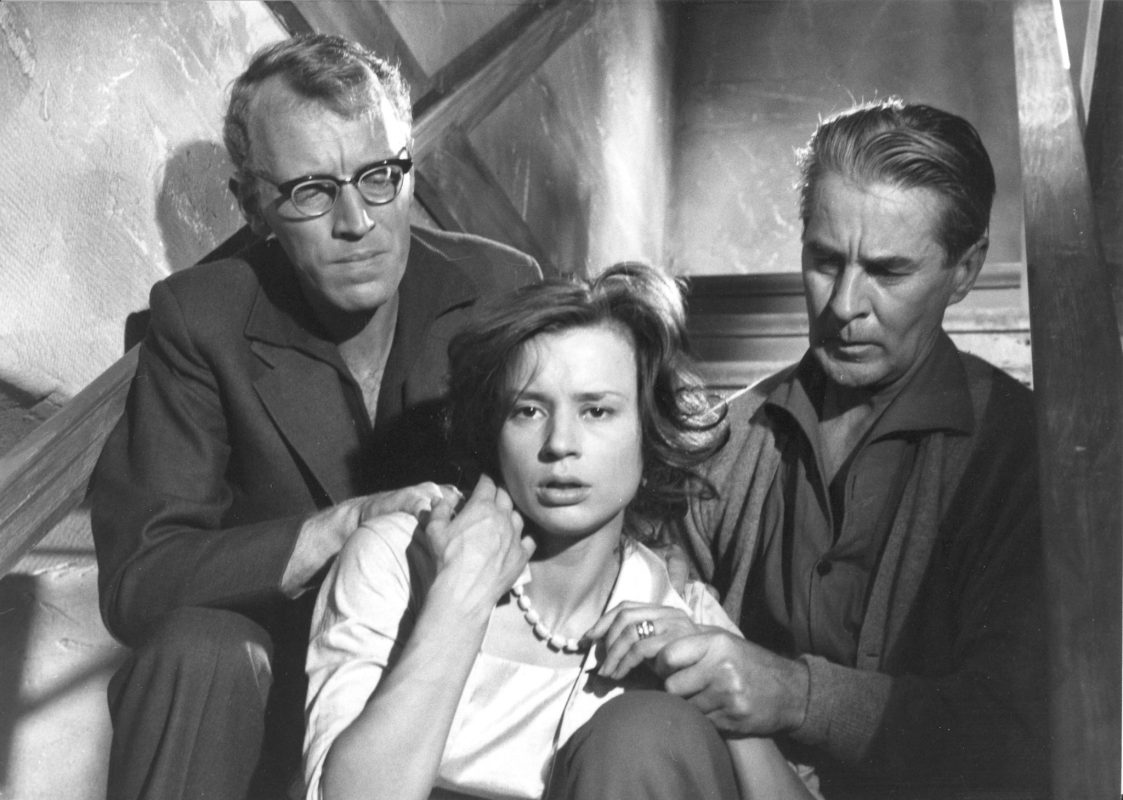
Trier’s work has been so frequently compared to that of the great Ingmar Bergman that any number of the legendary Swedish director’s films could be selected as an apt comparison to “Sentimental Value.” While Bergman often dealt with existentialism and religious themes, “Through a Glass Darkly” is a more nakedly emotional tale of mental health woes and everlasting love, two themes that are particularly prominent in “Sentimental Value.”
The remarkable Harriet Andersson stars as a deeply disturbed woman who spends her vacation on a remote island dealing with schizophrenia, which her husband (Max von Sydow) is desperate to assist with. Although her father (Gunnar Björnstrand) and reclusive younger brother (Lars Passgård) also appear to do anything they can, they all find themselves helpless to deal with the inexplicable feeling that they’ve lost sight of someone they deeply cared for.
As “Sentimental Value” astutely points out, there’s no one right way to help someone who is struggling with their mental health, and it’s not as simple as being able to “fix” an issue by finding a diagnosis. Both films mirror one another with their perspectives on gender.
If “Through a Glass Darkly” examines a young woman who feels out of reach to the most important men in her life, “Sentimental Value” is about an older man who tries desperately to prove himself worthy of being involved in the lives of three younger women. All the performances that Bergman gets out of his actors are remarkable, but it’s von Sydow who amazes with the quietest, most thoughtful performances of his career.
6. 8 ½ (1963)
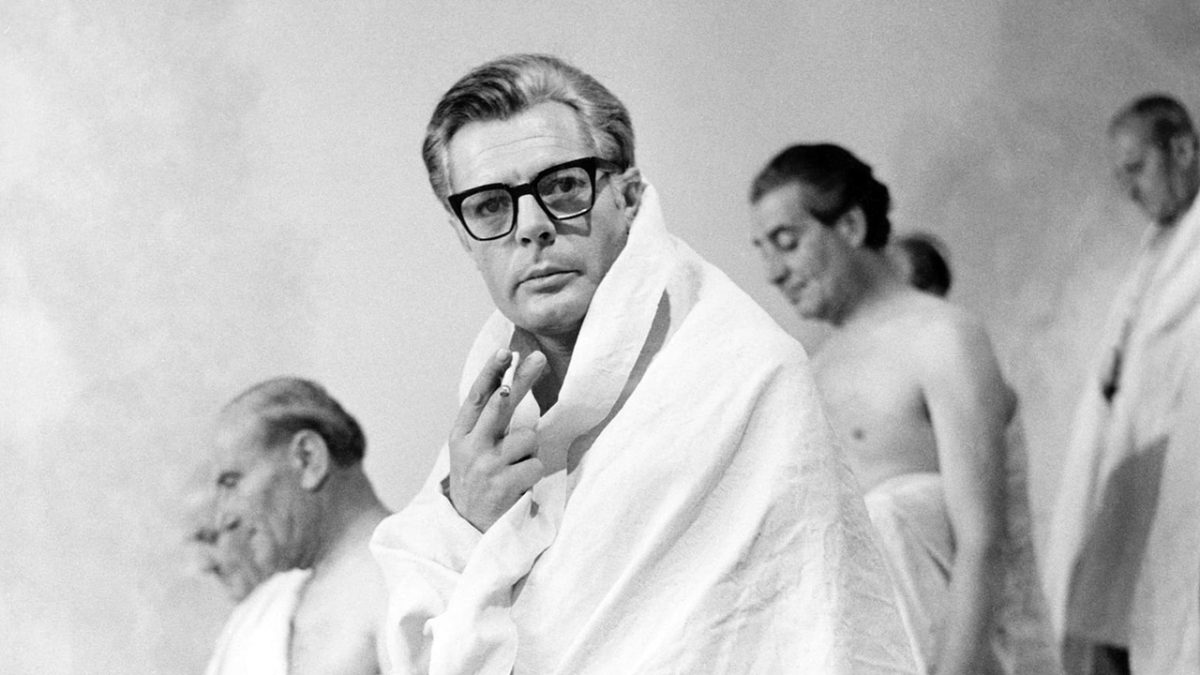
“8 ½” is one of the rare films that nearly every film professor would cite as being one of the greatest ever made, alongside “Citizen Kane,” “The Godfather,” “2001: A Space Odyssey,” and “Vertigo.” Fredrico Fellini’s masterpiece is downright unassailable in how deeply it has inspired generations of filmmakers. While there are many ways to interpret the astounding leaps forward Fellini made with “8 ½,” it’s an impressive exploration of how a great artist (and in this case, a great director) tries to draw parallels to their own life while working on their most ambitious masterpiece.
This is something that Borg does in “Sentimental Value” as he tries to express the pain experienced by his mother by casting Rachel to play a fictionalized version of her in his new film. In “8 ½,” director Guido Anselmi (Marcello Mastroianni) tries to direct a science fiction film as he becomes slowly drawn away from any semblance of reality.
The metatextual readings of “8½” are multifaceted. Anselmi is attempting to create a film that is really his own story, and his character is largely based on Fellini himself. The lines between Anselmi, Mastroianni, and Fellini are blurred in the same ways that Trier, Skargaard, and Borg all mirror themselves in “Sentimental Value.” Although “8 ½” might not be the emotional gut punch that “Sentimental Value” is, it does embody the stress all artists face when they are not able to literalize feelings that seem so crystal clear within their minds because of writer’s block.
7. Youth (2015)
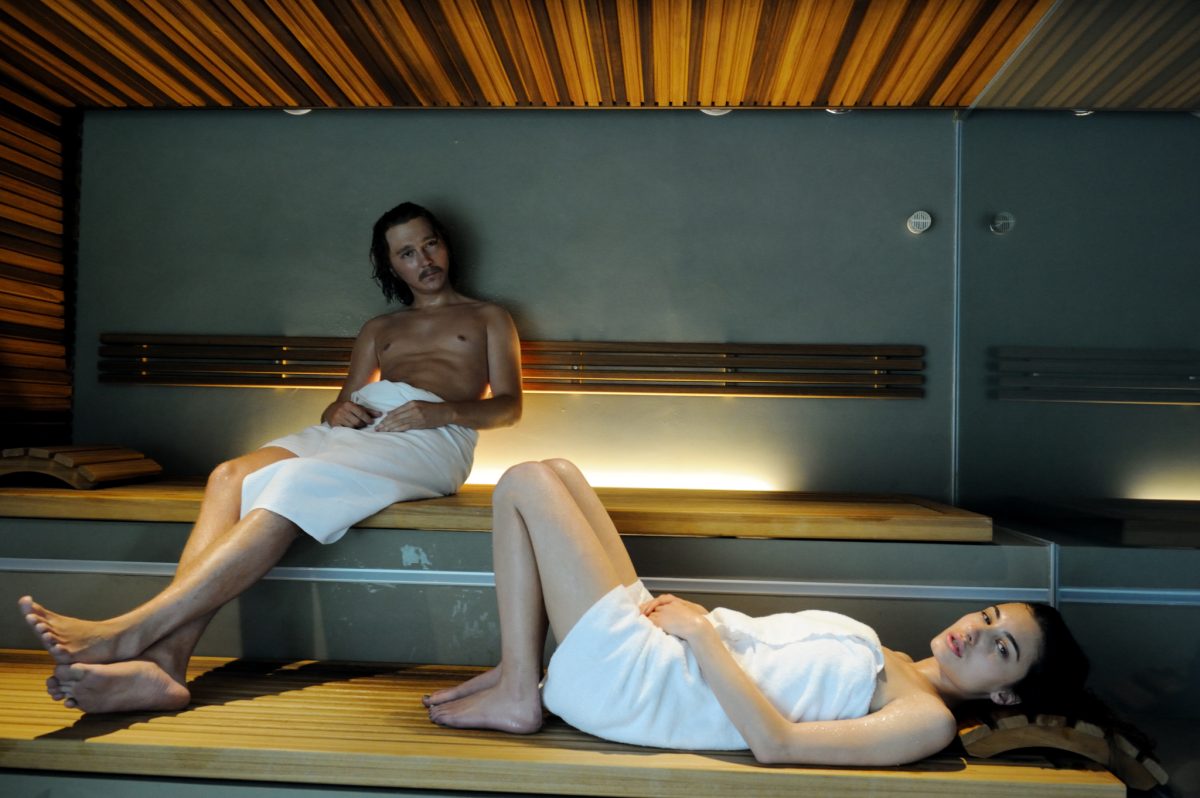
Paolo Sorrentino is another internationally recognized genius who has a talent for developing existentialist, absurdist studies about the emotional parameters within each age of life. Although nearly all of Sorrentino’s work within the last decade has been semi-autobiographical in some form or another, “Youth” has a premise and perspective that fans of “Sentimental Value” might recognize.
It’s the story of the legendary composer Fred Ballinger (Michael Caine), a character similar to Borg, who is asked to come out of retirement to deliver his final masterpiece. This escape from obscurity also prompts him to have an uncomfortable reunion with his daughter Lena (Rachel Weisz), with whom his relationship has always been fraught. Similar to the dynamic between Borg and Nora in “Sentimental Value,” the relationship between Nora and Fred is more complex than a simple case of an emotionally unavailable father.
In both cases, the patriarch figure poured so much of his personal life into his work that his daughter took to the creative arts on her own, putting them in a tough spot in which they are both contemporaries and competitors. “Youth” has a sharp wit in satirizing different artistic industries, much like “Sentimental Value” does in its critique of the contemporary film and streaming ecosystem.
Sorrentino’s film channels this satire through an actor character, played by Paul Dano, whose aggressively earnest method of acting becomes a source of both comedy and critique. Despite the insults that he may have recently received from Quentin Tarantino, Dano is one of the best living actors, and “Youth” allowed him to play one of his most unorthodox characters yet.
8. The Celebration (1998)
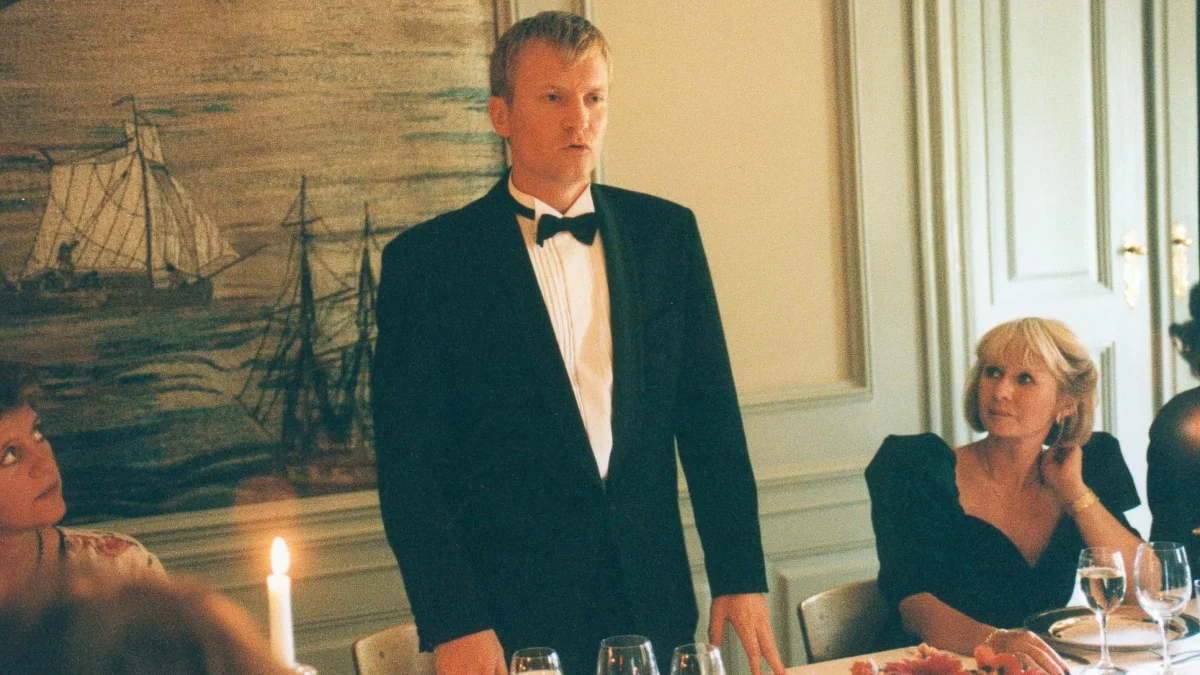
When it comes to complex, blacky funny stories about family secrets and awkward reunions, no one is sharper or more cunning than Thomas Vinterberg, the genius Danish filmmaker who helped initiate the “Dogme 95” movement alongside von Trier and other noteworthy directors. Although Vinterberg would eventually come to be recognized internationally with his more accessible (albeit no less brilliant) films “The Hunt” and “Another Round,” the first film in the “Dogme 95” movement is by far his boldest and most impactful.
If “Sentimental Value” was a sincere look at how closed-off emotions can lead a family to splinter apart, then “The Celebration” examines how keeping these memories repressed can emerge in explosive, shocking ways. While the film begins with a group of children assembling to honor their father’s birthday, it ends as a work of experiential horror with sinister implications.
Despite being intentionally simplistic with its design and aesthetics, as per the guidelines of “Dogme 95,” “The Celebration” is layered with subtle references to Danish history, arts, and culture, and may take several viewings to totally pick up on all the allusions it’s made to events that are never directly witnessed.
Although the stylization of the “Dogme 95” movement didn’t necessarily spark a new wave in international filmmaking in the ways that its architects may have wanted, it’s nonetheless a remarkable example of how far a great script can go, especially when considering how often “The Celebration” has been adapted to the stage. While by no means an easy watch, “The Celebration” tests the limits of a viewer’s patience in the same way that “Sentimental Value” is a whirlwind of emotion.