
Ryan Prows’ “Night Patrol” (2025) turns the carnivorous appetite of the white into a literal blood-drenched saga. On the other end is a certain race historically disenfranchised that’s nonetheless raring and determined to assert itself without apology or caution. There’s something mad and frantic about this tussle that boomerangs out into the very explosive ends of revenge and cyclic abuse.
Hope for restitution and reform is continually dangled, only to be brutally snatched away. As the Black underclass and the white LAPD contingent crash into each other, a hotbed of simmering animosities boils over, with the very ancient powers being evoked in a messy encounter.
Night Patrol (2025) Plot Summary & Movie Synopsis:
Xavier (Jermaine Fowler), a Black LAPD officer, really hopes to break the cycle of prejudice where his people have systemically been brutalised and harassed. But the cogs are too massive; his efforts are upended constantly. He has to wrestle with deception, his own failed enterprise of initiating a change for the better.
He’s up against far bigger structures that are designed to oppress and render meaningless any stab at subversion. To undercut and take on those feels like a monumental, unyielding task, which it is. Xavier doesn’t have people on his side. The Zulus are more confrontational, racked with disbelief that the cops could ever be of any aid. This is a people much aware of how they have been unswervingly stifled and impeded from thriving. Hence, the rules of the game must be recast.
All the plot padding cannot conceal the shallowness that creeps up once the hangings are done away with. Layers are simplified, slashed to the very minimum, and overt. Racial tensions conflate into a stew where there’s fighting, the possibility of betrayal in the same camp, and the faith that the next generation will carry forth the baton of ugly spite. Both the colonising white and the Zulus have to contend with how they wish to preserve their residual dignity, the vestiges of might.
How does Wazi set off his plot?
At its heart, the film is unequivocally about police brutality, the shackles staying firmly in place even after the pretence is dropped. The powerlessness is kept in line, with no sense of interruption or ellipsis. The film opens with violence, as the cops bump off Crip Wazi’s lover. The hookup turns deadly in a brutal, merciless swing.
The newest recruit, Hawkins (Justin Long), also gets inducted into the police. He is hesitant at first, but gradually finds no other way but to fall in line. His father looms and steamrolls him into obeying what has been in place for decades. He must shape and hone his personality accordingly. The sins of the father are passed down, enshrined as the way forward for the next generation that must pick up the lead and follow every instruction.
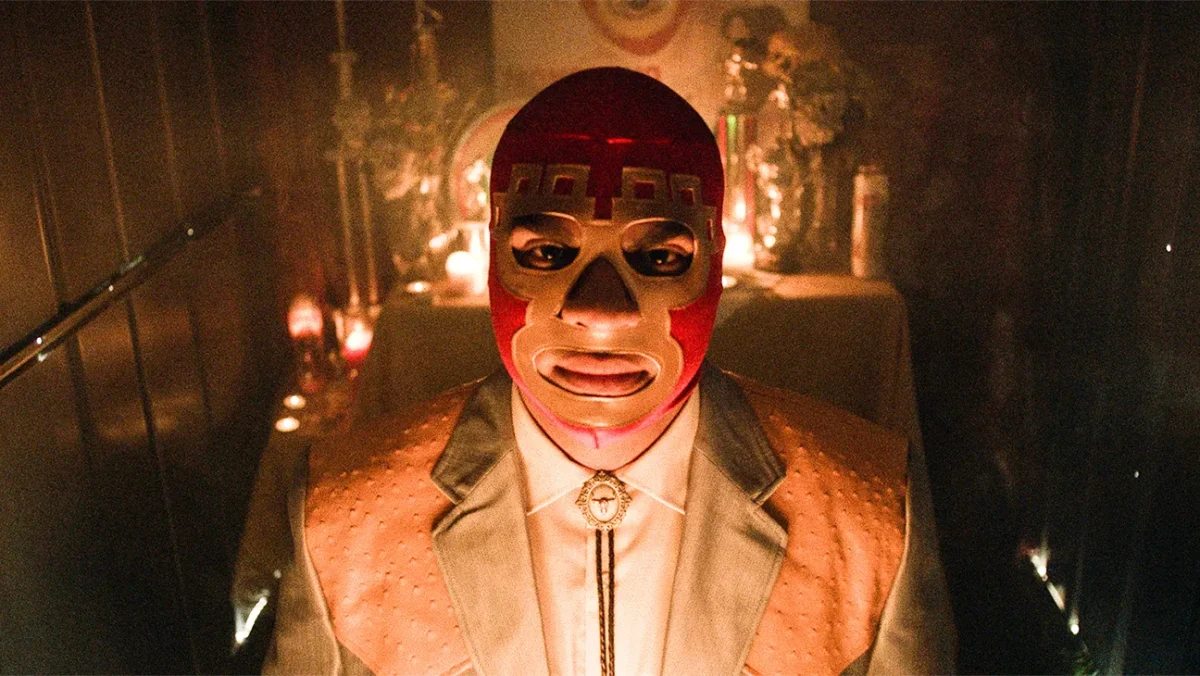
Wazi staggers back to the colonial courts, seeking revenge for his loss. There’s the leader Bornelius who oversees the reparations. Soon, the masks slip off. The LAPD and the Black/brown populace come to loggerheads, more violent in its manifestation. Can revenge be fulfilled when the scale is so skewed? Hope seems bargained for more so than ever.
There’s a restlessness that keeps escalating beyond reprieve as both sides wage it all out, keening for individual dominance. For one to emerge successful, it’s not that the other should be trampled, but the idea is to move towards co-operation and harmony. There are heavy barriers that cut off the possibility of transcending and reaching a middle ground where both can achieve stability and peace. Nevertheless, major debts have to be cleared.
The plot takes random, inconsequential turns. There’s no moving weight, just the insistence on the need to set things right and baying for blood. All of it is patently futile, a case of overwhelming inadequacy welded to injustice that’s settled into the very bloodstream of the Zulu people that Wazi and Xavier represent. The latter believes for the longest time he can hold out and dispense the fair methods, but he’s ultimately weighed down.
There’s anger and bitterness on both sides that have culminated into something misshapen. Can either side recognise the extreme ends they’ve flung to? It’s a perilous demand that threatens to upend the equation even while one gropes to situate the specifics of narrative and mood and tone. There’s no commitment to a tone with the plot spiralling into a sort of industrious hustle.
The Zulus are faced with internal chasms. A reckoning is due as to how they must confront and exorcise their own demons and misgivings. Can they face the weight of the collective action they ought to push for? The suggestion is constantly deflated in a bid to mine poignance, but no scathing critique can be found. Amidst the genre genuflections, the film doesn’t know how to proceed.
The potential in the narrative is frequently squandered because the writing never rises to its own poised challenge. There are gestures of vengeance and settling of accounts that don’t find due outlets. It’s teased and then oddly punctured. It’s one of those films that thrusts ideas but then doesn’t have the requisite intelligence and smarts to channel them into a persuasive critique. All the tenacity of the Zulu gathers to defy and challenge and outdo the cops, who do nothing but reinstate the existing brutality. There can be no rescue for the marginalised, but they’d have to seize it themselves.
Does Wazi’s mother survive the clash?
Spun into this is the dilemma within the Zulu, especially those next in line, the younger lot, as to what path they should adopt. Should they resort to the older ways or seek to rewrite their destiny by planting themselves within the very oppressive police force? Can change come in that way if at all? It is debunked as illusory. The pursuit of Xavier, sticking to the right track, gradually crumbles as ineffective.
It’s too puny to tackle the nexus, the vast, sweeping apparatus of the white officers who have all the sanction and impunity to do whatever they like in maintaining their foothold. Xavier’s disillusionment is an equal part of the narrative fabric.
The missteps in prioritising which character to emphasise, how to reckon with trauma and grief, all accumulate in a painfully drab experience. You can’t help but be perplexed by why the film botches its key points of drumming up sympathy. Where’s the harrowing loss of having lost someone really special?
The screenplay loses sight of it, conveniently summoning it in latter stretches when the ball has rolled too far. Hence, you struggle to be rooted or strike any connection with the events and characters and their jostling predicaments. All the jutting and conflicts thrashing between the white cops and the Black never garners real rage.
Night Patrol (2025) Movie Ending Explained:
Does Wazi Get His Revenge?
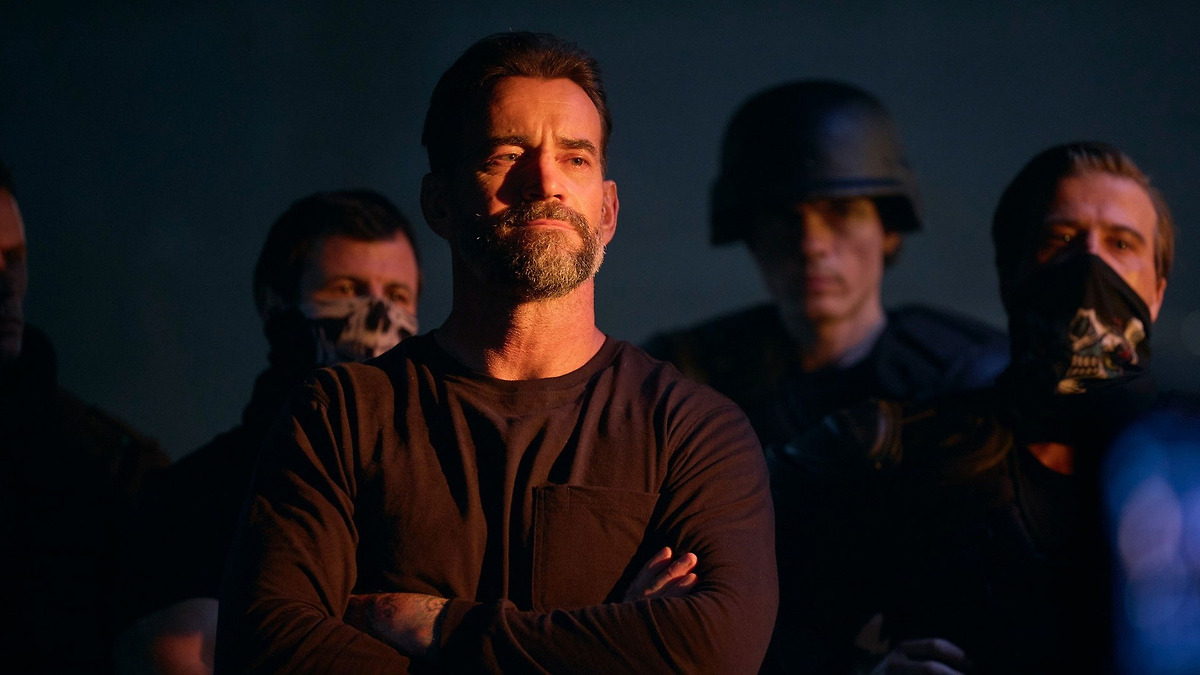
The film quite ostensibly seems clueless in knowing how to stick the landing, winding as purposeless, inconsistent, and arbitrary. You can guess where it all leads. Of course, there’s a skirmish, a clash between the two sides. In between, a startling twist reveals the white cops having drawn real vampiric powers, with which they prey on the Black.
All the subordination and the exertions throw up something wicked and unwieldy. A diabolical exchange is dialled up. Ethan’s journey is one riddled with masculinity and its complex negotiations. It has the rites wherein he rallies to gain primacy and aggression. It’s his only way of securing respect and credentials for himself.
His participation in the scuffle emanates from that. Wazi’s mother gets hit in the confrontation, nevertheless passing along her ancient Zulu magic to him. The climax sees the two sides suffering casualties. However, Wazi is detained. He’s reminded of who is in power. But he has also been endowed with his ancestral gifts. When he does make his way to a chamber, he stumbles across the vampire cops. The ending denotes that he can take them on with his special powers.
Night Patrol (2025) Movie Review:
The film is a classic example of a sleek idea going nowhere thanks to rocky, insipid execution. The filmmaking itself is too muddled, the politics sketchy to merit deep dives into vampiric lust and attacks by the colonising white. It’s a densely racialised battle, one that refuses to retreat or diminish. The implications reverberate out, sending shockwaves that disorient and unsettle complicity and passivity. Peace itself becomes an impossibility as both sides wake up to the stakes placed in front.
Tension generates and multiplies as characters sense the fallout of their grievous decisions. The resonance deeply billows out across the wild and the open. Power games and vengeance take on metaphysical connotations as things tip over the genre scales. There’s so much violence, and the threat of it drenches every other scene even before an eruption happens.
Yet, tameness seeps through the material. It’s predictable, sans shock, once the ultimate trigger is set off. You expect things to settle and fold in a particular way, which is exactly what transpires. There’s no consistent follow-up to its characters that scatter and disperse in a random, uncollected fashion.
Cohesion is missing, so characters go after each other in a way that’s not very satisfying, rather strewn all over the place. It’s more haphazard than genuinely arresting, hence thrill and complexity are mostly vacant. You want it to plumb deeper, urgent questions around hierarchies and race. The film teases them, floats those on the surface, only to pull them below conveniently, and musters no power or force.
A thematic confusion haunts the film, staggering it through contrivances. An epic appeal is sought, which is consequently defused and negated. The two sides war it out, with animosity and vengeance coursing through. The bloody streak of vendetta-setting persists in all its hideous glory. It powers through unchecked and unaccounted for. There’s a dismissal of Black lives that has trembled throughout history, rolling in endless succession. Can their testimony and truths ever be reaffirmed and trusted with due credence?
Increasingly, it appears less so, even though the Zulu do put up a mean fight. The bloodletting is relentless, caught in the skewed systems of justice dispensation. The structures themselves are bent and twisted beyond repair or recognition. The film suggests a perpetuity that just doesn’t flag or waver. It’s a patently ridiculous work that struggles to justify its decisions and motivations. The bramble of character delineations crisscrosses the bizarre and outlandish. But the filmmaking itself is shorn of the glee it constantly purports and projects.




![A Christmas Story Christmas [2022] ‘HBO MAX’ Review – An Okayish Sequel to the Beloved Holiday Classic](https://www.highonfilms.com/wp-content/uploads/2022/11/A-Christmas-Story-Christmas-2022-768x432.jpg)


![Prometheus [2012]: Of Visual Beauties and Faltered Ambitions](https://www.highonfilms.com/wp-content/uploads/2017/05/prometheus_by_koshelkov-d4xkyzg-768x432.jpg)