“Rosemead” (2025) has the difficult task of being based on a story so bleak that it would be hard to find a traditionally rewarding manner to present it to a prospective audience. While there’s always a benefit in examining tragic incidents as a means of raising awareness for critical issues, there’s also a point at which depicting raw, upsetting moments is no longer helpful.
To its credit, “Rosemead” succeeds on its own as a drama based on the strength of its characterizations, with its two leading performances both being excellent. Unfortunately, not every effort taken to examine the consequences of mental illness is successful, leading to some of the inadvertent stigmatization that the film is attempting to chastise.
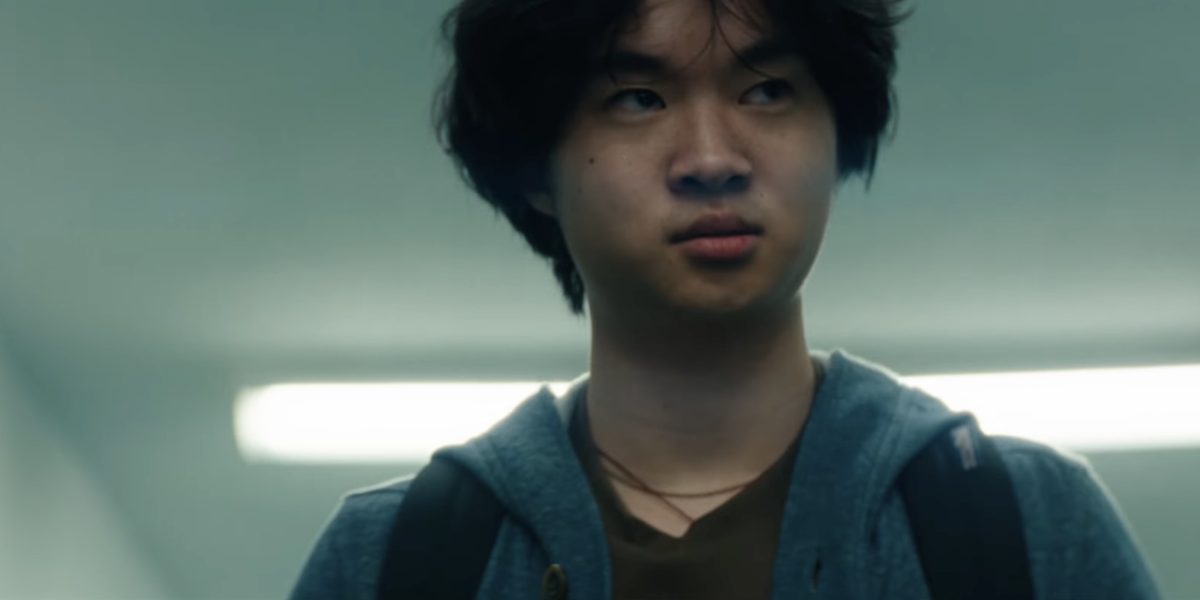
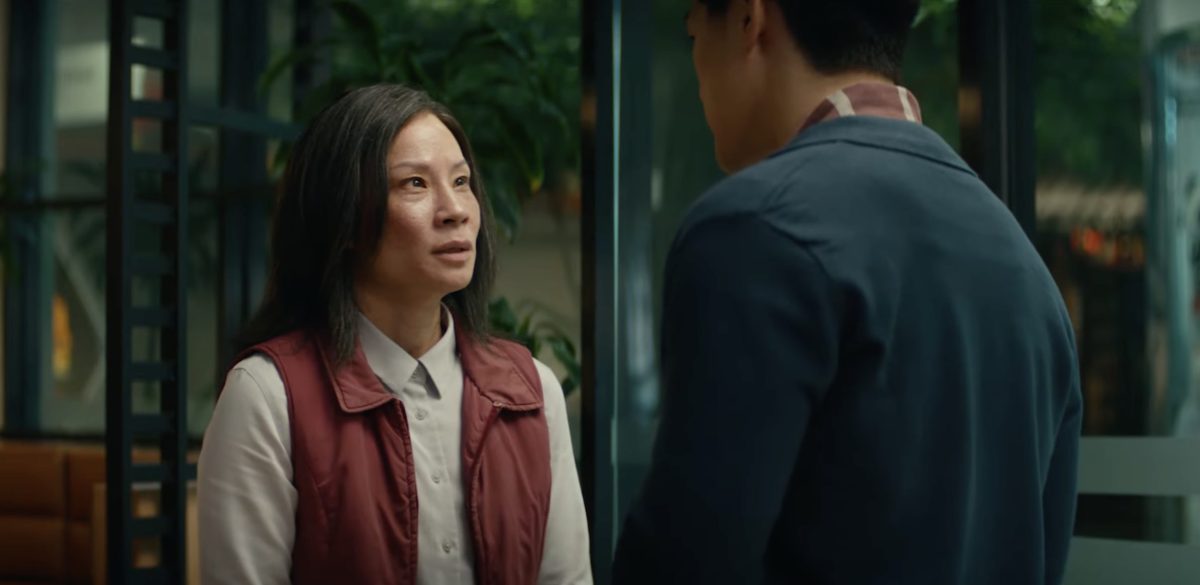
“Rosemead” is based on a true story that was first documented in a harrowing, award-winning “Los Angeles Times” profile by writer Frank Shyong. Irene (Lucy Liu) is a terminally ill mother who recently lost her husband. Although the grief is still fresh for Irene, it’s taken an even more considerable toll on her 17-year-old son, Joe (Lawrence Shou), who has begun to develop signs of schizophrenia.
Although Joe regularly meets with the therapist, Dr. Hsu (James Chen), he struggles to connect with classmates and avoid dark thoughts from taking over. While Irene does her best to help Joe find solutions, the weight of dealing with his everyday challenges becomes increasingly difficult as she copes with her own illness and attempts to single-handedly save her family’s printing press business.
When compared to other films that deal with the mental health of teenagers, “Rosemead” is both refreshingly singular and distractingly obvious. The film deserves praise for pointing out how hard it is to ask for help, especially for adolescent boys who aren’t encouraged to be openly sensitive.
What could have been a fairly generic portrayal of an endlessly hostile living environment is punctured by moments of brightness, as Joe is a kind, sensitive soul who can at times find happiness with friends his own age. The fear and genuine compassion that Joe’s friends express for him are particularly moving and highlight the strength of fellowship that exists within Asian American communities.
Read More: 12 Films that Explore Mental Illness
Conversely, the depiction of Joe’s symptoms and interior strife is too often blatantly shown in overstated ways that can often feel exploitative. Blaring music, stark visual choices, and cryptic, nightmarish images might be an attempt at showing how night-and-day Joe’s headspace can be, but it makes for too abrupt a shift in approach for a film that doesn’t have any other notable stylized components.
It also removes any sense of ambiguity from Joe’s state of being, which is disappointing considering how strong a performance Shou gives. Shou has the temperament and precision to deliver a nuanced, yet unreadable depiction of Joe when he is at his most tormented, and it’s a shame that the film feels the need to surround him with metaphorical and actual noise.
Liu’s performance is a classical example of giving a showcase role to a star who was largely associated with a different genre for the sake of generating press, as she has been heralded as a giant within the action realm following her work in “Kill Bill,” “Lucky Number Slevin,” and “Charlie’s Angels,” among others.
Thankfully, Liu’s casting doesn’t feel like a stunt because she effectively conveys the anguish and detachment felt by a woman who has waged a silent battle with the weight of the world on her shoulders. Although there’s a distinct nuance to the pressures felt by Irene based on her personal assessment of her own illness, Liu also sheds a spotlight on the quiet ways that Asian American women are held to unfair standards. Even when discussing her life with her best friend Kai-Li (Jennifer Kim), Irene expresses an unwillingness to be deemed anything less than capable.
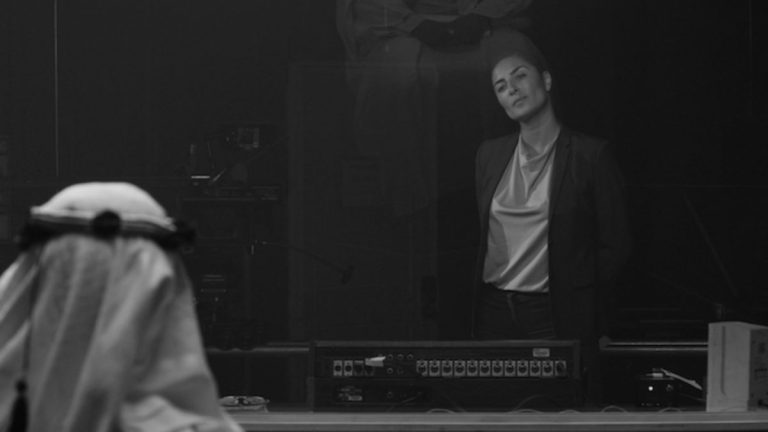
Read More: Presence (2025) Movie Review: Another See-Through Soderbergh Experiment
Liu’s performance is the second of two strong maternal roles she had this year, following her underappreciated work in Steven Soderbergh’s ghostly thriller “Presence,” but “Rosemead” is weighed down by a script that paints in broad strokes. The film’s presentation regarding Irene’s motivations ranges widely, with her sometimes portrayed as entirely helpless, and in other instances showing her as cold and unaffected.
There’s a hostility that Irene feels towards joining her son in therapy that isn’t quite explored, and some of the more subtle issues regarding insufficient mental health support in Asian American families are also underdeveloped. The result is an ending that feels abrupt and unsubstantiated. It’s as if the facts of the story were used for the sake of a plot twist, rather than a conclusion to the specific depiction that was seen on screen.
There’s nothing that “Rosemead” could do to deny reality, but a film should be asked to develop a thesis about its characters in order to reach its conclusions. While “Rosemead” obliquely hints at the justifications for why the film’s ultimate tragedies played out, there’s little insight gained, particularly in the ramifications the story had on surrounding communities.
Although there’s an acknowledgment that Irene’s policy of secrecy (as she’s kept her financial burdens to herself) has wounded her dynamic with Joe, the moments of fracturing within their relationship are weaponized as dramatic devices, and not consistent with the portrayal of the characters. It’s frustrating because lengths were taken to ensure that the film accurately reflected the L.A. County’s San Gabriel Valley culture, but many of the surrounding players seem to fade away in the final third, in which “Rosemead” becomes a more conventional true crime thriller.
There’s clearly a lot of good intentions behind “Rosemead,” and there are times when the film is quite powerful. While Liu’s transformative work and Shou’s stunning debut role are bound to be commended, praise should also be given to Madison Hu, who gives a quietly devastating performance as Joe’s friend, Jeannie. It’s the depth brought by these performers that makes the dramatically inert decisions in “Rosemead” so underwhelming, as there was potential for a more subtle approach to reach deeper conclusions. “Rosemead” is well-constructed enough to the point that it’s moving, but not quite insightful enough to leave a lasting impact.



![Sami Blood [2017] – Coming of Age in the Land of Prejudice](https://www.highonfilms.com/wp-content/uploads/2017/08/cover-3-768x432.jpg)