Sam Raimi is not only one of the most influential horror directors of the past half-century, but one of the industry’s foremost independent filmmakers. The notion of a group of friends traveling to a remote location to shoot a scrappy production with little to no resources is often brought up as a hypothetical. But it’s something that Raimi and his best friend, Bruce Campbell, literally did when making the original “The Evil Dead.” The underdog spirit has illuminated the rest of Raimi’s career. Even when working on the largest possible scale with a significant budget, it always feels as if Raimi has gotten away with something as Hollywood’s ultimate outsider.
While Raimi has been closely associated with both the subgenre of “splatter horror” that he helped to invent and the dawn of pop culture’s contemporary obsession with superheroes, his filmography is filled with diverse projects. There isn’t another director who has made a western, a sports film, a supernatural drama, a neo-noir thriller, and a massive family film for Disney.
That Raimi has returned to low-budget horror with his most recent film, “Send Help,” signifies that he has both felt comfortable enough to play in familiar territory and that he has not been seduced by Hollywood to make more typically commercial endeavors. Even if there are various Raimi projects that never materialized (such as “Spider-Man 4” and his planned reboot of “The Shadow”), it’s hard not to be thankful for the extraordinary achievements within his career. Here is every Sam Raimi film, ranked from worst to best.
16. Crimewave (1985)
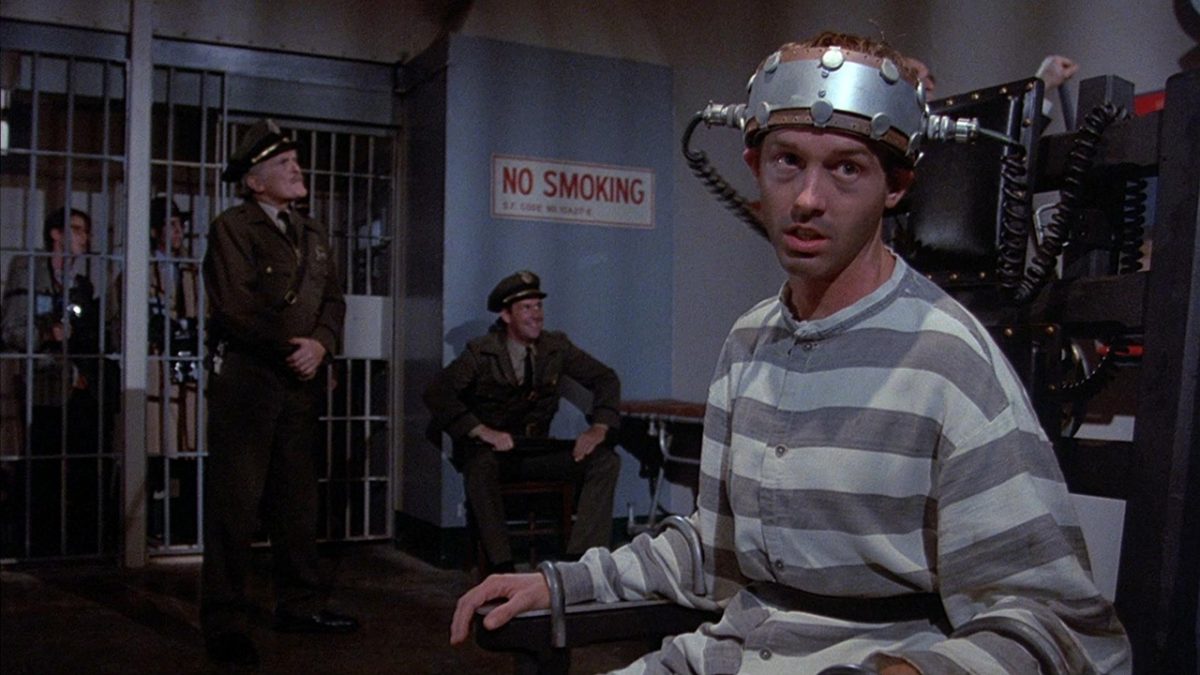
In fairness to Raimi, not all of the disasters on “Crimewave” were his fault. A mix of studio meddling, budget cuts, and hazardous weather conditions resulted in a chaotic shooting schedule, which became even more painful when producers chose to overrun Raimi during the edit. It was a case where Raimi, only having made one prior independent feature, was strong-armed by a studio that was afraid of his directorial instincts. It’s not implausible to imagine that “Crimewave” could have been more subversive and darkly amusing had Raimi been given more control, but judging by the raw footage presented, there’s not much that was worth salvaging.
“Crimewave” was ostensibly intended to be a satire of both Alfred Hitchcock thrillers and escapist B-movies, two widely different genres with little in common. As a result, Raimi’s film feels partially like a muted satire of prestige filmmaking and partially like a regurgitation of cheapo sleazoids. The garish production design, obnoxious humor, and incoherent editing choices make it a chore to sit through “Crimewave,” as none of the film’s energy can make up for its lack of substance. Outside of Raimi obsessives who want to complete his filmography out of loyalty, “Crimewave” is without any real merit.
15. Oz the Great and Powerful (2013)
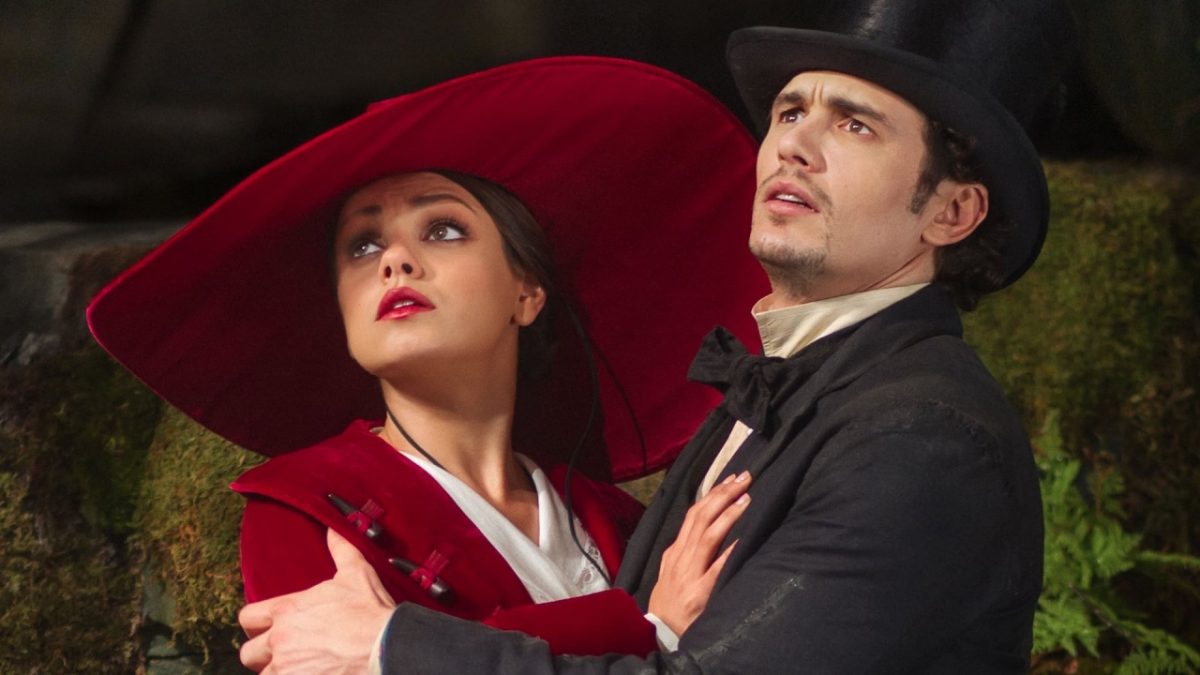
The worst thing that can be said about “Oz the Great and Powerful” is that it feels anonymous. Rarely has Raimi ever seemed like a “for-hire” director for a project that clearly only needed a journeyman, and his vision for a prequel to “The Wizard of Oz” is almost bafflingly inert. Despite the incredible advancements made with CGI in Raimi’s “Spider-Man” films, “Oz the Great and Powerful” is garish, obtuse, and hard to invest in because of how incoherent the scale and spectacle are.
The use of 3D feels as if it came from a different era in which the notion of “pop-out” gags was the only potential that the medium had. While there are occasionally moments where Raimi seems to be up to his old antics, the majority of “Oz the Great and Powerful” feels as if he is just going through the motions.
Some of the sins of “Oz the Great and Powerful” may have been forgiven had the lead performance been charismatic, but James Franco seems so disengaged from the material that it’s hard to imagine that Raimi couldn’t find a more worthwhile actor to play one of the most iconic characters in fiction. If nothing else, it’s at least better than both “Wicked” films.
14. The Gift (2000)

“The Gift” felt like something that could’ve been in Raimi’s comfort zone had he employed more of his style, but the film itself is largely inert due to the familiar narrative and forgettable characters. A swampy, vaguely supernatural drama should have been a great fit for Raimi’s inventive approach to gothic horror. But “The Gift” instead chooses a path of melodrama and underdeveloped mystery. It’s not quite exciting enough to feel like a haunting mystery thriller, but the supernatural elements aren’t fleshed out in a way that makes the rest of the mythology any more engaging.
“The Gift” strangely stumbles with its casting, even if there’s not much that could have been done to improve upon the weak material. Cate Blanchett was stuck playing a character with so little autonomy that it’s no surprise that the film is hard to emotionally engage with. Conversely, Keanu Reeves and Katie Holmes are both actors known for making “big” acting choices, and feel as if they’ve overcooked material that would’ve been better handled with a more subtle approach. The script by Billy Bob Thornton, which was allegedly based on his own mother’s experience as a psychic, doesn’t feel nearly as personal as the material would call for.
13. Spider-Man 3 (2007)
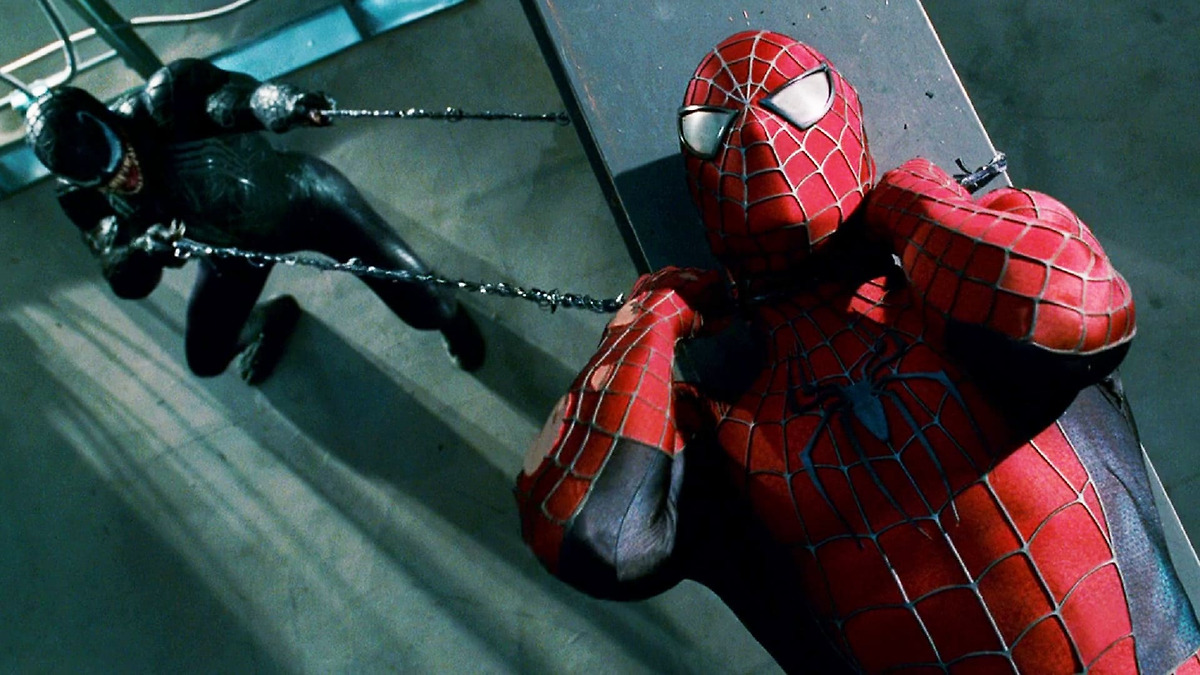
“Spider-Man 3” is the true heartbreak of Raimi’s career because of his well-documented struggles to appease Sony Pictures’ demands for the threequel. Although Raimi had long planned to transform James Franco’s Harry Osborn into the new Green Goblin and introduce the Sandman (Thomas Hayden Church) as a primary villain, Sony’s demands for the film disrupted what would have been a straightforward conclusion to the trilogy. In addition to the inclusion of Eddie Brock/Venom (Topher Grace) as a rival to Peter Parker (Tobey Maguire), the character Gwen Stacy (Bryce Dallas Howard) was added to form a love triangle with Mary Jane Watson (Kirsten Dunst).
With competing motivations, a new revelation about Uncle Ben’s (Cliff Robertson) killer, the use of amnesia, and some underdeveloped special effects, “Spider-Man 3” collapses under the weight of its enormity. The theme of forgiveness, whilst powerful, doesn’t entirely resonate because of how little time Raimi has to develop each of his villains and their connection to Peter. Similarly, the film’s ending is remarkably gloomy, and stings even worse because Raimi wasn’t given the chance to expand the franchise with a fourth film. There are moments of brilliance within “Spider-Man 3,” but it’s hard to blame Raimi for a film that was sabotaged.
Also Related: All Spider-Man Movies (including Spider-Man: Across the Spider-Verse), Ranked from Worst to Best
12. Doctor Strange in the Multiverse of Madness (2022)
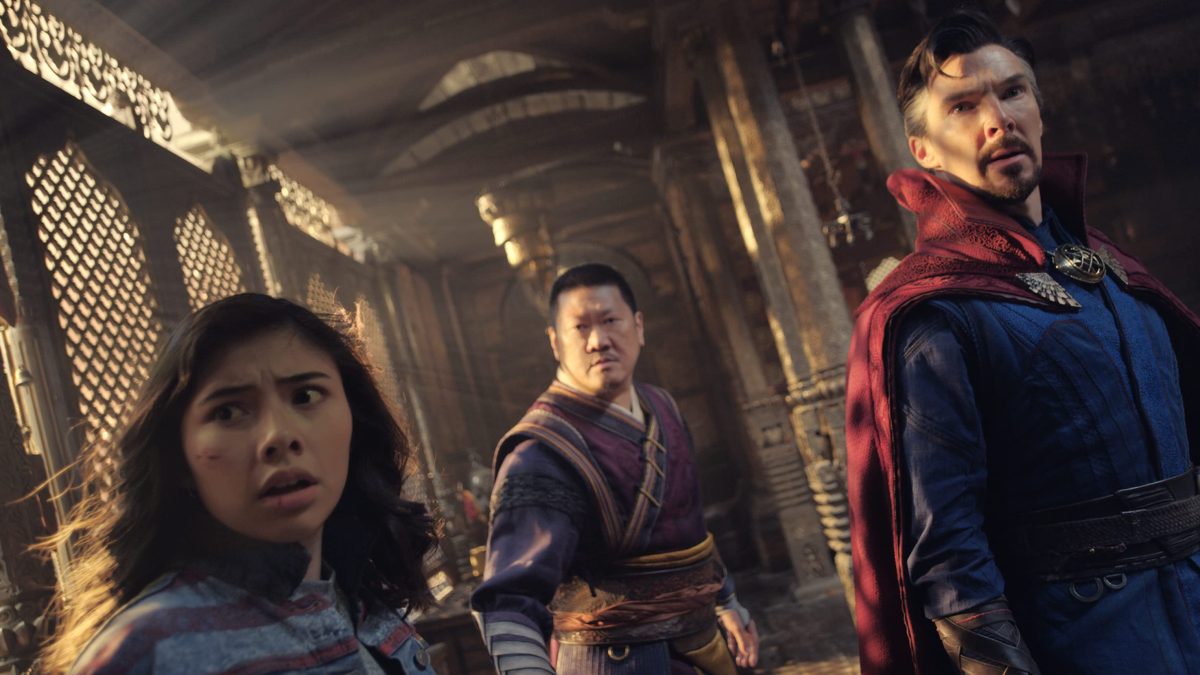
If “Spider-Man 3” was a film that Raimi was compromised on, “Doctor Strange and the Multiverse of Madness” was an unusual opportunity that he took advantage of. It was after creative talks with the original “Doctor Strange” director, Scott Derrickson, broke down that Marvel Studios invited Raimi to tackle the next chapter in the story of Benedict Cumberbatch’s Sorcerer Supreme.
It’s more than obvious why Derrickson was forced to exit. The script for “Doctor Strange in the Multiverse of Madness” is nonsensical and requires the introduction of various components needed to set up the next stage of the franchise. However, it’s within the mess that Raimi was able to apply a sense of genuine horror and gleeful slapstick imagery to a franchise that was sorely in need of some personality.
Steven Strange is not a particularly interesting character, and Raimi seems to recognize that by beefing up the roles of his supporting cast. Although he caught backlash from Marvel fanboys for admitting to not seen “WandaVision,” his decision to turn Wanda Maximoff (Elizabeth Olsen) into a witchy villain gave the film an edge that most of the post-”Avengers: Endgame” films haven’t. It may not be pure Raimi, but the “Doctor Strange” sequel was elevated by his direction.
11. For Love of the Game (1999)
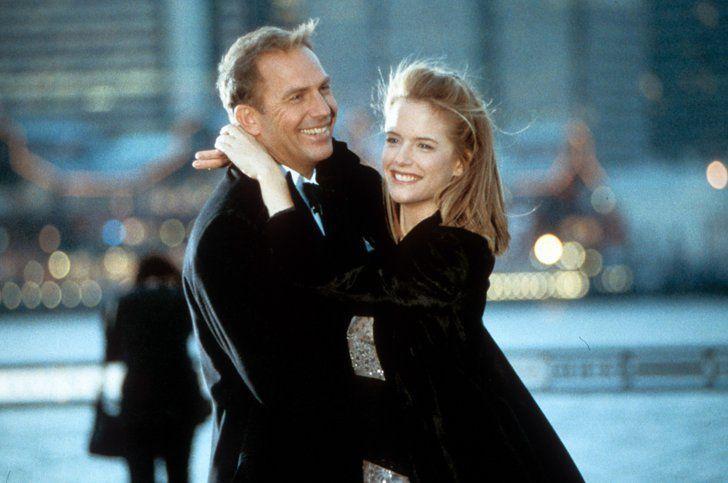
“For the Love of the Game” was the final chapter in Kevin Costner’s now legendary run of sports films, which included “Field of Dreams,” “American Flyers,” “Bull Durham,” and “Tin Cup.” Although Raimi was brought in after director Sydney Pollack dropped out of a version that would have starred Tom Cruise, his efforts on the film were nothing if not sincere.
Considering how much Raimi’s work tends to celebrate Americana, it’s not hard to imagine that he would be moved by a film that unabashedly celebrates the nation’s favorite pastime. While it’s inarguably a Costner film, first and foremost, as the star got both final cut and approval over the director, the creativity with which the sports scenes are captured wouldn’t have been possible with a hired hand overseeing it.
Raimi’s efforts might be overshadowed by the more melodramatic elements of the story that are Costner’s doing, but there is something exciting about a great comeback sports story. Anything that takes place on the field itself is nothing short of magical, even if everything involving the protagonist’s wife (Kelly Preston) and daughter (Jena Malone) leaves something to be desired. Most films would benefit from an expanded running time, but at a laborious 137 minutes, “For the Love of the Game” was begging to be trimmed.
Also Read: Kevin Costner Loves Baseball-Themed Movies!
10. Send Help (2026)

“Send Help” may contain some of the grossest, most delightful absurd gross-out gags of Raimi’s entire filmography, but it’s not strictly a horror film. The outrageous satire looks at the parasitic relationship between a privileged, obnoxious new CEO Bradely (Dylan O’Brien), and a lowly employee, Linda (Rachel McAdams), who is powerless until they find themselves trapped on a desert island together.
It doesn’t exactly explore all the potential that’s left on the table, and often feels limited by the parameters of its budget, but “Send Help” finds appropriate rage in the plight of underlings who watch their ill-experienced peers acquire status without putting in the work. For Raimi, a filmmaker who has been bludgeoned by studios that impeded his creative control, it may be the most personal film he’s ever made.
“Send Help” is most exciting as a power struggle between two characters who aren’t quite sure how to define their relationship. Although Bradley assumes that his power in the workplace would be applied within every setting, Linda is quick to take control upon realizing that she’s finally needed for something. The presence and banter between McAdams and O’Brien, both of whom expand upon subtle hints about the characters’ past within the script, is enough to elevate “Send Help” above some of its clunkier tropes.
9. Drag Me To Hell (2009)
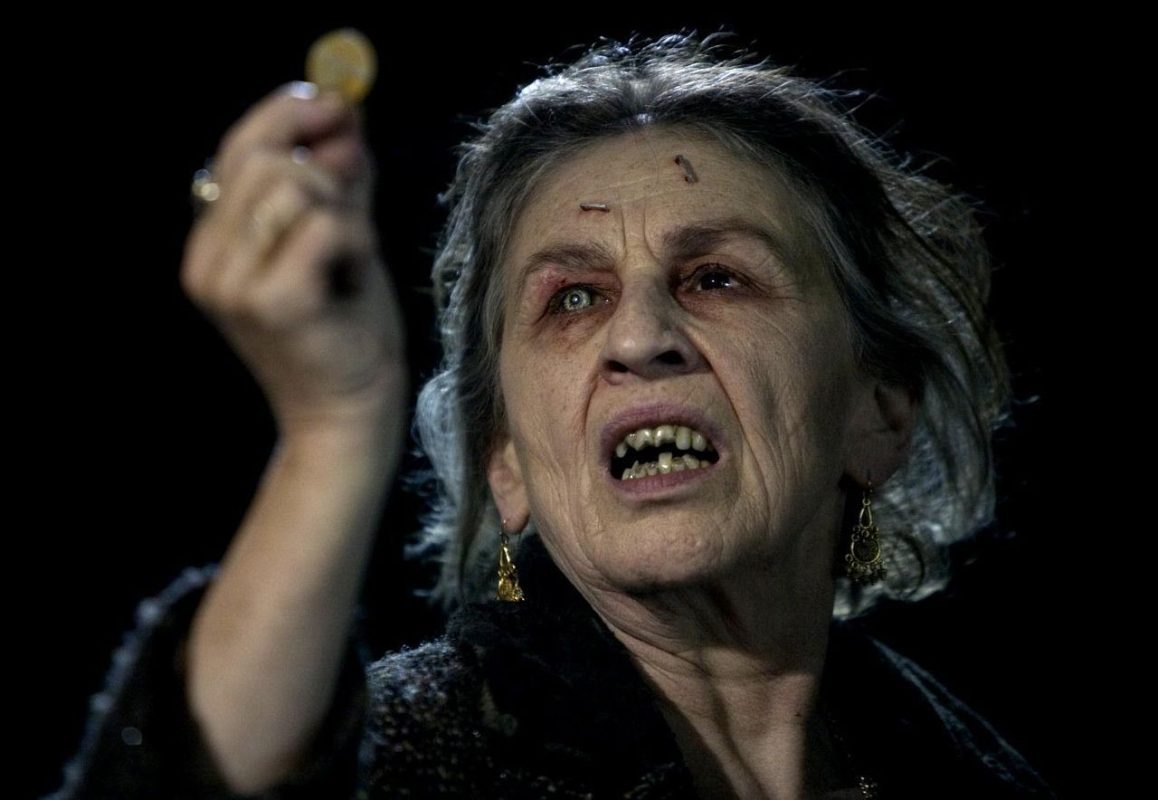
“Drag Me To Hell” was a definitive statement by Raimi, fresh off of having to take the fall for the failures of “Spider-Man 3.” It was a return to the horror genre for the first time in over a decade, and it amped up the dark comedy that had traditionally made his films so personable. The PG-13 rating was a unique hindrance that became comical in its reductions.
Raimi seemed to be having a blast testing to see what he could get away with without having too much gore or bloodshed. It’s about as straightforward of a premise as Raimi could have asked for, as “Drag Me To Hell” mostly consists of Alison Lohman’s loan officer being tormented for refusing to offer a loan to a Hispanic woman.
“Drag Me To Hell” hit at just the right time to both satirize the “torture porn” subgenre and play into the animosity towards financial institutions that had built up in the aftermath of the 2008 financial crash. It’s not particularly substantial and has earned some deserved criticism for its use of ethnic stereotypes. However, “Drag Me To Hell” is one of Raimi’s most formally entertaining films, and certainly something that could have only come from his imagination.
More Read: 10 Great Horror Movies of the 1980s
8. The Quick and the Dead (1995)
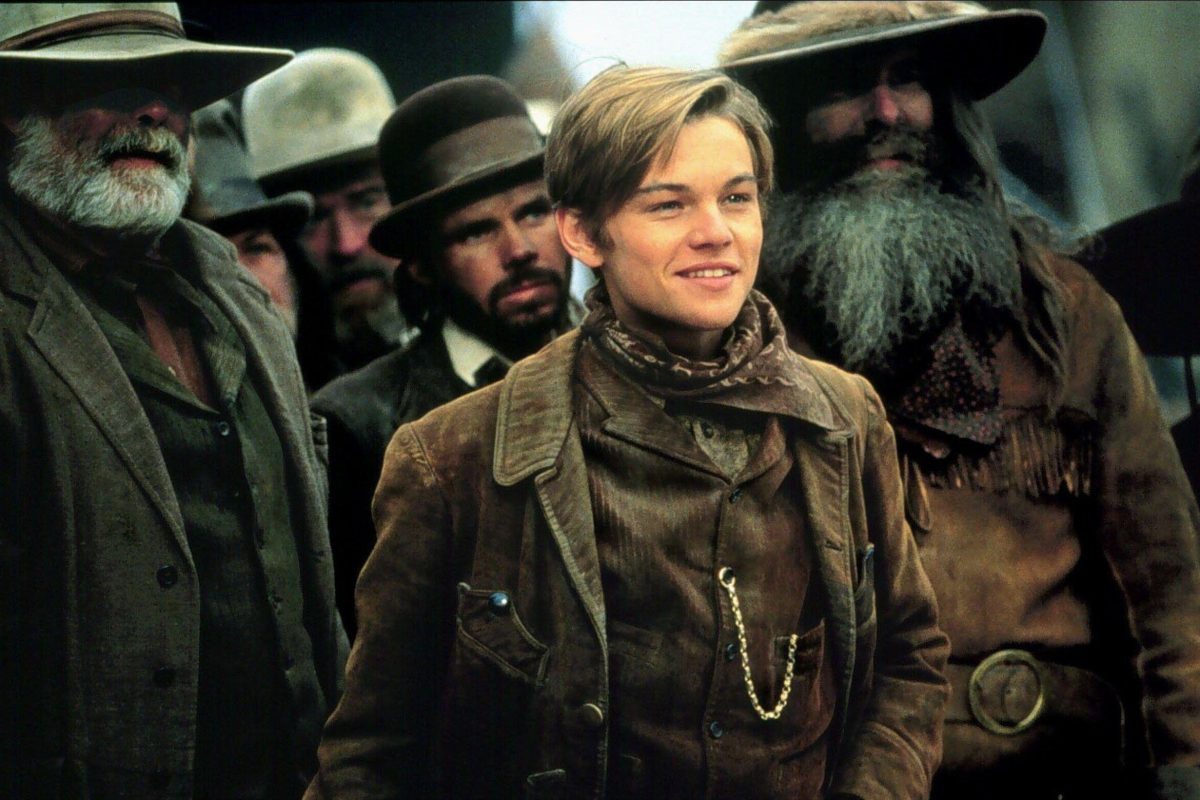
The western genre had made a comeback in the ‘90s thanks to the blockbuster success of “Tombstone,” and the Oscar Best Picture wins for both “Dances With Wolves” and “Unforgiven.” While the aforementioned titles were interested in deconstructing the myths of masculinity and hero worship, Raimi created a pulpy send-up of spaghetti westerns with a woman at the center of it all.
On a visual level, “The Quick and the Dead” is a great showcase for Raimi’s unique shot selection, knowledge of story structure, and means of conveying emotion through movement and staging. On a narrative level, it’s far more familiar, even if all the actors are giving their best efforts to the material.
Sharon Stone’s performance may have caught unjust criticism during the film’s initial release window, but it’s also a fairly bland role that she never quite feels on top of. It’s unsurprisingly Gene Hackman, who makes the most of his role as the villainous sheriff, as he’s allowed to be goofy and sadistic in a way that didn’t feel repetitive of his Oscar-winning role as Little Bill in “Unforgiven.” “The Quick and the Dead” is a fun throwback, even if it’s not necessarily a modern classic in the western canon.
7. The Evil Dead (1981)
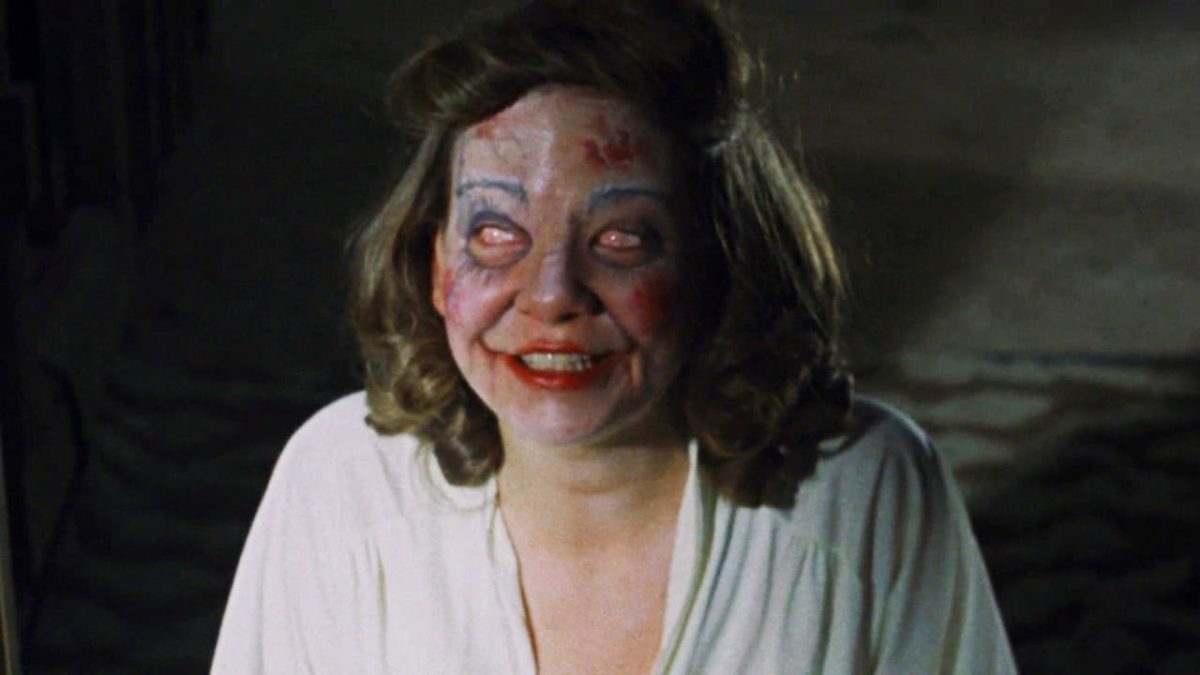
“The Evil Dead” is arguably both the most important film of Raimi’s career and a production that led to a greater equalization of the industry at large. Although Hollywood had steered away from the bravery of the New Hollywood decade, in which young filmmakers were empowered by studios to make ambitious projects, “The Evil Dead” proved that up-and-coming directors with talent and passion could find a route to success if they were willing to bet on themselves. Raimi and his crew may have gone through hell trying to make their low-budget splatter horror film, but the result is a brutal, bleak, and briskly funny spin on the genre that could only have been made under strict parameters.
Remarkably, “The Evil Dead” remains the scariest and most visceral entry in the franchise. Raimi’s sequels developed a greater sense of self-awareness, and the contemporary installments have a slick, polished quality that is absent in the original. Although its inventiveness knows no bounds, “The Evil Dead” is more impressive as a proof-of-concept than it is a canonical classic. Although it’s interesting to see a pure distillation of what Raimi was capable of with no outside influence, he would go on to outdo himself by incorporating aspects of “The Evil Dead” into all of his successive films.
6. Darkman (1990)
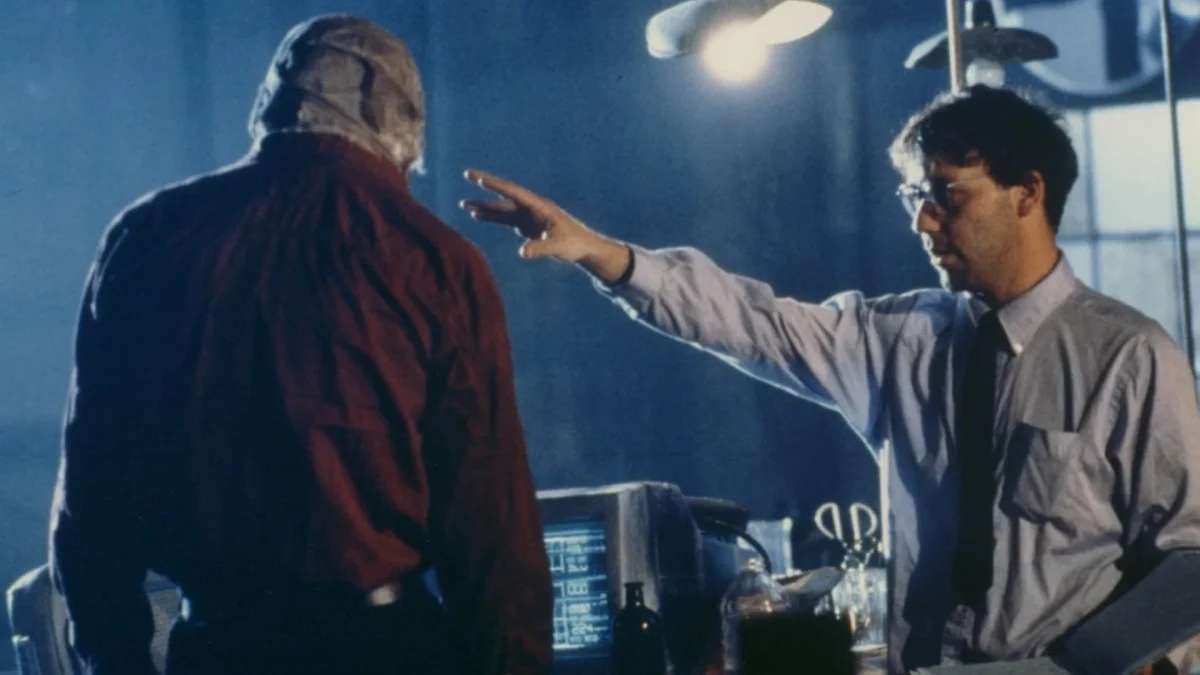
“Darkman” was born out of Raimi’s desire to reboot the classic radio show hero “The Shadow,” which he failed to do after attempting to acquire the rights. Ironically, the eventual film version of “The Shadow,” starring Alec Baldwin, was released in 1994 and was largely made to cash in on the popularity of classic heroes that was partially initiated by “Darkman.”
“Darkman” was an original superhero film that owed a lot to the serial and comic book characters that Raimi had grown up loving, but it was also tinged with body horror and subversive elements of exploitation cinema. Liam Neeson’s Dr. Westlake is brutalized to a horrific degree within the opening sequence, leading to a path of vengeance that feels more than justified.
“Darkman” is gleefully pulpy, but still manages to play relatively straight without collapsing under the weight of glib satire. If the ‘80s saw polar extremes with superhero films as silly as “Teenage Mutant Ninja Turtles” and as gritty as “The Crow,” “Darkman” fell somewhere in between. Although several sequels were made, the lack of involvement from both Raimi and Neeson ensured that they were nothing more than lackluster B-movies without the original’s unique blend of monster magic and compelling human drama.
5. Army of Darkness (1992)
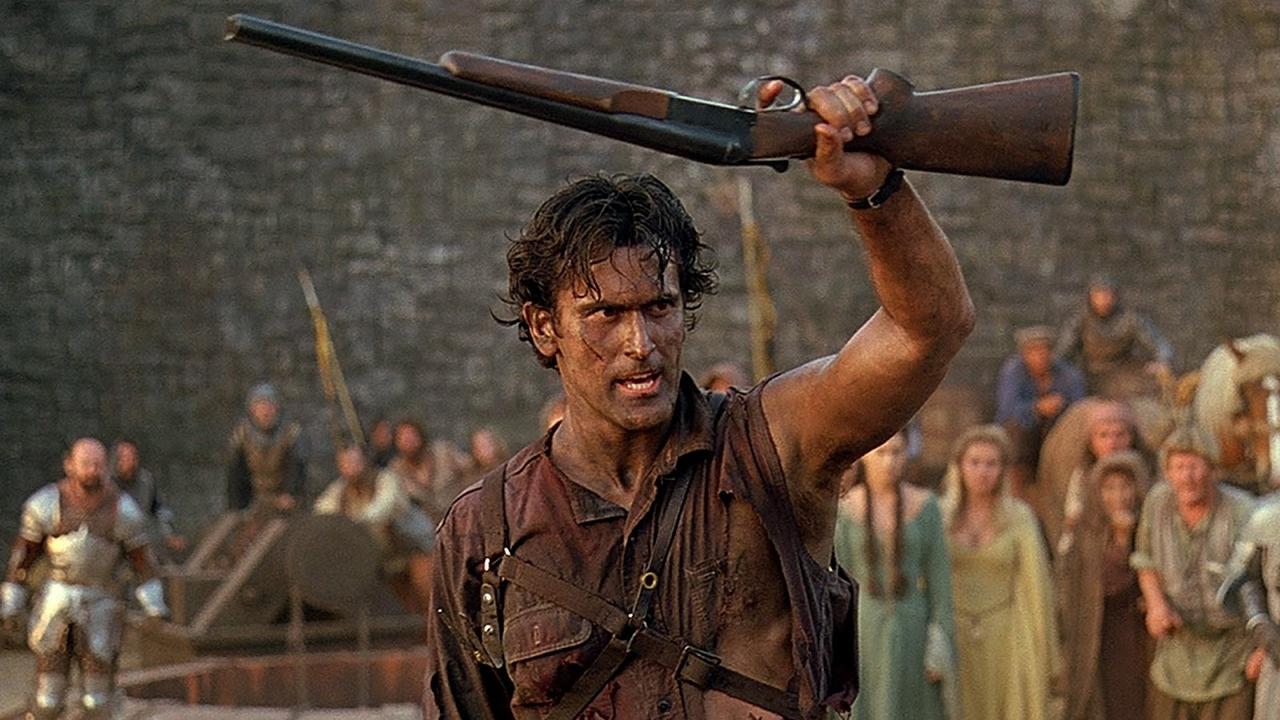
Raimi is a filmmaker who has largely avoided repeating himself, which may explain how a sequel as bizarre as “Army of Darkness” came to fruition. After “Evil Dead II” managed to take everything that was great about the original and dial it up to an extreme level, Raimi swerved with the conclusion of the trilogy by taking Bruce Campbell’s Ash into medieval times, where he was forced to recover a lost artifact and return home.
Although “Army of Darkness” has just as many practical effects and fun puppets as its predecessors, it’s not strictly a horror film. The tone is closer to that of classic Ray Harryhausen films like “Jason and the Argonauts” and “The Seventh Voyage of Sinbad,” with the same sense of cheeky humor as “Monty Python and the Holy Grail.”
“Army of Darkness” showed Raimi was comfortable bending the rules of the franchise he created, as all of the swings he takes still feel congruent with the themes of the series. Campbell has never disappointed in his collaborations with Raimi, but “Army of Darkness” features his greatest performance ever because of the incredible feats of physicality and comedy involved. Raimi can say that he directed a trilogy in which all three films are great, a feat only completed by a rare few, such as Sergio Leone, Peter Jackson, and Richard Linklater.
4. A Simple Plan (1998)
It’s easy to forget that Raimi grew up as a close companion of Joel and Ethan Coen, who started their trajectory into independent filmmaking with “Blood Simple” after the inspiration of “The Evil Dead.” The filmmakers have mirrored each other in interesting ways and have often contributed to each other’s projects. In many ways, “The Hudsucker Proxy” was a more successful version of what Raimi had attempted with “Crimewave.”
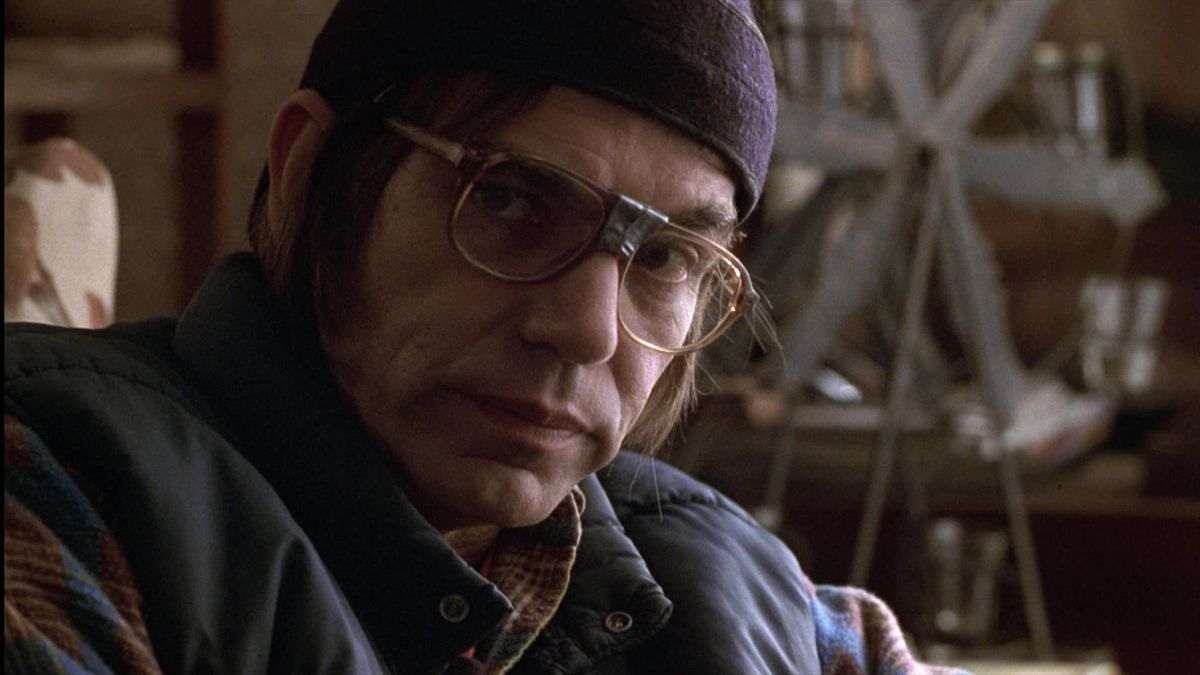
With “A Simple Plan,” Raimi was clearly attempting to make a thoughtful, darkly comedic neo-noir that reached into the depths of human despair in the same way that the Coens did with “Fargo” and “Miller’s Crossing.” It’s just as honest as anything else that Raimi has ever done, but the gleefulness of its construction doesn’t detract from the bleak worldview of “A Simple Plan,” which feels closer in line with the Coens’ perspective on humanity.
Although Raimi has often been thought of as a visual stylist first and foremost, “A Simple Plan” includes remarkable performances, particularly Bill Paxton in the role of an ostensibly good man who becomes victimized by his own greed and refusal to admit to consequences. It’s a twisty, surprisingly propulsive little thriller that packs an emotional punch, and served as the last great truly independent film from Raimi before he became a champion of Hollywood.
3. Spider-Man (2002)
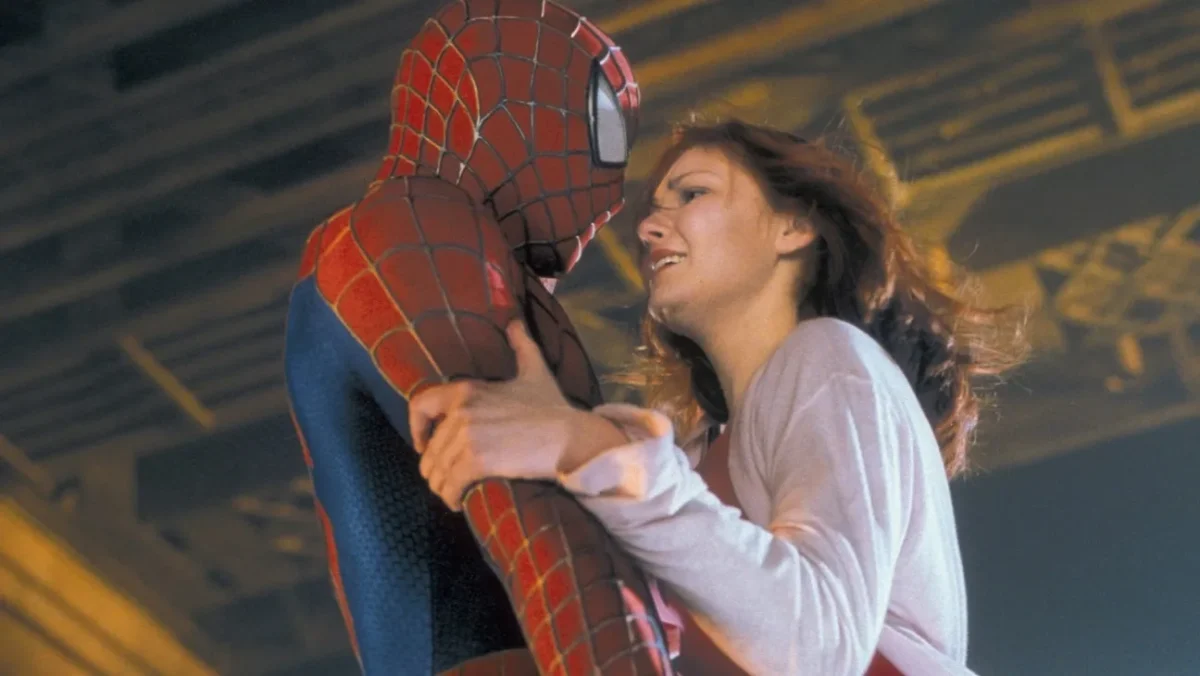
Marvel had had a difficult path to launching their heroes on the big screen, as the disastrous production of George Lucas’ “Howard the Duck” set any Stan Lee adaptations back by a decade. While “Blade” appealed to R-Rated horror fans and Bryan Singer’s “X-Men” showed there was potential to build a niche fanbase, Raimi essentially created the ideal contemporary summer movie when “Spider-Man” swung into theaters in 2002.
“Though set in the modern day, ‘Spider-Man’ retained the whimsy and optimism of Stan Lee’s 1960s comics, with just enough self-awareness to gently acknowledge the inherent absurdity of its characters and costumes. Nonetheless, it never feels as if Raimi is apologizing for the source material. Compared to contemporary Marvel films, which have become glib with one-liners and self-deprecation, “Spider-Man” is a pure story about a kid who has bitten off more than he can chew.
Tobey Maguire’s casting was a stroke of genius, as Raimi crafted an identifiable, relatable hero whose transformation into New York’s savior was empowering. Although some aspects of the first film feel slow, especially considering the many “Spider-Man” installments released since, it’s thoughtful, emotional, and genuinely exhilarating in a way that the genre has rarely been.
2. Spider-Man 2 (2004)
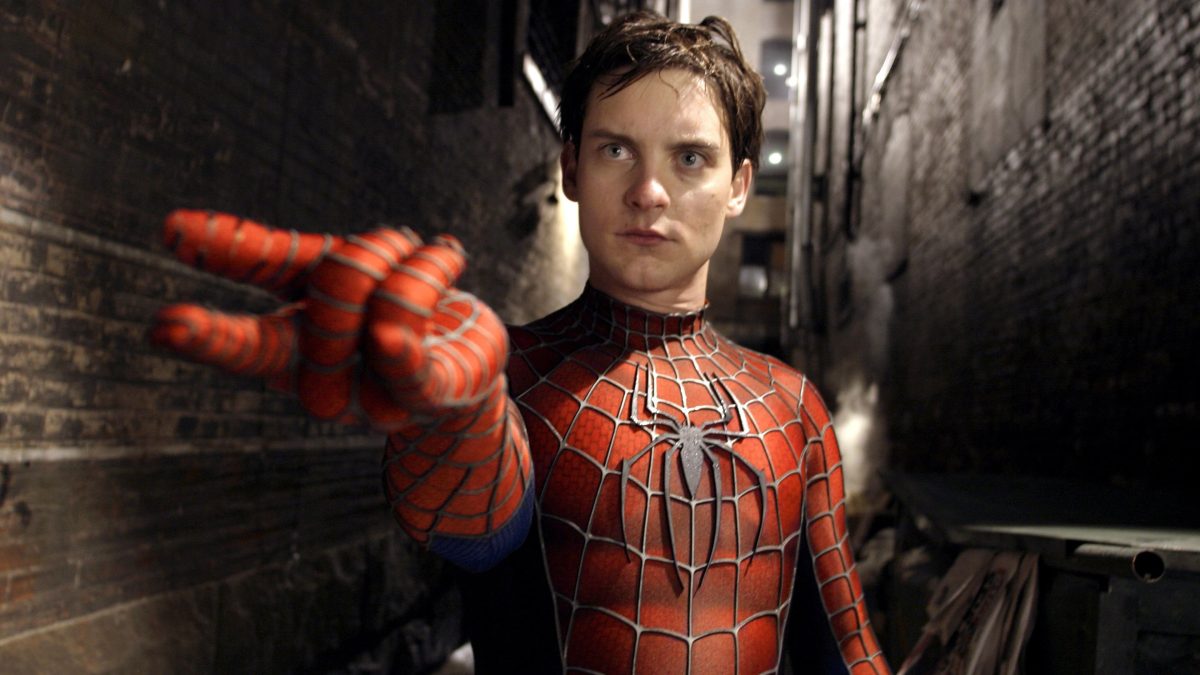
Rare is there a sequel that simply does everything better than its predecessor, but “Spider-Man 2” deserves to be heralded alongside “The Empire Strikes Back,” “Terminator 2: Judgment Day,” “The Dark Knight,” and “The Godfather: Part II.” If Raimi recognized with the first film that Peter Parker was a compelling character because of both tragedy and comedy, then the sequel ramped up in both directions.
Peter is both helpless to attract his longstanding crush, Mary Jane, without revealing his secret, but his attempts to balance both aspects of his life result in hapless, hilarious misadventures. Although he had become Spider-Man by the end of the first film, Peter doesn’t fully understand the pressures of being a hero until he watches his own life crumble amidst his most strenuous task as the city’s protector.
Willem Dafoe’s performance in “Spider-Man” was suitably creepy, but Alfred Molina brought pathos and genuine menace to his role as Dr. Otto Octavian, who instantly ranked among the greatest comic book villains in history. Although Raimi is unafraid to swing for the fences with moments that could be deemed goofy or even melodramatic, the exhilarating train fight between Spider-Man and Doc Ock is about as perfect as superhero films can be.
1. Evil Dead II (1987)
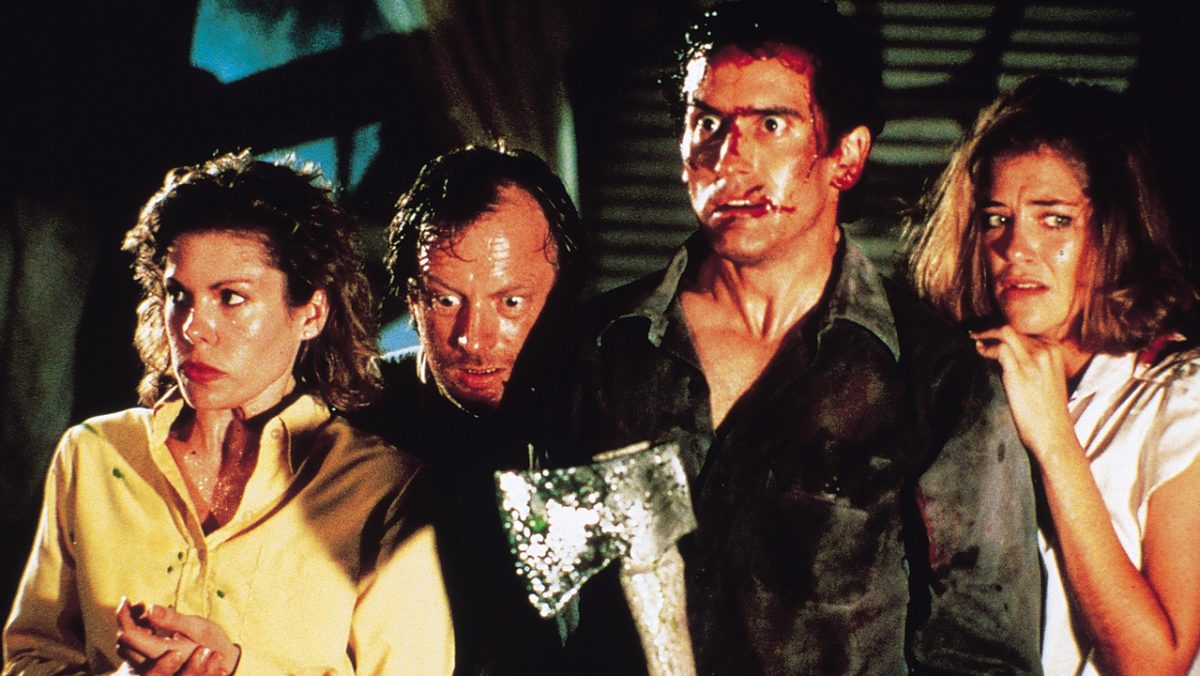
“Evil Dead II” is essentially a remake of its predecessor, as Raimi and Campbell were only able to achieve a small percentage of the gags and scares they intended the first time around. However, revisiting the material does not mean that Raimi wasn’t any wiser, as the sequel to “The Evil Dead” knew how to push the limits of its concept in the appropriate direction.
While it’s grosser, sillier, and more action-packed, “The Evil Dead II” also feels more untethered to normality, as the cabin in which it takes place seems to expand and evolve to fit whatever set piece or punchline Raimi has in mind. The parameters that had locked him in the first time around are set aside, as “Evil Dead II” operates on a broader canvas where anything can happen for the sake of entertainment.
While it moves closer into the parodical direction that “Army of Darkness” leaned into fully, “The Evil Dead II” is still starkly terrifying, as the excessive use of gore and makeup didn’t prevent Raimi from understanding what a good scare looked like. The expanded cast may have given the film more room to develop banter, but it was Campbell’s second performance as Ash that transformed him into one of the most iconic alt-heroes in horror history.