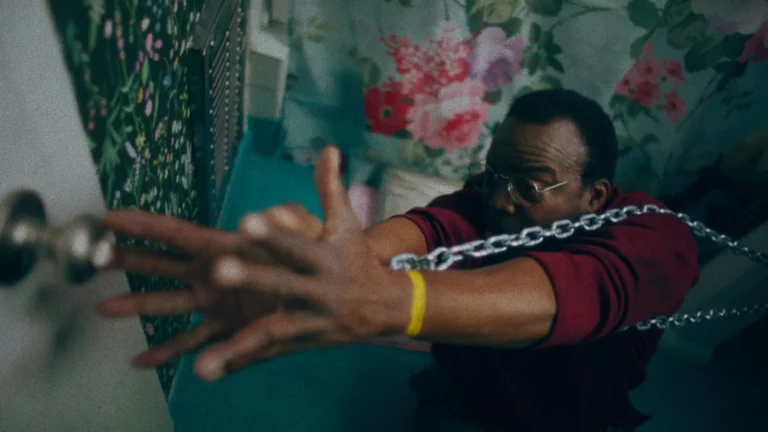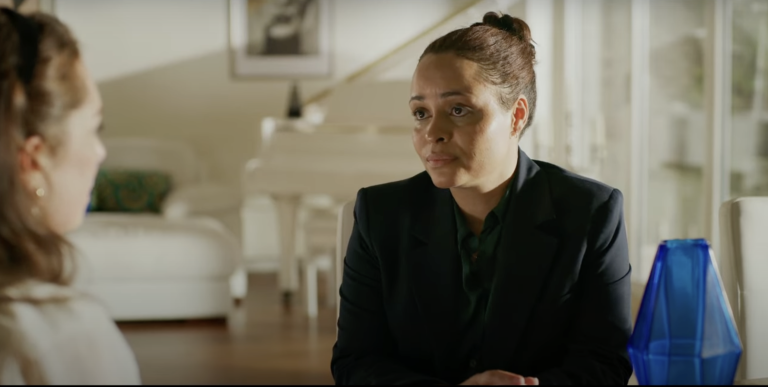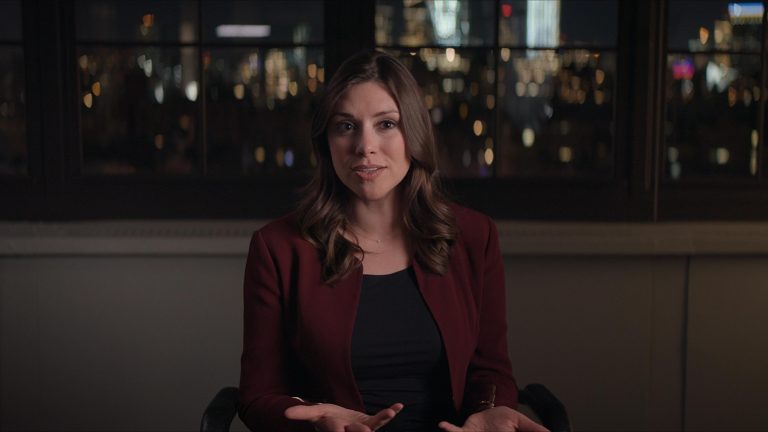
Maggie Gyllenhaal’s The Bride! (2026) breaks away from the story of Frankenstein’s bride and reimagines it in a completely new way. The film has a clear focus on exploring how a woman can be defined by others and how that same person slowly begins to take back the control that was taken away from her. The film explores this subject in the most eccentric way possible, which may become elusive for some viewers (its ballads of eccentric performances may be to blame), but it plays with questions of who we are and how much of that identity is truly our own.
Jessie Buckley, who is well known for her powerhouse performance that led her to win all the notable awards last season, holds everything together in a movie that, according to me, also overshadows Christian Bale’s presence throughout. Which is precisely the point, that women take centre stage unabashedly and do not feel the need to explain why. Jessie, who plays four different characters with ease, begins as the ghost of Mary Shelley, who quietly sets the story in motion. She then becomes Ida, a young woman placed in a situation she does not fully understand. From there, she shifts into Penelope, who is trying to make sense of herself without any memory to guide her. Finally, she becomes the Bride, a version that feels more aware and more in control of her own identity.
Without further ado, in this article, let’s break down the complete plot and explain how Maggie Gyllenhaal’s The Bride! along with how it explores it’s themes. The article contains full spoilers; reader discretion is advised.
The Bride! (2026) Plot Summary & Movie Synopsis:
Why does Mary Shelley possess Ida?
The story begins in a very unusual way. Mary Shelley, speaking from the afterlife, says that she has one more story she always wanted to tell after Frankenstein. She explains that she never got the chance to share it while she was alive. To finally tell this story, she possesses a woman named Ida, who is living in Chicago in 1936. While under this possession, Ida begins speaking in a trance, revealing details about the criminal activities of a crime boss named Lupino. Her sudden outburst draws attention, and Lupino’s henchmen, Clyde and James, notice her and take her aside to avoid a scene. They are concerned about what she is saying and how much she might know, but Ida continues to speak uncontrollably, and her behavior becomes erratic. In this chaos, she falls down a flight of stairs and dies, which ultimately sets the tone of the story that follows.
What does Frankenstein want from Dr. Euphronius?
At the same time, another storyline begins. Frankenstein’s monster, also known here as Frank, arrives at the home of Dr. Cornelia Euphronius. Frank has lived for a long time and carries deep loneliness. He has learned about Euphronius and her work with reanimation. He asks her to help him create a companion, someone who can share his existence. After much argument, confusion, and hesitation, Euphronius agrees to help him. They decide to use Ida’s body. Through their experiment, they bring her back to life. However, when she returns, she does not remember who she was. She has no memory of her past life. Frank takes advantage of this situation. He tells her that she is his bride and that she lost her memory in an accident. She accepts this version of the truth because she has nothing else to hold on to.
Why do Frank and Ida run away to New York?
Frank and Ida begin to spend time together. They go out and watch a movie starring Frank’s favorite actor, Ronnie Reed. After that, they go dancing at a club. There is definitely a chemistry between the two, as Frank attempts to have a normal life with Ida, even though nothing about the two feels normal in the real world. Things suddenly take a violent turn when two men try to assault Ida as they leave. Frank is initially hesitant to not cause a scene from people reacting to how he looks, but when Ida becomes unresponsive to the assault, Frank reacts by killing both the men.
Ida, who is visibly stunned by Frank’s actions, follows him, but he tells her that she should leave him for her own safety. She refuses and instead, chooses to stay with him and run away together. They escape by hiding on a train heading to New York City. During the journey, a security officer discovers them. At that moment, Mary Shelley’s influence causes Ida to have another outburst. This leads to the officer’s death. Meanwhile, Detective Jake Wiles and his assistant Myrna Malloy begin investigating the series of murders connected to Frank and Ida. Their investigation slowly leads them toward New York.
Also Read: Feminism and its Eternal Affair with Film-making
Who is Penelope Rogers?
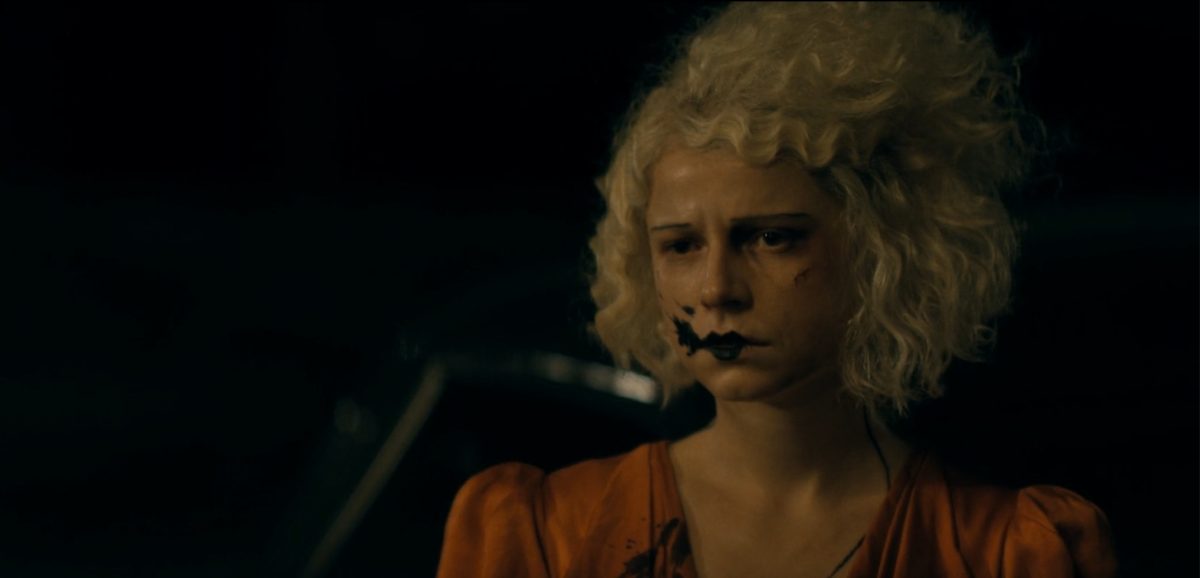
Once the duo find a safe place, Frank gives Ida a new identity (as she can not recall anything about her life from before), calling her Penelope Rogers, which she really likes, given the press has been calling her ‘Frankenstein’s bride’. When Penelope proposes that the two should make love, Frank becomes increasingly uncomfortable due to his deformed body, so he suggests they go to the cinema. During a screening of Revolt of the Zombies, Penelope notices a couple where the man forcibly tries to kiss his partner, who is apprehensive of the gesture.
When the man doesn’t stop, Penelope’s outburst disrupts the movie, causing a scene in the cinema and drawing more attention to them. To avoid getting caught again, they seek shelter at a high-class party. At the party, Frank meets Ronnie Reed, the actor he admires and the reason he loved cinema so much in his life. He tries to express his admiration, but Reed does not take him seriously and dismisses him. This affects Frank, and soon after, he begins to dance in a way similar to Reed’s performances. Penelope joins him, and unexpectedly, other party guests also begin to dance as if they are in a trance or being controlled.
Why does Penelope take Reed hostage?
Meanwhile, Detective Wiles and Myrna, along with the police, follow Frank and Penelope’s trail and somehow manage to arrive at the party. When Penelope sees Wiles, a faint memory is triggered, showing that the two know one another from before. When the police catch Frank, the situation escalates, leading Penelope to take Ronnie Reed hostage at gunpoint.
This is also another moment when Mary Shelley takes over Ida/Penelope again, leading to yet another outburst where she recalls all the women’s names who have suffered at the hands of evil men. During this confrontation, Wiles recognizes Ida, but before he can react, Penelope accidentally shoots a police officer when he tries to take control of the situation. Frank and Penelope manage to escape once again, leaving the city in a stolen car.
Why does Lupino order Clyde to kill Ida/Penelope?
Frank and Penelope’s actions have created mayhem everywhere (women are out on the streets, running a riot and holding men accountable for abusing them for so long), and the story spreads like wildfire. With their names in every newspaper now, Lupino recognizes Ida after reading the reports of their crimes. Angry that his earlier problem was not handled properly, he kills James and sends Clyde to finish the job.
At the same time, Myrna, who aspires to be a detective and has the skills to detect things better than any man on the job, begins to notice a pattern. She realizes that the sightings and crimes connected to Frank and Penelope are happening in places linked to Ronnie Reed’s films. In the meantime, she also proposes to Wiles that if the duo are able to successfully catch the accused, he should credit her rightfully as a co-detective on the team. Wiles, who knows the truth, acknowledges her credibility but also helplessly says that this probably won’t happen in reality.
Why does Penelope kills a police officer?
On the other hand, things turn drastic again when a local police officer catches Penelope and Frank for overspeeding their vehicle. When the police officer notices Penelope, he orders her to step out of the car. Penelope obliges, as Frankenstein hides his face to avoid any more ruckus. Unfortunately, she has to pay the price one more time, as the officer sexually assaults her. Suppressing her angst and rage to minimize chaos, she endures the assault until she cannot and hits back, biting off the officer’s tongue in anger. After finding a safe place, Penelope is in distress, where the shock, guilt, anger, and confusion all hit her at once. She realizes that she has just killed two men, and this is not what she wants. She wants revenge, but why does there have to be violence to seek peace?
Who was Ida?
Meanwhile, Wiles and Myrna follow the runaway pair to Niagara Falls, where they believe they must be heading, and eventually find them. Wiles confronts them and tells Penelope the truth about her past. He reveals that she was Ida. However, overwhelmed with emotions, she reacts by shooting Wiles in the foot. The duo escape again, but this time Frank is injured as well. They take refuge at a drive-in, where Frank finally tells her the truth about how she came back to life. At the same time, Wiles reflects on his past. He tells Myrna that he and Ida (as an undercover agent) were working together before her death. They had planned to take down Lupino. He feels guilty because he believes his inaction led to her death. As a result, he decides to retire and gives Myrna a promotion to lead the investigation as the detective in charge.
Also Related: 25 Great Feminist Films That You Should Watch
The Bride! (2026) Movie Ending Explained:
Why does the Bride take Frank’s body to Dr. Euphronius?
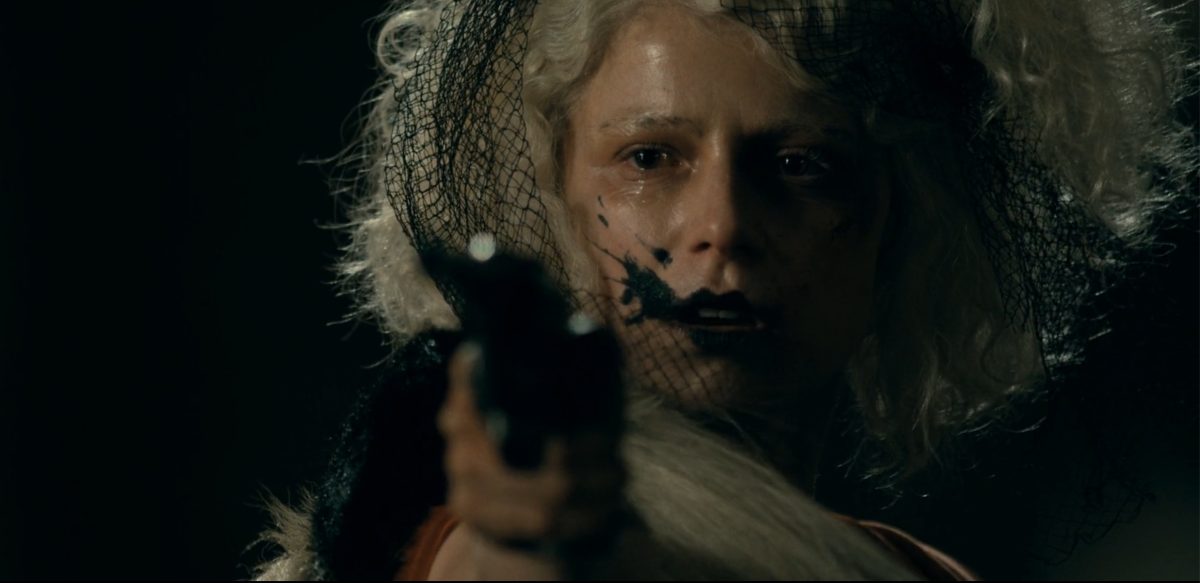
Myrna continues the investigation on her own, and she tracks Frank and Penelope to the drive-in. There, Frank expresses regret for everything that he has done. He tells her that he loves her and accepts her as she is. Penelope decides to take control of her identity and calls herself the ‘Bride’. At that moment, Frank proposes to her. However, before anything can move forward, Clyde arrives and shoots Frank. The Bride manages to escape, taking Frank’s body with her. The Bride arrives at Dr. Euphronius’s laboratory carrying Frank’s body, desperate to save him. She believes that Euphronius can bring him back again, just like before. Myrna also arrives, watching everything unfold. However, Euphronius refuses to help and explains that her previous attempts at reanimation had serious consequences. She once tried to bring her husband back to life, but things went horribly wrong. The result was so dangerous that she had no choice but to kill him again. Because of this experience, she does not want to repeat the same mistake.
Are Frank and the Bride truly dead?
As this conversation takes place, Clyde tracks them down and enters the laboratory. Without hesitation, he shoots the Bride. She dies due to multiple gun wounds, and the police enter the premises, causing a crossfire. While Dr. Euphronius hides, screaming for a ceasefire, Clyde, at the same time, manages to escape from the scene. The police soon arrive at the laboratory. Meanwhile, Myrna enters the scene, trying to take control of the situation, and orders everyone to stop firing and to go after Clyde. She requests Euphronius to reconsider her decision about helping Frank and the Bride, as she suggests that the accompanying sergeant send his men outside to protect the perimeter while the doctor gets ready to go to the station for further investigation.
The ending of The Bride! (2026) shows as Myrna and the police leave the doctor and her secretary alone in the compound, Mary Shelley’s presence is felt again influencing a push to Dr. Euphronius to change her mind and conduct a reanimation experiment. Despite her fears, she begins the process of reanimation once more. Bright lights begin to shine, suggesting that the process is working. As the movie ends, the last scene shows Frank and the Bride holding hands suggesting they are alive.
Is the police able to catch Clyde, and is Lupino finally exposed?
While the reanimation experiment continues back inside the laboratory, outside, the police manage to capture Clyde ending the film. During the credits, another part of the story shows Lupino is finally captured. Wiles returns and helps in his arrest, along with a group of women who have been inspired by the Bride’s actions.
The Bride! (2026) Movie Themes Analysed:
Women’s Autonomy Beyond the Body
The film looks at women’s autonomy in a very direct and layered way. It is not just about control over the body, but also about control over thought, choice, and identity. Ida’s journey shows how these layers are taken away from her again and again. First, she is placed in a dangerous situation without being fully given a choice, where she has to endure men being vile just to serve a larger purpose. Then, even after death, her body is used again in a way that ignores her consent. When she becomes Penelope, she is once again shaped by someone else’s version of truth. It is only when she becomes the Bride that she begins to move toward a sense of self that is not controlled by others. That is the shift that must matter because it shows that autonomy is not something you are handed, it is something you have to reclaim after it has been taken away again and again.
Revisiting Male-Centric Cinema
What I found incredibly interesting is how Maggie Gyllenhaal reflects on how older cinema treated women. In many black and white films, men were placed at the center, and women were often used as bait or as visual presence without real importance. These characters were there to support the male narrative, not to have one of their own. Even in Mary Shelley’s original idea being adapted into films, the Bride existed for only a few seconds and had no real voice or presence. This absence is what pushed Maggie Gyllenhaal to revisit and rethink the character. By doing that, the film questions how long this pattern has existed and how it became normal to see women as secondary. It also points out that even though time has passed, the basic structure of how women are treated in stories has not changed as much as it should have.
Identity, Control, and Reclaiming the Self
Identity becomes the core of the film through Ida, Penelope, and the Bride, along with Myrna. Ida starts as someone used by others, placed into a role that demands sacrifice without fully asking her what she wants. At one point, she feels a sense of purpose because she believes she can expose something powerful and change the world around her. But that control is taken away quickly, as men choose to act first when they feel threatened. Then comes Penelope, who again exists in relation to someone else, this time Frank. Even though Frank has a good heart, he still makes a selfish decision by bringing her back without asking her if she wants to live again. This leads to the emergence of the Bride, who no longer exists to serve anyone. In contrast, Myrna represents someone who is trying to claim space in a system that does not fully accept her. Together, these arcs show how identity is constantly shaped, taken, and rebuilt, especially for women who are not given control from the start.