
The one thing that grabs your attention almost immediately in “The Bulldogs” is its eye for beauty. One of its early shots features a frame of a woman getting her hair done in a salon. It’s a mundane part of her (and the community’s) life that otherwise may not hold your attention unless you’re specifically looking for it.
Yet, cinematographers Ori Segev and Logan Floyd frame it in such a way that it looks stunning and conveys a mood of their unhurried lives. That’s one thing that Segev and his co-director, Noah Dixon, manage to sustain until the very end of their documentary: the bittersweet charm of a rural life.
The bitterness is partially a result of a colossal tragedy that affected this rural community in 2023. At the time, Joe Biden was in charge of the country, but he did not meet the locals, hear their grievances, or offer them any grace. The film reveals how they continued to hope for some constructive support but never received it. Unlike him, a former president showed up there. Whether he helped them in any way or not is not discussed in the film. Instead, his visit is portrayed as a precursor to the country’s political shift, leading Republicans to get more support from some working-class communities.
One of these communities resides in the village of East Palestine, Ohio. In 2023, they faced the aforesaid tragedy after a train derailed in their vicinity. It was followed by the release of millions of pounds of a carcinogen, leading the city to be consumed by dark smoke for days. This dreadful incident compelled residents to relocate and find a sustainable life elsewhere. What’s damning is the utter disregard for their lives by the authorities, who expect them to uproot the lives they have built in that space for so many years. If they stay, they will have to contend with the water source contamination.
“The Bulldogs” documents a year in the lives of those who stayed, weeks after the derailment left their lives in disarray. The film states that, unlike in the immediate aftermath, the press was later absent from their lives. It prompted locals to make the case for themselves. That’s why one of them decided to run for the office to be that voice of reason. He represented a spirit of resistance and anger of residents, who grew disillusioned with the contemporary administration.
While highlighting the tide of dissent, the film also reveals gentler sides of locals as they acclimate to their new reality. One of them runs a dance exercise group and decides to start a podcast for and about the locals. Unlike the outside world, which probably views their village only one way, she hopes to offer a different side through lighthearted discussions with the residents.
She is not the only person with a nostalgic zeal. Even a local pizza shop owner has a similar perspective about the world. His wistful musings become a part of this mournful portrait of a village, which mainly shows people at the dawn of their lives, as they reflect on loneliness, ageing, and the fleeting nature of existence.
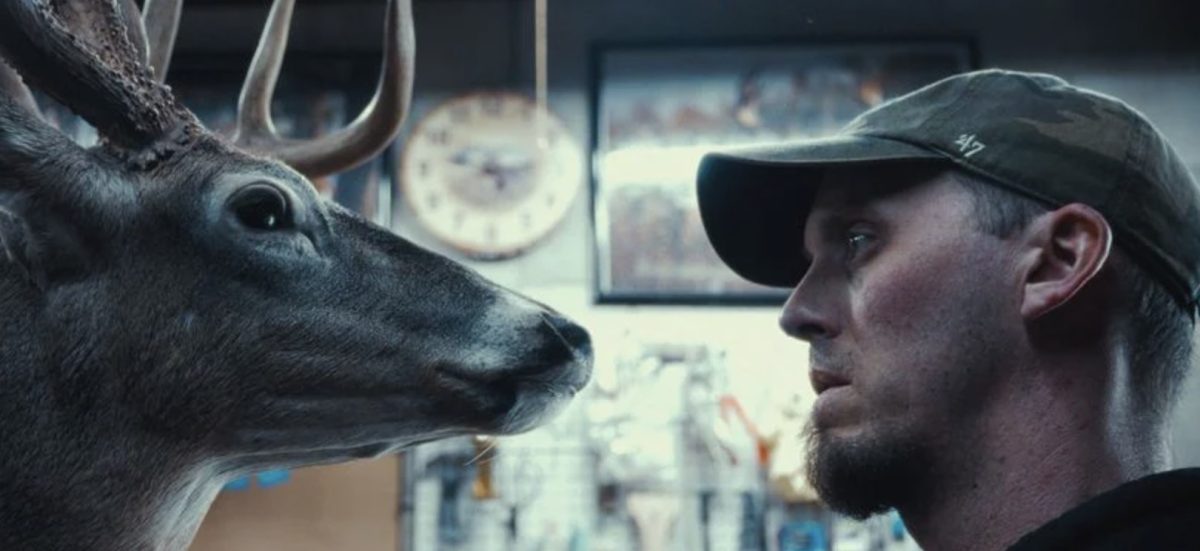
These gentle, meditative chapters become the highlight of Dixon and Segev’s documentary, offering a closer look at their mental state as they try to survive amid adversity. Even the teenage school drummer, who appears on the film’s poster, conveys a side of resilience that adds to the film’s emotional weight.
While admirable in that regard, the documentary falls considerably short in analyzing the political layers of its core issues, which put the residents into a survival mode. It shows how the contemporary government didn’t help them when they needed it the most. While his administration failed them, the others who showed up resorted to performative gestures. The film hints at the shallowness of those gestures through a quote from a democratic party member. Yet, it never expands on that line of thought.
It only shows how doing even the bare minimum made a difference over doing nothing, leading people to support the charismatic republican party member and to consider him their messiah. Yet, the change in governance doesn’t seem to have made a ton of difference either. Instead, the environmental and economic crisis affecting this community would have gotten worse, considering their corporate interests. The working class that voted for that administration would still be deprived of the benefits they hoped for, while riding on the waves of a race war, mistaking it for a class war.
That doesn’t necessarily mean the prior administration is devoid of flaws. Yet, the film doesn’t take any actual steps in analyzing those flaws in the Democratic party’s ecosystem beyond pointing out their refusal to take responsibility. Even if the film didn’t want to choose one side in the country’s bipartisan system, it could have at least addressed the systemic flaws in more detail, especially after introducing the prior administration’s ignorance toward the plight of the locals.
There are also a few odd conjectures that reveal microaggressions toward cultural or ethnic minorities and migrants, but they are left merely as footnotes in the overarching narrative instead of interrogating the said individuals for them. It’s a shame because the film is about a close-knit community, bearing the brunt of governmental inaction together, not only one race.
That’s why, although a mournful portrait that highlights an urgent crisis, the film fails to address the politics in depth and nuance, because, beyond showing the residents’ growing dissatisfaction, it doesn’t dissect how corporate interests played a part in the tragedy that turned their lives upside down.





![Lucky Chan-sil [2020] Review: A movie producer in an existential fix](https://www.highonfilms.com/wp-content/uploads/2020/09/Lucky-Chan-sil-Movie-Review-highonfilms-3-768x512.jpg)
