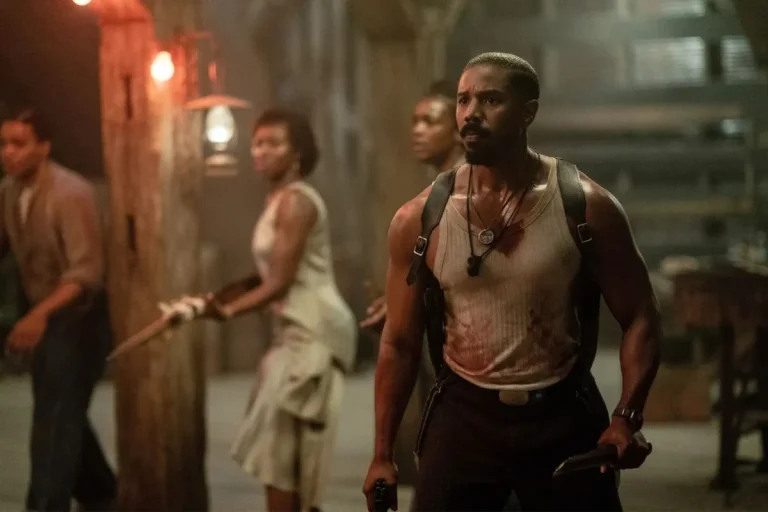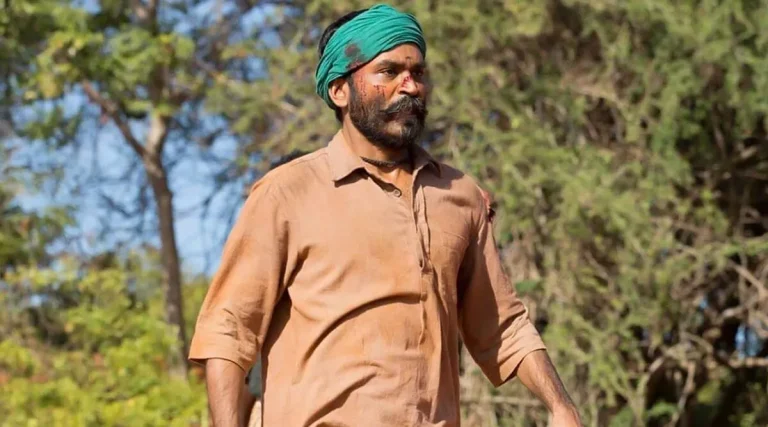
After a good start to the year, 2025 was quite the same as 2023 for Hindi movies. Violence, jingoism, and propaganda ruled the top players of the year with the only surprise coming in the way of “Saiyaara“ – an old-school Bollywood romance that somehow managed to turn the tide away from the countless movies that twisted history, made angry violent men as savirors, and censored and battered any film that tried to show a spine in front of the current government.
Aditya Dhar’s “Dhurandhar” and Laxman Utekar’s “Chaava” were two films that destroyed the box office with the sheer will of going with the tide of communal disharmony. These tailor-made gaslighters, especially “Dhurandhar,” were successful in subtly pouring the vitriol of their messaging under the guise of well-crafted storytelling. Seeing these two films getting the maximum eyeballs and shifting the focus away from how bad things are in the country, to how a certain section of society is the only villain, made them dangerous, vile, and aggressively against what art should stand for.
That said, there were still a few movies that somehow managed to stay true to what they had to say. Biggest surprise of the year (although not so-surprising that it was short-lived) came from Dharma Production – the studio only known for producing the big-budget glossers. Two of their films at least tried to showcase and portray characters barely seen on the screen – that too with grace and care. I mean, this has to be the biggest win in Hindi cinema of 2025.
Apart from that, 2025 was a dreary year for Hindi movies, with only a bunch of them really staying with you long after the film was over. Mainstream Bollywood movies of 2026 disappointed again, with only “Saiyaara” and “Metro…in Dino” serving some genuine nostalgia for a better time at the movies. While they were not able to rise above their own flawed arcs and limitations, it was nice seeing that the old spark is alive somewhere as our cinema moves towards an aggressively jingoistic and machoistic end.
Anyway, before we get into the list of the best movies of 2025, there are three movies (actually four!) that I’d like to mention under Honorable Mentions. These are movies that would have made it to the final list but barely missed it for some reason. The first of them is Karan Kandhari’s “Sister Midnight,” a wild predicament where a young housewife discovers that the job bestowed upon her is one that comes with surges of violent urges that steam out of boredom. Second, Boman Irani’s debut film “The Mehta Boys,” which is about a father-son duo who refuse to speak about the chaos that brews inside them and the dysfunctionality that they do not acknowledge. And last, Anurag Kashyap’s unfortunate “Nishaanchi,” a two-parter that was a deliberate antithesis of what “Gangs of Wasseypur” did. However, it did not get there because of the obsession to divert and then revert.
10. Mrs.

It’s hard to adapt a beloved home-grown film that almost played out like a horror movie in front of the movie-watching audience by just placing the camera atop of a dinning-table where men are eating their food without a single care of how it got there, what went behind the making it, or what burden they are putting on their counterparts by being oblivious to the basic decency of being human. Jeo Baby’s “The Great Indian Kitchen” felt like a singular film, but also one that needs to be told in as many languages, setting and households as it can be.
Arati Kadav’s “Mrs.” is not able to replicate the horrors of the original in as many ways as Baby did, but this Hindi adaptation does many things right. For instance, it fixes one of the major issues of the abruptness of the dance sequence in the original film. It also adds a dash of progressiveness to the traditionalist and patriarchal family that its protagonist finds herself in, making the struggle much more universal and urgent. It also helps that Sanya Malhotra is so endearing in her version of the woman trapped in the corroded systems designed by men that her eventual rage against them feels like a genuine win.
9. Dhadak 2
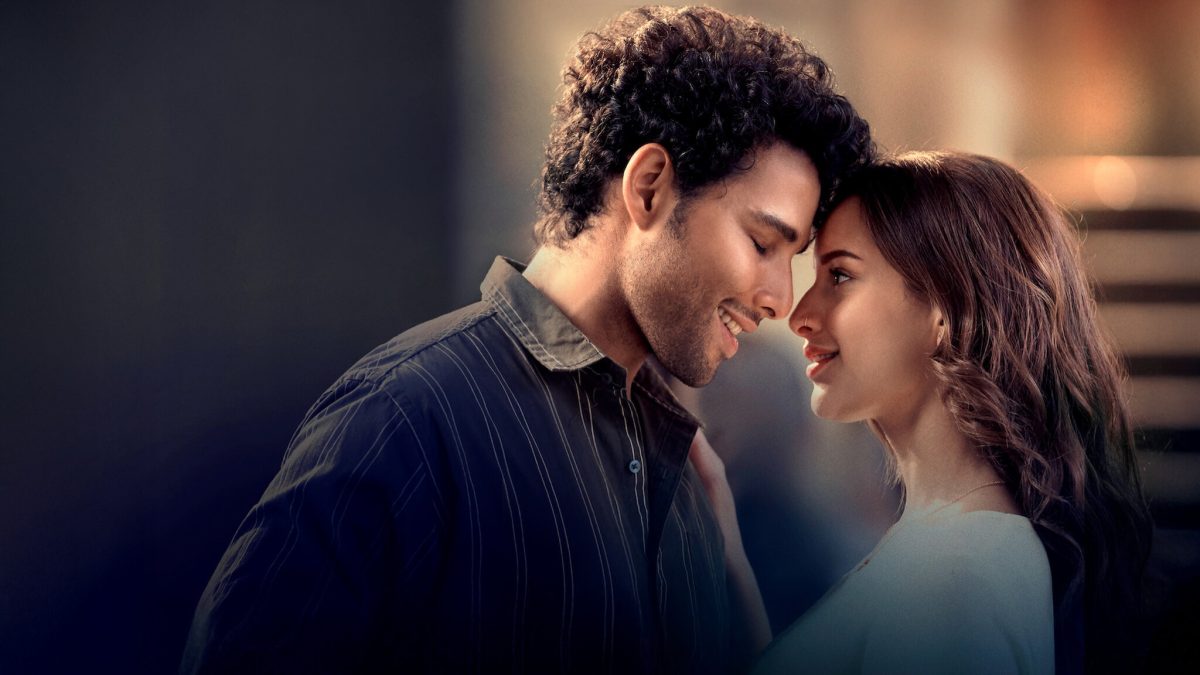
Another adaptation on the list is Sazia Iqbal’s “Dhadak 2.” Based on Mari Selvaraj’s “Pariyerum Perumal,” and with the obvious brown-washing issues aside, Iqbal’s version was quite clear in carefully placing its cast-based discrimination, violence, and erasure of identity on the forefront. Unlike the debacle that was “Dhadak,” Iqbal always kept a clear eye for showing us the echos of living in a society that sees people with a lens that puts them down just because they are born in situations that aren’t aligned with their own idea of equality.
In a country where we are still brainwashed into believing that the marginalized would take over, a film like “Dhadak 2” is eager to tell an honest tale of how we are blindsided by a system that is not just unjust but also aggressively designed to keep the less fortunate from getting even the most basic things like education, just because it feels like a threat to our own previleged states of existence. Off-screen appearances aside, Siddhant Chaturvedi was genuinely moving in his rendition of a Dalit boy who does not want to let go of his innocence, or let his caste identity define him, only to be disappointed constantly by the society that refuses to grow up.
Related to the Best Hindi Movies of 2025 – The 25 Best Indian Movies of 2025
8. Jugnuma: The Fable
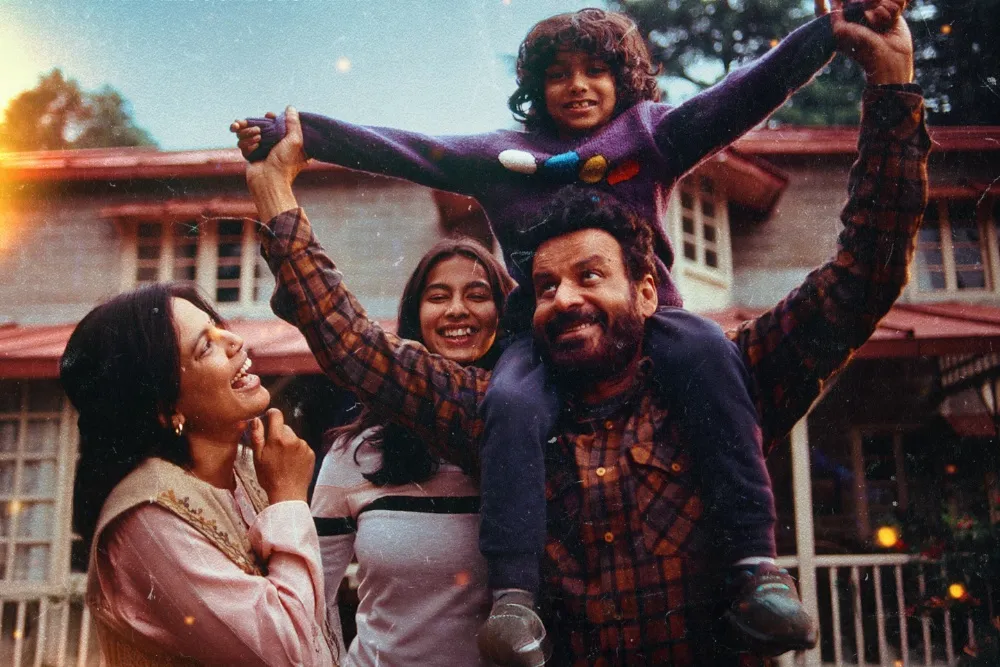
Ram Reddy’s “Jugnuma: The Fable” feels unfathomable at times. It mashes nostalgia with truth, exploitation with mythology leanings, curiosity with fleeting answers, and experiences with some form of learning. As a film, it never spells out the reason for its existence – except telling us that each line of history, each step against something, and each privileged person in all of life itself is somehow disturbing the naturalistic balance of how things should be.
So, in a way, Reddy’s film is trying to find an answer it is never supposed to get. The slow-burn is so attuned with the magic realism it offers that the fire at the centre of this story within stories only serves to one end – we are all oblivious to what’s in store for us, and the only way out is to not be attached to things that do not belong to us in the first place. Shot on gorgeous 16 mm film, the dream-like texture of the film allows you to be immersed in this tale no matter how elusive it gets.
7. Humans in the Loop
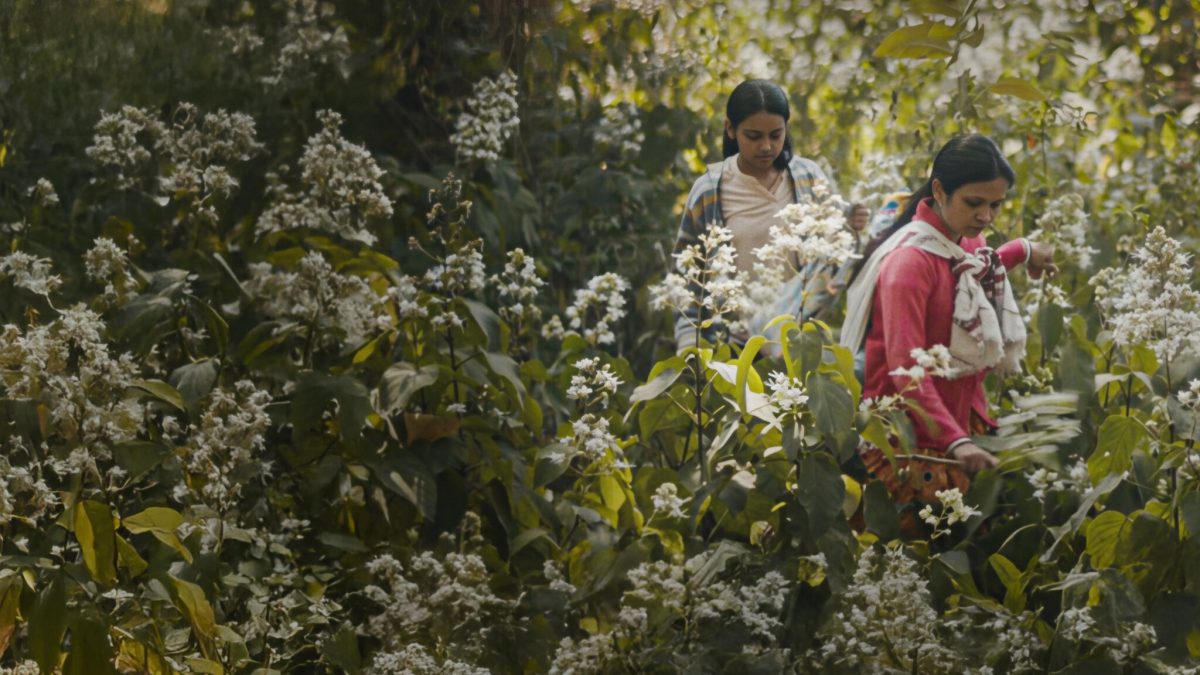
Aranya Sahay’s “Humans in the Loop” almost gets the relationship between humans and technology (more specifically, AI) right. Almost because if one of them does not feed the other the ideas, facts, and information right, there’s a grave chance that both of them will only get better to a specific point – after which it would transcend into an endless cycle of doing and redoing the process over-and-over-again.
So, consequently, the themes that this ambitious film explores are ripe with fascinating ways in which it can draw parallels between an Adivasi woman who has a estranged relationship with her child, her identity within the context of the system that exploits her, and the reasons why she would want AI to be treated as a child – not to improve it, but to help it coexist. And while Sahay is unable to cojoin these seemingly intermingling threads together, it is the idea of a meditative look that matters at this point, and I am okay with someone putting them out like this.
Related to the Best Hindi Movies of 2025 – Humans in the Loop (2024) Movie Review: Introspecting the Narrative of Social Learning
6. Raat Akeli Hai: The Bansal Murders
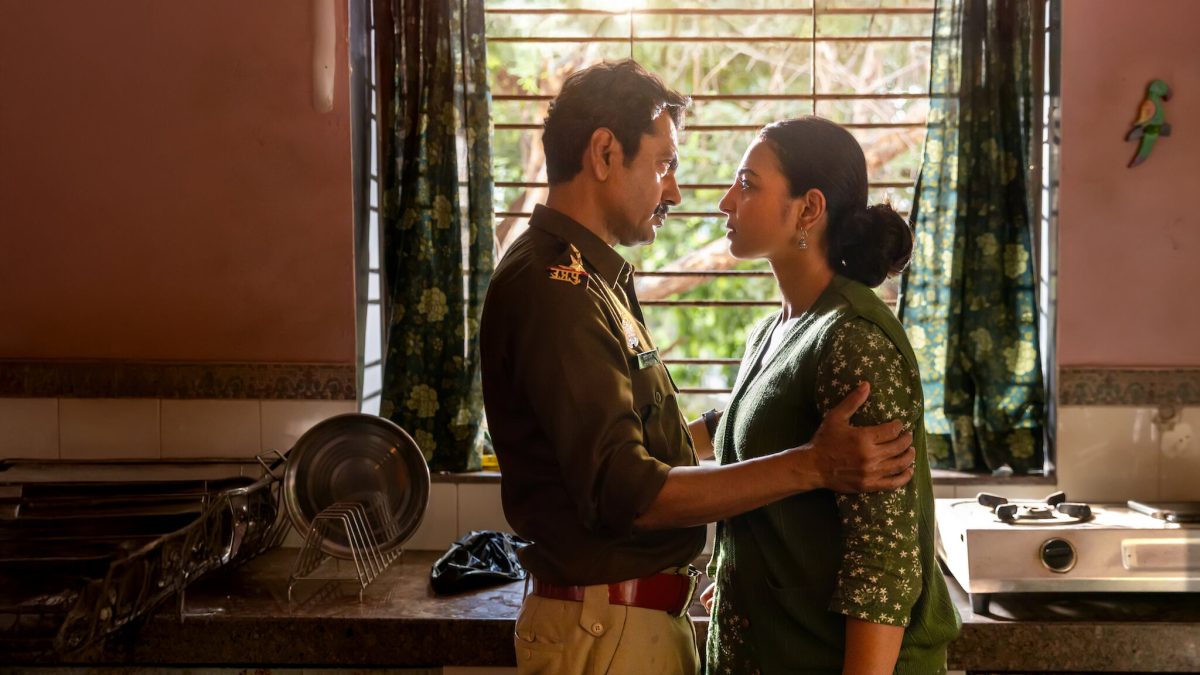
Alright, if you are fuming by the placement of this sequel this high up, hear me out. I am someone who did not enjoy the first film in what was sold as Honey Tehran’s version of “Knives Out” in 2020. The seeming intermingling of a whodunit with an over-the-top hero at its centre did not play out well for me, personally. However, “Raat Akeli Hai: The Bansal Murders,” which gradually and smartly unravels, not just its whodunit’s eventually reveal, but also the themes it would like to explore, won me over.
The sequel places Jatil Yadav (Nawazuddin Siddiqui) at the centre of a mysterious mass-murder, where an entire family of rich socialists are massacred after a fair warning a day before. Unlike the prequel, “The Bansal Murders” does not stray far away from the central case and is always clear-eyed in introducing its eventual takedown of the privileged, the godly figures, the police, and the media without being preachy.
5. Superboys of Malegaon
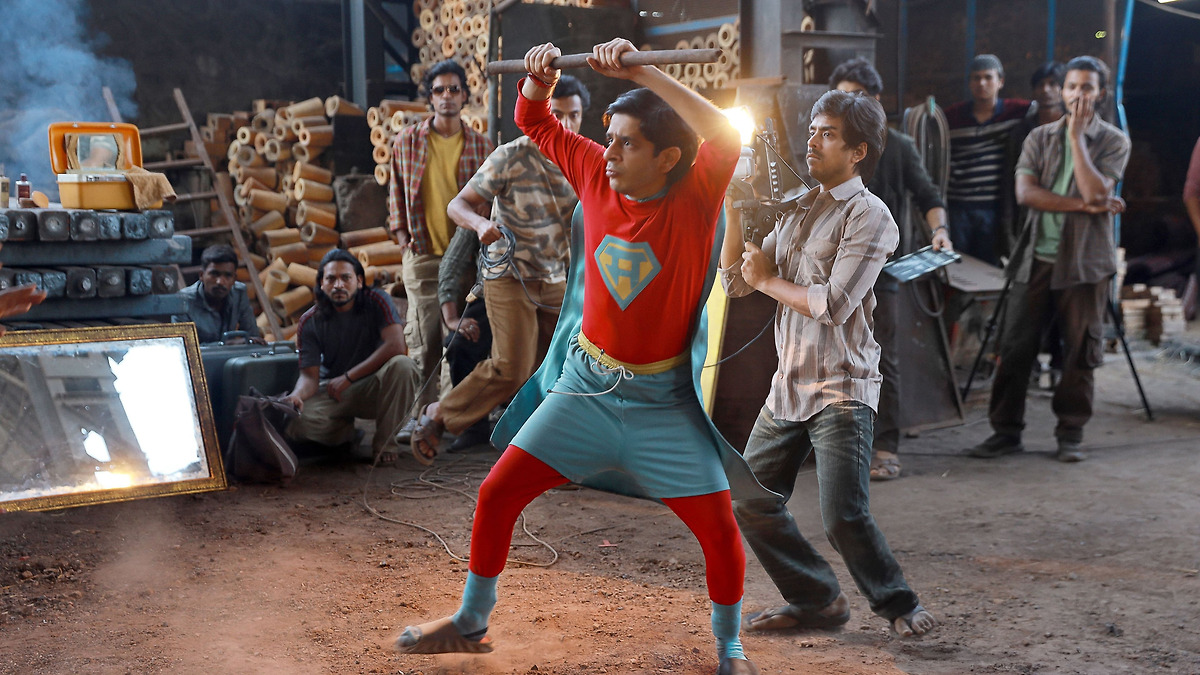
Building and expanding on the facts and fiction of Faiza Ahmad Khan’s 2012 documentary “Supermen of Malegaon,” Reema Kagati’s “Superboys of Malegaon” is like visiting the corner of one’s early cinephilia where only the celluloid and those friends who enjoyed it as much as you did matter. While Kagati distills the essence of this euphoria by using Khan’s documentary as a blueprint and some over-the-top Bollywood-isms to the rescue, she is able to give her film a challenging conflict that does not rely on manufactured details.
The result is a wondrous ode to the power of cinema. Cinema that transcends barriers of jealousy, structure, and what cinema should or shouldn’t be like. The film works because it’s not just about a bunch of young men deciding to develop a homegrown movie for the place they belong to – a huge shoutout to indie cinema, but it also comments and criticizes the idea of stuffing money into the idea of artistry, eventually leading to creative downfall. In a way, the film, with its poor box office performance and minimal footfalls, also becomes instantly ironic and, dare I say, a meta representation of how art is perceived in a country whose idea of entertainment is soiled and shaken every few years.
Related to the Best Hindi Movies of 2025 – Superboys Of Malegaon (2025): Faiza Ahmad Khan & Nasir Shaikh’s Cinephilic Legacy Finds Home In Bollywood & Beyond
4. Stolen
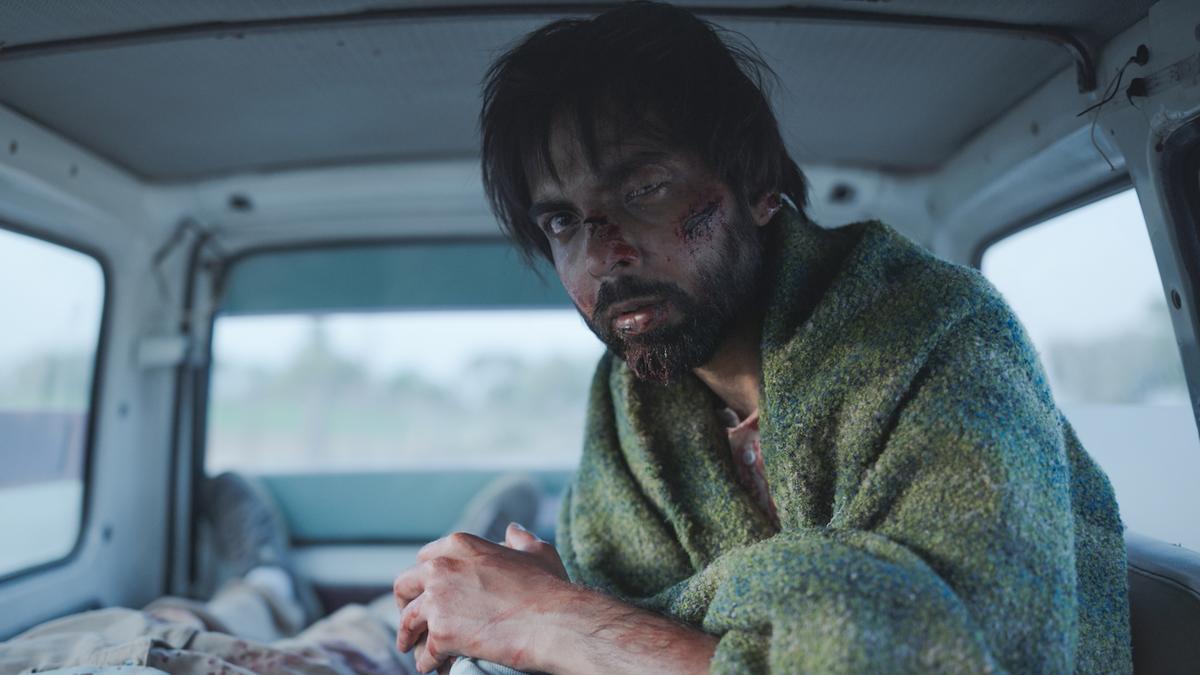
Karan Tejpal’s “Stolen” turns into a scary, anxiety-inducing chase film when the two brothers at the centre of the tale find themselves embroiled in a stolen child case, without having anything to do with it. On the surface, this feels like a simple thriller that will throw one strange curveball after another, but surprisingly, Tejpal opts for a narrative that does abide by genre conventions while also offering thematically heady material to take home.
In a way, the film, which is clearly about class, at once also wants the viewers to acknowledge that their ability and inability as saviours or helpers only change if they either relate to the dire circumstances of those in need, or they feel a resounding amount of guilt when their own privilege is momentarily snatched away from them. By bringing in unchecked mob mentality into the mix, the film amps up its political stance and becomes instantly memorable despite the trapping of being a thriller that’s there to entertain.
3. Ghich Pich
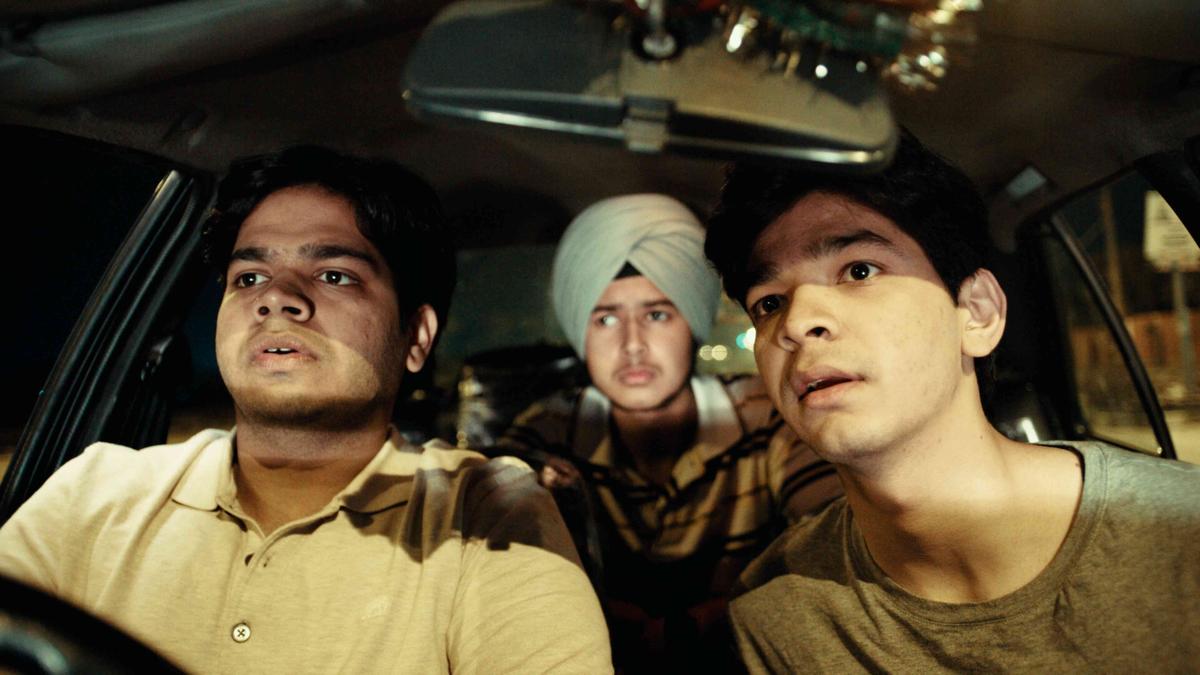
Ankur Singla’s “Ghich Pich,” which loosely translates to a slight push-and-pull, is actually about the small adjustments that the members of a middle-class family (especially the younger generation) have to make to keep the massive egos of everyone at bay. If something topples out of control or moves away from the conventions, the entire family unit will fall off and limp to an eventual finish before it is rescued by some form of luck or epiphany.
Singla’s film, that tackles three set of father-son duos – each with their own versions of personal dynamics with each other, is aware that this push-and-pull is some form of conflict in itself – conflict that doesn’t just define the dysfunctionality that resides in them, but also something that designs the way both the sons and the fathers will grow in accordance with the world and each other. The result is a nostalgia-drenched dramedy that is so sincere that it’s hard not to relate to its honesty.
Related to the Best Hindi Movies of 2025 – Ghich Pich (2025) Movie Review: A nostalgia-dipped slice-of-life dramadey about the push-and-pull for small adjustments in life
2. The Great Shamsuddin Family
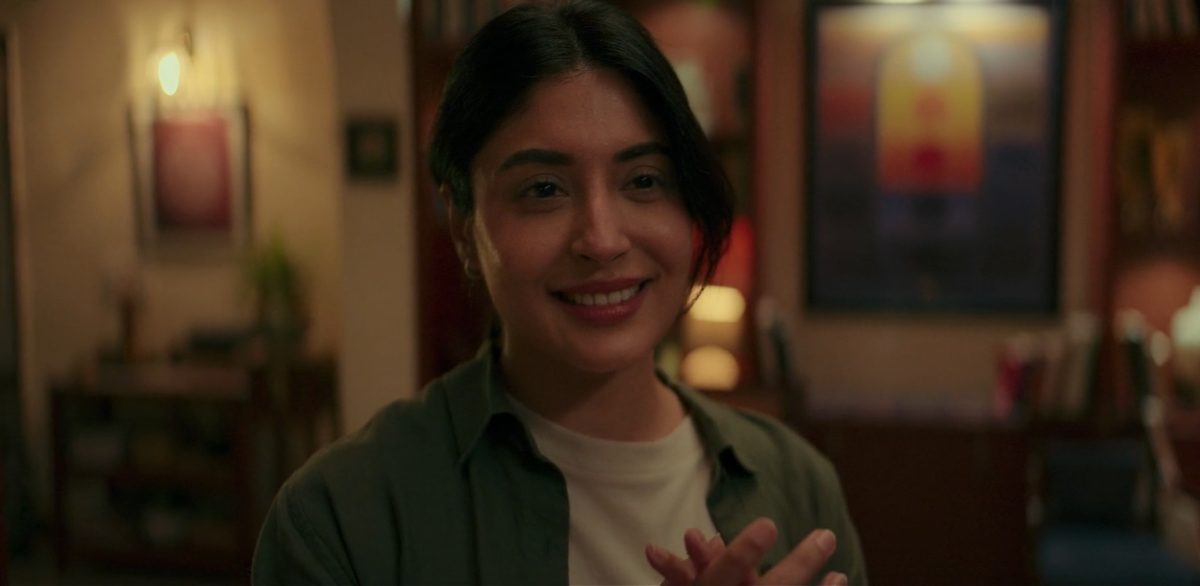
The perfectly cast comeback of Peepli Live-fame filmmaker Anusha Rizvi is a comedy of errors. Set entirely within Bani’s (Kritika Kamra) Delhi apartment, the film unfolds on an important day in her life. Yet, as waves of Muslim women from two generations—and a few well-meaning men—pour into the space, Bani begins to feel less like the owner and more like a guest in her own home. The film captures the familiar, layered anxiety that often accompanies family gatherings, along with all the emotional baggage they bring. A strict deadline, a bag of cash, a runaway bride and groom, and other events add up to the mess, and although Rizvi is very sincere and subtle in her political stance, the invisible anxieties of belonging to a certain religion and living in a country like India just happen to tag along.
What we have thus, is a generational comedy that doesn’t just marry their differences together, it also allows us to see what it is like to be the spine of a unit that would just plummet to the ground or get stuck to the bed forever if it wasn’t for that one person holding the weight of everyone’s egos, everyone’s insecurities, and everyone’s cumulative anxiety, whilst also having to fumble with the idea of a escape to a world unknown. The world of the film feels lived in, relatable, and funny, and you remember these faces, their characters, and all their conflicts. Achieving that is a feat for which Rizvi deserves all the praise.
1. Homebound
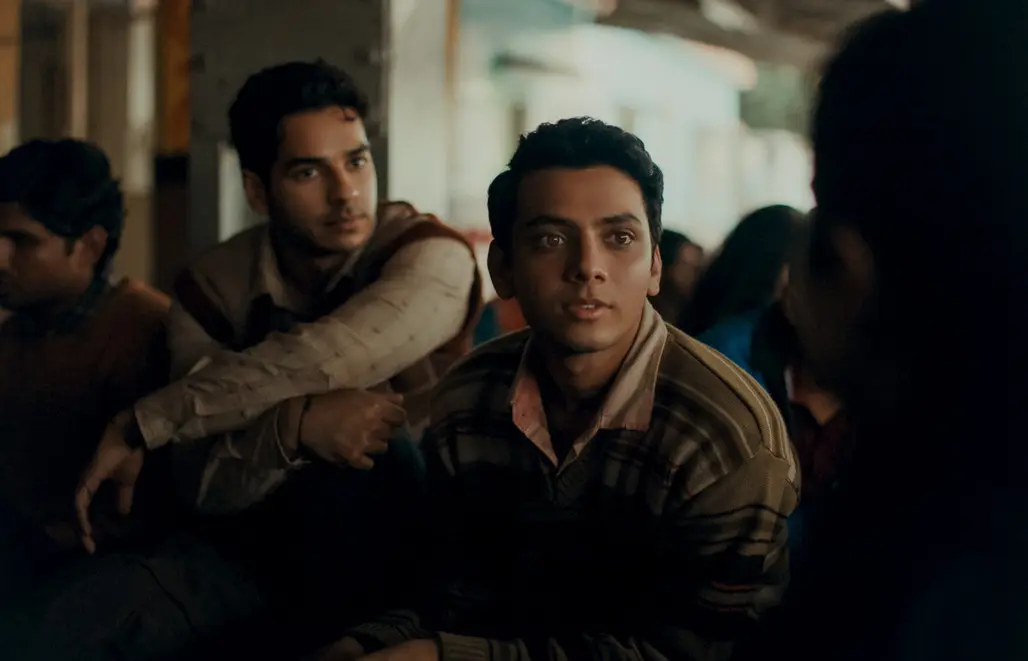
Neeraj Ghaywani’s “Homebound” may feel a little doctored and curated if you compare it with his debut film – the astonishing “Masaan,” but there’s no second thought that it will move you, no matter where you come from and what your stand is on the constant othersisation of a section of people in a country that now stands united only on paper. Despite our Constitution explicitly declaring that each individual is the same, systemic oppression in the name of religion and caste has persisted since the nation’s founding.
The film, which charts the life of a Muslim boy and his dalit best friend where the rays of hope are often outsmothered by a constant sense of darkness that falls upon them – not because they did not try their best to make their life’s better, but because they were born under a roof that would never allow them to win the big fight in life – is always just wishing to present a reality with honesty. Sure, there are touches of theatricality and melodrama thrown in for good measure, but the way in which Ghaywani is able to tell a moving story without resorting to some form of lie unlike many other contemporaries, makes his effort well worth noticing.