William David Caballero’s “TheyDream” (2026) shows him using documentary as a means to process the pain and the unspoken burdens his family endured throughout their lives. He isn’t the first filmmaker to turn the lens inward to understand their family’s roots and to reflect upon their complicated history.
Martin Scorsese has done that with “Italianamerican,” Sarah Polley with “Stories We Tell,” and Archana Phadke with “About Love,” among many others. Scorsese and Phadake’s films also shed light on the cultural aspects of their upbringing, with Scorsese taking us through the lives of Italian Americans in New York and Phadake offering insights into a middle-class Marathi family living in Mumbai.
Caballero does something similar with his project, as he recounts his past as a child in a Puerto Rican family growing up in North Carolina, offering a window into their culturally specific insights. He imbues his film with an undeniable tenderness and warmth, which becomes the film’s core highlight. Yet, his approach differs from his predecessors since he uses 3D and 2D animation along with recorded footage from the past and present of his family’s life.
It leads us on an innately quirky journey filled with boundless whimsy, which feels quite similar to the Schriver brothers’ “Endless Cookie.” The Canadian filmmaking duo also used 2D animation in a unique style that beautifully captured the essence of their family members. Caballero uses animation partially for a similar effect.
The director recreates select moments from his past in an attempt to find a better footing in his present. Here, the act of recreation allows him and his mother, Milly, to heal from their emotional wounds while stepping into the shoes of the rest of their family, which leads them to moments of reflection and reconciliation beyond known realms.
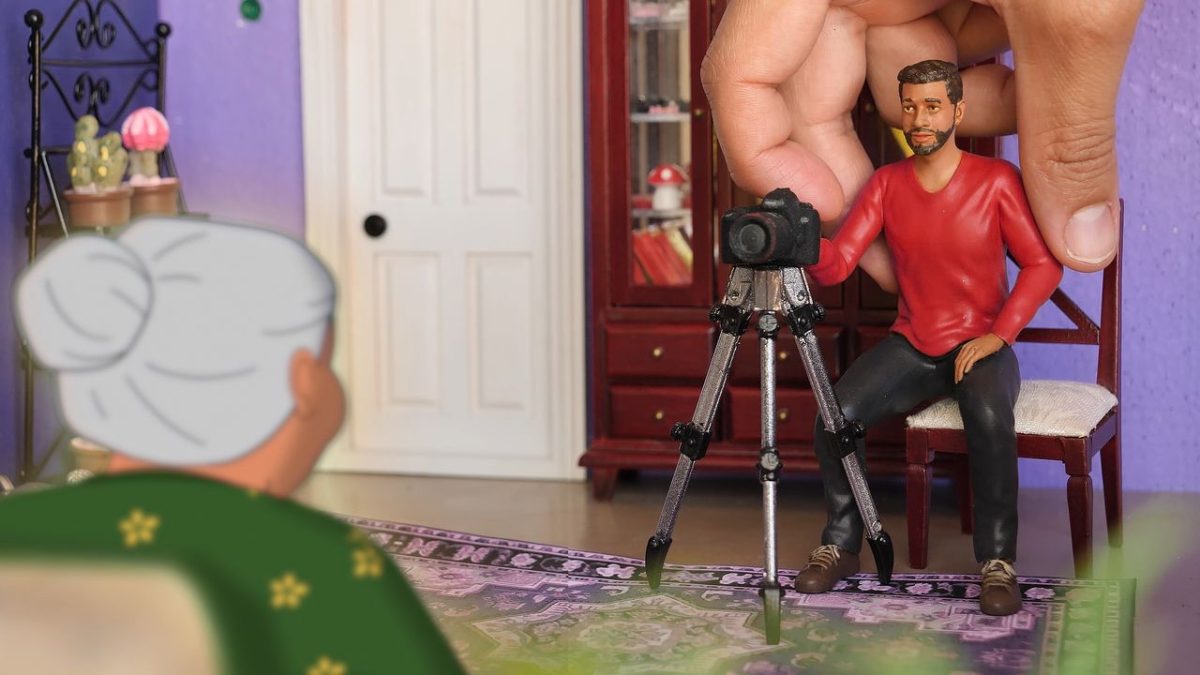
These meta-fiction flourishes also appear through several behind-the-scenes moments, some of which show him modelling as his father, while a few others show his mother acting as his grandmother. In those moments, we see him carefully working on his look while trying to capture his father’s struggles post his diabetes diagnosis as authentically as possible.
These meta-fictional moments add to the overall magic of this dewy-eyed retrospective, as we see Caballero and his mother gradually reaching a better understanding of their family’s individual perspectives. You can see how therapeutic the process must have been for both after experiencing intense, tragic loss in recent years. Through interviews with his mother, he sheds light on their complicated relationship with everyone they lost and the emotional residue of their memories.
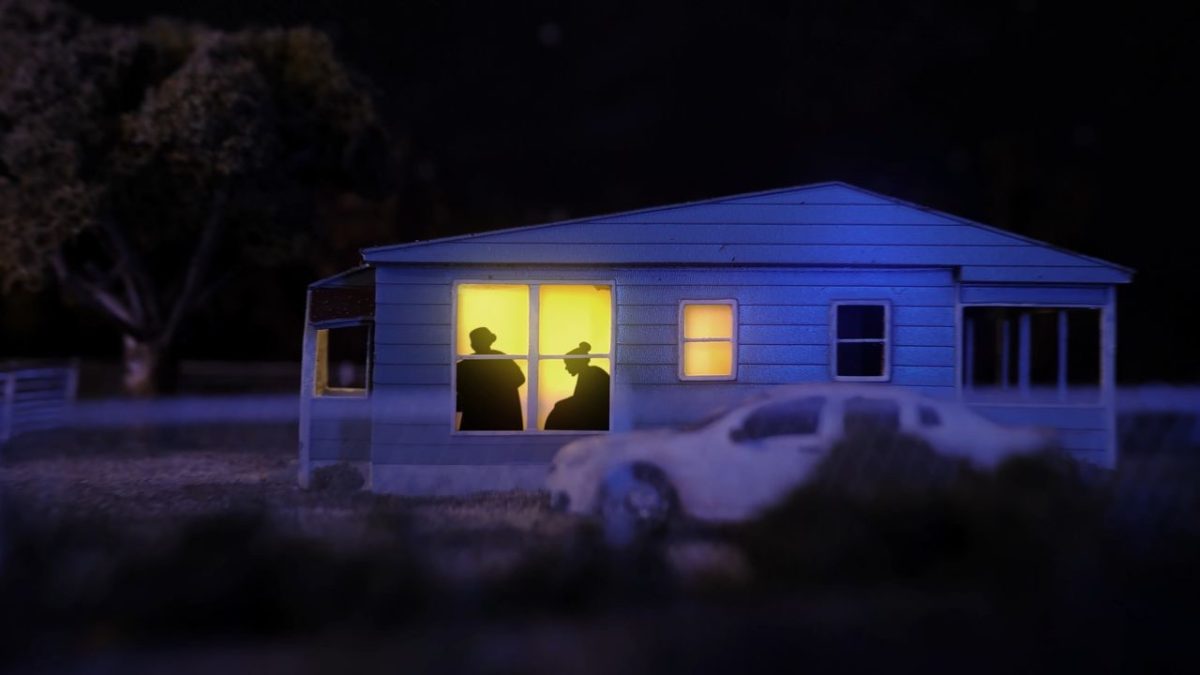
We meet them through these recollections, roughly from the time the director was born and then grew up in a mobile home in Fayetteville. Caballero pairs some recorded clips from his childhood with his and his mother’s thoughts about those times. Some of them are tinged with a nostalgic sheen, while others are painful to recall.
Also Check: 35 Must-See Movies at the Sundance Film Festival 2026
Caballero roughly divides into chapters, where he makes a clever decision to introduce only the parts that are directly relevant to that specific chapter. While it may seem like an inconsequential choice, it ultimately affects our experience of the ups and downs in their journey positively, making the overwhelming nature of those emotions be conveyed in morsels instead of burdening us with it all at once in a linear fashion. It also helps avoid incoherence, which could have happened with his potentially disorienting narrative style.
Moreover, the 2D animation allows him to convey some emotions that live footage may never be able to. There’s one animated scene where we see his mother walking out of his grandmother’s house after a painful exchange, dismayed, unable to shake off her negative emotions, only to be sucked into the abyss, which Callabero shows through the background gradually fading to pitch-black. It’s a remarkably emotive moment, if not exactly inventive in its expression.
Animation also helps him present some challenging conversations he had related to race and sexuality, and the connecting thread of acceptance over prejudice. In one scene, he uses multiple screens within a screen, which conveys the emotional rift between him and his family during a particularly delicate interaction.
Toward the end of that scene, one of those screens starts fading into a grainy haze and then finally merges into real life, where the director is left with the pressure of his unhealed trauma. Through similarly surreal moments throughout the film, he effectively captures the depressing weight of complicated parent-child relationships, where mutual acceptance doesn’t always come easy.
While noble in its intent, Caballero’s film risks running into the trouble that directors with quirky style often do. Wes Anderson’s films receive similarly contrasting reactions, where some viewers can’t have enough of his idiosyncratic approach, while others are averse to their overbearingly candy-flossed nature. Caballero’s doc shows similarly sweet quirkiness, backed by a sentimental narration and a woeful score. While some moments made me emotional through their visceral nature, others felt like they were trying to tug at my heartstrings.
Furthermore, the transition between different styles of animation, some of which include real-life figures, doesn’t always coalesce as it may have been intended to. That being said, “TheyDream” shines because of its potent emotional core about characters quietly finding strength by shedding their usual pretenses and being truly vulnerable with each other.





![October [2018]: The Blooming Uncertainties of Selfless Love](https://www.highonfilms.com/wp-content/uploads/2018/04/OCTOBER2-768x322.jpg)