Biggest disappointments and unexpected surprises are often part of Tamil cinema, and 2025 is no different. We can’t expect any kind of meaningful cinema from a 300 or 400-crore film headlined by major stars. Even by those lowered standards, star vehicles have consistently failed to offer basic engagement. The bigger star films have largely landed in familiar territory: strictly mediocre (“Retro,” “Kubera,” “Idly Kadai,” “Madharaasi”), outright bad (“Coolie,” “Vidaamuyarchi”), or flat-out abominable (“Thug Life,” “Good Bad Ugly”).
Star-driven Tamil cinema often aims for the sun, but rarely manages to leave the ground. While the discourse endlessly revolved around box-office numbers, opening-day collections, and star power, several smaller films quietly arrived and carved out their own space. Some of them may not have commanded attention this year, but they are likely to age far better than Aamir Khan’s cameo in a Tamil movie, which will probably survive only as meme material.
Once again, 2025 has also been a strong year for directorial debuts. Filmmakers like Karthikeyan Mani (“Madras Matinee”) and Varsha Bharath (“Bad Girl”) announced themselves with confidence and clarity. The new voices feel like a genuine boon for Tamil cinema, even if one hopes they establish their own cinematic identities quickly instead of being pulled into the orbit of major stars, where originality often gives way to zero-impact vehicles.
Before getting into the list, it’s worth acknowledging a few films that didn’t make the cut. A.R. Raghavendran’s “Mayakoothu” had compelling ideas about stories and their creators, though those ideas never quite cohered into satisfying cinema. Tamil Dhayalan’s “Gevi” pairs gorgeous cinematography with a potent social milieu, but its prolonged showcase of cruelty and suffering ultimately leaves the viewer emotionally numb. Ilango Ram’s “Perusu” worked with a potent adult-comedy premise, but it didn’t fully rise to the occasion (pun intended!).
Honorable Mentions:
Bottle Radha
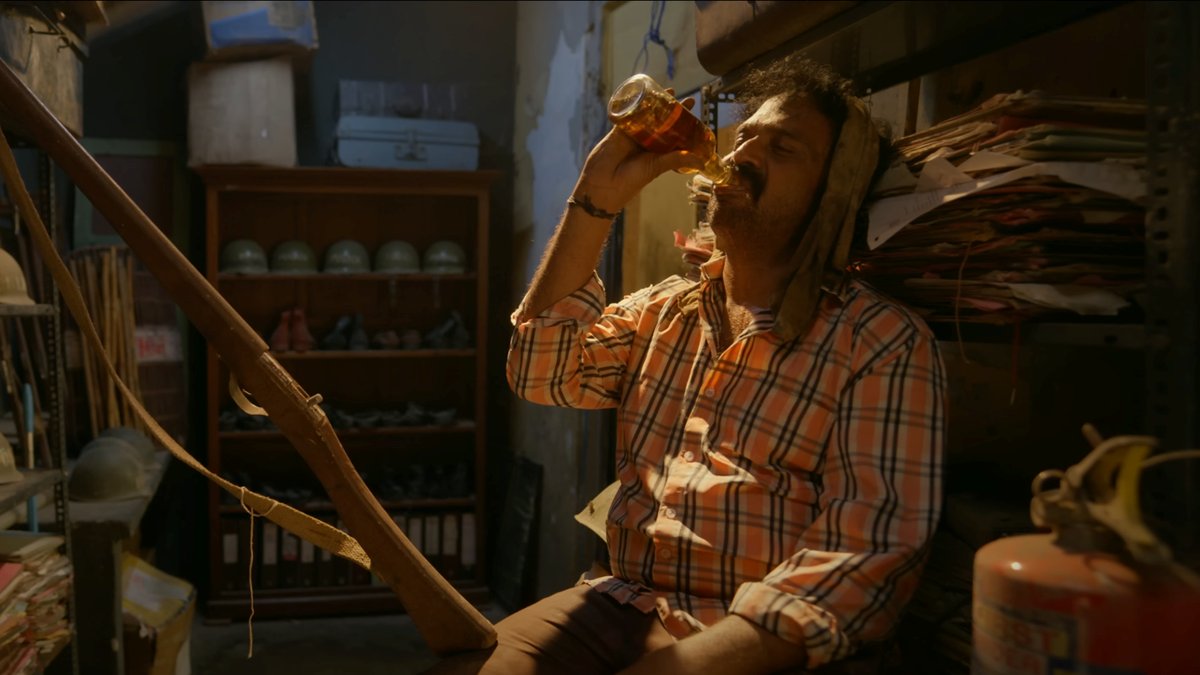
Neelam Productions has consistently backed debutant filmmakers and championed new narrative premises. Yet many of its films tend to flatten their own ambitions, either by prioritizing ideological messaging over lived complexity or by leaning into commercial embellishments that blunt their emotional edge. Dhinakaran Sivalingam’s Bottle Radha falls into the latter pattern.
The film traces the steady collapse of Radha Mani (Somasundaram), a middle-aged alcoholic whose addiction devastates his wife Anjalam (Sanchana) and their two children. When Radha is forcibly admitted to a rehabilitation centre, he remains incapable of grasping the damage he has inflicted, attempting repeatedly to escape and retreat into the false solace of drink.
Alcohol addiction carries political, social, and deeply personal dimensions, especially in a state where liquor is aggressively accessible and disproportionately harms marginalized families. Bottle Radha deserves credit for treating addiction as a disease rather than a moral lapse. At its best, the film confronts the brutal, unglamorous obstacles that stand in the way of recovery.
However, across its 140-minute runtime, this sincerity is frequently undercut by tonal indecision. Broad comedy and overstated dramatic beats intrude upon moments that demand stillness, preventing the film from evolving into a sustained character study. Rather than opening a window into Radha’s interior life, these detours blunt the drama’s cumulative impact.
Somasundaram delivers a committed performance, yet genuine empathy for his character emerges only in the final act. By this point, the film has spent too long circling his excesses rather than probing their roots. Sanchana, despite limited screen time, leaves a strong impression as a woman emotionally eroded by repetition and neglect. The film’s reluctance to dwell on her perspective feels like a missed opportunity—one that might have grounded its social concerns in something more intimate, and ultimately, more affecting.
Kaantha

Lensed by Spanish cinematographer Dani Sanchez-Lopez, the teaser and trailer of Kaantha establish a striking film noir mood, generating considerable curiosity among cinephiles. Set in the studio era of 1950s Madras, the film was initially assumed to dramatize the infamous murder of journalist Lakshmikanthan, a case that ensnared superstar M.K. Thyagaraja Bhagavathar and irreparably damaged his career despite his eventual acquittal. Selvamani Selvaraj’s Kaantha is not about MKT, though it draws loosely from the artistic rivalries, power shifts, and personal frictions that defined that period.
Visually, the film delivers on its promise. Narratively, however, structurally slack writing and uneven tonal control prevent it from cohering into something more substantial. Dulquer Salmaan plays Mahadevan, a star actor who agrees to revive a stalled project with his former mentor, Ayya (Samuthirakani).
When the film was first conceived, Mahadevan was an emerging talent. Now, armed with an expanded fanbase, he reshapes what was intended as a female-centric horror film around his own stardom. The clash is sharpened by personal history and by the fact that Ayya wrote the script in memory of his mother, lending their conflict an emotional gravity the film only intermittently accesses.
Kaantha remains emotionally legible, yet resists deeper excavation. This appears to be a conscious choice, allowing the film to gesture toward broader ideas—artistic integrity, ambition, and the cost of fame—without embedding them deeply into the characters’ interior lives. Though the central trio—Dulquer, Samuthirakani, and Bhagyashri—deliver accomplished performances, the writing keeps their motivations at a symbolic distance.
This distance proves fatal to the murder-mystery turn in the second half. Without a firm emotional anchor, the investigation unfolds as an intellectual exercise rather than a moral or emotional rupture. While the climax and its accompanying visuals are thematically resonant, the preceding narrative does little to cultivate sustained investment. The introduction of Rana Daggubati’s Poirot- or Benoit Blanc-styled investigator further exacerbates the tonal confusion, drawing attention to the film’s genre ambitions without supplying the emotional groundwork required to support them.
10. Tourist Family
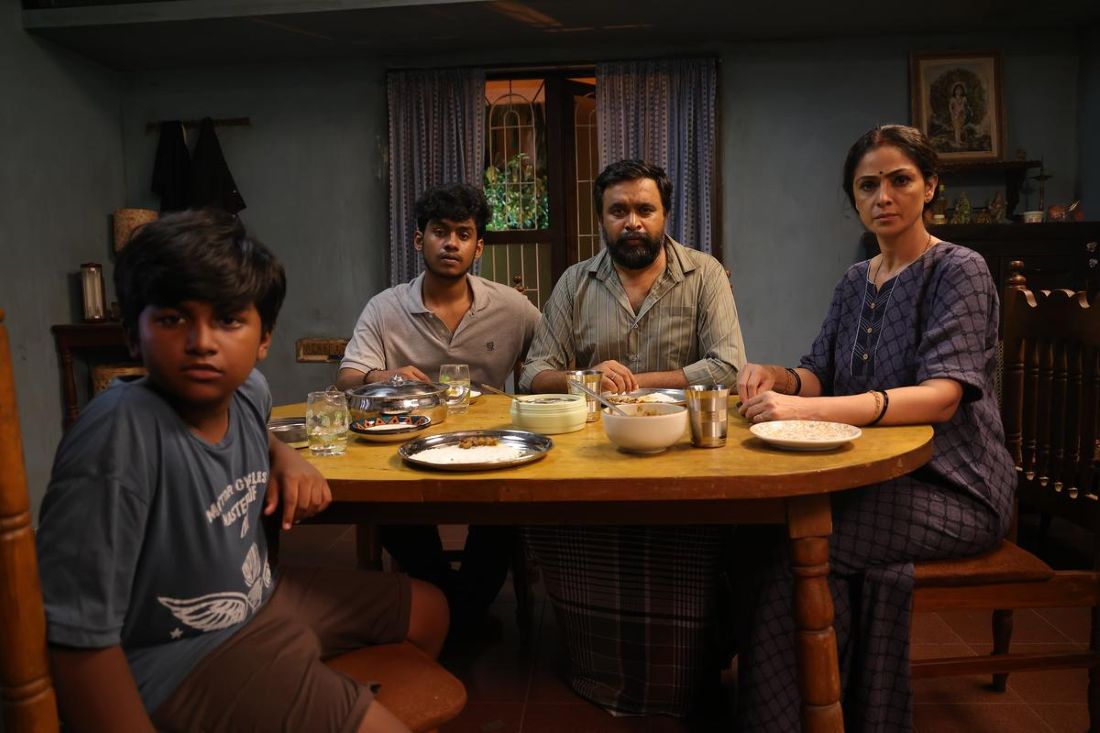
Abishan Jeevinth’s entertaining family drama builds its world around the assumption of inherent goodness in everyday people. Though Sasikumar began his career with grittier roles, over the years, he has come to embody a certain altruistic ideal in Tamil cinema. Casting him here spares the film the narrative labour of establishing its protagonist as a do-gooder.
Even with an uneven Eelam Tamil accent, Sasikumar settles easily into the role of an ordinary family man, supported by lighthearted performances from Simran, Mithun, and Kamalesh. Tourist Family often recalls Vikraman’s Vaanathaippola, where most characters are good, or are gently nudged into goodness over time. This approach works for a while, though the emphasis on reassurance eventually overtakes credibility, pushing the sentiment toward implausibility.
Focusing on kindness is a valid choice, yet the film relies too heavily on melodrama to generate feeling. Emotional beats are frequently signaled through exaggeration rather than allowed to emerge through situation or conflict. The performances keep the film watchable, and the supporting cast is stacked with dependable actors such as Yogalakshmi, M. S. Bhaskar, Elango Kumaravel, and Ramesh Thilak. Even so, the film failed to move me. I say this with some hesitation, having watched it a couple of weeks after losing my beloved mother, a moment when a story rooted in empathy might have landed more deeply.
At best, the film offered a brief distraction, drawing a few chuckles here and there. On a rewatch, those impressions held. The narrative rests on a flimsy core, leaning on familiar middle-class sensibilities and soft humour as a substitute for sustained emotional tension. The surface charm remains intact, yet the lack of dramatic weight limits its impact. Taken on its own terms, Tourist Family can be an agreeable watch, especially if approached as a light diversion rather than a film aiming for emotional resonance.
Related to Best Tamil Movies of 2025: The 20 Best Indian Movies of 2025
9. Veera Dheera Sooran: Part II
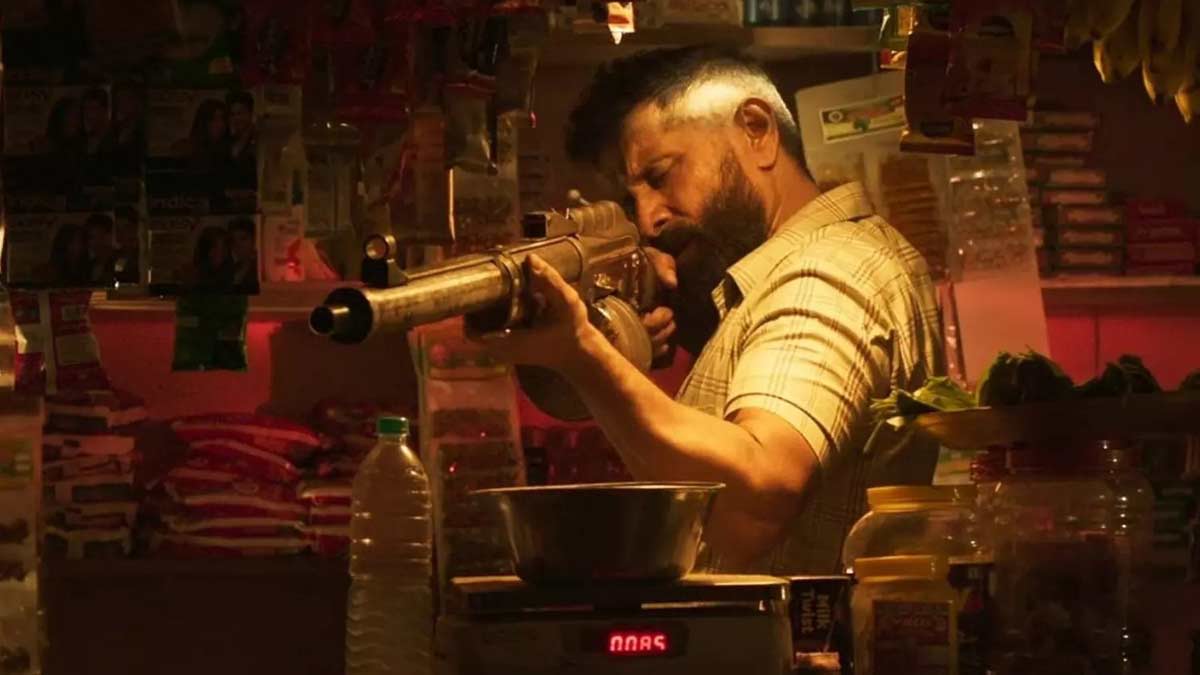
Positioning a film as a sequel without an origin can suggest scale, ambition, and a certain narrative confidence. But when the promise of an earlier chapter remains unresolved, the risk is that vagueness begins to masquerade as ambiguity. The filmmaker may assume that unresolved threads and withheld explanations can always be addressed later, perhaps tied together neatly in a prequel that exists, for now, only as an idea.
In a volatile market like Tamil cinema, however, such an in-media-res ambition—particularly for a gangster drama, however assuredly made—ends up working against the narrative rather than enriching it. The uncertainty around whether that earlier chapter will ever materialise places an unnecessary burden on the present film, asking it to function both as a standalone work and as a placeholder for something absent.
One is also left wondering whether the “Part II” designation was genuinely narrative-driven or simply a marketing gesture meant to signal scale and seriousness. Even George Lucas, often cited as a parallel for beginning a story midstream, had no certainty that Star Wars would receive a sequel while making the first film. The idea of an expansive prequel trilogy emerged only later, once success allowed for retrospective myth-making. Veera Dheera Sooran: Part II carries a solid emotional arc and a clearly defined dramatic situation in the present tense, which makes the film’s backward-facing gestures feel more like scaffolding than necessity.
In narrative terms, withheld information is most effective when it deepens character and sharpens emotional engagement. Gaps in backstory can invite the viewer to lean in, to read behaviour, silences, and moral residue. In this film’s case, despite a flashback in the second half, many elements remain strictly suggestive rather than fully developed, limiting the emotional stakes within the narrative.
This emphasis on structural shortcomings should not be mistaken for a wholesale dismissal. Veera Dheera Sooran is, in many respects, a clever and engaging action thriller, and easily one of Vikram’s stronger outings in recent years. Unlike films such as Mahaan or Thangalaan, it does not undermine his performance with muddled writing or confused thematic intent.
Director S. U. Arun Kumar once again demonstrates his ability to move comfortably between grounded drama and mass-oriented entertainment. One of the film’s strengths lies in how firmly it remains narrative-driven; even its whistle-worthy moments are shaped with character logic in mind rather than empty spectacle.
The filmmaker largely avoids excessive hero-elevation shots and resists the temptation of hollow callback references, with the reused song from Dhool standing out as the lone, unnecessary instance of fan service. Yet, for all its craft and restraint, the film leaves behind a persistent impression that something essential has been held back, tied to the expectation of a chapter that may never arrive.
8. Sirai
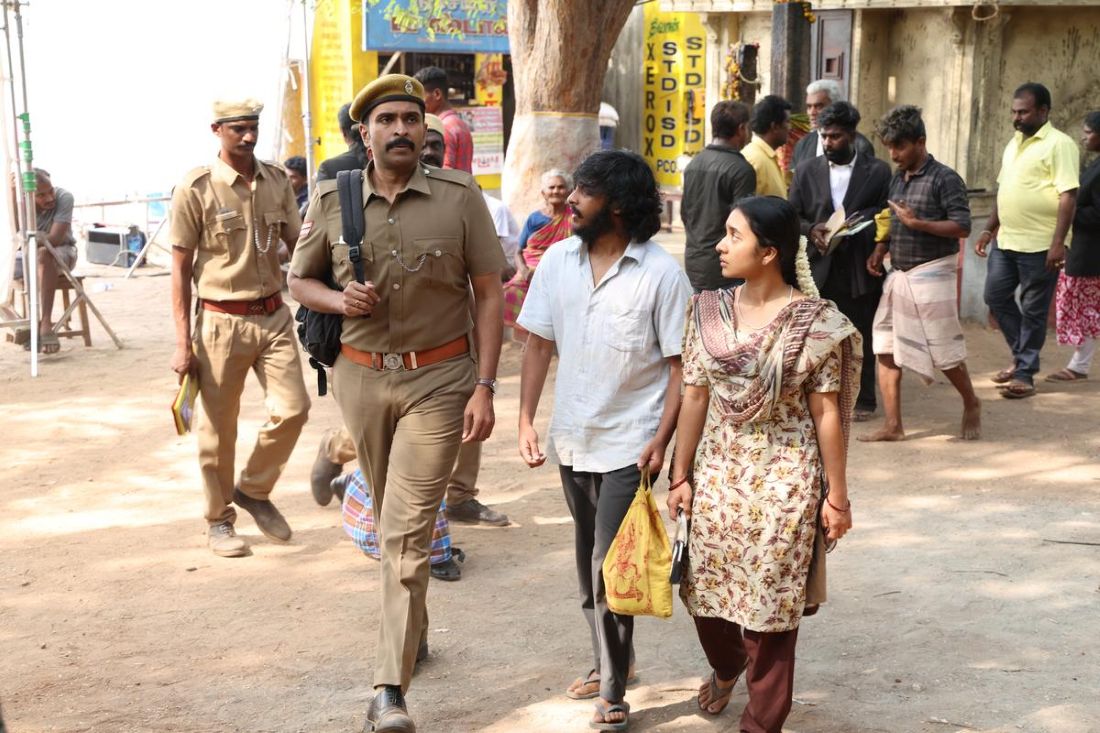
Sirai is a compelling addition to the recent wave of Tamil films interrogating the criminal justice system. Directed by Suresh–Rajakumari and co-written by Tamil, both former assistants to Vetrimaaran, the film adopts the vantage point of lower-ranking police officers, examining how even limited authority can be exercised in the service of the voiceless and disenfranchised. In the vein of Writer and Taanakaaran, it sharply observes the rigid hierarchies embedded within law enforcement and the judiciary, spaces where empathy and justice are routinely sidelined.
Vikram Prabhu continues his run of thoughtful script choices, portraying a constable tasked with escorting an undertrial from prison to court. First-time actor Akshay Kumar plays Abdul Rauf, whose Muslim identity becomes more incriminating than the crime he is accused of committing. While Sirai may recall Prabhu Solomon’s Mynaa, its gaze is more narrowly fixed on systemic rigidity and institutional violence.
The film stumbles at times, particularly in Abdul Rauf’s backstory, which relies on familiar mainstream tropes, populated by underwritten supporting characters and an overbearing background score. Still, the ending and directness of its message largely hold, even if the third act lingers too long in despair. Despite these flaws, Sirai stands as an assured debut with timely sociopolitical urgency.
7. Angammal
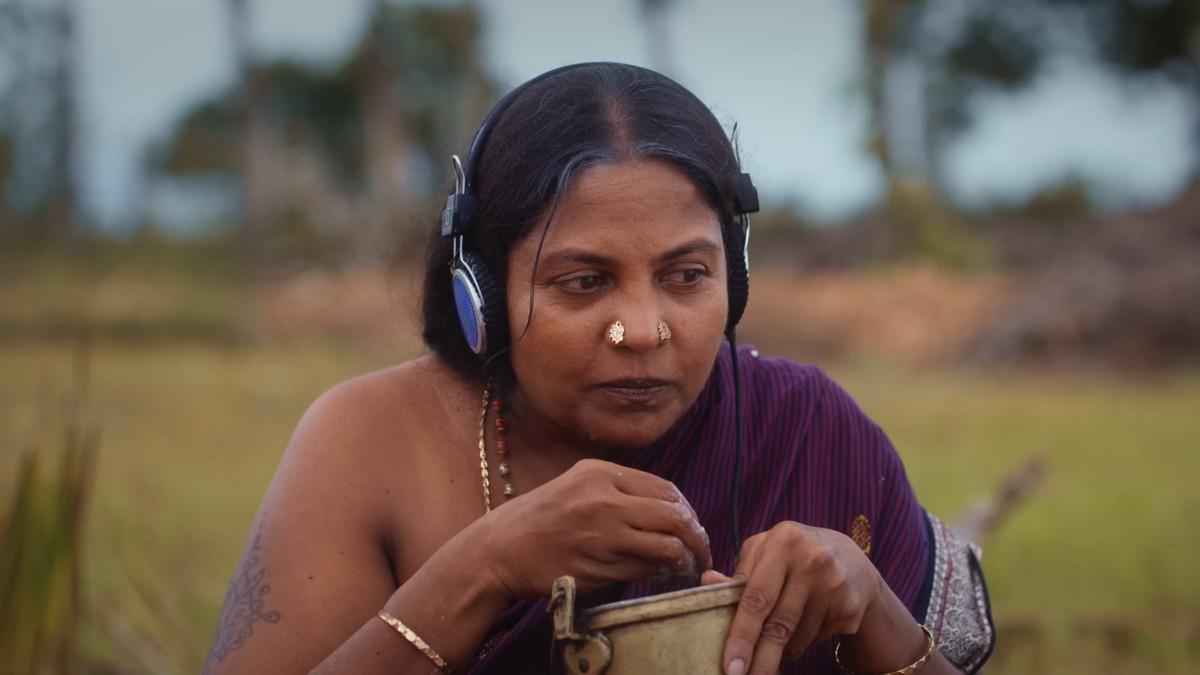
Tamil cinema doesn’t often produce warm, sedate, character-driven dramas of the kind seen in Vipin Radhakrishnan’s Angammal, adapted from a short story by Perumal Murugan. Such films that premiere at festivals, however, tend to struggle theatrically, as audiences remain suspicious of so-called “award padam.”
While Tamil cinema has evolved aesthetically from its 1980s and 1990s mainstream roots—largely due to the influence of the Balu Mahendra school—visual literacy continues to remain elusive, not only among audiences but among critics and filmmakers too. As a result, even films marketed as ‘meaningful’ or ‘offbeat’ often flatten their subtext into slogans, hammering metaphors into place instead of allowing them to breathe.
Angammal, with a few exceptions, resists this tendency. It has a terrific central performance from Geetha Kailasam, who has played the mother characters in Amaran, Maamannan, and Idli Kadai. But this mother character isn’t just a narrative accessory meant only to supply warmth or incidental humor. Set in a 1990s village, it presents Angammal as an independent widow who raised her sons on her own. Conflict emerges when her youngest son, now a doctor and about to marry into wealth, attempts to ‘civilize’ his beedi-smoking, foul-mouthed mother by insisting she wear a blouse.
This deceptively simple premise opens up a layered exploration of identity, generational conflict, and motherhood. While the pacing occasionally falters and the supporting cast cannot match Kailasam’s screen presence, Angammal remains a restrained and intimate drama shaped by a striking aesthetic sensibility. The film’s refusal to sanctify its free-spirited matriarch is particularly compelling; Angammal is allowed her contradictions and flaws, and the film observes familial dysfunction alongside moments that quietly, and painfully, demand her conformity.
6. Kudumbasthan
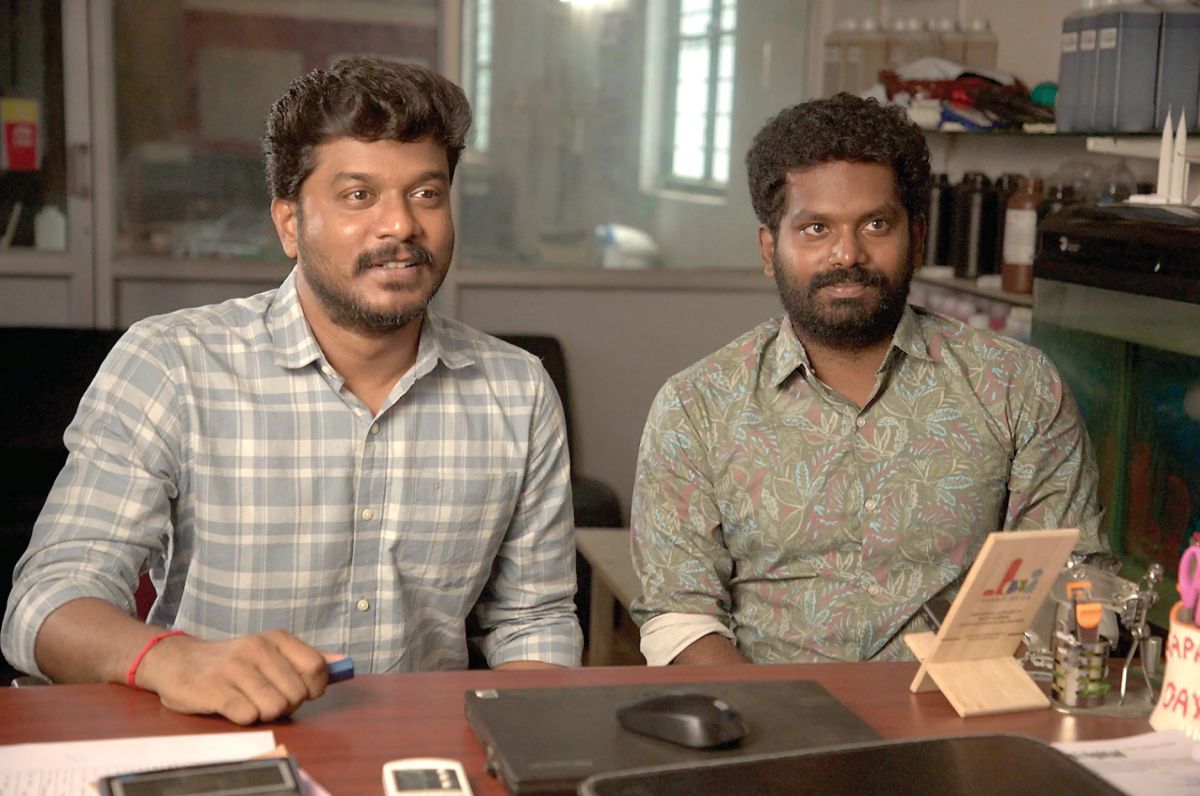
Movies about middle-class family struggles have noticeably increased in 2025 Tamil cinema, though apart from Madras Matinee, there have been few well-rounded family dramas. Rajeshwar Kalisamy’s directorial debut, Kudumbasthan (Family Man), largely manages to strike a workable balance between comic absurdity and the quieter devastations of everyday family life. A few subplots fail to translate convincingly on screen, yet Manikandan—after Good Night and Lover—once again shoulders the narrative as an average man stumbling through life’s many small humiliations and misfortunes.
The script, co-written by Kalisamy and Prasanna Balachandran, draws its humor from situations that steadily strip Naveen of agency. The laughter arises through crooked schemes and the sheer unpredictability of events closing in on him. The film is not entirely free of excess. Kalisamy’s background as a co-founder of the YouTube channel Nakalites occasionally shows, particularly in overextended comic stretches. At 155 minutes, the film tends to meander, especially during the drunken-men episodes, where skit-driven humor lingers longer than it should.
Nevertheless, Kudumbasthan largely sidesteps the cloying sentimentality common to the genre. Naveen’s humiliation and misfortune are presented without melodramatic cushioning or corrective framing, with the film staying close to the characters rather than guiding the audience’s response. Somasundaram brilliantly plays the egotistical character, who unsettles the narrative by repeatedly worsening Naveen’s position. He enters scenes as a catalyst for tension, pushing situations toward humiliation and conflict rather than relief. The film ends on a lighter note, with characters finally learning that the only way to actually survive the chaos is to slow down and focus on what’s real.
Related to Best Tamil Movies of 2025 – From Dada to Chithha: The Ten Best Tamil Movies of 2023
5. Paranthu Po
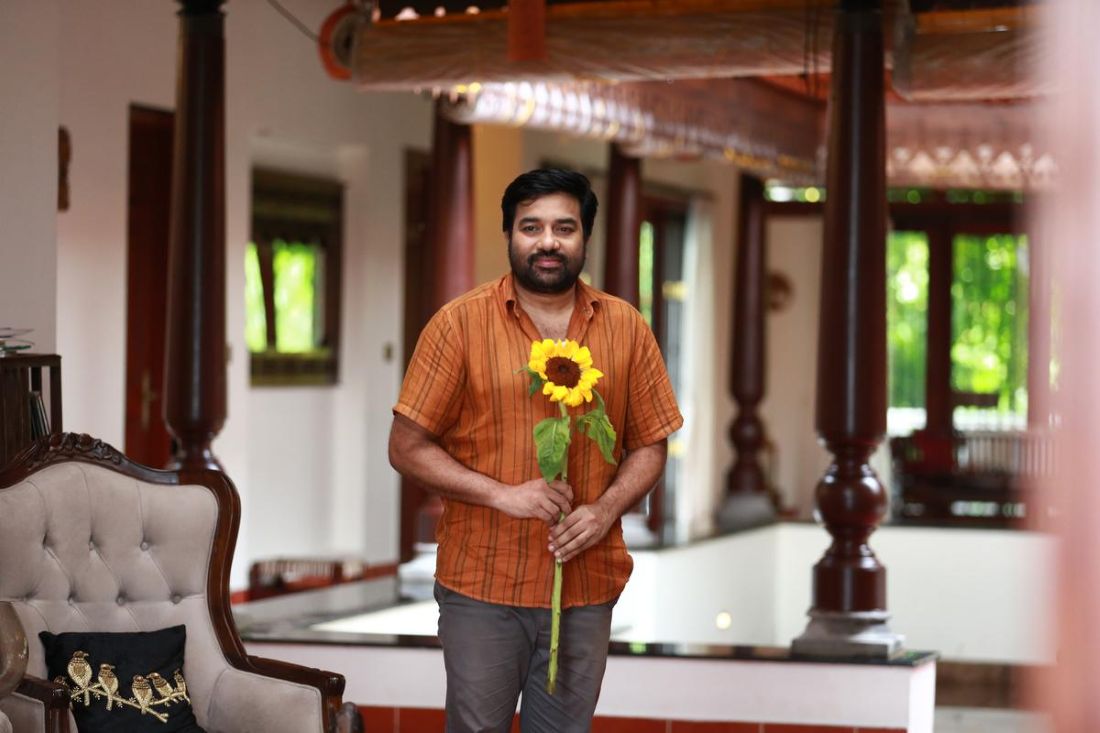
Director Ram’s films have consistently circled the male psyche, mapping its contradictions against social pressure and emotional inertia. For better or worse, he remains uncompromising, direct in both form and moral inquiry.
After Peranbu—arguably his most accomplished work, anchored by an audacious performance from Mammootty—Ram followed it with the yet-to-be-released fantasy drama Ezhu Kadal Ezhu Malai. Against this backdrop, Paranthu Po (Fly Away) initially appears like a departure, especially given its positioning as a gentle, child-centric narrative. Yet beneath its surface, the film carries Ram’s familiar philosophical concerns, approached here with a lighter, more open hand.
Set against an unplanned road trip, the film follows a middle-class father weighed down by everyday anxieties and his eight-year-old son, buoyant with imagination and desire. Siva brings an easy, unaffected comic rhythm to the role, balancing warmth, responsibility, and quiet unease with assurance. Grace Antony matches him with a grounded performance as his wife, a working woman who holds onto decency within an often indifferent world.
The film occasionally leans too hard into innocence and indulges romanticised gestures, and its musical passages don’t always earn their emotional lift. What prevents these choices from collapsing into sentimentality is the film’s refusal to soften the pressures its characters continue to live with. Their warmth exists alongside fatigue, disappointment, and constraint.
Where Katradhu Tamil and Tharamani engage overtly with political structures through individual suffering, Paranthu Po operates on a more intimate scale. Within Ram’s body of work, it may register as a smaller film, yet its emphasis on kindness, empathy, and brief moments of escape resonates with anyone navigating the pressures of contemporary urban life. Taken alongside Peranbu, the film also reflects Ram’s growing confidence as a craftsman—one who now deploys cinematic elements with greater restraint, clarity, and balance.
4. Bad Girl
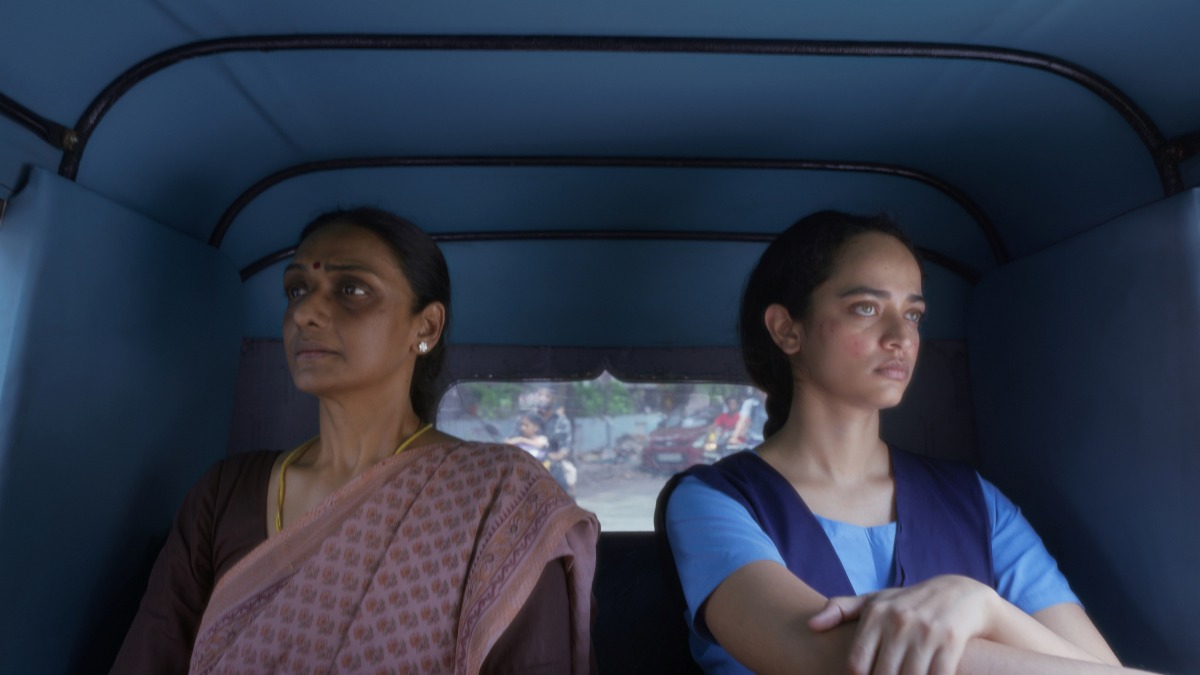
Dragon and Bad Girl are recent examples of how rage-baiting through trailer cuts can shape, and sometimes distort, a film’s reception. The controversy surrounding the release of Varsha Bharath’s Bad Girl trailer encouraged a reading of the film as a deliberately provocative portrait of transgression, a drama built around the shorthand idea of the “bad girl.” That assumption, however, says more about the framing than the film itself. What Bharath has made is a deeply empathetic coming-of-age story, attentive to the emotional contradictions of a flawed individual whose moments of realization feel earned rather than imposed.
Bad Girl traces Ramya’s life from adolescence into early adulthood, following her across three distinct phases shaped largely by her romantic relationships. The film stays close to her shifting emotional states and persistent uncertainty, while also observing the inherited dogmas that define life within a conservative family. Rather than pushing Ramya toward neat resolutions, the narrative allows her confusion and restlessness to remain visible, even uncomfortable.
There is a clarity to Varsha Bharath’s vision that makes Ramya’s inner conflicts easy to register without overstatement. Each chapter of her life is treated with a distinct aesthetic sensibility. The bright colours and sharp edits of the early stretch gradually soften as adulthood settles in, reflecting the emotional weight that begins to accumulate. Songs and moments of humour are woven into the fabric of the film with ease, adding texture without breaking its rhythm. The film remains attentive to social reality without announcing a moral position, trusting the audience to sit with what it observes.
Ramya’s relationships with her mother and grandmother quietly articulate the ways patriarchy tightens and loosens across generations, shaped by both resistance and compromise. Some moments lean toward simplification, but many insights land with precision. Bad Girl stands among the stronger Tamil films of the year, supported by a committed ensemble cast, with Shathi Priya emerging as a particular surprise in her portrayal of Ramya’s anxious, watchful mother. The film may have drawn harsh judgment from sections of the audience, yet its tenderness and complexity reward viewers willing to meet it with compassion.
Also Read: All Seven Vetrimaaran Films Ranked
3. Dragon
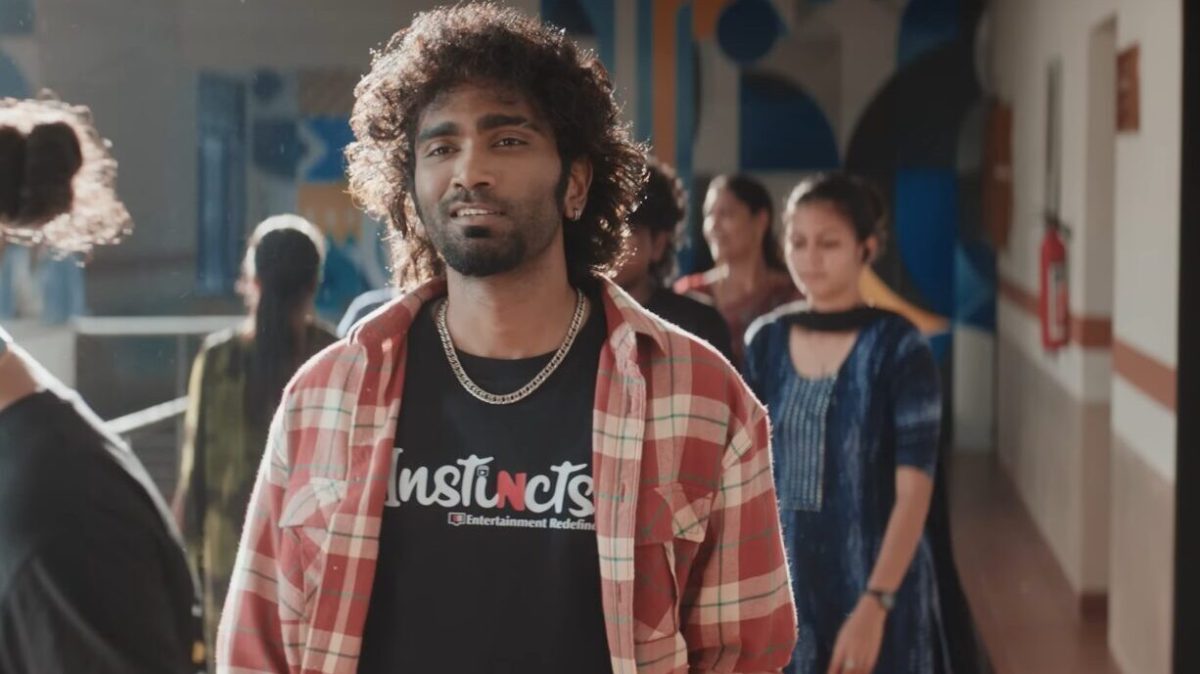
The gatekeepers of Tamil commercial cinema are constantly searching for the next bankable star. With Rajinikanth and Kamal Haasan in their 70s, Vijay stepping away, Ajith slowing down, and the remaining stars offering uneven box-office returns, the industry is eager to fast-track someone who can lock in younger audiences.
Sivakarthikeyan, having already inherited the ‘thuppaki,’ appears closest to securing that position. Pradeep Rangathan, borrowing early Dhanush’s physique and Rajinikanth’s mannerisms, has made a case for himself as another potential crowd puller. He carries a restless screen presence that clicks when shaped by thoughtful writing and direction, which is exactly what happens in Ashwath Marimuthu’s Dragon.
Dragon works because it leans into the familiarity of stories built around wastrel protagonists who find redemption and success by the final stretch. The loud, exaggerated staging of the early portions works as misdirection, easing the viewer into a narrative that eventually holds its central character accountable.
The film makes no claim to realism, and it freely embraces cinematic exaggeration and coincidence. Dragon’s shortcut to success recalls the sentimental arc of a Vikraman hero, updated for an age of hustle and instant gratification. What stands out is how Marimuthu introduces his characters through recognizable tropes, then allows their behaviour to push the story toward places that feel less predictable.
It helps that Mysskin’s principal character is written without flattening him into a villain or a rival designed only to elevate the hero. Even amid heightened circumstances, the characters respond in ways that feel recognisably human. Just when there’s a lingering worry about whether the film can land its ending, George Maryan steps in with a scene-stealing performance that grounds the emotional payoff, though the very final beat strains for effect (Ivana’s cameo). The female characters could have used greater depth, yet in the landscape of mainstream Tamil cinema, it still feels like progress when women are spared from being framed purely as objects of desire.
Related to Best Tamil Movies of 2025: The 10 Best Tamil Movies Of 2024
2. Madras Matinee
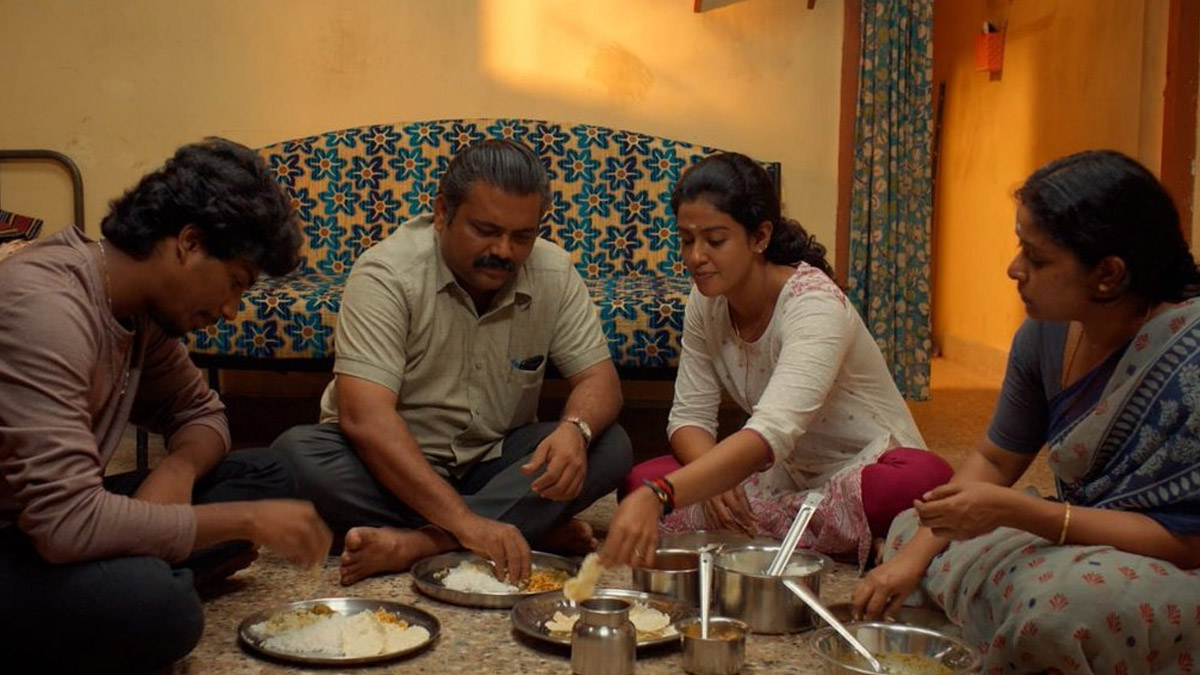
Though Madras Matinee is Karthikeyan Mani’s first feature-length film, it carries the assurance and writing discipline of a seasoned filmmaker. Every year, critics, film enthusiasts, and general audiences anoint a new “promising” Tamil filmmaker, even though many debuts arrive with compelling ideas and uneven execution.
In that context, Mani’s Madras Matinee stands out as a genuinely commendable debut, inviting comparison with Manikandan’s Kaaka Muttai and Madonne Ashwin’s Mandela. One of the persistent shortcomings in Tamil family dramas lies in how rarely characters convey a sense of lived experience or convincing family dynamics. That gap explains why films like Tourist Family and 3BHK did not fully work for me, as their characters often feel borrowed from TikTok skits or mega-serial templates.
The problem largely begins at the level of writing rather than performance. In Madras Matinee, Mani treats his characters as people with inner lives that unfold through behavior and choice. The hardships they endure and the decisions they make feel organic because the narrative stays anchored in everyday reality, even when it gestures toward broader social concerns.
The strongest filmmakers trust observation over declaration, and this instinct runs through Madras Matinee. The film introduces a middle-class family of four chasing the promise of a better life in a big city, while using a detached sci-fi writer as an audience surrogate. Played with wry restraint by Sathyaraj, the narrator slowly warms to the quiet struggles of ordinary lives.
Kaali Venkat, one of Tamil cinema’s most dependable supporting actors, steps into the central role with confidence, shaping a father who is conflicted, hardworking, and deeply compassionate. The performances across the board are consistently strong, including those from Roshni Haripriyan, Shelly Kishore, and Geetha Kailasam.
The film also carries a lightness of touch. Humour and irony surface naturally, allowing Mani to observe the small absurdities of human behaviour. This tone is reinforced through measured camera movement and carefully composed frames that pay homage to Wes Anderson’s visual precision without overwhelming the film’s emotional core. Madras Matinee ultimately demonstrates that Tamil cinema can be entertaining while remaining grounded and recognisable in its portrayal of everyday life.
1. Bison Kaalamaadan
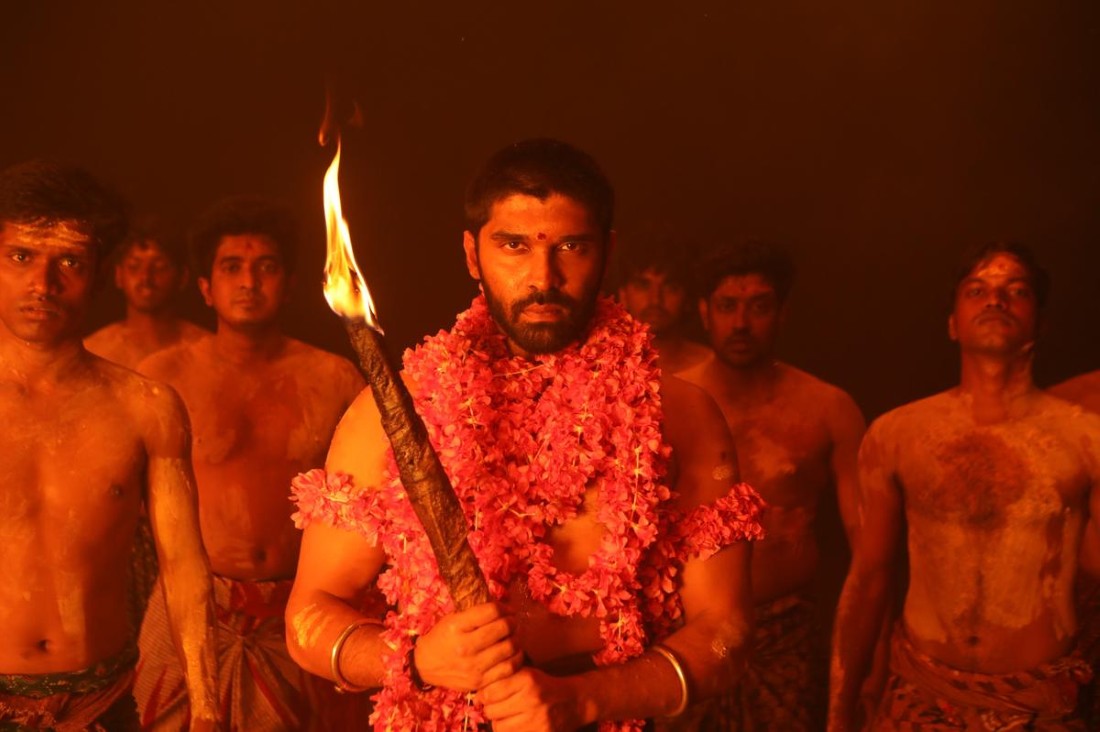
Two or three films after a promising debut, Tamil filmmakers often either slide into mediocrity or disappear altogether. Survival in the industry is frequently tied to expanding one’s market and courting bigger stars; in the process, filmmakers risk losing what once made them distinctive. Thankfully, Mari Selvaraj, six years after his directorial debut, is still able to tell the stories he wants while also bringing up different perceptions to the caste quotient.
With his fifth film, Bison Kaalamaadan, Selvaraj locates the narrative within the fiercely stratified world of competitive kabaddi, centering on the dramatized version of the life of renowned player ‘Manathi’ Ganesan. The film traces how perseverance collides with entrenched prejudice, and how a single life presses against chains hardened by centuries of stigma.
Dhruv Vikram brings a coiled physicality to the central role of ‘Vanaththi’ Kitaan, a young man whose desire to play kabaddi is tested at every turn—by family, by region, and by the nation itself. Bison resists the familiar rhythms of the underdog sports drama because its stakes feel real and lived-in. Mari Selvaraj treats the rivalry between two caste leaders, inspired by real-life figures, as an ongoing negotiation, where conflict does not prevent collective investment in the emergence of a champion. The film also observes how violence, once justified as collective resistance, gradually slips back into inherited feuds and cycles of vengeance.
The performances are uniformly strong, with Pasupathy especially affecting as Kitaan’s father, a man caught between pride, fear, and generational burden. Questions of identity and belonging have haunted Selvaraj’s protagonists since Pariyerum Perumal, and this dramatized account of Ganesan’s life returns to those concerns with renewed urgency.
Here, Selvaraj allows moments of possibility and hope to surface without diluting the weight of structural oppression. The film does falter at points, particularly in its handling of the romantic subplot, and there are moments where echoes of Selvaraj’s earlier work are hard to ignore. Even so, Bison Kaalamaadan stands as one of the year’s best Tamil films that feels politically urgent while remaining formally confident in its ambition.