There is no guarantee that a filmmaker will ever get the same opportunities throughout their career, and it’s common that great work fails to resonate with a wide enough audience to boost the trajectories of those involved. Boldness isn’t just a choice filmmakers must make to distinguish themselves, but a trait that is necessary for the survival of independent cinema, as it requires that the next generation of the art form continues to push the edges of what’s possible.
Although director Makoto Nagahisa has slowly become a more recognizable name among fans of Japanese genre films, “Burn” is the type of wildly experimental, viscerally propulsive feature only possible if its creator is willing to potentially disorient a segment of the audience. “Burn” is unquestionably brave, and the uneven nature of its provocation doesn’t necessarily discredit Nagahisa’s achievement.
The narrative of “Burn” is a cyclical one that becomes hypnotic due to the use of floating texts, freeze frames, surrealist imagery, digital expressionism, and haunting dream sequences. While the style of Nagahisa’s vision feels in many ways unprecedented, “Burn” could be compared in the abstract to the kinetic erraticism of “Run Lola Run,” the youthful duress of “Kids,” the grounded poverty of early Sean Baker works, and even a touch of Kiyoshi Kurosawa esotericism.
To explain the broad strokes of the story of “Burn” wouldn’t do justice to how hypnotic an experience it is, as Nagahisa does recognize that how something is being presented is more interesting than what’s occurring. If anything, the consistently jarring between styles helps to mask the ways in which it is derivative of other films about displaced and hardened youths.
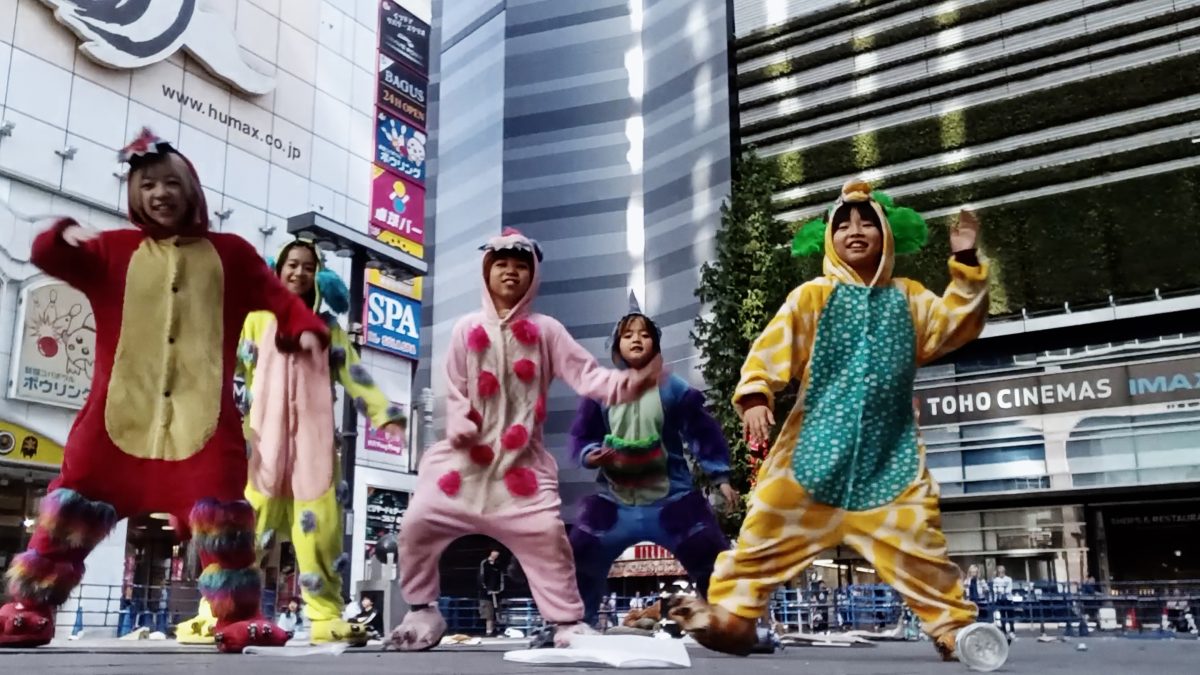
The central figure in “Burn” is Jurie (Nana Mori), a teenage girl who fled an abusive home life and eventually joined a roaming group of youthful vagrants who wander through the endless twilight of Tokyo. These “Tokyo kids” were the subject of Nagahisa’s previous films, “We Are Little Zombies” and “Death Days.” “Burn” is similarly focused on how young people who are considered “other” have been forgotten by a society that doesn’t consider them to be essential participants.
Juri, nicknamed “Ju-Ju” by the others because of her stutter, finds a community within members of the group, all of whom have some sort of disability. Although a senior member of the gang professes that he’s happy that they were all born, Jurie finds herself trapped in another cycle of abuse when her quest to save her sister leads her to dangerous adults who subject her to further sexual abuse.
The cryptic, dreamlike way that “Burn” begins succeeds because it finds an odd balance of voyeuristic dread and interpretive horror. While it’s clear where Jurie’s path is headed and how helpless she is to resist it, Nagahisa’s gaze rarely turns away from the graphic moments. The only reprieve from this torturous experience is the sharp association of phones, colors, and flashes that penetrate the frame.
It’s a successful means of showing how the spectacle of a digital world can both trap and distract youths from having an authentic maturation, but it’s also a technique that Nagahisa becomes reliant on. The effectiveness of the montage style wanes as the film treads into familiar tropes regarding troubled young people. Even if the desire to depict Jurie’s traumatic experiences was well-intended, the shock value becomes more cumbersome when the stylistic techniques begin to feel predictable.
Also Related: 10 Unconventional Coming-of-Age Movies Worth Exploring
The issue isn’t limited to the graphic nature of what is depicted, as Nagahisa does admirably focus the camera on Jurie’s reaction, rather than the violence itself. However, the cycle that plays out is so unrelenting that the degree and fashion of the abuse is what’s different, giving it more of an impact than the character itself.
The willingness to examine the lives of the other characters also dissipates within the film’s second half, making it slightly less vivacious and significantly less interesting. Even if “Burn” is intended to show how Jurie experiences the world, and thus may have limitations based on the parameters of her perspective, the fading details grant less authenticity to the rest of her journey.
Some aspects of the film’s impressionism are quite effective. The tight focus on Jurie’s face during moments of feigned pleasure is as harrowing as they would need to be, and the “burning” ostensibly referenced in the title is visualized in an acute visual metaphor. However, the omnipresence of flashy, meaningless online interactions doesn’t calcify into a cohesive statement about the online world.
It plays out like an austere warning about the dangers of the Internet in which the younger generation is entirely ignorant of the practices of predators, and seems to only indirectly acknowledge aspects of social media and fake news. “Burn” can’t have been asked to encapsulate the entirety of what the modern Internet has been transformed into, but for a film that borrows so heavily from the form of live leaks and toxic digital interactions, its perception of online content is antiquated.
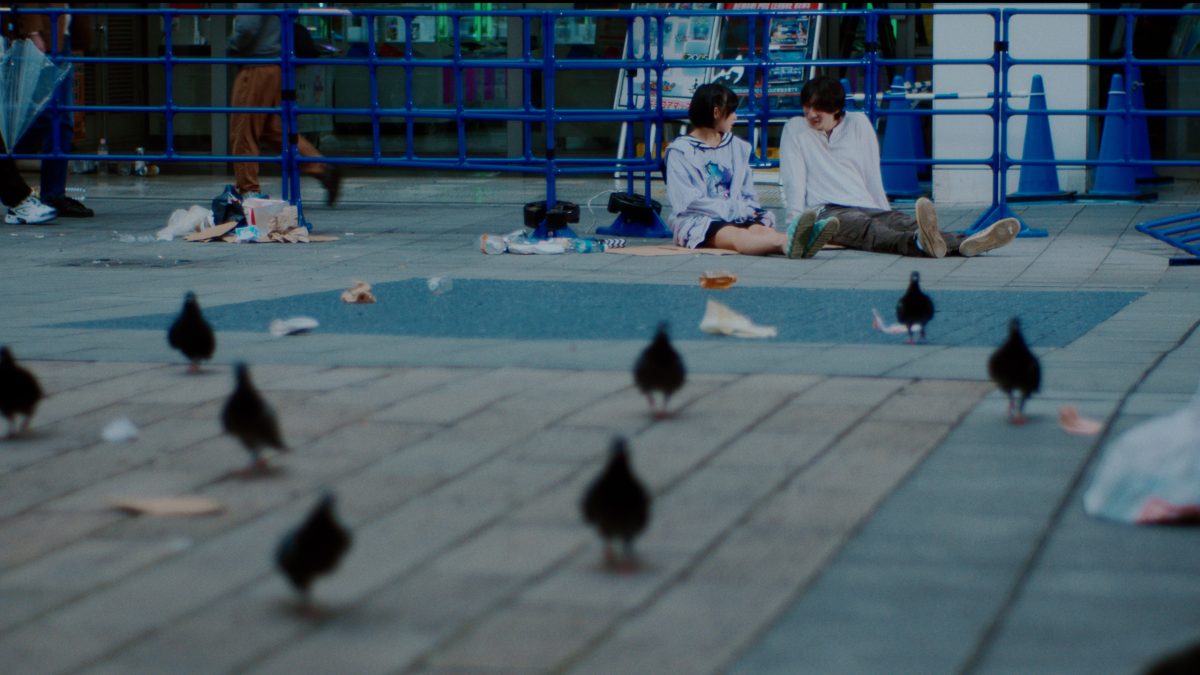
There’s no shortage of excellent casting throughout, as Nagahisa once again shows an ability to recognize talent and spotlight interesting young actors that don’t abide by cliches. Even if the supporting characters are rarely elevated beyond one distinguishing trait apiece, the young cast has personality to spare.
In terms of the older cast, “Burn” seems to depict a majority of its adults as a monolithic force of monstrous evil that literally towers over the youths. These actors seem to be utilized as props more than they are as performers, which does present a jarring contrast to the vitality of the younger stars, albeit an intentional choice.
The filmmaking in “Burn” is frequently exceptional, and the athleticism of the camerawork is staggering for a production of its size. However, the question that permeates every clever visual maneuver and dazzling cutaway is “what purpose does this serve?” Perhaps there’s a way to be aesthetically cutting-edge without rendering the nightmarish odyssey a purely visceral experience, but “Burn” feels more satisfied in its process than it is deadset on its goals. It’s not a film that’s unfeeling, but one that attacks more than it analyzes.




![Those Who Work [2018]: ‘Locarno’ Review](https://www.highonfilms.com/wp-content/uploads/2018/08/Those_who_work_hof_review_1.jpg)