
Interestingly enough, spring has been a vibrant season for new and upcoming horror movies. Production companies like NEON, A24, Blumhouse, and more have at least one horror film getting released in the coming months, and the most recent addition is “Faces of Death.” The new movie is a continuation of the 1978 film, with its plot revolving around a content moderator who discovers someone online recreating kills from the original film.
The movie had a mountain of obstacles to overcome, including expanding on a franchise that’s over 40 years old and successfully incorporating the digital age into its storyline. Despite the challenging material, however, “Faces of Death” (2026) managed to capture audiences’ attention and serve as a refreshing reminder that not all reboots have to be redundant and shallow.
The idea for the movie, though simple, is extremely effective. When remaking a film, it’s important to offer something different from the original, making the remake unique in its own way. Most movies rely on the utilization of modern technology and new actors to stand out, which proves to be moderately successful at the box office, no matter how much audiences complain. “Faces of Death” goes beyond this by centering the plot around a serial killer who inspires their kills based on different scenes from the 1978 film- a remake within a remake, if you will.
While the plot remains connected to the first film, it also allows for creative freedom and explores new motivations and content distribution means. With the phenomena of the first film revolving around a secretive physical tape, the transition into violent content on the internet is seamless and a natural expansion of the public spectacle. The film updates its premise for the present, while reminding us of a time when disturbing material was far harder to circulate. It also highlights how quickly content can gain traction online—and how that speed often amplifies the worst outcomes.
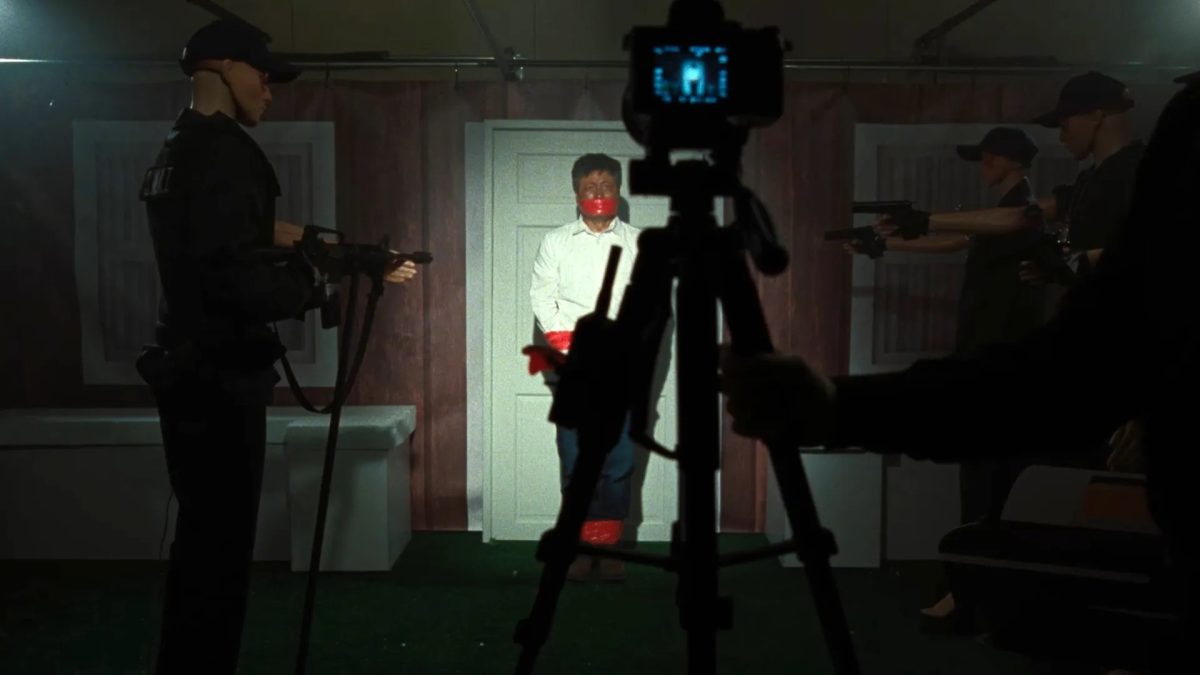
The way people engage with material online is often hyperreactive, which can intensify its emotional impact on viewers. The film captures the sense of detachment people attempt to maintain from the internet through its main character, Margot, played by Barbie Ferreira, who undergoes a personal reckoning with the nature of her work. Up to a point, the audience understands that she has managed to remain relatively level-headed. But when she encounters the recreated deaths, she begins to struggle with the anxiety of not knowing whether what she is seeing is real or fake.
The film’s meta dimension is particularly effective, especially considering that the original “Faces of Death” sparked widespread speculation about the authenticity of the deaths it depicted. This uncertainty was amplified by the fact that audiences in the 1970s lacked the tools to verify such material in the absence of the internet. This context contrasts directly with Margot’s journey, as she actively uses online resources to investigate the new murders, allowing the audience to learn about the film’s history alongside her.
Much of this background is conveyed through exposition, and while it can feel overly direct at times, it serves a necessary purpose in bringing unfamiliar viewers up to speed. The common suggestion that audiences should simply watch the original film is harder to justify, given that it involves deeply disturbing material. In that sense, these moments of narrative guidance feel necessary, ensuring that all viewers can follow the story and fully engage with the horror. The exposition is also made more palatable by the film’s tone, which embraces a degree of overt, self-aware humor.
Many viewers have drawn comparisons between “Faces of Death” (2026) and “Scream”, as both films comment on the structure of horror at the time of their release. Each references earlier works and frames character behavior in a way that mirrors audience expectations. In horror, this approach often manifests as dark comedy, which may not resonate with everyone.
However, “Faces of Death” (2026) refines this balance by avoiding humor at the expense of its victims. When characters are in vulnerable situations, the film allows those moments to carry emotional weight, reserving humor for lower-stakes scenes. This restraint is crucial; otherwise, the film would risk reinforcing the very detachment it seeks to critique.
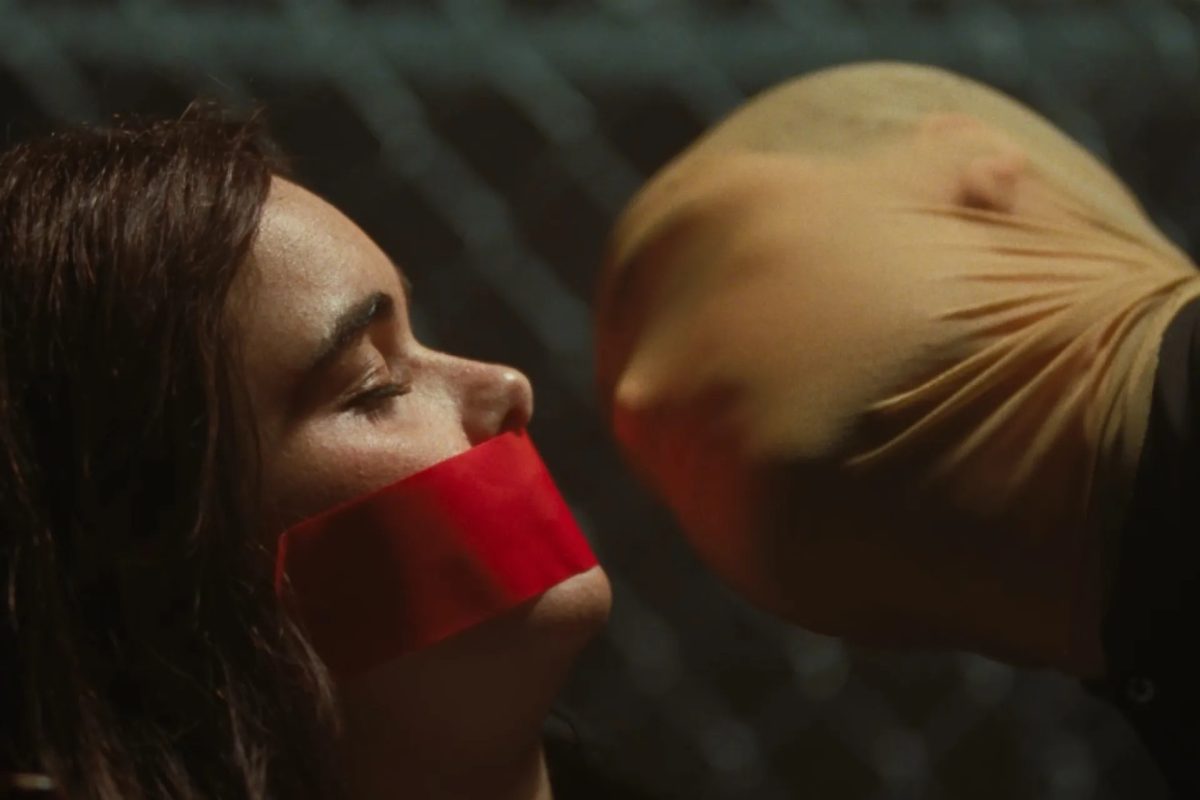
Blending humor with horror is no easy task, but the film manages it with a degree of tact that prevents comedy from overwhelming the tone. The transitions between humor, terror, and neutrality feel measured rather than jarring, helping sustain viewer engagement throughout. The performances further elevate the material. Barbie Ferreira brings both vulnerability and intensity to Margot, positioning herself as a compelling modern “scream queen.” She embraces moments of emotional rawness, at times becoming almost unrecognizable in the face of escalating violence.
However, the standout performance comes from Dacre Montgomery as Arthur, the killer. Perhaps his most significant film role to date, following his work in “Stranger Things,” Montgomery presents a character who oscillates between quiet restraint and overt menace. Arthur embodies the extreme end of online detachment, where exposure and visibility are valued above human life. While exaggerated, this portrayal aligns with the broader tendency of horror villains to represent amplified real-world anxieties.
Overall, “Faces of Death” (2026) is an ambitious film that succeeds more often than it falters. Rather than offering a superficial update, it embraces a layered, self-aware narrative that both reinterprets and critiques its source material. It reflects a shift in how remakes are approached—moving away from simple replication toward thoughtful re-examination. Most importantly, it remains engaging and entertaining, demonstrating the enduring vitality of the horror genre.



![Love in Kilnerry [2022] Review – A small-town comedy that feels like a Lifetime movie minus the comedy](https://www.highonfilms.com/wp-content/uploads/2022/08/Love-in-Kilnerry-Movie-Review-2-768x426.jpg)
![Midsommar [2019] Review: A Voluptuous Day Terror](https://www.highonfilms.com/wp-content/uploads/2019/07/midsommar-1-768x364.jpg)