World Earth Day, celebrated every year on April 22, is a global reminder that our planet needs attention, care, and action. The date was first marked in 1970, when growing concerns about pollution, oil spills, and environmental damage led to a massive public movement. Since then, issues like climate change, deforestation, and rising pollution levels have only become more urgent.
What began as a single-day event has now turned into a worldwide call for climate action, with millions choosing to go green, adopt eco-friendly habits, and support sustainability. Activists and environmental voices such as David Attenborough, Jane Goodall, Wangari Maathai, and many others have consistently warned us about the consequences of ignoring nature, pushing for much-needed change and urging people to reduce, reuse, recycle, and rethink how we live.
To mark 56 years of World Earth Day on April 22, 2026, this watchlist brings together a collection of old and new narrative features and documentaries, all centered on Earth and its fragile ecosystems. The selection focuses on films from both the past and recent times, exploring stories that range from intimate to expansive while sharing a sense of thoughtfulness and hope. They highlight people taking action, those most affected, and the idea that climate action is deeply tied to social justice, while also reminding us of the beauty that still exists.
1. The Boy Who Harnessed the Wind (2019)
This film follows a young boy who builds a wind turbine to help his village during a severe drought. His journey is filled with struggle, learning, and determination. The story is simple but deeply moving because it shows how one idea can change lives. The film is about climate change and how it directly affects everyday life, especially in places that depend heavily on nature.
It also speaks about education, not in a formal sense, but as something that can empower people to solve real problems. There is also a strong focus on resilience and community, showing how people come together during difficult times. This is one of those World Earth Day movies that shows hope through action and reminds us why innovation matters.
Where to Watch: Netflix
2. Don’t Look Up (2021)

Don’t Look Up is built around a simple idea. Two scientists discover a comet that is heading straight toward Earth, and they try to warn everyone before it is too late. The film uses a mix of humour and chaos to show how people react when faced with something serious but uncomfortable.
As the story unfolds, it becomes clear that the real focus is not the comet, but how society responds to it. The film explores themes of denial, where people choose to ignore facts, and misinformation, where truth gets lost in noise. It also looks at political failure, with leaders avoiding responsibility, and media culture, where urgent issues are treated like entertainment.
Where to Watch: Netflix
Read: 9 Movies to Watch If You Liked Don’t Look Up on Netflix
3. David Attenborough: A Life on Our Planet (2020)
The documentary feels deeply personal in the way it looks back at the state of the planet over time. It reflects on how nature has changed across decades and how human activity has played a major role in that shift. David Attenborough: A Life on Our Planet does not rely on dramatic storytelling, exploring key themes such as biodiversity loss, showing how many species and natural habitats have disappeared over the years.
It also looks closely at climate change and how it continues to affect ecosystems across the world. At the same time, the film places a strong focus on responsibility, making it clear that humans have both caused the damage and have the ability to make things better.
Where to Watch: Netflix
4. A Gorilla Story: Told by David Attenborough (2026)
A Gorilla Story: Told by David Attenborough is a gentle and focused documentary that looks closely at the life of gorillas and the fragile environments they depend on. Instead of trying to overwhelm you with information, it tells its story in a calm and straightforward way, letting the images and moments speak for themselves. Building a sense of connection between humans and wildlife, the film slowly shows how closely animal life is tied to human actions, even when those actions feel distant.
It becomes clear that changes in forests, land use, and human expansion directly affect the survival of species like gorillas. The themes are rooted in conservation and habitat loss, reminding us that protecting natural ecosystems is not abstract work, but something deeply connected to everyday human choices.
Where to Watch: Netflix
5. Okja (2017)

Bong Joon Ho’s sci-fi thriller follows a young girl who forms a close bond with a genetically modified animal named Okja, only to have that bond tested when a powerful corporation takes the animal away. This is a simple story of friendship that slowly turns into a larger journey across countries, exposing how industrial systems operate behind closed doors. The tone shifts between emotional moments and sharp, uncomfortable truths about how food production and profit often override care and ethics.
The film also explores how animals are treated within systems built around profit, raising questions about corporate control and how far companies will go to protect their interests. Besides shedding light on animal rights, it also reflects on ethical responsibility and the role of consumers, asking viewers to think about where their choices come from and what they support.
Where to Watch: Netflix
Related Read: All Bong Joon-Ho Movies (including Mickey 17), Ranked
6. Train Dreams (2025)
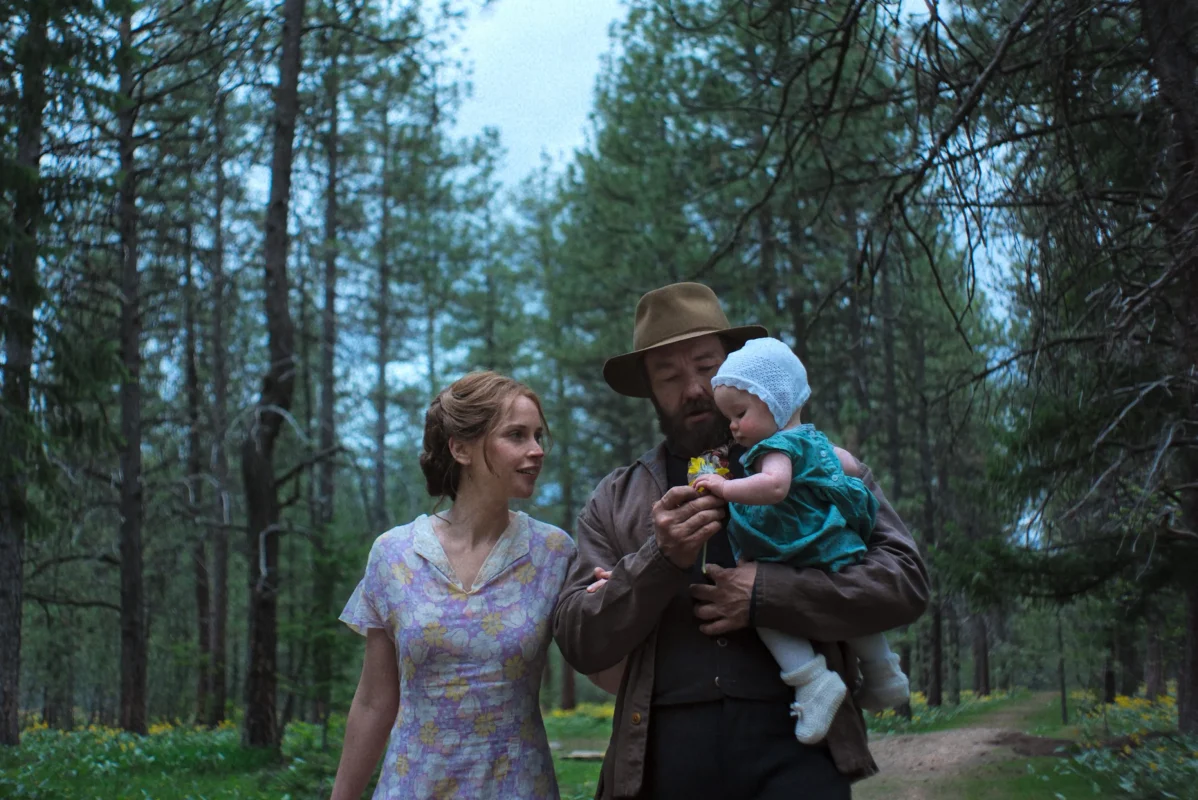
Adapted from Denis Johnson’s 2011 novella of the same name, the movie follows the life of a man moving through a changing America shaped by railroads, industry, and shifting landscapes. The story stays close to his personal journey, but it quietly reflects the wider transformation happening around him. As towns grow and nature slowly gives way to development, his life becomes tied to a world that never really stays still for long.
Clint Bentley uses isolation as one of the strongest themes, shown through the way the character often finds himself alone, even while the world around him is expanding. It also explores the idea of constant change, especially the way it arrives slowly and reshapes both land and life without much warning. There is also a sense of loss tied to the passing of untouched landscapes, where nature feels more distant as time moves forward. This movie fits perfectly into this list of World Earth Day movies as it reflects on how development reshapes the environment and how those changes quietly affect human lives over time.
Where to Watch: Netflix
Check Out: The Physics of Grief in Clint Bentley’s ‘Train Dreams’
7. Project Hail Mary (2026)
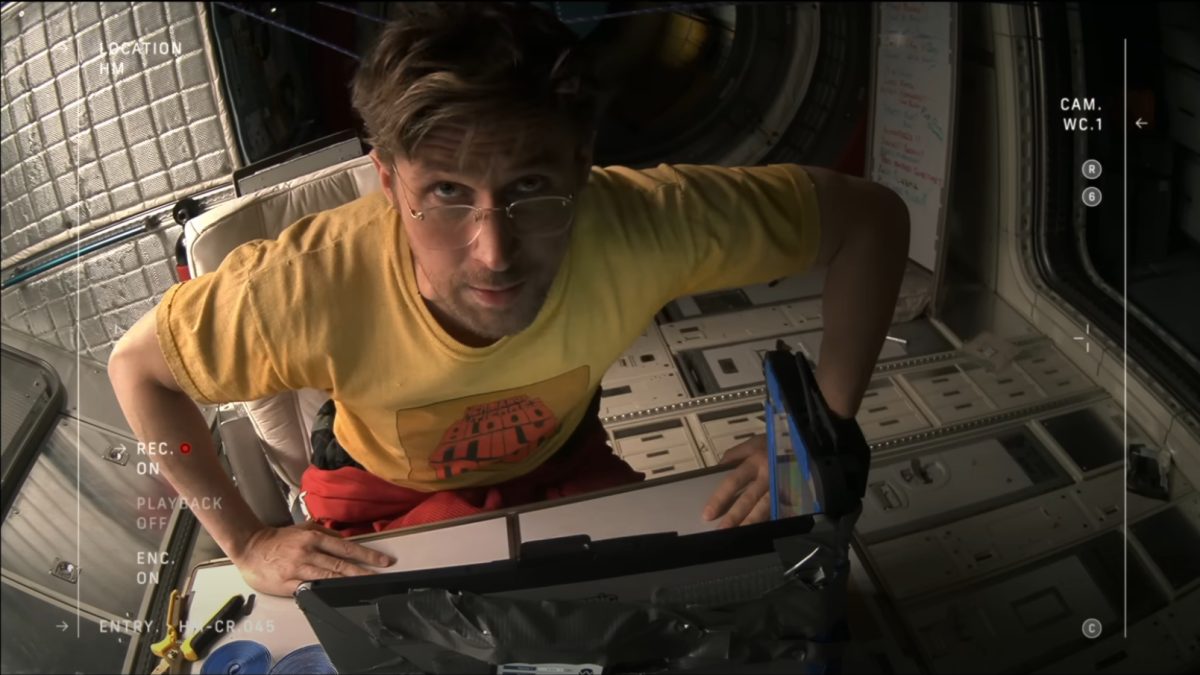
Another adaptation title in the list is Andy Weir’s 2021 novel Project Hail Mary, which follows a man who wakes up alone on a spacecraft with no memory of how he got there or why he is in space at all. As fragments of his past slowly return, he begins to understand that he has been sent on a mission connected to the survival of Earth itself.
Directed by Phil Lord and Chris Miller, the film builds its story around confusion, discovery, and gradual understanding, letting both the character and the audience piece things together at the same time. The story is engaging and heavily relies on the emotional weight of the mission within a science fiction setting, focusing on isolation, survival, and problem-solving under extreme pressure, while also showing how cooperation and communication can still exist in the most unlikely situations.
Where to Watch: In Cinemas
8. Anthropocene: The Human Epoch (2018)
Anthropocene: The Human Epoch is a visually striking documentary that looks at how humans have reshaped the planet on a massive scale. Made over four years by Jennifer Baichwal, Nicholas de Pencier, and Edward Burtynsky, the film is part of a trilogy that also includes Manufactured Landscapes and Watermark.
The documentary follows the work of the Anthropocene Working Group, a team of scientists studying how human activity has changed the Earth so deeply that it may have entered a new geological epoch. Through powerful imagery from around the world, the film captures environments shaped or damaged by human intervention, from industrial sites to altered natural landscapes. Sitting between art and science, it presents a clear and thought-provoking look at the scale of human impact on the planet.
9. First Reformed (2017)
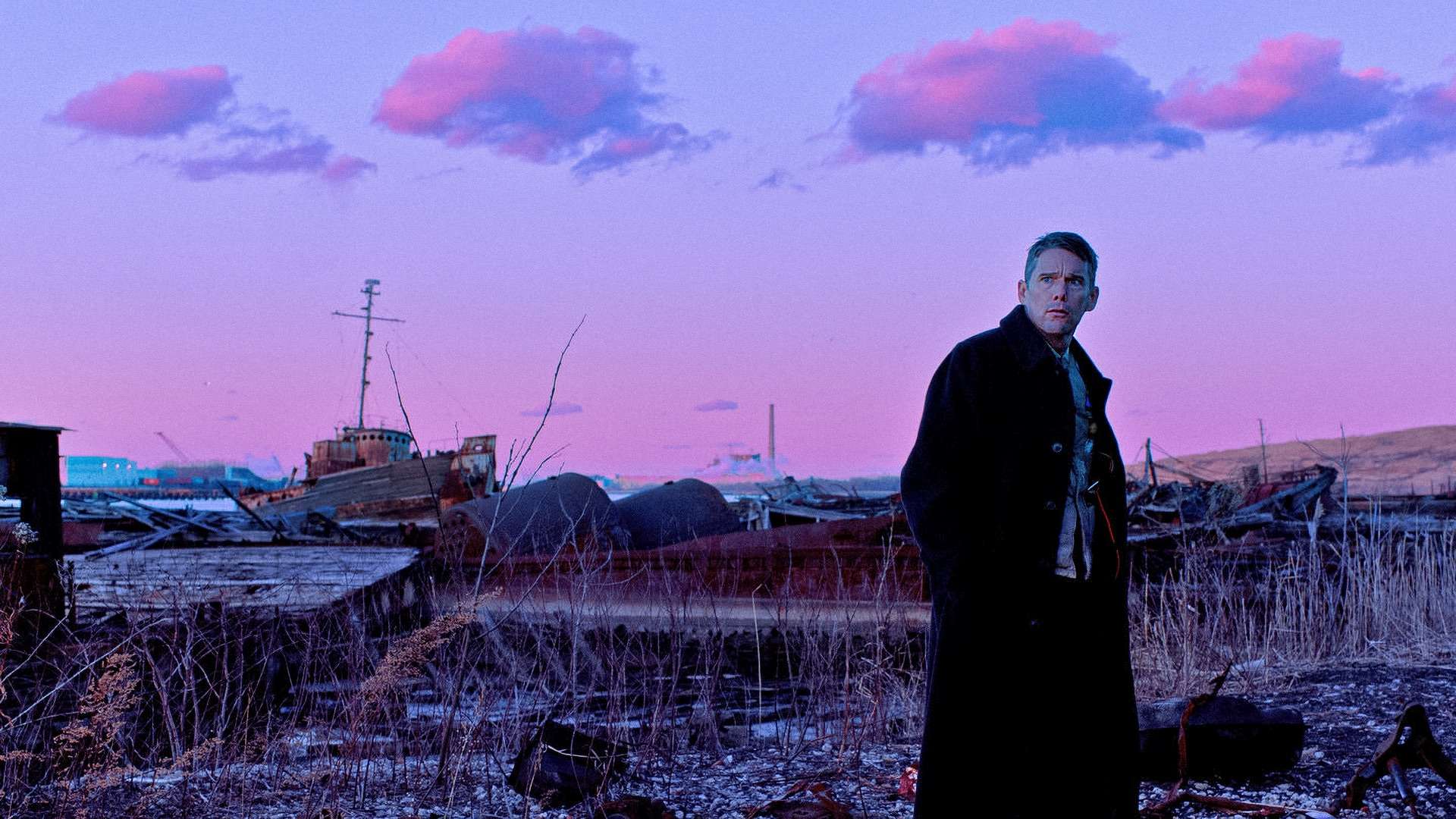
Starring Ethan Hawke, First Reformed follows a pastor struggling with his faith and sense of purpose. As he becomes involved with a troubled environmental activist, the story slowly shifts into something more personal and unsettling. The film builds through conversations, journal entries, and moments of isolation, showing how the character’s inner world begins to fall apart. Using despair as the central theme, Paul Schrader moves the narrative from personal loss to the growing fear of environmental collapse.
With a very meditative tone throughout, the film explores the tension between faith and modern systems, including how institutions can become tied to corporate influence rather than moral responsibility. At the same time, it looks at loneliness and emotional repression, showing how unresolved pain can lead to extreme thoughts and actions. In its own way, the film connects with World Earth Day ideas by reflecting on climate anxiety and the difficulty of holding onto hope in a changing world.
Where to Watch: Available for rent on Amazon Prime Video
Also Related: 10 Best Movies Dealing with Climate Change
10. Honeyland (2019)
Honeyland follows the life of Hatidže Muratova, a beekeeper living in the remote mountain village of Bekirlija. The film stays close to her daily routine, showing how she cares for wild bees and maintains a careful balance with nature. That balance begins to shift when new neighbors move in, bringing a different and more aggressive approach to using natural resources.
Directed by Tamara Kotevska and Ljubomir Stefanov, the documentary explores important themes through this simple setup. It reflects on climate change and biodiversity loss, especially through the decline of bee populations. It also looks at the exploitation of natural resources, contrasting Hatidže’s sustainable way of living with the actions of her neighbors. Alongside this, the film captures her relationship with her bedridden mother and the shifting dynamics within her community. Through its strong visual storytelling, it presents a clear and grounded message about sustainability and the need to live in harmony with the ecosystem.
Where to Watch: Netflix
11. Princess Mononoke (1997)

One of the essential Studio Ghibli watches, Hayao Miyazaki’s Princess Mononoke, is a powerful story set in a world where humans and nature are in constant conflict. The film follows a young warrior who finds himself caught between a growing industrial settlement and the spirits of the forest.
What makes it stand out is the way it refuses to take sides too easily, and instead of presenting clear heroes and villains, it gives space to both perspectives, showing why each side believes it is right. It closely looks at industrial growth and how it often comes at the cost of the environment, while also shedding light on the damage and the long-term impact of human expansion. At the same time, the film speaks about coexistence, asking whether humans and nature can find a way to live together without destroying each other.
Where to Watch: Netflix
Find out where Princess Mononoke ranks on the “All Hayao Miyazaki Movies Ranked” list.
12. Erin Brockovich (2000)
Erin Brockovich by Steven Soderbergh is based on a true story and follows a determined woman who takes on a powerful company responsible for water pollution. Without any formal legal background, she becomes deeply involved in a case that affects an entire community, showing how everyday people can stand up against large systems.
The film builds its strength through her persistence, as she refuses to back down even when faced with resistance and doubt. At its core, the film explores themes of environmental law and corporate accountability, highlighting how negligence can cause long-term harm to both people and the environment. It also focuses on activism, not in a grand or dramatic way, but through consistent effort and belief in doing what is right.
Where to Watch: Amazon Prime Video
13. The Boy and the World (2013)
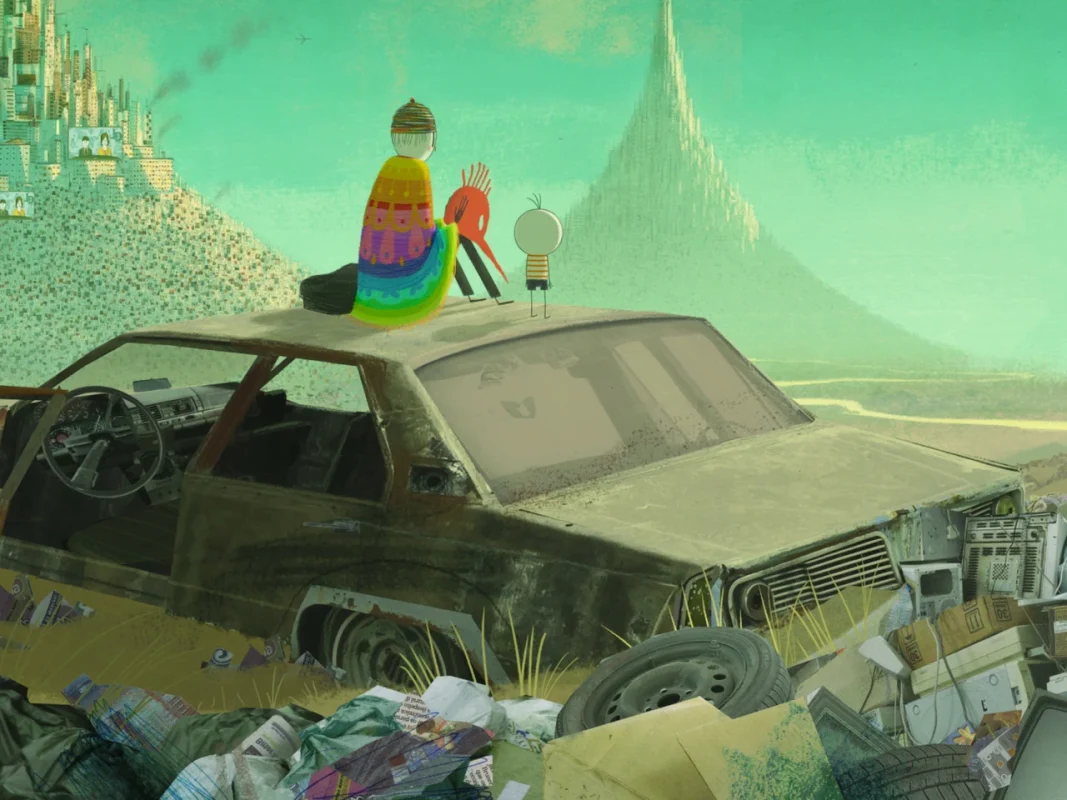
The Boy and the World is a Brazilian animated coming-of-age film written and directed by Alê Abreu. The story is told with very little dialogue, using sounds and gibberish that is actually Portuguese spoken backwards. Even the text shown on screen appears reversed and upside down, adding to the film’s unique style. The film follows a young boy who leaves his rural home in search of his father.
As he travels, he experiences a world that feels both colorful and overwhelming, shaped by forces he does not fully understand. Through his eyes, the film explores the realities of globalization, industrialization, and capitalism, while also revolving around innocence, loss, and the search for belonging. It shows how a child tries to make sense of a rapidly changing world, where traditional life slowly fades under the pressure of modern systems.
14. Woman at War (2018)
The 2018 Icelandic-Ukrainian comedy-drama that follows Halla, a choir conductor who leads a secret life as an eco-activist. She targets a Rio Tinto aluminium plant in the Icelandic highlands, sabotaging electricity pylons and power lines to disrupt its operations. Her actions are bold and risky, driven by a strong belief in protecting the environment from industrial damage. The story takes an unexpected turn when her long-pending application to adopt an orphan child from Ukraine is suddenly approved.
At the same time, authorities intensify efforts to track her down, using both police action and media pressure. This creates a constant tension between her activism and her personal life, forcing her to make difficult choices. Blending humor with seriousness, the film explores environmental activism, the ethics of sabotage, and the personal cost of standing up for a cause. It also touches on themes of motherhood, identity, and resistance against corporate destruction.
Must Check Out: 35 Essential Iceland Movies That Are Worth Your Time
15. 28 Years Later: The Bone Temple
The third part of the franchise continues the post-apocalyptic story in a world still shaped by the rage virus, but it shifts the focus more toward human behavior than just survival. The film follows a young boy who becomes entangled with a violent cult led by a charismatic but disturbing figure, while a scientist works in isolation, forming an unusual connection with an infected individual that hints at the possibility of change.
The film interestingly explores the idea that the real danger may not just come from the infected, but from people themselves. The story touches upon morality, belief, and control that run throughout, especially in how fear and trauma shape communities over time. The latest instalment also reflects on grief, survival, and the fragile line between humanity and violence, showing how hope can still exist even in a broken world.
Where to Watch: Netflix
16. Children of Men (2006)
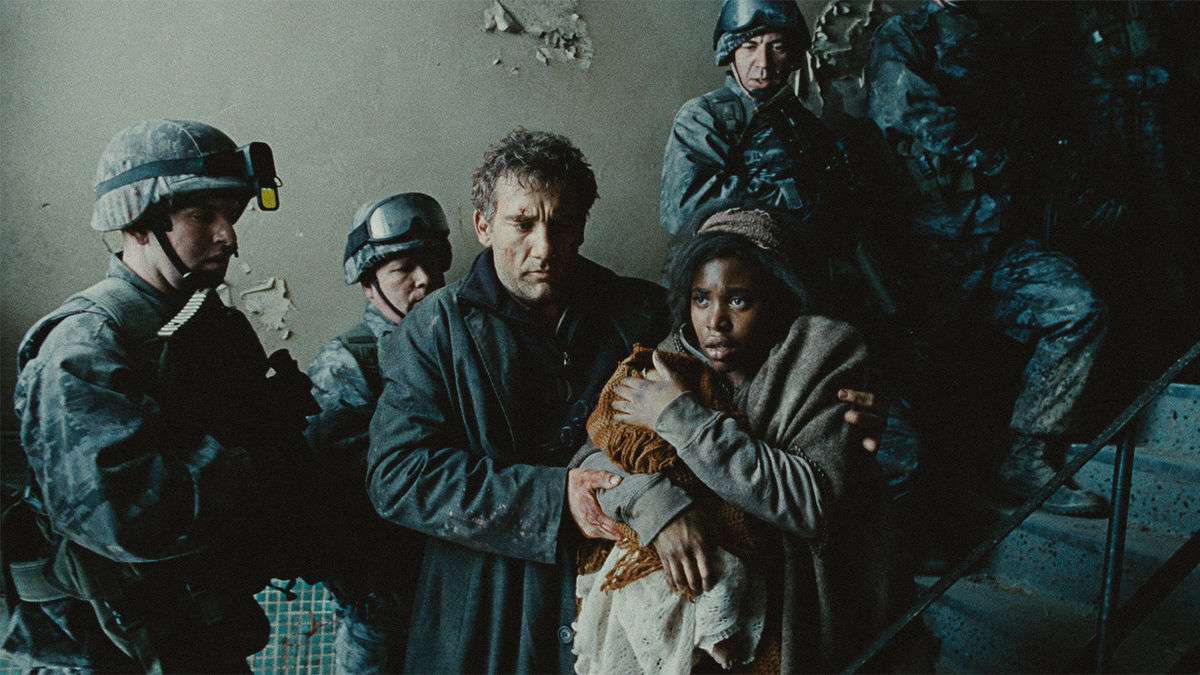
Children of Men, based on P. D. James’ 1992 novel, presents a bleak future where humanity is on the edge of extinction due to global infertility. Set in 2027, the film follows a world that has slowly fallen apart, filled with fear, violence, and deep uncertainty. At the center of the story is Theo Faron, a man who has withdrawn from everything around him. His life changes when he meets Kee, a young woman who is unexpectedly pregnant, something the world has not seen in nearly two decades. Directed by Alfonso Cuarón, the film creates a world that feels real and unsettling.
The setting is not futuristic in a flashy way, but grounded and worn down, making it more believable. The camerawork stands out, especially in long, continuous shots that pull you directly into the chaos. Through its bleak tone, the film still holds onto moments of hope, showing how even in the darkest times, survival and belief can continue.
Where to Watch: Available for rent on Amazon Prime Video
17. Burning (2021)
Burning, directed by Eva Orner and Jonathan Schaerf, examines the devastating 2019–2020 Australian bushfire season. The documentary focuses on human experiences during the fires, including firefighters, residents, and communities who lived through the crisis, while also looking at the emotional strain and tension that emerged during this period. It places the 2019–2020 fires in a global context by comparing them with other major wildfire events, including the Amazon rainforest fires, which burned 2.2 million acres in 2019, and the California wildfires of 2020, which burned 4.4 million acres.
In contrast, the Australian Black Summer fires burned 59 million acres, showing the extreme scale of the disaster. The film also touches on the political response during this time, highlighting the Youth Climate Movement and raising questions about leadership and inaction from Prime Minister Scott Morrison. Through these elements, the documentary connects personal stories with broader climate concerns and the urgent reality of environmental change.
Essential Watchlist: 10 Powerful Short Films that Hide Their Politics in Plain Sight
18. Dark Waters (2019)
Directed by Todd Haynes, Dark Waters follows a lawyer (Mark Ruffalo) who begins to uncover a case of corporate pollution that has caused long-term harm to both people and the environment. The film takes its time to show how difficult it is to challenge powerful systems, especially when the truth is buried under years of denial and influence.
As the story unfolds, it becomes less about one case and more about persistence and the cost of speaking up. Based on Nathaniel Rich’s article “The Lawyer Who Became DuPont’s Worst Nightmare,” the thriller looks at justice and how hard it can be to achieve, especially when large corporations are involved. It also focuses on accountability, questioning who takes responsibility for environmental damage and emphasising how important it is to keep pushing even when the odds are against you.
19. Flow (2024)
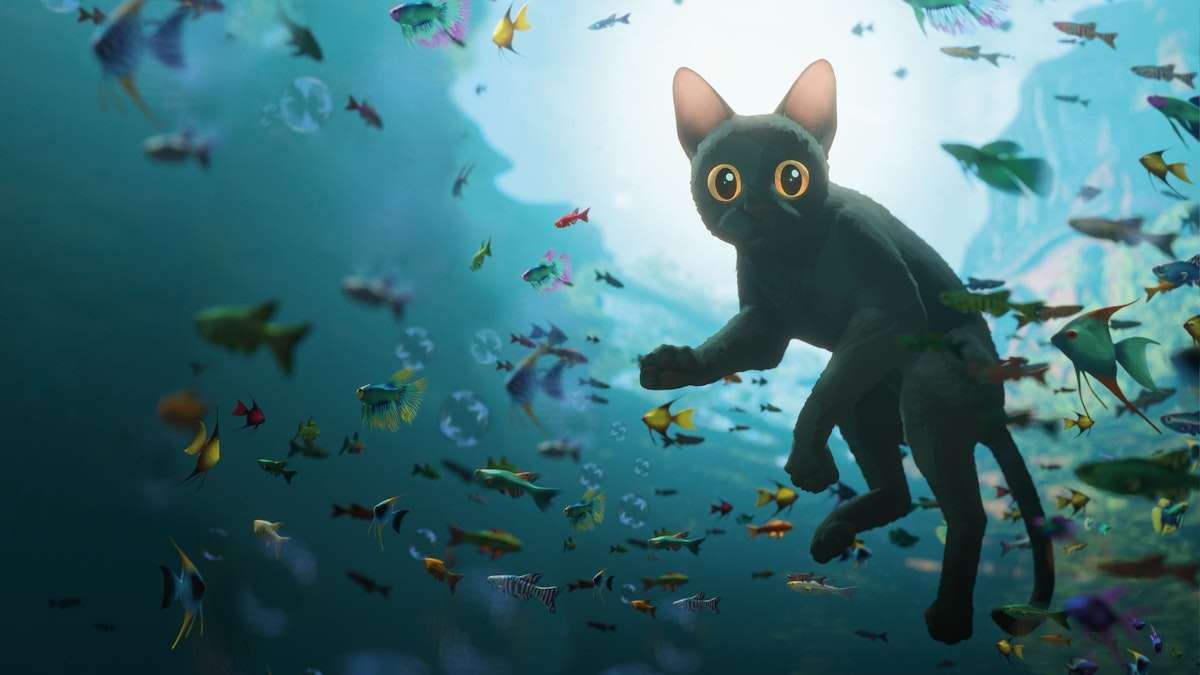
Flow leans heavily on visuals rather than words, letting nature and movement tell the story. There is almost no dialogue, which makes you pay closer attention to what is happening on screen. The focus remains on the environment and how life moves within it, creating a calm, immersive experience. When you look more deeply into this Oscar-winning film by Gints Zilbalodis, it presents nature not as a backdrop but as something alive and constantly shifting. In the story, survival is shown as a natural part of existence.
Set in a post-apocalyptic world flooded by rising waters, where animals must cooperate to survive, the film fits perfectly within eco-friendly storytelling. It does not explain everything directly, but instead lets you feel the importance of protecting our planet through what you see and experience. What is really captivating about the film is that it reintroduces an idea we may have taken for granted, and the sense of change is present throughout, reminding you that nothing stays the same for long.
Where to Watch: Amazon Prime Video
20. The Man Who Planted Trees (1987)
The 30-minute animated movie is a quiet and moving story about a man who chooses to spend his life planting trees in a barren landscape. The story moves slowly, showing how small, consistent actions can lead to real change over time. As you watch the land slowly transform, you begin to feel a quiet sense of hope grow with it.
The short film focuses on patience and dedication, showing that change does not happen overnight, highlighting environmental restoration, and making it clear that damaged land can recover if given care and time. The film also strongly connects with ideas like “plant a tree” and long-term sustainability, which go hand in hand with the whole idea and purpose of celebrating World Earth Day, reminding us that protecting our planet does not always need large efforts. Sometimes, steady and thoughtful action by one person can also make a lasting difference.
Where to Watch: YouTube
21. Arrival (2016)

Denis Villeneuve’s Arrival takes a quiet and thoughtful approach to science fiction, focusing less on spectacle and more on understanding. The story follows a linguist who is brought in to communicate with mysterious visitors, but what unfolds is not just about language. It becomes a deeper look at how humans think, react, and connect when faced with the unknown.
Using the medium of communication, the film explores how language shapes meaning and perception. It also reflects on time, not just as something linear, but as something that can be experienced differently, which adds an emotional layer to the story. It also highlights the importance of unity and cooperation, especially in uncertain moments, showing that global challenges cannot be solved in isolation. In that sense, it connects with World Earth Day ideas, reminding us that protecting our planet requires shared understanding, patience, and collective effort.
Where to Watch: Amazon Prime Video