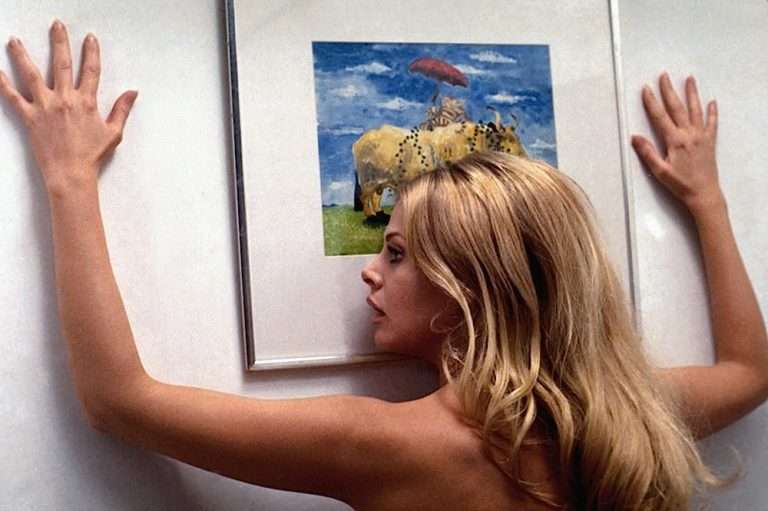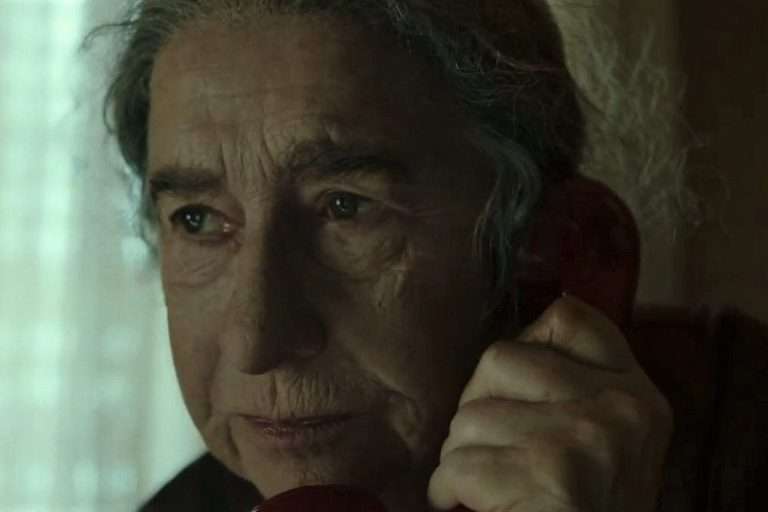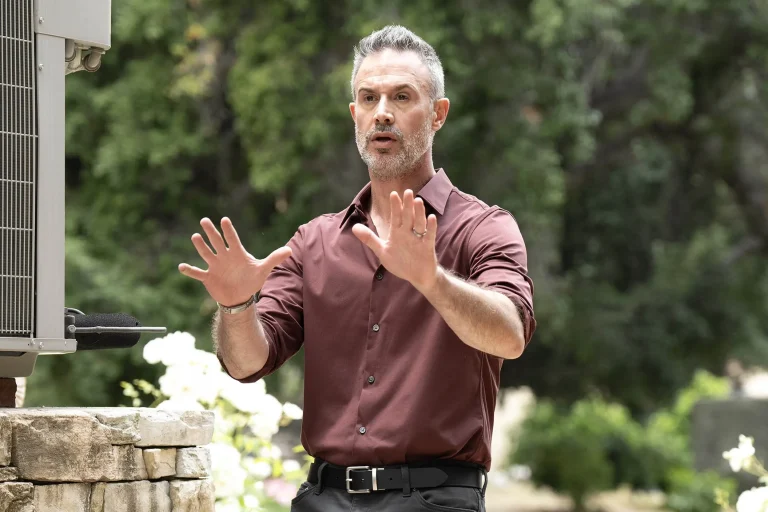
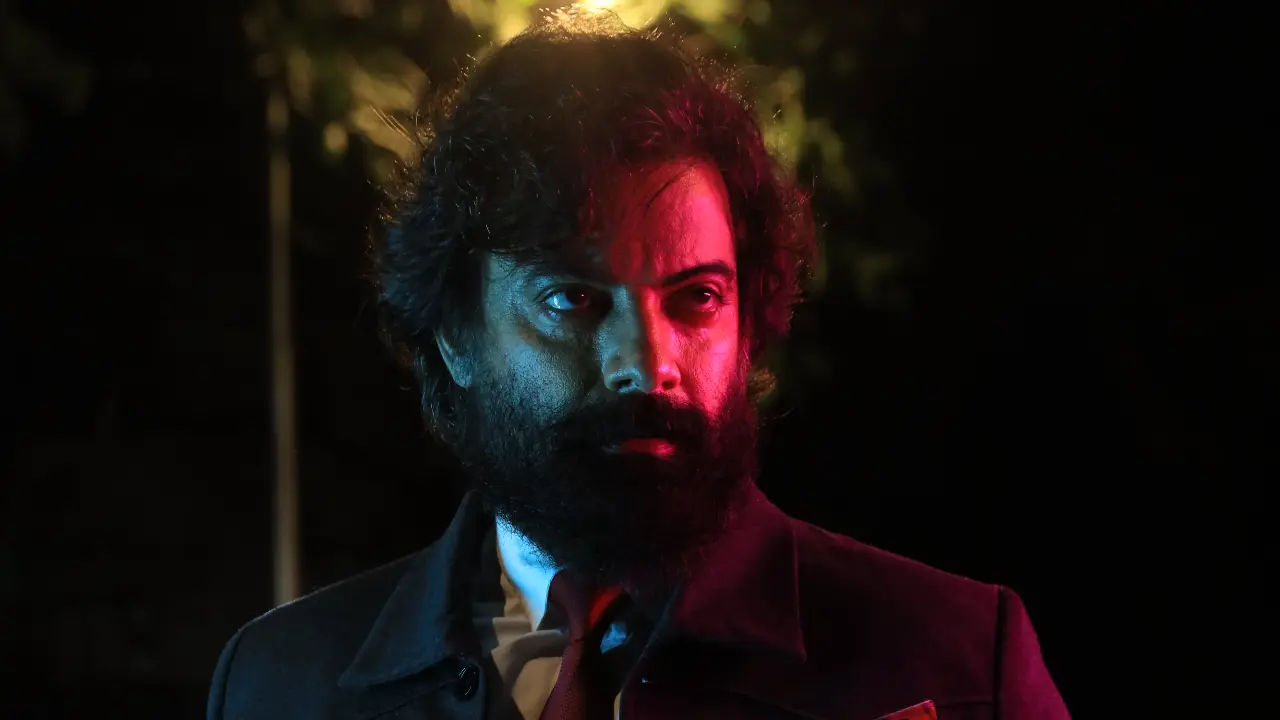
Kashyap has been through a hard time lately. The rage, according to him, as an aftermath of his ambitious screenplay based on Suketu Mehta’s “Maximum City” getting dropped, has been a driving force behind making “Kennedy” and constructing its anti-hero “Uday Shetty” (played by Rahul Bhat). “Kennedy,” too, had been through a lot. Travelling to almost every corner of the world, this latest neo-noir found it difficult to see the light of day in India, and it must have taken a toll on the cast and crew of the film. Although difficulty in releasing a film has always been Anurag Kashyap’s natural habitat, “Kennedy” has finally found a home on Zee5, and a surge of mixed reviews has been flooding the internet since its premiere on February 20th.
“Kennedy” is a film about a serial killer that slowly grows on you and invites you to witness the dark, monotonous inner world of a lonely killer who lives with the ghosts of those he has killed. Last week, I had an opportunity to sit and talk with Rahul Bhat. Below is my conversation with Rahul, where we discussed the character of Uday Shetty and Kashyap’s organic style of making films, which has been a key factor behind the construction of this latest film. Welcome to the world of Uday Shetty. I hope you love reading this.
Soumalya: “Kennedy” has finally arrived on Zee5. People at last will be able to watch it, though we all know it’s the kind of film that would hit differently if watched inside a theatre. What are your thoughts on this? Do you have a hard feeling that it couldn’t make it to the theatre, or are you optimistic about the fact that, finally, it’s available for the audience to watch?
Rahul: Of course, theatre has its own charm. We can’t deny that, but see, a film has to reach the people; it doesn’t really matter the way it reaches, and I’m very happy and ecstatic about the fact that finally it’s going to reach, because the film has a very Indianness in terms of values and sentiments, and it’s about Indian circumstances. Also, it has travelled throughout the world. It’s been to Cannes, Toronto, England, Iceland, Australia—everywhere—and when it premiered at MAMI, people really loved it. So, it’s high time for the film to reach its audiences, and I’m happy that it’s happening.
Soumalya: How did you prepare for the character of Uday Shetty? Let me be a little more precise. The character is not a usual character that we see every now and then in Hindi cinema. It’s a dark character, reticent in nature, and more importantly, the character is in pain. Throughout the film, it felt like he was carrying mental baggage. So, how challenging was it to embody a character that demands you to work on the psychological plane much more than the physical plane?
Rahul: Anurag always writes complex characters, you know, but this time he stretched it a little far (chuckles). The challenge was not really to get his physical properties—his walk, demeanor, etc.—right, but the challenge was to portray how the character thinks, how he should use “silence.” It was more internal than external. If you see, you’ll notice I didn’t have much dialogue in the film, so I had to focus on the best possible way I could use silence and portray the character through his actions. So, yeah, I had to prepare a lot, and I prepared for 6–7 months, and finally we reached here.
Soumalya: And I must say you did a terrific job, man! I really appreciate your performance in the film.
Rahul: Thank you so much.
Soumalya: I’m really curious to ask you another question. Your voice seemed very heavy in the film. Did you have to work on your voice and change the way you speak naturally?
Rahul: Yeah. It was not decided earlier that the character would speak in such a heavy voice. But somehow, when we started shooting, I don’t know why, but I started to deliver my dialogues like that—in a heavy voice. It came automatically, and I just went with the flow. I initially thought Anurag would not like it because he is not the person who likes to push you out of your zone, but he kept going, and after a few scenes, he came and asked me, “Let’s stick to this. Can you push it further? Can you make it heavier?” (chuckles)
Soumalya: You didn’t experiment with this during rehearsal and directly started doing this on the set?
Rahul: Yeah, I suddenly started doing this, and I realized it when a few takes were already over. When I realized, I wanted to push it further. So, when Anurag one day came to me and asked me to go deeper, I asked him, “Do you like it?” and he said, “I love it!”
Soumalya: It was really engaging, man!
Rahul: Ha Ha Ha Ha … I still think how it came to me … it must be some divine blessing!
Soumalya: I think you guys have kept going on with experimentations throughout the film. I heard somewhere that Amir Aziz spent six to seven months in Anurag’s house, and he produced his lines there…
Rahul: It’s simply Anurag’s brilliance. I don’t know how, every time he manages to pick the right person for the right job… he has a skill of…
Soumalya: Spotting talents!
Rahul: Absolutely! But you know, spotting talent is also not easy. You have to be aware all the time.
Soumalya: True, true … Also, I wanted to ask you another thing. Sunny Leone has done a terrific job in “Kennedy.” After watching her, I felt like I was in complete ignorance about her acting skills. Could you share your experience of working with her?
Rahul: I was also quite surprised… she is terrific in the film. She is a great person, and she was tremendous in the film in depicting all those complex scenes. The best thing about her is that she wants to learn and expand her skills. I’d love to see her performances in the future.
Soumalya: So, Last Question! Before we end this, we always ask our guests about their five favorite films, but since we’re called “High on Films,” could you share some movies that you believe represent the cinematic high moments, where you feel cinema truly reached its peak? What films made you feel that way?
Rahul: I like Abbas Kiarostami’s films. I find all of them amazing, be it “Taste of Cherry”, be it “Where’s My Friend’s House”… but I particularly like that film—what’s it called—where a man impersonates the director?
Soumalya: “Close-Up.”
Rahul: Yeah, yeah, “Close-Up.” It’s a masterpiece. Then I like Thomas Vinterberg’s films, especially “Another Round.” I love Yorgos Lanthimos’s films, and then there’s Wong Kar-Wai, and then… There are so many. I actually love CINEMA! And then there are so many great Indian filmmakers whom I love watching, such as Vikramaditya Motwane, Vishal Bhardwaj, Anurag Kashyap, and Sudhir Mishra. I love our great Ray and Ghatak, I love Bimal Roy, Guru Dutt, Raj Kapoor, Govind Nihalani, Shyam Benegal… we have had such terrific filmmakers, can you imagine!
You watch Ketan Mehta’s “Bhavni Bhavai” if you haven’t. What a film it is! There were so many talents before us… You watch Naseeruddin Shah’s performance in “Sparsh” and “Pestonjee.” Also, you watch Om Puri and Irrfan’s performances. It’s unbelievable how much talent we had. I just love watching them, and I love good cinema.
Soumalya: You are a cinephile, right?
Rahul: Yeah, man! I love watching movies.
Soumalya: Yeah, I remember when Sucharita Tyagi was interviewing you in Cannes, you said you watch a couple of films daily.
Rahul: Yeah (chuckles)… I watch two, and if I get time, I wouldn’t mind watching three also! These days I’m working more, so there’s a time crunch, you know. Still, I manage to watch one film a day, but there are a lot of films left that I need to watch.
Soumalya: Great! It was lovely talking to you, Rahul. It’s a big moment. “Kennedy” is finally coming home. I wish you all the very best!
Rahul: Thank you so much Soumalya!